If you want to lower LDL quickly, focus on four changes at the same time: eat more viscous soluble fiber, replace saturated fat with unsaturated fat, use plant proteins more often, and consider plant sterol–fortified foods if they fit your plan. Oats, barley, psyllium, beans, lentils, nuts, seeds, avocado, olive or canola oil, and foods fortified with plant sterols can all contribute. Two weeks is long enough to establish a strong routine and may be long enough to see an early LDL change, but it is not a guaranteed deadline for a large reduction. Many dietary trials run for several weeks, and cholesterol response varies with genetics, starting LDL, body weight, thyroid status, medications, and how large the dietary change actually is. The goal of this two-week strategy is therefore not a crash diet. It is a concentrated reset that removes the biggest LDL-raising habits and stacks several evidence-based foods into meals you can keep eating afterward.
Table of Contents
- What Can Lower LDL in Two Weeks?
- Four Food Levers for Lower LDL
- Week One: Remove the Biggest LDL Raisers
- Week Two: Stack LDL-Lowering Foods
- Two-Week Grocery List
- Sample Day for Lowering LDL
- When Diet Is Not Enough
What Can Lower LDL in Two Weeks?
LDL cholesterol can begin responding to diet within weeks, especially when the change is substantial. But the phrase “lower LDL quickly” needs a realistic definition. A two-week plan can move the number in the right direction, yet the full effect of a new eating pattern may take longer to show up. Many clinicians reassess lipids after roughly 6–12 weeks, depending on the situation and whether medication has also changed.
Diet works fastest when it replaces a clearly LDL-raising pattern. Someone who switches from daily butter, cheese, sausage, pastries, and coconut oil to oats, beans, nuts, vegetables, fish, and olive oil may see more change than someone whose diet was already strong.
The biggest dietary levers are:
- Less saturated fat.
- More viscous soluble fiber.
- More unsaturated fat in place of saturated fat.
- More plant protein and fewer processed or fatty meats.
- Plant sterols or stanols when appropriate.
Do not confuse short-term water-weight loss with LDL improvement. Severe calorie restriction, fasting, or “detox” plans are unnecessary and can make the diet harder to sustain. A focused two-week period should be structured, not extreme.
What kind of result is realistic?
There is no reliable promise such as “10% lower LDL in 14 days” that applies to everyone. Individual foods usually produce modest average effects, and the changes can overlap rather than add perfectly. Oat beta-glucan may lower LDL by several mg/dL, soluble fiber from multiple sources can contribute additional lowering, plant sterols often produce a percentage reduction, and replacing saturated fat can make another meaningful difference. People starting from a high-saturated-fat, low-fiber diet may respond more strongly than people who already eat this way.
The most useful way to think about the two-week period is as a high-adherence launch phase. If you can consistently replace saturated fat, reach meaningful soluble-fiber intake, and use plant proteins every day, you create the conditions for LDL to fall. Then keep the pattern in place until the repeat blood test rather than returning to your previous diet after day 14.
Also remember that a laboratory result has normal biological and measurement variation. A small change in either direction on one test should be interpreted with the overall trend, fasting status if relevant, recent illness, medication changes, and your clinician’s cardiovascular-risk assessment. What matters most is whether the plan creates a sustained downward trend while fitting safely with any medication or other treatment you need.
If your LDL is very high because of genetics, diet may only lower it modestly. Review common causes of high LDL cholesterol if your number seems out of proportion to your eating habits or family members have premature heart disease.
Four Food Levers for Lower LDL
The strongest two-week plan combines mechanisms instead of asking one food to do everything.
1. Viscous soluble fiber
Oat beta-glucan, barley beta-glucan, psyllium, and soluble fibers in legumes and some fruit can reduce LDL by increasing bile acid loss and changing cholesterol absorption. A large 2023 meta-analysis found that each 5 g per day increase in soluble-fiber supplementation was associated with an average LDL reduction of about 5.6 mg/dL, although individual responses varied.
Oat-based products have repeatedly lowered LDL in randomized trials. The useful target is not “eat oats once.” Make soluble fiber a daily feature. Oatmeal at breakfast, beans at lunch, and a small psyllium dose if appropriate can create a stronger cumulative effect.
For practical sources and amounts, see the soluble-fiber stack for LDL and oat beta-glucan for LDL.
2. Unsaturated fats instead of saturated fats
Replacing saturated fat with unsaturated fat is one of the most important LDL changes you can make. Use olive, canola, soybean, or other liquid plant oils instead of butter, coconut oil, lard, or shortening. Choose nuts, seeds, or avocado in place of cheese-heavy snacks or creamy spreads.
The replacement matters. Adding olive oil to a meal that still contains a large amount of butter and fatty meat does not produce the same effect as using olive oil instead of those foods.
3. Plant proteins
Beans, lentils, chickpeas, tofu, tempeh, edamame, nuts, and seeds reduce LDL partly because they replace proteins that may carry more saturated fat. Legumes add fiber at the same time, making them especially efficient.
Aim for at least one plant-protein meal per day during the two-week reset. That could be lentil soup, bean chili, tofu stir-fry, hummus and whole-grain pita, or a chickpea grain bowl.
4. Plant sterols and stanols
Plant sterols and stanols reduce cholesterol absorption in the intestine. Fortified foods can provide amounts in the range used in clinical studies, often around 1.5–2 g or more per day. Recent meta-analyses confirm that phytosterol-fortified foods can produce meaningful LDL reductions.
They are optional, not mandatory. Check the whole product: a sterol-fortified food should not become an excuse to eat more saturated fat or added sugar. If you use one, follow the label and treat it as an adjunct to the rest of the diet.
Week One: Remove the Biggest LDL Raisers
The first week is about subtraction and substitution. Do not try to optimize every micronutrient. Identify the foods that contribute the most saturated fat in your current routine and replace them.
Day 1: Find your saturated-fat hotspots
Check a typical day of eating. Common sources include:
- Butter and ghee.
- Coconut oil and coconut cream.
- Bacon, sausage, salami, and fatty beef.
- Full-fat cheese and cream.
- Pastries, cookies, biscuits, and buttery baked goods.
- Fried fast food.
- Some plant-based products made with coconut or palm oil.
Read the saturated-fat line on packaged foods. A product can be vegan, keto, organic, or “natural” and still be high in saturated fat.
Days 2–3: Replace breakfast
Breakfast is an easy place to add soluble fiber and remove saturated fat. Use oatmeal or oat bran topped with berries, ground flaxseed, and a small handful of walnuts. If you prefer savory food, choose whole-grain toast with avocado and beans or an egg with vegetables rather than a sausage-and-cheese sandwich.
Avoid turning oats into dessert with butter, cream, large amounts of brown sugar, or sweetened granola.
Days 4–5: Replace one meat-based meal
Make lunch or dinner plant-based. Beans and lentils work well because they provide both protein and soluble fiber. Try lentil soup, black-bean tacos, chickpea salad, or white beans with whole-grain pasta and vegetables.
For specific options, see the best beans for lowering cholesterol.
Days 6–7: Change your default fat
Move butter and coconut oil out of the default cooking position. Use olive or canola oil in measured amounts. Keep unsalted nuts, seeds, hummus, and avocado available so the swap is convenient.
At the end of week one, your diet should already contain less saturated fat and more fiber without requiring a complex menu.
Week Two: Stack LDL-Lowering Foods
Week two adds intensity by combining several LDL-lowering components each day. This is sometimes called a “portfolio” approach because multiple foods contribute through different mechanisms.
Add oats or barley daily
Choose at least one beta-glucan-rich food each day. Oatmeal is the easiest, but barley can be used in soups, salads, and grain bowls. The cholesterol effect depends on getting enough beta-glucan consistently, not just eating a token amount of oats occasionally.
Include legumes most days
Use 1/2 to 1 cup of beans, chickpeas, or lentils in a meal. If you are not used to much fiber, start smaller and increase gradually to reduce gas and bloating.
Use nuts or seeds as a replacement snack
Have about 1 ounce of unsalted nuts or a smaller measured portion of seeds instead of cookies, chips, or cheese crackers. Walnuts, almonds, pistachios, peanuts, chia, and ground flax all fit.
A daily nut portion can be useful, but more is not always better. Nuts are calorie-dense, so measure rather than eating directly from a large bag.
Make the cooking fat unsaturated
Use olive, canola, or another liquid plant oil instead of butter. Avocado can replace mayonnaise or cheese in sandwiches. This guide to avocados and LDL explains how they can fit without turning every meal into a high-calorie one.
Consider a psyllium routine
If food intake still leaves you short on soluble fiber, psyllium can help. Start with the amount on the product label, increase gradually, and take it with plenty of fluid. Keep it separated from medications when the product or pharmacist recommends doing so, because fiber can affect drug absorption.
Consider a sterol-fortified food
If your LDL remains a major concern and a suitable product is available, a plant sterol–fortified spread, yogurt, or other food can be included daily. Use the amount required to provide the labeled sterol dose and keep the rest of the product’s nutrition profile in mind.
The point of week two is not to keep adding calories. Every LDL-lowering food should replace something less helpful: nuts replace cookies, beans replace fatty meat, olive oil replaces butter, and oats replace refined breakfast foods.
Two-Week Grocery List
Stocking the right foods makes the two-week plan much easier to follow.
| Category | Buy | Why it helps |
|---|---|---|
| Soluble fiber | Oats, oat bran, barley, psyllium | Viscous fiber can lower LDL |
| Legumes | Lentils, chickpeas, black beans, white beans | Fiber plus plant protein |
| Healthy fats | Olive oil, canola oil, avocado | Replaces saturated fat |
| Nuts/seeds | Walnuts, almonds, pistachios, chia, ground flax | Unsaturated fat and fiber |
| Protein | Tofu, tempeh, fish, skinless poultry | Lower-saturated-fat options |
| Produce | Berries, apples, citrus, greens, broccoli, carrots | Fiber and overall diet quality |
| Whole grains | Whole-grain bread, quinoa, brown rice | Replaces refined starch |
| Optional | Plant sterol–fortified foods | Can further reduce LDL |
For convenience, include no-salt-added canned beans, frozen vegetables, canned salmon or sardines, and unsweetened frozen berries. Convenience foods are useful if their nutrition profile supports the plan.
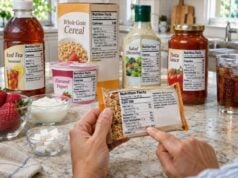
Before buying “cholesterol-lowering” products, compare labels. A cereal may advertise oats but contain little fiber and a lot of sugar. A plant-based spread may be lower in saturated fat than butter, while another may use coconut oil and contain almost as much. The front of the package is marketing; the nutrition label tells you what you are actually eating.
Sample Day for Lowering LDL
A strong day combines several mechanisms without feeling like a medical diet.
Breakfast
Cooked oatmeal with berries, ground flaxseed, and walnuts. Use unsweetened milk or a fortified soy beverage if desired. If you need more sweetness, add fruit or a small amount of cinnamon rather than turning the bowl into dessert.
Lunch
Lentil and vegetable soup with a slice of whole-grain bread and a side salad dressed with olive oil and vinegar. This meal combines soluble fiber, plant protein, vegetables, and unsaturated fat.
Snack
An apple with a small handful of almonds, or plain yogurt with berries and chia seeds.
Dinner
Baked salmon or tofu with barley and roasted vegetables. Use olive or canola oil instead of butter. If you eat fish, salmon provides a heart-healthy replacement for red or processed meat.
Optional fiber step
If recommended and well tolerated, use psyllium according to label directions at a time that does not interfere with medications.
Optional plant-sterol step
Use a sterol-fortified food in the labeled serving if you have chosen to include one.
You do not need the exact same foods every day. Rotate oats with barley, beans with lentils, and almonds with walnuts. The mechanisms stay the same even when the recipes change.
When Diet Is Not Enough
A disciplined two-week diet can be a useful experiment, but it should not become a reason to postpone treatment for high-risk cholesterol levels. LDL is strongly influenced by genetics. Some people can eat very well and still have an LDL level that requires medication.
Seek medical evaluation promptly if LDL is around 190 mg/dL or higher, if you have known atherosclerotic cardiovascular disease, or if you have a strong family history of early heart attack or stroke. Familial hypercholesterolemia is common enough that very high LDL should never be dismissed as a simple diet problem.
Also consider secondary causes. Hypothyroidism, some kidney conditions, certain medications, menopause, major weight change, and other factors can influence cholesterol. Treating the underlying issue may be as important as changing breakfast.
If medication is prescribed, the food strategy still matters. Diet and medication often work together. Soluble fiber, plant proteins, unsaturated fats, vegetables, and whole grains improve overall cardiovascular nutrition even when a statin, ezetimibe, PCSK9-targeted drug, or another therapy is doing most of the LDL lowering.
Do not judge the plan solely by how you feel. High LDL usually causes no symptoms. The useful measure is a properly timed repeat lipid panel. A clinician may reassess in several weeks to a few months depending on your baseline level and treatment.
Finally, keep the two-week changes that were easiest and most effective. If oatmeal every day becomes tedious, rotate barley or a high-fiber breakfast. If plant-based dinners are hard seven days per week, keep three. If you want more detail on the most effective foods, see cholesterol-lowering foods that actually work. The purpose of the reset is to build a pattern that lowers LDL for months and years, not to win a 14-day challenge.
At the end of the two weeks, judge the plan by more than the scale. Ask whether breakfast now includes a reliable soluble-fiber source, whether most cooking fats are unsaturated, whether beans or other plant proteins appear several times a week, and whether high-saturated-fat foods have become occasional rather than automatic choices. Those habits are the part worth carrying forward.
If you plan to repeat a lipid panel, use the timing your clinician recommends. Day-to-day food choices can start affecting LDL within weeks, but a single blood test also reflects biology, medication use, recent illness, weight change, and your starting level. A meaningful LDL reduction is useful, but the goal is sustained risk reduction, not a temporary two-week “cleanse.” Keep the foods you actually enjoy, vary the meals, and make the plan convenient enough to continue. If LDL remains well above your target—especially with diabetes, known cardiovascular disease, or a strong family history—diet should support, not delay, a discussion about medication.
Meal planning prevents the most common failure point: having the right foods in the house but no idea what to make when hungry. Pick two breakfasts, two lunches, and three dinners you can repeat for the first week. For example, rotate oats with fruit and nuts; whole-grain toast with avocado and beans; lentil soup with a side salad; chickpea grain bowls; salmon with barley and vegetables; and bean-based chili. Repetition is useful during a short experiment because it makes the major LDL-lowering ingredients predictable.
Do not compensate for lower saturated fat by filling the diet with refined starches or sugary foods. Replacing butter, fatty meats, or pastries with white bread, sweets, or sweet drinks may lower saturated fat but does not create a strong overall cardiometabolic pattern. The better swap pairs lower saturated fat with more soluble fiber and unsaturated fat. That combination is why oats, barley, beans, nuts, seeds, olive oil, avocado, and fish work well together in a two-week plan rather than as isolated additions.
References
- Soluble Fiber Supplementation and Serum Lipid Profile: A Systematic Review and Dose-Response Meta-Analysis of Randomized Controlled Trials 2023 (Systematic Review)
- Efficacy of oats in dyslipidemia: a systematic review and meta-analysis 2024 (Systematic Review)
- Use of phytosterol-fortified foods to improve LDL cholesterol levels: A systematic review and meta-analysis 2023 (Systematic Review)
- Saturated Fat Intake and the Prevention and Management of Cardiovascular Disease in Adults: An Academy of Nutrition and Dietetics Evidence-Based Nutrition Practice Guideline 2023 (Guideline)
- Plantago consumption significantly reduces total cholesterol and low-density lipoprotein cholesterol in adults: A systematic review and meta-analysis 2024 (Systematic Review)
Disclaimer
This article provides general nutrition information and does not replace individualized medical care. Very high LDL cholesterol, familial hypercholesterolemia, or established cardiovascular disease often requires medication in addition to diet, so do not delay clinical evaluation while trying a short-term food plan.