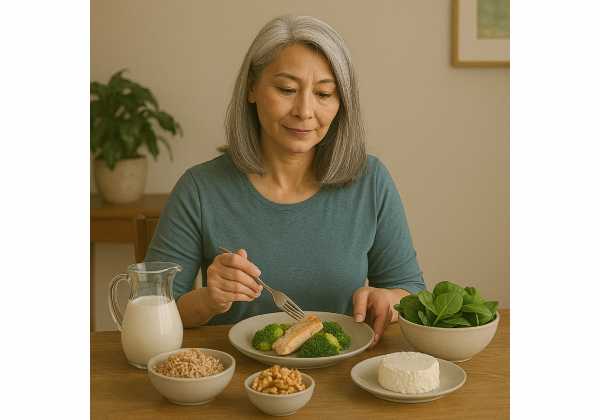
Strong bones are living tissue, not dry scaffolding. They are constantly being broken down and rebuilt, and that remodeling process needs enough protein, minerals, vitamins, muscle stimulus, and overall energy. Calcium gets most of the attention because it forms the mineral structure of bone, but calcium alone does not build a resilient skeleton. Protein supplies the collagen framework. Vitamin K helps activate proteins involved in bone mineralization. Vitamin D, magnesium, phosphorus, resistance training, and fall prevention also shape the result.
Bone friendly eating is most valuable when it becomes ordinary: yogurt with berries, sardines on toast, tofu with greens, lentil soup, eggs with vegetables, or a dinner that includes protein plus calcium-rich sides. The aim is steady coverage across the week, not a perfect “bone health” meal once in a while. A longevity-minded approach protects bone density, muscle, balance, and independence at the same time.
Table of Contents
- Bones Need a Building Plan, Not Just Calcium
- Protein Keeps the Frame Strong
- Calcium Works Best in Steady Doses
- Vitamin K Helps Bone Proteins Work
- Bone Friendly Meals That Fit Real Life
- Supplements, Medications, and Safety Checks
- Higher-Risk Situations Need Extra Attention
- A Weekly Bone Routine for Longevity
Bones Need a Building Plan, Not Just Calcium
Bone strength comes from both density and quality. Density describes how much mineral is packed into bone. Quality includes the collagen structure, microarchitecture, turnover rate, and the way bone responds to stress. A person with decent calcium intake but poor protein intake, low activity, frequent dieting, heavy alcohol intake, or untreated vitamin D deficiency still loses bone over time.
Bone remodeling runs through two main cell types. Osteoclasts remove older bone. Osteoblasts build new bone. This process repairs tiny damage, adapts the skeleton to loading, and helps regulate blood calcium. With aging, menopause, inactivity, chronic inflammation, low body weight, and some medications, breakdown starts to outpace rebuilding. The result is thinner bone, higher fracture risk, and less margin for falls.
Food supports the remodeling system in several ways:
- Protein supplies amino acids for collagen, muscle, enzymes, and repair.
- Calcium and phosphorus mineralize the collagen matrix.
- Vitamin K activates proteins such as osteocalcin, which is involved in bone mineral handling.
- Vitamin D improves calcium absorption and supports muscle function.
- Magnesium helps bone mineral structure and vitamin D metabolism.
- Energy intake keeps hormones and repair signals from dropping too low.
Exercise gives bones the reason to stay strong. Resistance training and impact loading send mechanical signals that tell bone to adapt. Nutrition supplies the materials for that adaptation. A food plan without loading is incomplete; loading without enough food also limits results. Pairing bone-supportive meals with resistance and impact training for bone density gives the skeleton both the signal and the substrate.
Bone density testing matters when risk is elevated. A DEXA scan estimates bone mineral density at sites such as the hip and spine and helps guide prevention or treatment decisions. Adults with fractures after minor trauma, postmenopausal women, older men, long-term steroid use, low body weight, or strong family history should understand when DEXA scans for bone density are appropriate.
Food does not replace medical treatment for osteoporosis. It does, however, make treatment work on better ground. Even when medication is needed, bone still requires enough protein, calcium, vitamin D, vitamin K-rich foods, and strength-preserving movement.
Protein Keeps the Frame Strong
Protein is bone food because bone is not made of minerals alone. Roughly half of bone volume is a flexible collagen-rich matrix, and that matrix needs amino acids. Protein also protects muscle, and muscle protects bone by improving balance, power, gait, and the ability to catch yourself before a fall becomes a fracture.
Low protein intake creates several problems at once. It reduces the raw material for repair, weakens muscle, lowers appetite quality, and often signals an overall low-nutrient diet. In older adults, low protein also worsens anabolic resistance, the age-related blunting of muscle protein synthesis after meals. A person who eats toast and coffee for breakfast, a light salad for lunch, and a small dinner often misses the protein threshold needed to support both muscle and bone.
Most healthy adults do well with at least 1.0 to 1.2 g of protein per kg of body weight per day as they age. Active adults, people trying to preserve muscle during weight loss, and many adults over 60 often benefit from 1.2 to 1.6 g/kg/day, assuming kidney function and clinical context allow it. Someone who weighs 70 kg would land around 84 to 112 g per day at 1.2 to 1.6 g/kg.
Daily protein works better when spread across meals. A useful target is 25 to 40 g protein per meal, with the higher end more relevant for larger bodies and older adults. This distribution pattern gives muscle and bone repeated repair signals during the day. For a deeper look at daily and per-meal targets, see protein targets for longevity.
| Food | Typical protein | Bone-friendly advantage |
|---|---|---|
| Greek yogurt, 1 cup | 18–25 g | Protein plus calcium; easy breakfast or evening option |
| Cottage cheese, 1 cup | 24–28 g | High protein with meaningful calcium |
| Sardines with bones, 1 can | 20–25 g | Protein, calcium, vitamin D, and omega-3 fats |
| Firm calcium-set tofu, 150 g | 15–25 g | Plant protein plus calcium when calcium sulfate is used |
| Eggs, 2 large | 12–14 g | Protein plus small amounts of vitamin K2 and vitamin D |
| Lentils, 1 cooked cup | 17–18 g | Protein, magnesium, potassium, and fiber |
| Chicken, turkey, fish, or lean meat, 100–120 g cooked | 25–35 g | Dense protein for meals that need a strong anchor |
Animal and plant proteins both fit a bone-friendly plan. Dairy, fish with bones, eggs, poultry, and lean meats provide dense protein with high digestibility. Beans, lentils, soy foods, nuts, seeds, and whole grains add protein with fiber, minerals, and polyphenols. A mixed pattern gives the best practical coverage. People who eat mostly plants should use intentional anchors such as tofu, tempeh, soy milk, lentils, beans, seitan, and protein-rich whole grains. The right mix of plant and animal protein for aging muscles depends on preference, digestion, ethics, budget, and health needs.
Protein does not “leach calcium from bones” in the simple way older nutrition folklore claimed. Very high protein in a low-calcium diet is not ideal, but adequate protein paired with adequate calcium supports bone and muscle. The practical mistake is not eating “too much protein” from normal foods; it is eating protein without enough plants, minerals, and total diet quality.
Calcium Works Best in Steady Doses
Calcium is the main mineral in bone, and the body keeps blood calcium within a narrow range because nerves, muscles, and the heart need it. When intake stays low, the body pulls more calcium from bone to keep blood levels stable. That is why blood calcium usually looks normal even when dietary calcium is poor.
Most adults need 1,000 to 1,200 mg of calcium per day from food and supplements combined. Adults ages 19–50 generally need 1,000 mg/day. Women over 50 and men over 70 generally need 1,200 mg/day. The useful target is enough, not as much as possible. Chronic intakes far above needs raise the chance of side effects, especially when they come from supplements.
Food-first calcium works well because calcium-rich foods usually bring other nutrients. Dairy brings protein, phosphorus, potassium, iodine, and often vitamin D if fortified. Fish with soft edible bones adds protein, calcium, vitamin D, and omega-3 fats. Calcium-set tofu brings protein and minerals. Fortified soy milk or dairy milk gives a reliable amount in a small serving. Greens add vitamin K, magnesium, potassium, and fiber, though not all greens provide absorbable calcium.
Spinach, beet greens, and Swiss chard contain calcium on paper, but their oxalate content binds much of it. Kale, bok choy, broccoli, turnip greens, collards, and mustard greens are more useful calcium sources because their calcium is more available.
| Food | Approximate calcium | Easy use |
|---|---|---|
| Plain yogurt, 1 cup | 250–400 mg | Breakfast bowl, sauce, snack, or dessert base |
| Milk or fortified soy milk, 1 cup | 250–350 mg | Smoothies, oats, coffee, soups, or with meals |
| Calcium-set tofu, 150 g | 200–500 mg | Stir-fries, bowls, soups, scrambles |
| Sardines with bones, 1 can | 250–350 mg | Toast, salads, pasta, grain bowls |
| Collards or turnip greens, ½ cup cooked | 130–180 mg | Side dish, soups, stews, omelets |
| Fortified orange juice, 1 cup | 250–350 mg | Occasional option; best with a protein-rich meal |
| Cheese, 30 g | 150–250 mg | Small flavor-rich addition, not the whole protein plan |
Calcium distribution matters. The body absorbs smaller amounts better than large boluses. A simple pattern is to include 300 to 500 mg calcium at two or three points in the day. Examples include yogurt at breakfast, calcium-set tofu at lunch, and greens or sardines at dinner.
Dairy is useful, but it is not mandatory. People who avoid dairy need more planning. Fortified soy milk, fortified pea milk, calcium-set tofu, sardines, canned salmon with bones, tahini, almonds, white beans, and low-oxalate greens all help. A separate guide to calcium and vitamin D foods for aging bones gives more food-level options.
Calcium also needs vitamin D. Without enough vitamin D, calcium absorption drops. Fatty fish, fortified foods, sunlight exposure, and supplements all contribute, but vitamin D needs vary by blood level, season, skin pigmentation, location, body size, and medical history. Testing is useful when risk is high, symptoms suggest deficiency, or supplementation continues long term. Interpreting vitamin D status in healthy aging helps avoid both under-treatment and unnecessary high dosing.
Vitamin K Helps Bone Proteins Work
Vitamin K is a fat-soluble vitamin involved in blood clotting and bone metabolism. Its bone role centers on vitamin K-dependent proteins, including osteocalcin. Osteocalcin needs vitamin K-dependent activation, called carboxylation, to function properly in bone mineral handling.
There are two main dietary families:
- Vitamin K1, or phylloquinone, comes mainly from green plants, especially leafy greens.
- Vitamin K2, or menaquinones, comes from some fermented foods and animal foods. Forms include MK-4 and MK-7.
For everyday eating, the most reliable move is simple: eat leafy greens often and include some fermented or animal-based K2 sources if they fit your diet. Adults have an adequate intake target of about 90 mcg/day for women and 120 mcg/day for men. A single serving of leafy greens often meets or exceeds that amount. Natto is unusually high in K2 as MK-7, while cheese, eggs, chicken, pork, and some fermented foods provide smaller amounts.
Vitamin K is better absorbed with fat. That does not mean greens need heavy dressing. A little olive oil, avocado, nuts, seeds, eggs, yogurt sauce, or oily fish in the same meal helps. A kale salad with olive oil, an omelet with spinach, or broccoli next to salmon makes nutritional sense.
Good vitamin K food patterns include:
- leafy greens most days: kale, collards, spinach, arugula, parsley, turnip greens, mustard greens, romaine, bok choy
- cruciferous vegetables several times weekly: broccoli, Brussels sprouts, cabbage
- fermented options: natto, certain cheeses, sauerkraut, kimchi, miso
- animal foods in modest amounts if eaten: eggs, chicken, pork, liver, cheese
K1 and K2 are often marketed as if K2 is the only “bone vitamin.” The evidence is more nuanced. K2 supplements improve some bone turnover markers in several studies, and certain trials show benefits in specific groups. Other well-designed studies show little or no effect on bone density when K2 is added to calcium and vitamin D. Food-based vitamin K remains a sensible target because leafy greens and fermented foods support more than bone alone: they add fiber, potassium, polyphenols, nitrates, and diet variety.
People taking warfarin or other vitamin K antagonist anticoagulants need consistent vitamin K intake and clinician guidance. The goal is not to avoid greens. Sudden swings are the problem. A person who rarely eats greens and then starts a daily green smoothie while on warfarin should speak with their clinician or anticoagulation clinic first.
For readers interested in food sources of menaquinones, vitamin K2 from food covers natto, cheese, eggs, and other options in more detail.
Bone Friendly Meals That Fit Real Life
A bone-friendly meal has three jobs: provide protein, include calcium or support daily calcium coverage, and add plants that bring vitamin K, magnesium, potassium, and polyphenols. The meal does not need to be complicated. It needs enough structure to repeat.
A simple plate pattern works well:
- Start with a protein anchor.
- Add a calcium source if the day still needs it.
- Add greens or colorful vegetables.
- Include a smart carbohydrate if activity, appetite, or glucose control benefits from it.
- Add a fat source that helps absorb fat-soluble nutrients and improves taste.
This creates meals that support bone, muscle, glucose control, and satiety together. It also fits well with protein plus produce plus healthy fat meals, a practical structure for longevity eating.
| Meal | Protein anchor | Calcium source | Vitamin K-rich add-on |
|---|---|---|---|
| Breakfast bowl | Greek yogurt | Yogurt | Kiwi, berries, and chopped pistachios; greens later in the day |
| Savory breakfast | Eggs plus cottage cheese | Cottage cheese | Spinach, parsley, or arugula |
| Lunch bowl | Calcium-set tofu or tempeh | Tofu or fortified sauce | Bok choy, broccoli, cabbage, or kale |
| Mediterranean plate | Sardines or salmon | Fish with bones, yogurt sauce, or cheese | Romaine, arugula, parsley, or steamed greens |
| Soup dinner | Lentils, beans, chicken, or turkey | Side yogurt, fortified milk in soup, or greens | Collards, kale, mustard greens, or cabbage |
| Quick snack meal | Cottage cheese, kefir, or fortified soy milk smoothie | Dairy or fortified soy | Small side salad or greens at another meal |
The easiest way to close nutrition gaps is to assign each meal a role. Breakfast often handles protein and calcium. Lunch handles plants and minerals. Dinner handles protein, greens, and recovery after training. Snacks fill specific gaps instead of becoming random calories.
Examples:
- Greek yogurt bowl: plain Greek yogurt, berries, ground flax, walnuts, cinnamon. Add oats if energy needs are higher.
- Tofu-green stir-fry: calcium-set tofu, bok choy, broccoli, mushrooms, sesame, and brown rice.
- Sardine toast: whole-grain toast, sardines with bones, lemon, olive oil, tomato, parsley, and side salad.
- Lentil-kale soup: lentils, carrots, celery, onions, tomatoes, kale, olive oil, and a side of yogurt.
- Egg and greens plate: eggs, spinach or arugula, roasted potatoes, cottage cheese, and fruit.
- High-protein dinner: fish or chicken, roasted vegetables, collards, and a calcium-rich side if the day needs it.
Meal timing also matters for older adults with smaller appetites. Pushing most protein to dinner leaves breakfast and lunch too weak. A better pattern is to put a real protein source into the first meal. The same applies during weight loss. Calorie reduction without protein planning increases lean mass loss, which weakens the muscle-bone system. For older adults managing appetite changes, protein, palatability, and meal timing in aging become part of bone protection.
Supplements, Medications, and Safety Checks
Supplements are useful when they fill a measured or realistic gap. They are a poor substitute for a low-quality diet. Calcium, vitamin D, protein powder, and vitamin K products all have a place in selected situations, but dose and context matter.
Calcium supplements deserve special care. If food intake already reaches the target, extra calcium usually adds risk without clear benefit. When supplements are needed, smaller doses work better. Calcium absorption is highest at doses of 500 mg or less at one time. Calcium carbonate is best taken with meals because stomach acid helps absorption. Calcium citrate is less dependent on stomach acid and often works better for people with low stomach acid, acid-suppressing medication, or constipation from carbonate.
Common calcium supplement mistakes include:
- taking 1,000 mg in one dose
- stacking fortified foods plus supplements without counting the total
- ignoring constipation, bloating, or kidney stone history
- taking calcium at the same time as thyroid medication, iron, or certain antibiotics
- using supplements while dietary protein remains too low
Vitamin D supplementation should match need. Many adults take 1,000 to 2,000 IU/day, but the right amount varies. Higher doses require a reason and monitoring. More is not automatically better. Very high vitamin D intake raises calcium absorption and, in excess, contributes to high blood calcium, kidney stones, and other problems.
Vitamin K supplements require more caution than leafy greens for people on anticoagulants. MK-7 products in particular have a longer half-life than K1 and affect vitamin K status differently. Anyone using warfarin should not start, stop, or change vitamin K supplements without medical guidance.
Protein powders are food tools, not magic. Whey, casein, soy, pea, or blended plant proteins help when appetite, cooking time, dental issues, or travel make whole-food protein difficult. Choose products with simple ingredient lists and third-party testing when possible. A shake with fortified milk or soy milk, fruit, and nut butter is more bone friendly than protein powder mixed with water when calcium and energy are also needed.
Medication review also belongs in bone planning. Long-term glucocorticoids, some anti-seizure medications, aromatase inhibitors, androgen deprivation therapy, proton pump inhibitors, some diabetes medications, and excess thyroid hormone replacement increase bone concerns. These drugs are sometimes necessary, but bone protection should be discussed early.
Higher-Risk Situations Need Extra Attention
Some people need a tighter bone nutrition plan because their risk is higher or their margin is smaller.
After menopause, estrogen drops and bone loss accelerates, especially in the first several years. Protein, calcium, vitamin D, vitamin K-rich foods, resistance training, and fall prevention all become more important. Women over 50 generally need 1,200 mg/day calcium, and many need a deliberate protein plan because appetite and lean mass often decline.
Men over 70 also face meaningful fracture risk. Osteoporosis is often missed in men because it is wrongly treated as a women’s issue. Low testosterone, alcohol overuse, smoking, low body weight, digestive disease, and some medications increase risk.
During weight loss, bone and muscle protection require planning. Fast weight loss, low protein, low calcium, and little resistance training are a bad combination. A safer fat-loss plan keeps protein high, includes calcium-rich foods, trains strength, and avoids aggressive calorie cuts.
With low body weight or frailty, the main problem is often not one missing nutrient. It is low total intake. A small person with weak appetite needs energy-dense, protein-rich, calcium-rich meals: Greek yogurt with nuts, eggs with cheese and greens, fortified smoothies, olive oil on vegetables, soups with beans and meat, and snacks that count.
With digestive disorders, absorption matters. Celiac disease, inflammatory bowel disease, bariatric surgery, chronic diarrhea, pancreatic insufficiency, and some liver or bile conditions raise the risk of low vitamin D, vitamin K, calcium, iron, B12, and protein status. These situations need labs, clinician guidance, and often dietitian support.
With kidney disease, protein, calcium, phosphorus, and vitamin D decisions need medical guidance. A high-protein plan is not appropriate for every stage or every person. Calcium supplements also need caution because mineral balance and vascular calcification risk become more complex.
With lactose intolerance, dairy avoidance is not the only answer. Lactose-free milk, hard cheeses, yogurt with live cultures, kefir, and fortified non-dairy alternatives often work. People with milk allergy or vegan diets need a more intentional calcium plan using fortified foods, tofu, greens, beans, nuts, seeds, and possibly supplements.
With recurrent falls, food alone is not enough. Vision, balance, medications, footwear, home hazards, blood pressure drops, neuropathy, vestibular issues, strength, and reaction time all need attention. Fracture prevention is partly a bone-density issue and partly a fall-energy issue. Stronger legs, better balance, and safer environments reduce the chance that bone strength gets tested in the first place.
A Weekly Bone Routine for Longevity
Bone friendly eating works best as a repeatable weekly rhythm. The routine should cover protein, calcium, greens, vitamin D, resistance training, and enough total food. Tracking every nutrient forever is unnecessary, but a short audit helps reveal gaps.
Use this weekly checklist:
- Eat 25 to 40 g protein at most meals.
- Reach 1,000 to 1,200 mg calcium/day from food first, supplements only as needed.
- Include leafy greens or cruciferous vegetables most days.
- Eat fish, fortified foods, eggs, or other vitamin D sources; test when risk is high.
- Use soy foods, dairy, fish with bones, beans, lentils, nuts, and seeds for variety.
- Strength train 2 to 4 times per week, with progressive loading.
- Include balance, gait, or impact work suited to your joints and fitness level.
- Avoid smoking and keep alcohol modest.
- Review medications and fracture history with a clinician.
- Address sleep, low energy intake, and unplanned weight loss early.
A practical shopping list makes the routine easier:
- Greek yogurt, kefir, cottage cheese, or fortified soy alternatives
- calcium-set tofu or tempeh
- sardines or canned salmon with bones
- eggs
- lentils, beans, chickpeas
- kale, collards, bok choy, broccoli, arugula, parsley
- berries, citrus, kiwi, and other vitamin C-rich foods for collagen support
- nuts, seeds, tahini, olive oil
- oats, potatoes, brown rice, whole-grain bread, or other smart carbohydrates
- herbs, spices, garlic, lemon, vinegar, and fermented foods for flavor
Bone nutrition should feel like sturdy eating, not medicalized eating. A plate of salmon, potatoes, broccoli, and yogurt sauce is bone friendly. So is tofu with bok choy and rice, lentil soup with kale, or eggs with cottage cheese and fruit. The pattern is more important than any single ingredient.
The most common long-term mistake is separating bone health from muscle health. Bones break most often when a fall meets low bone strength. Muscle lowers fall risk, improves glucose control, supports posture, and keeps daily movement available. Eating for bone longevity therefore means eating for the whole frame: skeleton, muscle, tendons, balance, and recovery.
A strong weekly plan does not chase isolated nutrients. It repeats meals that provide enough protein, enough calcium, plenty of vitamin K-rich plants, sufficient vitamin D, and enough energy to repair. That is the food foundation for staying upright, active, and resilient with age.
References
- The clinician’s guide to prevention and treatment of osteoporosis 2022 (Guideline)
- Protein intake and bone health: an umbrella review of systematic reviews for the evidence-based guideline of the German Nutrition Society 2023 (Umbrella Review)
- Calcium – Health Professional Fact Sheet 2025 (Official Fact Sheet)
- Vitamin K – Health Professional Fact Sheet 2021 (Official Fact Sheet)
- Effects of vitamin K supplementation on bone mineral density at different sites and bone metabolism in the middle-aged and elderly population 2024 (Systematic Review)
- The effect of vitamin MK-7 on bone mineral density and microarchitecture in postmenopausal women with osteopenia, a 3-year randomized, placebo-controlled clinical trial 2021 (RCT)
Disclaimer
This article is educational and does not replace care from a qualified clinician, registered dietitian, or pharmacist. Bone loss, osteoporosis, kidney disease, anticoagulant use, digestive disorders, and recurrent falls require individualized guidance. Speak with a healthcare professional before starting high-dose calcium, vitamin D, vitamin K, or protein supplements, especially if you take medications or have a history of kidney stones.