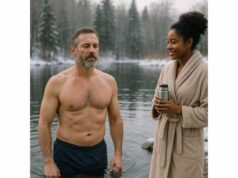
Cold acclimation works best when the nervous system learns that cold is a manageable signal, not an emergency. A sudden ice plunge forces a strong gasp, fast breathing, blood pressure spike, and stress response. Gradual exposure builds tolerance with less panic and fewer barriers to consistency.
The most useful cold practice is the one you repeat safely. That might mean ending a warm shower with 20 seconds of cool water, taking brisk walks in lighter layers, or using short cold-water dips after several weeks of preparation. The benefit comes from repeated small signals: better control of breathing, less dramatic cold shock, improved comfort in lower temperatures, and a more deliberate recovery rhythm.
Cold is a hormetic stressor, meaning a modest challenge prompts adaptation. Too much too soon turns that signal into strain. A good plan starts gently, progresses slowly, and treats calm breathing as the first marker of readiness.
Table of Contents
- Why Gradual Cold Acclimation Works
- Start With Low-Friction Cold
- Build a Practice That Progresses
- Choose a Dose You Can Repeat
- Track Signals and Adjust
- Stay Safe With Cold Water
- Combine Cold With Training and Recovery
- Make Cold Acclimation Stick
Why Gradual Cold Acclimation Works
Cold exposure starts at the skin. Temperature receptors detect the drop, and the brain quickly shifts the body into protection mode. Blood vessels in the skin tighten to preserve heat. Breathing speeds up. Heart rate and blood pressure often rise. The body releases stress chemicals, including norepinephrine, that increase alertness and fuel mobilization.
This first reaction is useful in nature, but it feels intense when cold arrives suddenly. Cold water creates a stronger response than cold air because water pulls heat away much faster. The first 30 to 90 seconds usually feel the most demanding. That window is where many people lose control of their breathing, tense their neck and shoulders, or quit before the body has time to settle.
Gradual acclimation trains three linked systems:
- Breathing control. The first win is staying out of panic. Slow nasal breathing or controlled mouth breathing reduces the feeling of alarm.
- Thermal tolerance. Repeated exposures lower the surprise factor. The same temperature feels less threatening after several sessions.
- Recovery speed. A useful dose leaves you alert and steady, then returns you to normal warmth without prolonged shivering or fatigue.
Cold acclimation sits within the broader idea of hormesis: a small stress followed by recovery builds resilience. That same principle applies to exercise, heat, fasting windows, and other adaptive challenges. A broad hormesis plan works best when each stressor has a clear dose and enough recovery.
At the cellular level, cold increases energy demand. Muscles produce heat through shivering when needed. Brown adipose tissue, often called brown fat, also contributes to heat production through non-shivering thermogenesis. Brown fat contains many mitochondria, the energy-producing structures inside cells, and uses fuel to generate heat. Adults vary widely in brown fat activity, so cold exposure is not a guaranteed fat-loss tool. Its more reliable value is nervous-system training, thermal comfort, and a structured resilience practice.
Cold also overlaps with mitochondrial signaling, AMPK activity, glucose handling, and inflammatory pathways, but the human evidence remains mixed. Strong claims about “boosting longevity” or “melting fat” oversell the research. A grounded view treats cold as a repeatable environmental signal that supports metabolic flexibility and stress tolerance when it does not crowd out sleep, strength training, nutrition, or cardiovascular care. For a broader evidence frame, cold practice fits naturally beside cold exposure benefits and safety, rather than replacing the basics.
Start With Low-Friction Cold
The easiest cold practice starts where friction is low: normal daily life. A person who hates cold water often does better with cold air first. A person who likes showers but fears plunges can use cool finishes. The early phase should feel challenging but not dramatic.
Start with one of these options for 10 to 14 days:
- Finish a warm shower with 10 to 30 seconds of cool water on the legs and arms.
- Take a 10- to 20-minute walk in cool weather while slightly underdressed, but not chilled.
- Wash the face with cool water while keeping breathing slow.
- Lower the final minute of a shower from warm to mildly cool, not icy.
- Stand outside after a warm indoor workout for 1 to 3 minutes in light clothing.
The first phase is not a toughness test. It teaches the body to meet mild cold without bracing. Keep the jaw soft, shoulders low, and breath steady. If the breath becomes frantic, the dose is too strong for that day.
Cold showers work well because they are easy to repeat. They also allow partial exposure. Start with hands, feet, forearms, and lower legs before moving toward the torso. The chest and upper back usually feel more intense because they cover a larger surface area and sit closer to the lungs and heart. Head and face exposure adds another reflex layer, so leave those out at first.
Cold air is gentler than water. A brisk walk in 5–12°C weather, wearing one fewer layer than usual, gives a steady thermal signal without the shock of immersion. The body produces heat through movement, which makes the experience easier to regulate. Stop before deep chill sets in.
A useful starting rule is simple: finish feeling clearer, not depleted. Mild skin redness, alertness, and a short shiver after exposure are normal. Long shivering, numb fingers, headache, chest tightness, or fatigue that lasts for hours means the dose was too high.
Use breathing as the entry point
Breathing tells the truth early. Before adding colder water or longer sessions, practice a calm breathing pattern:
- Exhale fully before the cold begins.
- Start the exposure while breathing out, not gasping in.
- Use slow breaths for the first 20 seconds.
- Keep the face relaxed.
- End the session while still in control.
Do not use breath holds during cold water practice. Breath holding, face immersion, and cold shock create competing reflexes that increase risk. Calm, continuous breathing is the safer skill.
Build a Practice That Progresses
A gradual plan gives the body repeated signals without forcing adaptation through discomfort alone. Progression should change one variable at a time: temperature, duration, surface area, or frequency. Changing all four at once turns training into guessing.
| Phase | Typical length | Cold dose | Progress marker |
|---|---|---|---|
| Ease in | 1–2 weeks | 10–30 seconds of cool shower finish or cool outdoor walks | Breathing stays controlled within 10–20 seconds |
| Extend | 2–4 weeks | 30–90 seconds of cool-to-cold shower, 3–5 times weekly | No panic, no long shivering, normal warmth returns quickly |
| Stabilize | 4–8 weeks | 1–3 minutes of cold shower or mild tub exposure | Session feels challenging but predictable |
| Optional deepen | After 8+ weeks | Short cold-water dips with supervision and conservative temperature | Full control before, during, and after exposure |
Most people do not need ice water. Water in the 15–20°C range already feels cold to an unacclimated person. Water under 15°C becomes more demanding, and single-digit Celsius water raises the stakes. The body does not award extra credit for suffering.
Frequency matters more than heroic duration. Three to five short exposures per week build familiarity faster than one extreme session on the weekend. Repetition teaches the cold-shock response to settle down. The nervous system learns the pattern: cold arrives, breathing stays steady, the body warms back up.
A good progression might look like this:
- Week 1: 20 seconds cool water at the end of three showers.
- Week 2: 30 seconds cool water at the end of four showers.
- Week 3: 45 seconds colder water on arms, legs, and torso.
- Week 4: 60–90 seconds cold shower, ending before hard shivering.
- Weeks 5–8: 1–3 minutes cold shower or mild tub exposure, 3–4 times weekly.
Hold a phase until it feels repeatable. Repeatability means you do not need a long negotiation with yourself before doing it. The practice still feels sharp, but it no longer feels chaotic.
This is where the hormesis dose-response idea becomes practical. Too little cold gives no meaningful signal. Too much cold creates a recovery burden. The useful zone sits between comfort and strain.
Choose a Dose You Can Repeat
Cold dose has four parts: temperature, time, surface area, and recovery. A colder temperature is not automatically better. A shorter, colder exposure and a longer, milder exposure create different experiences.
For most adults, these ranges are sensible:
- Cool shower finish: 30 seconds to 2 minutes.
- Cold shower: 1 to 3 minutes.
- Mild cold bath: 15–20°C for 2 to 5 minutes.
- Colder dip: 10–15°C for 30 seconds to 3 minutes, only after preparation.
- Ice water: below 10°C, best treated as advanced and optional.
The first dose should leave you able to speak in full sentences. If you cannot talk, cannot slow your breath, or feel trapped, end the exposure. A cold practice should train choice, not override it.
Cold water on the torso feels stronger than cold water on the limbs. Full immersion feels stronger than a shower because it cools more skin at once. Moving water feels colder than still water at the same temperature because it strips away the thin warm layer near the skin. A cold shower often feels harsher than its temperature suggests because the water keeps moving.
Time of day also matters. Morning cold often pairs well with alertness. Late-evening cold feels stimulating for some people and calming for others. Since sleep is more important than any cold routine, avoid late cold sessions if they delay sleep or raise nighttime restlessness. People who track sleep with wearables should focus on patterns over several weeks, not one unusual night. A practical view of sleep and wearables helps separate meaningful trends from noise.
Use the minimum effective dose
The minimum effective dose is the smallest cold exposure that produces the intended adaptation. For cold acclimation, that usually means:
- breathing settles faster;
- the same temperature feels less alarming;
- hands and feet recover warmth in a reasonable time;
- mood or alertness improves without a crash;
- the routine remains easy to repeat.
More cold is useful only when it improves those markers. Longer sessions that create dread, poor sleep, or fatigue work against consistency. The body adapts during recovery, not during the most dramatic part of the plunge.
Rewarming is part of the dose
After cold exposure, dry off quickly and dress warmly. Move gently if needed. Warm drinks, light walking, and warm clothing support natural rewarming. Avoid scalding showers immediately after intense cold, especially after deeper immersion, because rapid heating of the skin can feel unpleasant and does not fix internal cooling instantly.
Mild shivering for a few minutes is common. Violent shivering, clumsy hands, confusion, blue lips, or feeling unusually sleepy are warning signs. End the experiment and rewarm safely.
Track Signals and Adjust
Cold acclimation becomes safer and more useful when you track a few signals. You do not need a spreadsheet with 20 variables. A simple log turns cold exposure from a dare into a controlled practice.
Track these after each session:
| Signal | Useful range | Adjust when |
|---|---|---|
| Breath control | Settles within 10–30 seconds | Gasping continues or panic rises |
| Shivering | None to mild, short-lived | Hard shivering lasts more than 10–15 minutes |
| Warmth return | Comfort returns within 15–30 minutes | Hands, feet, or core stay chilled for a long time |
| Mood and energy | Clearer, steadier, more awake | Irritable, wired, drained, or unusually tired |
| Sleep | Unchanged or improved | Sleep onset worsens or nighttime waking increases |
| Resting heart rate or HRV | Stable over weekly trends | Resting heart rate rises or HRV drops for several days |
Resting heart rate and heart rate variability are useful only when read as trends. A single low HRV morning does not prove cold was harmful. Several days of elevated resting heart rate, lower HRV, poor sleep, and low motivation suggest the total stress load is too high. People already tracking resting heart rate and HRV can use cold sessions as a small experiment: add the practice, keep the rest of the routine steady, and watch the weekly pattern.
Blood pressure deserves special attention. Cold often raises blood pressure through vasoconstriction and sympathetic activation. Anyone with hypertension, chest pain history, vascular disease, or uncertain cardiovascular risk should be conservative and speak with a clinician before cold-water immersion. At-home readings, taken properly, give better context than guessing. A clear routine for home blood pressure measurement is especially useful before experimenting with strong cold.
Adjust by one step, not by quitting
When the dose feels too high, reduce one variable:
- Make the water slightly warmer.
- Shorten the session by 30–60 seconds.
- Keep cold on limbs instead of torso.
- Drop from five sessions weekly to three.
- Move cold away from hard training days.
- Add a longer warm-up before exposure.
Quitting is not the only safe response. Smaller doses often restore progress.
Stay Safe With Cold Water
Cold water safety starts before the first plunge. The riskiest moment is sudden immersion, especially in water cold enough to trigger a gasp and rapid breathing. Cold shock can overpower intention. This is why gradual exposure, shallow settings, and supervision matter.
Avoid cold-water immersion or get medical clearance first if you have:
- known coronary artery disease, angina, heart failure, or serious arrhythmia;
- uncontrolled high blood pressure;
- history of fainting, seizures, or unexplained blackouts;
- Raynaud’s phenomenon that causes severe color change or pain;
- cold urticaria or swelling triggered by cold;
- neuropathy that reduces temperature sensation;
- current fever, infection, or major fatigue;
- alcohol, sedatives, or recreational drugs in your system.
Cold water and breathwork should stay separate. Do not hyperventilate before immersion. Do not hold your breath under cold water. Do not combine face submersion with breath holds. The mix of cold shock, diving reflex, and low carbon dioxide from overbreathing raises avoidable risk.
Use these rules for safer practice:
- Start in a shower or controlled tub before open water.
- Keep water shallow enough to stand or exit easily.
- Never do cold open-water swimming alone.
- Skip cold water during storms, darkness, strong currents, or unsafe footing.
- Set a timer before entering.
- Enter slowly enough to keep control.
- Keep the head above water.
- Leave before numbness, confusion, or intense shivering.
- Warm up with dry clothes and a warm environment.
The “fight through it” mindset is the wrong tool for cold water. The better standard is calm control. If the body sends a clear warning, respect it early.
Cold shock is not the same as hypothermia
Cold shock happens fast, often in the first minute. It involves gasping, fast breathing, a racing feeling, and a strong urge to escape. Hypothermia takes longer and means core body temperature has dropped too far. A person can get into trouble from cold shock long before true hypothermia develops.
Swimming ability does not cancel cold shock. Strong swimmers still gasp, lose coordination, and struggle in cold water. Cold also weakens hands and arms over time, which makes ladders, rocks, and exits harder to use. Plan the exit before entering.
Combine Cold With Training and Recovery
Cold exposure should support the week, not compete with it. Training, sauna, fasting, poor sleep, work stress, and cold all draw from the same recovery budget. A small cold dose often feels energizing. A large cold dose on top of heavy training and short sleep turns into extra strain.
Strength training deserves special planning. Cold-water immersion soon after lifting reduces soreness for some people, but frequent cold immersion immediately after hypertrophy-focused training is not ideal when muscle growth is the priority. Muscle adaptation relies partly on local inflammation and signaling after training. Blunting that signal every session is unnecessary.
Use these timing rules:
- Put cold showers in the morning or away from lifting when building muscle.
- Leave at least 4–6 hours between hard strength training and cold immersion when possible.
- Use cold after endurance work if it helps recovery and does not affect sleep.
- Avoid intense cold after a long fast, poor sleep, or a very hard workout.
- Use mild cold on deload weeks rather than stacking it onto peak training weeks.
Cold pairs well with easy movement. A short walk after a cold shower supports rewarming and helps the nervous system settle. Cold also works well on non-lifting days as a small alertness practice.
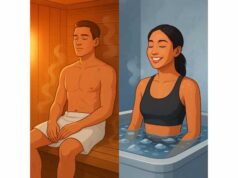
Heat and cold together need restraint. Sauna followed by cold water feels powerful because it creates a strong contrast. The cardiovascular system shifts quickly between vasodilation from heat and vasoconstriction from cold. Healthy, acclimated people often enjoy this rhythm, but beginners should not jump from intense sauna into icy water. A safer contrast routine starts with moderate heat, brief cool water, and full control between rounds. A dedicated contrast therapy routine should build both sides gradually.
Recovery after cold matters as much as exposure. Sleep, hydration, enough food, and calm rewarming shape the adaptation. When cold leaves you wired, chilled, or craving extra stimulants, reduce the dose. Good recovery after hormetic stress keeps the practice from becoming another source of burnout.
Make Cold Acclimation Stick
Cold acclimation sticks when it becomes boring in the best way: simple, repeatable, and tied to an existing routine. Motivation rises and falls. A small default beats an ambitious ritual that needs perfect conditions.
Choose one default practice:
- 30 seconds cool water after the normal shower;
- 2 minutes cool water on Monday, Wednesday, and Friday;
- 10 minutes brisk outdoor walking after lunch in cool weather;
- 1 short cold shower on non-lifting days;
- 1 supervised mild cold dip weekly after several weeks of preparation.
Attach the practice to something that already happens. After brushing teeth. After training. Before breakfast. After the morning dog walk. The fewer decisions involved, the more durable the habit becomes.
Seasonal changes help. Autumn is a natural time to begin because air and water temperatures decline gradually. Winter requires more caution, especially with open water and wind. Spring often feels easier because the body has built tolerance. Summer cold showers are useful for maintenance, but they do not create the same environmental challenge unless the water is genuinely cool.
A sustainable practice also has pause rules. Pause or reduce cold exposure during illness, poor sleep streaks, major life stress, injury flare-ups, or unusually high training load. Resilience includes knowing when not to add stress. A well-designed longevity routine leaves room for adaptation, not just effort. Broader sustainability and relapse prevention principles apply directly here: make the desired behavior easy, make the risky version inconvenient, and restart small after breaks.
A simple weekly template
For a beginner with no major medical concerns, a steady week might look like this:
- Monday: 30–60 seconds cool shower finish.
- Tuesday: No cold; strength training focus.
- Wednesday: 60 seconds cold shower, calm breathing.
- Thursday: Cool outdoor walk.
- Friday: 1–2 minutes cold shower, stop before hard shivering.
- Saturday: Optional mild exposure or rest.
- Sunday: No cold; review sleep, mood, and recovery.
For an intermediate person, the week might include three 2-minute cold showers and one mild tub session at 15–18°C for 3–5 minutes. Advanced ice-water work is optional, not a required destination.
The strongest sign of progress is not longer time in colder water. It is a calmer first minute, faster rewarming, and less mental resistance. Cold acclimation should leave you more capable in daily life: less bothered by chilly weather, more confident under discomfort, and better at downshifting after a stress signal.
When cold becomes a controlled practice rather than a shock ritual, it turns into a useful longevity tool: small stress, clear recovery, repeated over time.
References
- Effects of cold-water immersion on health and wellbeing: A systematic review and meta-analysis 2025 (Systematic Review)
- Habituation of the cold shock response: A systematic review and meta-analysis 2024 (Systematic Review)
- Metabolic Effects of Brown Adipose Tissue Activity Due to Cold Exposure in Humans: A Systematic Review and Meta-Analysis of RCTs and Non-RCTs 2024 (Systematic Review)
- The Effects of Intermittent Cold Exposure on Adipose Tissue 2023 (Review)
- Health effects of voluntary exposure to cold water – a continuing subject of debate 2022 (Review)
- Cardiovascular diseases, cold exposure and exercise 2018 (Review)
Disclaimer
This article is educational and does not replace care from a qualified health professional. Cold exposure places real stress on the cardiovascular and respiratory systems, especially during cold-water immersion. People with heart disease, uncontrolled blood pressure, fainting history, cold-triggered reactions, pregnancy, or significant medical concerns should get individualized guidance before trying cold-water routines.