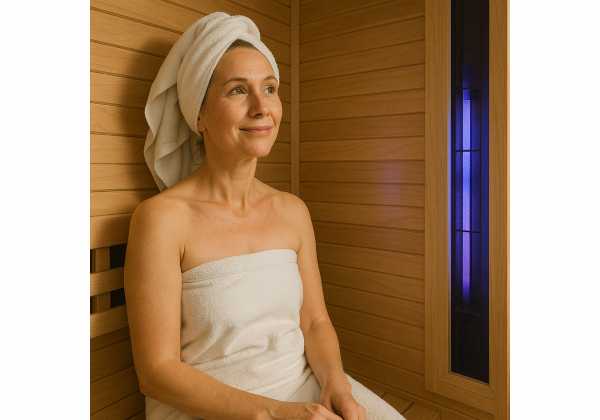
Sauna bathing gives the body a controlled heat challenge. Used well, that challenge raises heart rate, increases sweating, expands blood vessels, and activates cellular stress-response systems that help the body adapt. The benefit does not come from suffering through extreme heat. It comes from a repeatable dose that is strong enough to signal repair and resilience, yet mild enough to recover from.
For cellular health, sauna fits best as a hormetic practice: a small stress followed by adequate recovery. Heat exposure interacts with heat shock proteins, blood-flow regulation, mitochondrial signaling, inflammation control, and nervous-system relaxation. It also carries real risks when people overdo the heat, ignore dehydration, combine it with alcohol, or use it with unstable medical conditions. A good sauna plan starts conservatively, tracks how the body responds, and builds slowly.
Table of Contents
- How Sauna Supports Cellular Health
- Choosing the Right Sauna Dose
- A Beginner Sauna Protocol That Builds Tolerance
- Timing Sauna With Exercise, Food, and Sleep
- Hydration, Electrolytes, and Recovery
- Who Should Use Extra Caution
- Common Mistakes That Reduce Benefit
- How to Track Your Response
How Sauna Supports Cellular Health
Sauna works by raising skin temperature, increasing circulation, and nudging core temperature upward. A traditional Finnish sauna often runs around 80–100°C at head height, with lower heat near the floor and low humidity. Infrared saunas usually operate at lower air temperatures, often around 45–65°C, while steam rooms use lower temperatures with much higher humidity. These are different heat environments, so session length and tolerance do not transfer perfectly from one type to another.
The cellular value of sauna comes from repeated adaptation. Heat is a stressor, and the body responds by improving its ability to handle future stress. That pattern sits inside the broader idea of building a safe hormesis plan: dose, recover, repeat, and avoid turning a helpful signal into chronic strain.
Heat exposure affects several systems at once:
- Heat shock proteins: These proteins help protect and refold damaged proteins, supporting proteostasis, the cell’s protein quality-control system.
- Blood vessel function: Heat widens blood vessels and increases blood flow, which trains vascular responsiveness over time.
- Mitochondrial signaling: Mild heat stress raises energy demand and appears to influence pathways linked with mitochondrial renewal and efficiency.
- Redox signaling: Heat creates a temporary rise in oxidative signaling. In the right dose, that signal supports adaptation rather than damage.
- Inflammation tone: Regular sauna use has been linked with healthier inflammatory patterns, although human evidence varies by population and study design.
- Autonomic balance: Heat raises heart rate during the session, then often promotes relaxation after cooling down.
Heat shock proteins deserve special attention because they are one of the clearest cellular links. Proteins must fold into the right shape to work. Heat, illness, aging, toxins, and metabolic stress all make protein maintenance harder. Heat shock proteins act like cellular chaperones, helping preserve protein function under stress. Sauna is one practical way to stimulate that system, alongside exercise and other controlled stressors. A deeper look at heat shock proteins and healthy aging helps explain why heat stress is more than simple relaxation.
Sauna also overlaps with mitochondrial health. During heat exposure, the heart works harder, blood flow shifts toward the skin, and the body increases cooling efforts. This raises energy demand without mechanical load on joints. That does not make sauna a replacement for exercise, but it does make it a useful passive stressor on rest days or after easy training. The signal resembles exercise in some cardiovascular ways, but it lacks the muscle loading, coordination, balance, and bone benefits of physical training.
Autophagy is often discussed with sauna, but the claim needs care. Autophagy is the cell’s recycling process for worn-out components. Heat stress interacts with stress-response pathways that overlap with repair and cleanup, but sauna should not be sold as a direct “autophagy switch.” Fasting, exercise, sleep quality, nutrient status, and overall energy balance all shape autophagy. Sauna belongs in the same repair-oriented toolkit, not as a stand-alone replacement for the basics of autophagy for healthy aging.
The strongest human evidence for sauna relates more to cardiovascular function and long-term health associations than to direct measurements inside human cells. Observational studies link frequent Finnish sauna bathing with lower risk of several cardiovascular outcomes, while controlled trials show improvements in some markers such as blood pressure, cardiorespiratory fitness, and vascular function in specific groups. Cellular mechanisms make those findings biologically plausible, but the practical message stays simple: use sauna as a steady conditioning tool, not as a cure.
Choosing the Right Sauna Dose
The right sauna dose is the lowest dose that gives a clear heat signal and leaves you feeling recovered afterward. More heat, longer sessions, and extra rounds are not automatically better. Heat stress follows a dose-response curve. Too little does very little. A moderate dose builds adaptation. Too much creates dehydration, sleep disruption, headaches, dizziness, or next-day fatigue.
A useful starting range for healthy adults is 10–15 minutes per session, 2–3 times per week, at a heat level that feels challenging but controlled. After 2–4 weeks, many people tolerate 15–20 minutes. Experienced sauna users sometimes use 2–3 rounds with cooling breaks, but beginners rarely need that much.
| Experience level | Typical session | Weekly frequency | Best use |
|---|---|---|---|
| New user | 5–10 minutes, one round | 1–2 times | Testing tolerance and learning body signals |
| Beginner | 10–15 minutes, one round | 2–3 times | Building a consistent heat habit |
| Intermediate | 15–20 minutes, one or two rounds | 3–4 times | Cardiovascular and recovery routine |
| Experienced | Two to three 10–20 minute rounds with cooling breaks | 3–5 times | Heat acclimation, relaxation, and structured hormesis |
Temperature changes the dose. Ten minutes in a very hot Finnish sauna is not the same as ten minutes in a mild infrared cabin. Humidity also matters. Steam rooms feel intense at lower temperatures because humid air limits sweat evaporation. In high humidity, the body loses one of its main cooling tools, so overheating can develop faster than the thermometer suggests.
Use these dose rules:
- Start below your limit. Leave while you still feel steady, not after symptoms appear.
- Increase only one variable at a time. Add minutes, frequency, or heat, not all three at once.
- Use cooling breaks. Sit or stand in a cooler area for 5–15 minutes between rounds.
- Stop at warning signs. Dizziness, nausea, chest discomfort, confusion, pounding headache, or feeling faint means the session is over.
- Avoid competitive heat exposure. The body does not award extra cellular benefit for ignoring distress.
A sauna plan should match the wider weekly stress load. Hard intervals, heavy lifting, fasting, poor sleep, alcohol, emotional stress, illness, and sauna all draw from the same recovery budget. If several stressors stack together, the sauna dose should shrink. This is the core lesson of hormesis dose-response: the signal helps only when recovery keeps up.
A Beginner Sauna Protocol That Builds Tolerance
A safe beginner protocol keeps the first month almost boring. The purpose is to build heat tolerance, sweating efficiency, and confidence without triggering symptoms. Many people quit sauna because they start too aggressively, then associate the practice with headaches, exhaustion, or poor sleep.
Start with a simple four-week progression.
| Week | Session length | Frequency | Instructions |
|---|---|---|---|
| Week 1 | 5–8 minutes | 1–2 sessions | Sit on a lower bench, breathe normally, leave early if heat feels sharp or stressful. |
| Week 2 | 8–12 minutes | 2 sessions | Use the same temperature. Focus on relaxed breathing and a slow cooldown. |
| Week 3 | 10–15 minutes | 2–3 sessions | Add a few minutes only if recovery has been smooth. |
| Week 4 | 12–20 minutes | 2–3 sessions | Stay with one round or add a second short round after a full cooling break. |
Before entering, remove heavy clothing, jewelry, and anything that traps heat. Sit or recline comfortably. Keep breathing calm and natural. A sauna is not the place for intense breath-holding, maximal stretching, or “mental toughness” experiments. The body is already handling a strong thermal load.
During the session, notice three signals: heat intensity, mental clarity, and cardiovascular comfort. It is normal for heart rate to rise and sweating to increase. It is not normal to feel faint, confused, panicky, or pressured in the chest. Leave immediately if those symptoms appear.
After the session, cool down gradually. A shower, cool room, or outdoor air works well. Cold plunges are optional, not required. Sudden cold exposure after heat adds another stressor, and it is too much for some people. Anyone with cardiovascular disease, fainting history, arrhythmia, or blood pressure instability should avoid aggressive hot-cold transitions unless a clinician has cleared that practice. For readers who want to combine temperatures, contrast therapy for longevity deserves its own careful plan.
A good beginner sauna session ends with a stable mood, mild relaxation, normal thinking, and no next-day penalty. If you feel drained, your dose was too high. Reduce the next session by 25–50%, use a lower bench, or add more time between sessions.
Timing Sauna With Exercise, Food, and Sleep
Sauna timing changes how it feels and how it affects recovery. The best time is the one that supports consistency without hurting training, sleep, hydration, or appetite.
Post-exercise sauna is popular because the body is already warm and circulation is elevated. This can work well after easy aerobic training, moderate strength work, or mobility sessions. It is less ideal after a brutal workout that already pushed the nervous system hard. In that case, sauna can turn a productive training stress into a recovery problem.
Sauna after exercise fits best when:
- the workout was moderate, not maximal;
- you have time to cool down before leaving;
- you rehydrate and eat normally afterward;
- your next hard training session is not scheduled too soon;
- sleep remains stable that night.
Sauna before exercise is usually less useful. Heat exposure can reduce performance by raising body temperature and fluid loss before training begins. A short, mild sauna before gentle mobility may feel good, but it should not replace a normal warm-up. For strength, power, intervals, or skill work, save sauna for later.
Food timing matters too. A heavy meal right before sauna often feels uncomfortable because digestion and heat stress both demand blood flow. A completely empty, dehydrated state can also increase lightheadedness. Most people do best with sauna at least 1–2 hours after a large meal, or after a light snack if needed.
Evening sauna can support relaxation, but timing is personal. Some people sleep better after sauna because the cooldown period helps the body shift toward rest. Others feel wired if they sauna too late or too hot. Finish at least 1–2 hours before bed at first, then adjust based on sleep quality. If evening heat raises resting heart rate or reduces deep sleep on your wearable, move sessions earlier or shorten them.
Sauna also intersects with mTOR and AMPK, two nutrient- and energy-sensing pathways often discussed in longevity. mTOR supports growth and rebuilding, especially after protein-rich meals and resistance training. AMPK responds to energy stress and supports metabolic adaptation. Sauna creates a heat and energy-demand signal, but it does not replace the stronger pathway effects of training, fasting, and nutrition. A balanced weekly rhythm alternates building and repair signals, which is the same theme behind mTOR and AMPK timing for longevity.
Avoid combining sauna with long fasts, hard training, and cold plunges all in the same session when starting out. That stack may look efficient, but it often overloads recovery. Cellular health improves through repeated adaptation, not through cramming every stressor into one heroic routine.
Hydration, Electrolytes, and Recovery
Sweating is a cooling system, not proof of detoxification. The body removes most waste products through the liver, kidneys, lungs, and digestive tract. Sweat contains water, sodium, chloride, small amounts of potassium, and trace substances. Losing sweat without replacing fluids raises the risk of headache, fatigue, dizziness, and poor recovery.
A simple hydration routine works for most healthy adults:
- Drink water earlier in the day instead of chugging right before the sauna.
- Have 250–500 mL of water in the hour before a session if you are thirsty or underhydrated.
- Drink to thirst after the session.
- Add electrolytes or salty food after longer sessions, heavy sweating, or post-exercise sauna.
- Avoid alcohol before and after sauna.
Sodium deserves special attention. A person who eats a very low-sodium diet, sweats heavily, uses diuretics, or combines sauna with endurance training may feel weak or headachy after sessions. In that case, water alone may not solve the problem. Broth, mineral water, salted meals, or an electrolyte drink can help replace what sweat removed. People with heart failure, kidney disease, uncontrolled hypertension, or sodium restrictions should follow clinician guidance rather than self-prescribing salt.
Recovery also includes cooling down. After heat exposure, blood vessels remain widened for a while. Standing up quickly, taking a very hot shower, or rushing out into daily stress can trigger lightheadedness. Sit, breathe, shower comfortably, and let heart rate settle.
Sleep is part of the adaptation. Heat stress activates cellular signals, but the body builds resilience afterward. Poor sleep after sauna means the total dose was wrong, even if the session felt impressive. Late timing, excess heat, dehydration, and too many rounds are common causes.
Recovery quality matters even more when sauna is used with exercise. Strength training, Zone 2, intervals, and sauna all have benefits, but each requires resources. Protein, carbohydrates around harder training, minerals, fluids, and sleep help turn the stress signal into adaptation. The same principle appears across recovery after hormetic stress: the session creates the prompt, but recovery writes the result.
Who Should Use Extra Caution
Sauna is well tolerated by many healthy adults, but heat exposure is not risk-free. The main concerns are overheating, dehydration, fainting, blood pressure changes, and cardiovascular strain. Some people should avoid sauna unless a qualified clinician has reviewed their situation.
Use extra caution, or seek medical guidance first, if you have:
- unstable angina, recent heart attack, severe aortic stenosis, or advanced heart failure;
- uncontrolled high blood pressure or frequent low blood pressure symptoms;
- arrhythmias, fainting episodes, or unexplained dizziness;
- kidney disease or fluid restrictions;
- neurological conditions that impair sweating, temperature sense, or balance;
- active fever, infection, vomiting, diarrhea, or dehydration;
- pregnancy or a high-risk pregnancy;
- medications that affect sweating, alertness, blood pressure, or fluid balance.
Medication review matters. Diuretics, beta blockers, nitrates, blood pressure medications, anticholinergic drugs, sedatives, stimulants, and some psychiatric medications can change heat tolerance. That does not mean every person using these medicines must avoid sauna. It means the first sessions should be conservative, and medical guidance is wise when risk is unclear.
Alcohol and sauna are a dangerous mix. Alcohol increases dehydration risk, impairs judgment, worsens balance, and can intensify blood pressure changes. It also makes it harder to notice early warning signs. Sauna after drinking, or drinking during sauna rounds, is one of the clearest habits to avoid.
Older adults can use sauna safely when healthy and acclimated, but they should start lower and slower. Heat tolerance, thirst signals, vascular flexibility, and medication use change with age. A lower bench, shorter sessions, a seated cooldown, and a partner nearby all improve safety.
Stop immediately if you feel chest pain, severe shortness of breath, faintness, confusion, nausea, weakness, or a pounding headache. Cool down, drink fluids if alert and able, and seek urgent help for chest pain, fainting, severe confusion, or symptoms that do not resolve.
Common Mistakes That Reduce Benefit
The most common sauna mistake is chasing intensity instead of adaptation. Cellular stress signaling works best when the body can answer the signal. Extreme sessions may feel productive, but they often create a recovery debt.
Staying in too long
Long sessions raise the risk of dehydration and overheating. A 12-minute session that you repeat three times per week beats a 35-minute ordeal that leaves you wiped out. Leave before symptoms force you out.
Using sweat as a success score
Sweat rate varies by heat acclimation, fitness, room conditions, hydration, genetics, body size, and recent activity. More sweat does not mean more toxins left the body. It often means you lost more fluid and sodium.
Stacking too many stressors
Hard workout, fasting, sauna, cold plunge, low-carb eating, and short sleep make a poor combination for most people. Choose the main stressor of the day. Let the others support it or reduce them.
Ignoring the cooldown
Many symptoms occur after the session, not during it. Blood pressure can fall during cooldown, especially if you stand quickly. Treat the cooldown as part of the protocol.
Expecting sauna to replace exercise
Sauna raises heart rate and challenges circulation, but it does not build muscle, bone, balance, tendon strength, or movement skill. Use it beside training, not instead of training.
Over-suppressing the signal
Some people take high-dose antioxidant supplements around every stressor because they fear oxidative stress. That misses an important distinction: temporary redox signaling helps adaptation, while chronic oxidative burden harms tissues. Food-based antioxidants from plants are sensible; aggressive supplement dosing around hormetic stress is a more complicated choice. The idea is explained further in redox balance and antioxidants.
Copying elite protocols
Athletes, lifelong sauna users, and heat-acclimated people tolerate more than beginners. Their routines are not a starting template. Use your own recovery markers, not someone else’s highlight reel.
How to Track Your Response
Tracking makes sauna safer and more useful. You do not need complex lab testing to start. A few simple markers reveal whether the dose fits.
Before the session, note energy, hydration, recent sleep, and training load. During the session, notice heat comfort, breathing, heart rate, and mental clarity. Afterward, track mood, headache, dizziness, appetite, sleep, and next-day readiness.
A good sauna dose usually produces:
- pleasant warmth and sweating during the session;
- relaxation during cooldown;
- normal appetite and thirst afterward;
- stable sleep or better sleep;
- normal training readiness the next day;
- no lingering headache, dizziness, or heavy fatigue.
A dose that is too high often produces:
- lightheadedness or nausea;
- headache later that day;
- unusual irritability or fatigue;
- elevated resting heart rate at night;
- lower heart rate variability for more than a day;
- poor workout performance the next day;
- strong thirst with dark urine.
Wearables can help, but they should not overrule symptoms. Resting heart rate and heart rate variability are useful recovery signals when viewed as trends. A single poor reading does not prove harm. A repeated pattern of worse sleep, higher night heart rate, and lower readiness after sauna means the session is too hot, too long, too late, or too close to hard training.
Blood pressure tracking helps people with hypertension or low blood pressure tendencies. Measure at home under consistent conditions, not immediately after stepping out of the sauna. If readings become unstable or symptoms appear, stop and ask a clinician for guidance. People already tracking home blood pressure for longevity can add sauna notes to see whether timing, hydration, or session length affects their pattern.
For cellular-health goals, the best sauna plan is steady and repeatable. Two to four well-recovered sessions per week will usually outperform sporadic extremes. As tolerance improves, you can choose a maintenance plan: short sessions for relaxation, moderate sessions after easy training, or occasional multi-round sauna with full cooling breaks. The winning dose is the one you can recover from, repeat, and keep using safely for years.
References
- Non-acute effects of passive heating interventions on cardiometabolic risk and vascular health: systematic review and meta-analysis of randomized controlled trials 2025 (Systematic Review)
- The multifaceted benefits of passive heat therapies for extending the healthspan: A comprehensive review with a focus on Finnish sauna 2024 (Review)
- Effects of regular sauna bathing in conjunction with exercise on cardiovascular function: a multi-arm, randomized controlled trial 2022 (RCT)
- Does the Combination of Finnish Sauna Bathing and Other Lifestyle Factors Confer Additional Health Benefits? A Review of the Evidence 2023 (Review)
- Clinical Effects of Regular Dry Sauna Bathing: A Systematic Review 2018 (Systematic Review)
- Benefits and risks of sauna bathing 2001 (Review)
Disclaimer
This article is educational and does not replace care from a qualified health professional. Sauna exposure changes heart rate, blood pressure, fluid balance, and heat load, so people with medical conditions, pregnancy, medication concerns, or symptoms during heat exposure should get individualized guidance before using sauna.