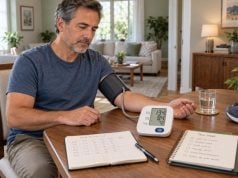
Chronic stress can raise heart-disease risk, but not because every stressful day directly damages the heart. The risk builds through repeated activation of the nervous and hormonal stress systems, changes in blood pressure and blood-vessel function, inflammation, sleep disruption, and behaviors such as smoking, drinking, inactivity, and stress eating. People exposed to persistent psychological distress also have higher rates of cardiovascular disease in large observational studies.
The relationship is real but complex. Stress is difficult to measure, people respond differently to the same event, and many social and medical factors travel with chronic stress. That means stress should be treated as one cardiovascular risk factor among many—not as a substitute explanation for high LDL, hypertension, diabetes, or smoking. The practical response is to identify persistent stressors, protect sleep and physical activity, use effective coping tools, and treat anxiety, depression, PTSD, or other conditions when present. Reducing stress helps most when it improves both physiology and the daily habits that shape long-term heart risk.
Table of Contents
- How chronic stress affects the heart
- What the research shows about heart risk
- Stress, blood pressure, and blood vessels
- Stress, inflammation, glucose, and metabolism
- How stress changes heart-health behaviors
- Which types of stress matter
- How to reduce stress-related heart risk
How chronic stress affects the heart
The body’s stress response is designed for short-term survival. When the brain perceives a threat, the sympathetic nervous system and the hypothalamic-pituitary-adrenal axis become more active. Adrenaline and related hormones increase heart rate and blood pressure, while cortisol helps mobilize energy.
That response is useful during an emergency. The problem is repeated activation without enough recovery. Chronic work strain, caregiving, financial insecurity, trauma, social conflict, discrimination, loneliness, chronic illness, and other persistent stressors can keep the system switching on again and again.
Recovery is part of the biology. A stressful event followed by normal sleep, movement, social connection, and a return to baseline is different from weeks of high demands with little chance to recover. When the body repeatedly enters a high-alert state, temporary changes in heart rate, vascular tone, sleep, and appetite can become a more persistent pattern. That is one reason both the intensity of stress and the time available for recovery matter.
Researchers often use the term allostatic load to describe the cumulative wear associated with repeated adaptation to stress. The concept does not mean stress hormones are always high. Rather, the normal rhythm and regulation of multiple systems can become less flexible over time.
Potential cardiovascular pathways include:
- More frequent elevations in heart rate and blood pressure
- Changes in blood-vessel tone and endothelial function
- Greater sympathetic nervous-system activity
- Altered cortisol signaling
- Increased inflammatory and immune activity
- Greater platelet activation in some settings
- Worse glucose control and insulin resistance
- Changes in sleep, appetite, body weight, and activity
A 2024 review of stress and cardiovascular disease emphasized that hemodynamic, vascular, immune, and autonomic responses appear to be important links between recurring stress and cardiovascular risk. These pathways interact rather than operating separately.
What the research shows about heart risk
People with high psychological distress have a higher average risk of developing cardiovascular disease than people with little or no distress. A 2022 systematic review and meta-analysis involving more than 650,000 participants found that clinically significant psychological distress on screening measures was associated with about a 28% higher risk of incident cardiovascular disease.
That does not prove that stress alone caused the extra events. Observational studies cannot fully remove differences in income, sleep, smoking, diet, healthcare access, preexisting illness, and other factors. Still, the association has appeared across multiple populations and types of psychological distress.
Biological studies support plausibility. A 2024 meta-analysis of stress hormones found that people with higher levels of cortisol, epinephrine, or norepinephrine had higher cardiovascular risk on average. Again, those findings are associations rather than a simple formula in which one cortisol measurement predicts a heart attack.
This distinction matters because cortisol is not a routine cardiovascular screening test. Levels vary with time of day, illness, medication, sleep, and many other factors. If you feel chronically stressed, measuring cortisol usually does not provide the same actionable information as checking blood pressure, cholesterol, glucose, smoking status, sleep, and symptoms.
The American Heart Association has also highlighted a broader “mind-heart-body” connection: psychological health can influence cardiovascular health in both negative and positive directions. Emotional well-being, social connection, and effective coping can support healthier behavior and physiologic regulation.
Stress raises probability, not destiny
Stress is not a guarantee of heart disease. Many people experience difficult periods without developing cardiovascular disease, while others develop disease with little perceived stress. Genetics, age, cholesterol exposure, blood pressure, diabetes, smoking, kidney disease, activity, and many other factors still matter.
A useful way to think about stress is as a risk multiplier. It can push several other risk factors in the wrong direction at once, especially when it is intense, chronic, and paired with poor recovery.
Why your response matters as much as the stressor
Two people can face the same deadline, caregiving role, or financial problem and show very different cardiovascular responses. Genetics, previous trauma, sleep, fitness, social support, mental-health conditions, and learned coping all shape stress reactivity. Some people show large increases in heart rate and blood pressure during a challenge; others show smaller changes and recover quickly.
Recovery is important because the cardiovascular system is designed to move back toward baseline after a threat. A stressful event followed by sleep, movement, social support, and a return to normal routines is different from repeated activation with no recovery period. This is one reason chronic unpredictability and lack of control can feel especially draining.
You do not need to monitor your stress hormones to assess this pattern. More useful clues are practical: Are you sleeping worse? Is your resting blood pressure trending upward? Are you drinking more, skipping exercise, or relying on nicotine? Do you stay physiologically “revved up” long after the stressful event ends? Those changes identify places where intervention can be concrete.
Stress, blood pressure, and blood vessels
Acute stress can raise blood pressure within minutes. Heart rate rises, cardiac output increases, and blood vessels may constrict. When the stressor ends, pressure often falls toward baseline.
The relationship with chronic hypertension is less direct. Persistent stress can contribute, but high blood pressure is usually multifactorial. Sodium intake, body weight, physical activity, alcohol, sleep apnea, kidney function, genetics, age, and medication all matter.
Repeated blood-pressure surges may still be important. Blood vessels are exposed to mechanical stress each time pressure rises, and people who are highly reactive to stress may spend more time above their normal baseline. Chronic stress can also reduce the behaviors that keep pressure controlled.
If anxiety seems to cause large swings in your readings, stress-related blood pressure changes explains why numbers rise temporarily and how to tell that from persistent hypertension.
Stress may also affect arterial stiffness and endothelial function. The endothelium is the thin layer lining blood vessels that helps control dilation, clotting, and inflammation. Acute psychological stress has been shown to temporarily alter vascular function, and repeated episodes may contribute to longer-term dysfunction in vulnerable people.
Still, do not assume every chest sensation or blood-pressure spike is “just stress.” New chest pressure, major shortness of breath, fainting, or neurologic symptoms need appropriate medical evaluation even if they occur during an anxious period.
Stress, inflammation, glucose, and metabolism
Stress changes the way the body allocates energy. Cortisol and catecholamines help increase circulating glucose and fatty acids so the body has fuel available for action. In the short term, that is adaptive. Repeated activation can become less helpful when physical action never follows and recovery is poor.
Chronic psychological stress has been linked with insulin resistance, higher glucose, abdominal fat, and metabolic syndrome in some populations. A 2026 review of chronic stress, diabetes, and cardiovascular disease describes several proposed pathways, including HPA-axis activation, blood-pressure regulation, inflammation, and oxidative stress.
Inflammation is another possible bridge. Stress can alter immune signaling and raise inflammatory activity. Low-grade chronic inflammation is involved in atherosclerosis, the process in which plaque develops within artery walls. Stress is not the sole cause of that process, but it can interact with LDL-containing particles, smoking, diabetes, and other drivers.
This is why the effect of stress may be larger in someone who already has metabolic risk. A person with prediabetes, high blood pressure, abdominal obesity, and poor sleep has several overlapping pathways through which chronic stress can make control more difficult.
Sleep is especially important because it sits in the middle of the stress-metabolism relationship. Stress makes sleep harder, and sleep loss increases stress reactivity the next day. Repeated short nights can worsen appetite, glucose regulation, and blood pressure. See sleep deprivation and heart risk for the cardiovascular effects of that cycle.
How stress changes heart-health behaviors
For many people, the behavioral pathway is as important as the hormonal one. Chronic stress reduces planning bandwidth and increases the appeal of fast relief. That can change food, alcohol, nicotine, activity, and sleep at the same time.
Common patterns include:
- Skipping exercise because work or caregiving consumes the available time
- Eating more highly processed or energy-dense foods
- Drinking more alcohol to relax
- Smoking or vaping more often
- Sleeping later or waking during the night
- Missing medical appointments or forgetting medication
- Spending long periods sitting or scrolling as a form of escape
These behaviors can become self-reinforcing. Alcohol may make someone sleepy but fragment sleep later. Poor sleep then increases stress and appetite. Stress eating can add weight and worsen glucose or triglycerides, which creates more health worry.
If food is your main coping strategy, breaking the stress-eating cycle offers practical steps that do not rely on restrictive dieting.
The same principle applies to nicotine. Smoking can feel calming because it relieves nicotine withdrawal, yet nicotine itself raises heart rate and blood pressure and smoking directly damages cardiovascular health. If stress keeps triggering tobacco use, treating dependence and the stress trigger together is more effective than treating them as separate problems.
Medication adherence can be affected too. People under prolonged strain may miss refills, forget doses, or postpone follow-up appointments. Building automatic systems—pill boxes, phone reminders, synchronized refills, or help from family—can protect cardiovascular treatment during difficult periods when your usual routines are most likely to slip. Stress management is therefore not only about feeling calmer; it is also about making healthy actions easier and more automatic when attention, time, and energy are limited during difficult periods when your usual routines are most likely to slip.
Which types of stress matter
Research does not support the idea that only one kind of stress is harmful. Several forms of prolonged psychological burden have been associated with cardiovascular risk.
Work stress
High demands combined with low control, long hours, job insecurity, and poor recovery can contribute to chronic stress. The cardiovascular effect varies across occupations and individuals, and workplace stress often overlaps with sleep disruption, sedentary time, and socioeconomic factors.
Financial stress
A 2024 systematic review and meta-analysis linked financial stress with adverse cardiovascular outcomes. Financial strain can affect food access, medication adherence, housing stability, sleep, and healthcare access, so the pathway is both psychological and material.
Caregiving stress
Long-term caregiving can combine emotional strain, sleep disruption, physical demands, social isolation, and lack of time for self-care. The burden may be especially high when caregiving is intensive and support is limited.
Trauma and PTSD
PTSD is associated with increased cardiovascular risk. A 2024 meta-analysis involving more than 335,000 participants found higher rates of cardiovascular disease, myocardial infarction, and stroke among people with PTSD. PTSD may influence autonomic function, sleep, inflammation, smoking, substance use, and healthcare engagement.
PTSD is not simply “a lot of stress,” and it deserves specific treatment. Trauma-focused psychotherapy and other evidence-based mental-health care can be important parts of overall cardiovascular risk management.
Social stress and adversity
Discrimination, unsafe environments, housing insecurity, relationship violence, and social isolation can produce repeated stress while also limiting access to health-promoting resources. This is one reason “reduce your stress” can be inadequate advice. Some stressors require practical support, policy changes, safety planning, financial assistance, or changes in work conditions—not just breathing exercises.
How to reduce stress-related heart risk
The goal is not to eliminate stress. That is impossible. The goal is to reduce unnecessary exposure when you can, improve recovery, and prevent stress from pulling other cardiovascular risk factors out of control.
Start with the basics that have benefits beyond stress reduction:
- Move regularly. Aerobic exercise and strength training improve blood pressure, glucose control, fitness, and mood. Even short walks can interrupt both stress and sedentary time.
- Protect sleep. Keep a consistent wake time, reduce late-night work when possible, and seek evaluation for suspected sleep apnea.
- Use a repeatable calming practice. Slow breathing, mindfulness, yoga, progressive muscle relaxation, music, or time outside can lower acute arousal. Choose one you will actually repeat.
- Keep alcohol and nicotine out of the coping plan. Both can worsen cardiovascular risk even if they provide short-term relief.
- Maintain regular meals. Extreme hunger makes stress eating more likely and can destabilize energy and mood.
- Stay connected. Social support can reduce isolation and make practical problems easier to solve.
- Get treatment for persistent mental-health symptoms. Anxiety, depression, PTSD, panic, and insomnia are treatable conditions, not character flaws.
The guide to stress reduction for heart health and blood pressure provides a more detailed daily routine using breathing, movement, sleep, and other practical tools.
Measure the risks you can act on
If chronic stress is a major part of your life, use it as a reason to pay more attention to standard cardiovascular prevention, not less. Know your blood pressure, cholesterol, blood sugar when appropriate, smoking status, waist or weight trend, activity level, and family history.
Treating high LDL or hypertension is not somehow less important because stress contributed to the problem. Likewise, improving stress can be worthwhile even if cholesterol and blood pressure are normal because it may improve sleep, relationships, mental health, and quality of life.
If you are making changes, track one or two outcomes for a month rather than trying to quantify “stress” perfectly. A home blood-pressure average, weekly exercise minutes, number of alcohol-free days, bedtime consistency, or a simple 0-to-10 stress rating can show whether the plan is actually improving daily life. Concrete trends are easier to act on than vague intentions to relax more.
Know when symptoms need urgent care
Stress and panic can cause chest tightness, rapid heartbeat, sweating, shortness of breath, and dizziness—the same general symptom categories that can occur with heart problems. Do not diagnose a new symptom as anxiety simply because you are under pressure.
Call emergency services for new or severe chest pressure, especially with shortness of breath, sweating, nausea, fainting, or discomfort spreading to the arm, jaw, back, or shoulder. If symptoms are recurring but not emergent, arrange medical evaluation. The article on when to go to the ER for chest pain explains the red flags.
Chronic stress belongs in the heart-health conversation because it influences both biology and behavior. The most useful response is not to fear stress itself, but to treat it as a modifiable part of an overall prevention plan—alongside blood pressure, cholesterol, glucose, smoking, sleep, activity, and mental health.
References
- Chronic Stress, Diabetes, and Cardiovascular Disease: Epidemiologic Evidence, Pathogenetic Insights, and Therapeutic Strategies. 2026 (Review)
- Stress and cardiovascular disease: an update 2024 (Review)
- Association of stress hormones and the risk of cardiovascular diseases systematic review and meta-analysis. 2024 (Systematic Review)
- Cardiovascular impact of post-traumatic stress disorder: A systematic review and meta-analysis 2024 (Systematic Review)
- Screening for Psychological Distress and Risk of Cardiovascular Disease and Related Mortality: A SYSTEMATIZED REVIEW, META-ANALYSIS, AND CASE FOR PREVENTION 2022 (Systematic Review)
- Psychological Health, Well-Being, and the Mind-Heart-Body Connection: A Scientific Statement From the American Heart Association 2021 (Position Statement)
Disclaimer
This article is for general education and does not replace medical or mental-health care. Chronic stress can contribute to cardiovascular risk, but chest pain, fainting, major shortness of breath, or neurologic symptoms should not be assumed to be stress-related without appropriate evaluation. Seek emergency care for symptoms that could represent a heart attack or stroke.