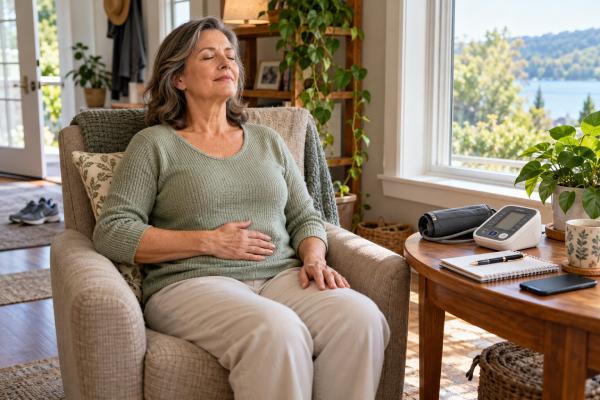
Stress reduction can help lower blood pressure, especially when it becomes part of a broader heart-healthy routine. Practices such as slow breathing, mindfulness, yoga, regular physical activity, better sleep, and reducing alcohol can all support lower readings. The effect from any one technique is usually modest, and research quality varies, but several stress-management approaches have produced average systolic blood-pressure reductions of a few millimeters of mercury or more in clinical studies.
That does not mean stress management can replace medication when medication is indicated. Current blood-pressure guidelines recommend lifestyle changes for everyone with elevated blood pressure or hypertension, while many people also need drug treatment based on their average readings and overall cardiovascular risk. The most practical strategy is to choose one or two stress-lowering habits you can repeat daily, measure blood pressure correctly at home, and judge success by your average trend over weeks—not by how calm you feel after a single session.
Table of Contents
- How stress affects blood pressure
- Which stress-reduction habits help most
- A simple daily blood-pressure routine
- Sleep, movement, and alcohol matter too
- How fast blood pressure can change
- When lifestyle alone is not enough
- Common mistakes and how to avoid them
How stress affects blood pressure
Stress can raise blood pressure temporarily because the body releases hormones such as adrenaline and cortisol. Heart rate increases, blood vessels constrict, and the cardiovascular system prepares for action. Once the stressor passes, blood pressure usually moves back toward baseline.
Long-term stress is more complicated. It does not simply keep blood pressure permanently “switched on,” and the exact relationship between chronic stress and sustained hypertension is difficult to separate from sleep, diet, alcohol, smoking, physical inactivity, and other behaviors. Still, repeated stress responses can make high blood pressure harder to control, and stress often pushes people toward habits that raise pressure.
For example, a stressful week may mean shorter sleep, more restaurant food, more alcohol, less exercise, and more caffeine. Each of those can affect readings. That is why stress management works best when it changes both the nervous-system response and the behaviors around it.
The 2025 AHA/ACC high blood pressure guideline includes stress management among recommended lifestyle approaches for preventing and treating elevated blood pressure and hypertension. It sits alongside weight management, a heart-healthy eating pattern, lower sodium intake, adequate dietary potassium, physical activity, and less or no alcohol.
If you want the broader disease connection, chronic stress and heart disease explains how stress can interact with sleep, inflammation, blood sugar, and health behaviors beyond blood pressure alone.
Which stress-reduction habits help most
No single relaxation method is clearly best for everyone. A 2025 network meta-analysis of 182 studies found short-term blood-pressure improvements with several approaches, including breathing control, meditation, mindfulness, yoga or tai chi, progressive muscle relaxation, psychotherapy, music, and multicomponent programs. However, the certainty of evidence varied, and many studies were short.
That means the practical question is not “Which technique wins?” but “Which technique can you do consistently and safely?”
Slow breathing
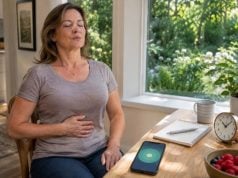
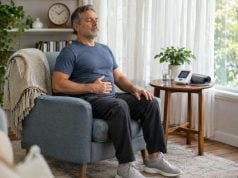
Slow, controlled breathing is easy to learn and takes only a few minutes. Research suggests breathing exercises can lower systolic and diastolic blood pressure modestly, although results are not uniform across all techniques and devices.
A simple method is:
- Sit with your back supported and feet on the floor.
- Breathe in gently through the nose for about 4 seconds.
- Breathe out slowly for about 6 seconds.
- Continue for 5 minutes without forcing large breaths.
- Stop if you become lightheaded.
The goal is a slow, comfortable rhythm, not the deepest breath possible. Longer exhalation can help reduce sympathetic arousal. If you prefer a more structured approach, breathing exercises for blood pressure covers several practical methods.
Mindfulness and meditation
Mindfulness involves paying attention to present-moment experience without immediately reacting to it. Meditation may include breath focus, body scanning, repeated phrases, or guided attention. A 2024 systematic review of randomized trials in people with prehypertension or hypertension found that mindfulness-based interventions could improve blood pressure and mental-health outcomes, although study designs and program intensity varied.
Start small. Five to ten minutes daily is more realistic for many people than a 30-minute session they rarely complete. Guided audio can help, but no special app is required. Sit comfortably, notice breathing or body sensations, and return attention gently when the mind wanders.
Yoga and meditative movement
Yoga combines movement, breathing, and often relaxation or meditation. Recent reviews suggest it can lower blood pressure, though evidence quality ranges from low to very low in some analyses. The benefit likely comes from several elements at once: physical activity, breath control, improved flexibility, and stress reduction.
For blood pressure, gentler forms are often easier to sustain than highly heated or competitive styles. If you have uncontrolled hypertension, balance problems, glaucoma, or cardiovascular disease, ask about poses that involve prolonged inversion or intense straining. For a focused guide, see yoga for blood pressure.
Progressive muscle relaxation
This technique alternates tension and relaxation in different muscle groups. For example, gently tense the hands for 5 seconds, then release for 10 to 15 seconds and notice the contrast. Move through the shoulders, face, abdomen, legs, and feet. A full session can take 10 to 20 minutes.
It can be especially useful for people who find seated meditation frustrating because it gives attention a physical task. It is also easy to use before bed.
A simple daily blood-pressure routine
Stress reduction works better when it is attached to an existing routine rather than left for the moment you “have time.” One simple plan is to pair a five-minute calming practice with home blood-pressure measurement.
For example:
- Morning: Use the bathroom, sit quietly for five minutes, then take two blood-pressure readings about one minute apart before breakfast or medication if your clinician has instructed that timing.
- Midday: Take a 10-minute walk after lunch or during a work break.
- Evening: Do five to ten minutes of slow breathing, mindfulness, gentle yoga, or progressive muscle relaxation.
- Before bed: Reduce stimulating work, bright screens, or alcohol close to bedtime and aim for a consistent sleep window.
Do not measure blood pressure immediately after a stressful call and then panic over the result. A temporary rise is expected. The useful number is your average resting pressure under standardized conditions.
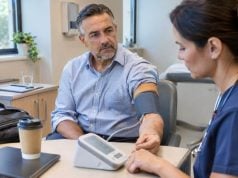
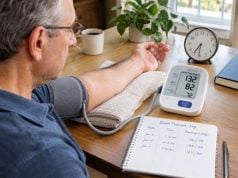
Correct technique matters. Sit with back support, keep feet flat and uncrossed, support the arm at heart level, use the correct cuff size, and avoid exercise, nicotine, or caffeine shortly before checking. If you need a step-by-step routine, how to measure blood pressure at home explains the common errors that distort readings.
Use one-week averages instead of single readings
Blood pressure naturally changes from minute to minute. Sleep, pain, temperature, bladder fullness, conversation, posture, recent meals, and emotion can all affect it. Record readings for several days and look for the average. A trend from the mid-140s to the mid-130s is meaningful even if one stressful morning still produces a higher number.
Home monitoring also helps distinguish a persistent problem from a clinic-only spike. If your readings are much lower at home than in the office, ask whether white coat hypertension could be contributing.
Sleep, movement, and alcohol matter too
The strongest stress plan often includes habits that do not look like “relaxation.” Sleep, exercise, and alcohol intake can change both how stressed you feel and how your cardiovascular system responds.
Protect sleep
Most adults need at least seven hours of sleep, and poor sleep is associated with higher blood pressure and greater cardiometabolic risk. Sleep deprivation also makes emotional regulation harder, which can increase stress eating, inactivity, and reliance on caffeine or alcohol.
Keep wake time as consistent as possible, create a wind-down period, and address loud snoring or suspected sleep apnea. If your blood pressure is resistant to treatment and you have daytime sleepiness or witnessed breathing pauses, sleep apnea deserves medical evaluation. The article on poor sleep and high blood pressure explains this connection in more detail.
Use physical activity as stress treatment
Exercise lowers blood pressure through mechanisms that go well beyond stress relief. Aerobic activity improves vascular function and fitness, while resistance training helps blood pressure, glucose control, and body composition. It also gives stress hormones somewhere productive to go.
You do not need intense workouts. Brisk walking is enough to begin. The usual adult target is at least 150 minutes per week of moderate-intensity aerobic activity or 75 minutes of vigorous activity, plus muscle-strengthening activity on at least two days.
Short bouts count. A 10-minute walk before work, another after lunch, and another after dinner can be easier to sustain than one 30-minute session. If you want to understand the expected pressure change, how much exercise lowers blood pressure reviews realistic timelines and targets.
Use social connection and time outside
Not every useful stress intervention needs to look like formal relaxation. Talking with a supportive friend, taking a quiet walk outside, spending time in a park, or doing a low-pressure hobby can reduce perceived stress and make it easier to avoid coping habits that raise blood pressure. These activities may not have the same trial data as structured breathing or meditation, but they can improve adherence because people are more likely to repeat something they genuinely enjoy.
A useful rule is to choose activities that lower arousal without creating a second problem. A walk, music, gardening, stretching, or conversation can help you unwind while also supporting sleep and physical activity. Scrolling late at night, stress snacking, nicotine, or several alcoholic drinks may feel soothing briefly but often worsen the next day’s blood pressure, sleep, or anxiety. If being outdoors helps you decompress, nature exposure and blood pressure covers what the evidence suggests and how to use it as a practical habit.
Do not use alcohol as a stress tool
Alcohol may feel relaxing in the moment, but repeated drinking can raise blood pressure, disrupt sleep, and make stress regulation worse the next day. If you notice that stressful days consistently end with several drinks, changing that pattern may lower blood pressure more than adding another relaxation technique.
The 2025 guideline recommends reducing or eliminating alcohol as part of blood-pressure management. For people who drink regularly, cutting back can produce noticeable improvements over time. See alcohol and blood pressure for the dose-response relationship and what can improve after reduction.
How fast blood pressure can change
Some stress-management techniques can lower blood pressure temporarily within minutes because the nervous system shifts toward a calmer state. That immediate drop is real, but it is not the same as treating hypertension.
For a durable effect, think in weeks to months. Most clinical trials of breathing, mindfulness, yoga, or other relaxation methods run for several weeks or longer. The goal is to lower your average resting pressure across the day, not just the number measured immediately after meditation.
A useful way to judge progress is to compare seven-day home averages every few weeks while keeping measurement conditions consistent. Also track whether the habit is becoming automatic. A modest technique practiced most days is more likely to influence your usual stress load than a long session performed only when you feel overwhelmed. If the average is not improving, review the full blood-pressure plan rather than assuming you need a more intense relaxation exercise.
A useful way to evaluate progress is to keep everything else reasonably stable and review a home average after two to four weeks. If pressure is clearly improving, continue. If it is unchanged, that does not mean the practice is useless—it may still improve stress, sleep, or quality of life—but you may need stronger blood-pressure interventions.
| Habit | Best use | Practical dose |
|---|---|---|
| Slow breathing | Acute calming and daily practice | 5–10 minutes most days |
| Mindfulness or meditation | Reducing reactivity and stress load | 5–20 minutes most days |
| Yoga or tai chi | Combining movement and relaxation | 2–4 sessions per week |
| Walking | Blood pressure, fitness, and stress | Build toward 150 minutes/week of moderate activity |
| Sleep routine | Recovery and long-term regulation | At least 7 hours for most adults |
Do not chase the largest published number. Meta-analyses may show average systolic reductions of 6 to 10 mmHg for some relaxation methods, but many studies are small, short, or heterogeneous. Your personal response may be much smaller. Treat those numbers as evidence that the methods can help, not as a promise.
When lifestyle alone is not enough
Stress reduction is part of hypertension treatment, but it is not a reason to delay medication when medication is recommended. According to the 2025 AHA/ACC guideline, drug therapy is recommended in addition to lifestyle intervention for adults with average blood pressure at or above 140/90 mmHg, and for some people starting at 130/80 mmHg when cardiovascular disease, prior stroke, diabetes, chronic kidney disease, or sufficiently high predicted cardiovascular risk is present.
That means a person with repeated readings around 148/94 should not spend months trying meditation alone while avoiding medical care. Lifestyle changes should begin, but treatment may need to include medication from the start.
Seek urgent medical care for very high blood pressure accompanied by symptoms such as chest pain, severe shortness of breath, neurologic deficits, confusion, or other signs of acute organ injury. A reading above 180/120 mmHg deserves prompt attention even without symptoms, with next steps based on the clinical situation.
If your average falls in the stage 1 range, stage 1 hypertension explains how lifestyle, risk level, and medication decisions fit together.
Common mistakes and how to avoid them
The first mistake is using stress as the only explanation for high blood pressure. Anxiety can raise a reading, but persistent hypertension still deserves proper evaluation. Kidney disease, sleep apnea, medications, alcohol, excess sodium, thyroid disorders, and other factors may contribute.
The second is measuring too often when anxious. Rechecking every few minutes can create a feedback loop: the number causes anxiety, anxiety raises the number, and the higher number causes more anxiety. Follow a scheduled home-monitoring plan instead.
The third is choosing a stress practice you dislike because it sounds healthy. Meditation is not mandatory. Walking outside, gardening, music, progressive muscle relaxation, breathing practice, social connection, or therapy may fit better. Consistency matters more than the label.
The fourth is expecting relaxation to cancel out other blood-pressure drivers. Ten minutes of breathing cannot fully offset very high sodium intake, heavy alcohol use, chronic sleep loss, or inactivity. The methods work best as a package.
Another mistake is changing five habits at once. If you begin meditation, a strict diet, a new gym program, caffeine withdrawal, and a new sleep schedule on the same Monday, the plan may collapse under its own complexity. Pick one or two high-value changes first, track them for two weeks, then add the next step.
Finally, do not interpret the need for medication as failure. Hypertension is influenced by genetics, age, vascular changes, kidney function, and many factors outside voluntary control. Stress reduction still adds value if medication is necessary because it can improve sleep, coping, adherence, and quality of life while supporting lower pressure.
A good starting plan is deliberately small: choose one five-to-ten-minute calming practice, walk most days, protect sleep, reduce alcohol if needed, and measure blood pressure correctly for one week. Then make decisions from the average. That approach is far more reliable than trying to force your blood pressure down in the middle of a stressful moment.
References
- Top Things to Know: 2025 High Blood Pressure (BP) Guideline 2025 (Guideline Summary)
- Effectiveness of stress management and relaxation interventions for management of hypertension and prehypertension: systematic review and network meta-analysis 2025 (Systematic Review)
- A systematic review and meta-analysis of yoga for arterial hypertension 2025 (Systematic Review)
- Effect of mindfulness-based interventions on people with prehypertension or hypertension: a systematic review and meta-analysis of randomized controlled trials 2024 (Systematic Review)
- Effect of breathing exercises on blood pressure and heart rate: A systematic review and meta-analysis 2024 (Systematic Review)
- Managing Stress to Control High Blood Pressure 2025 (Official Guidance)
Disclaimer
This article is for general education and does not replace medical diagnosis or treatment. Stress-management habits can support lower blood pressure, but some people need medication based on their readings and cardiovascular risk. Seek urgent medical care for very high blood pressure with chest pain, severe shortness of breath, neurologic symptoms, confusion, or other signs of an emergency.