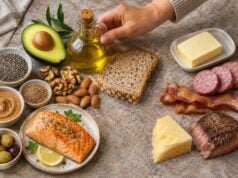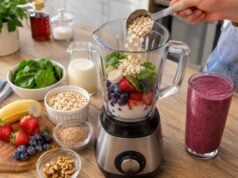
A heart-healthy meal plan for high blood pressure should do more than remove the salt shaker. The strongest pattern combines plenty of vegetables and fruit, whole grains, beans and lentils, nuts and seeds, fish or other lean proteins, low-fat or unsweetened dairy if you use it, and mostly unsaturated fats. It also keeps sodium, highly processed foods, added sugars, and excess alcohol in check. That combination closely resembles the DASH eating pattern, one of the best-studied dietary approaches for lowering blood pressure.
The seven-day plan below is a flexible template rather than a prescription. Portions should match your appetite, body size, medications, activity, and health needs. The meals emphasize foods naturally rich in potassium, magnesium, calcium, fiber, and unsaturated fat while making lower-sodium choices practical. If you have kidney disease, take medicines that affect potassium, or have been told to restrict potassium or fluids, do not automatically follow high-potassium advice. Use the plan as a structure you can adapt with your healthcare team rather than as a substitute for individualized treatment.
Table of Contents
- What Makes a Meal Plan Blood-Pressure Friendly
- How to Use This 7-Day Template
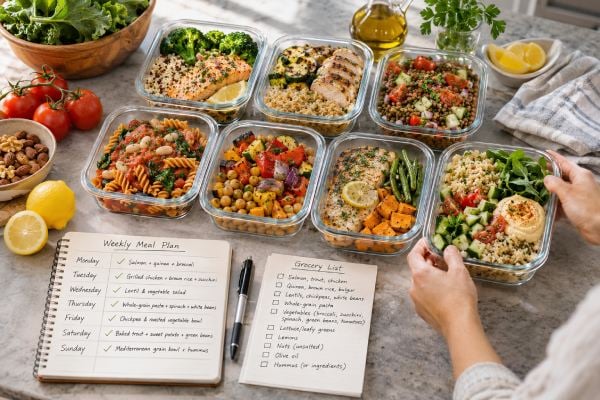
- 7-Day Heart-Healthy Meal Plan
- How to Keep Sodium Under Control
- Potassium, Fiber, and Healthy Fats
- Shopping and Meal-Prep Shortcuts
- How to Adjust the Plan for Real Life
What Makes a Meal Plan Blood-Pressure Friendly
The DASH pattern—Dietary Approaches to Stop Hypertension—emphasizes vegetables, fruit, whole grains, legumes, nuts, seeds, lower-fat dairy, and lean protein while limiting sodium, sweets, and foods high in saturated fat. Randomized trials and systematic reviews consistently show that DASH-style eating lowers blood pressure, with larger effects often seen in people who start with higher blood pressure.
Sodium reduction adds another layer. Many adults consume most of their sodium from restaurant meals, packaged foods, breads, sauces, processed meats, and ready-to-eat products rather than from salt added at the table. A practical goal for many people with high blood pressure is to move toward 1,500–2,300 mg of sodium per day, depending on medical guidance and what is realistic. Even a meaningful reduction from your current intake can help.
Potassium-rich foods can support blood-pressure control because potassium helps counterbalance some of sodium’s effects and contributes to normal vascular function. Good food sources include beans, lentils, potatoes, leafy greens, tomatoes, avocado, yogurt, bananas, oranges, kiwi, and many other fruits and vegetables. However, potassium can become dangerous in some people with kidney disease or when certain medicines reduce potassium excretion. For individualized safety, see potassium and blood pressure food sources and precautions.
The pattern matters more than any one “blood-pressure superfood.” A beet smoothie or banana cannot compensate for a diet dominated by salty takeout, processed meat, and packaged snacks. Build the day around minimally processed foods first.
How to Use This 7-Day Template
The plan uses a simple plate structure at lunch and dinner:
- About half the plate from non-starchy vegetables and fruit.
- About one-quarter from a protein source such as beans, lentils, fish, tofu, chicken, or yogurt.
- About one-quarter from a whole grain or starchy vegetable such as brown rice, quinoa, oats, barley, whole-grain bread, or potato.
- A modest portion of unsaturated fat from olive oil, nuts, seeds, avocado, or tahini.
Portions are intentionally not fixed to a single calorie level. Someone who needs 1,600 calories and someone who needs 2,600 calories can use the same meal pattern but require different quantities. Adjust grain, protein, fat, and snack portions to your energy needs. If weight loss has been recommended, reducing portions of calorie-dense extras while keeping vegetables, fruit, legumes, and lean protein generous is usually more sustainable than skipping meals.
Snacks are optional. Eat them when hunger or your schedule makes them useful, not because a plan says you must. A fruit-and-nut snack can prevent arriving at dinner ravenous, but someone who is satisfied between meals may not need it.
Use no-salt-added or low-sodium versions of canned beans, tomatoes, broth, tuna, and sauces when possible. Rinsing regular canned beans can remove some surface sodium. Season with lemon, lime, vinegar, garlic, onion, herbs, spices, ginger, smoked paprika, cumin, pepper, or salt-free blends so food does not taste “diet” bland.
If you are just starting, do not feel obligated to cook every recipe from scratch. Frozen plain vegetables, pre-washed greens, microwaveable brown rice without salty seasoning, canned no-salt-added beans, and frozen fish can make the plan much easier to sustain.
7-Day Heart-Healthy Meal Plan
The following menu is built around DASH principles, fiber-rich foods, and lower-sodium ingredients. Water, unsweetened tea, or coffee can accompany meals unless you have a fluid restriction.
| Day | Breakfast | Lunch | Dinner | Snack ideas |
|---|---|---|---|---|
| 1 | Oatmeal with berries, chia seeds, walnuts, and plain yogurt | Lentil-vegetable soup, side salad, whole-grain toast | Baked salmon, roasted broccoli, small potato, olive oil and lemon | Apple + unsalted peanut butter; carrots + hummus |
| 2 | Plain Greek yogurt with oats, banana, and ground flax | Chickpea-quinoa bowl with cucumber, tomato, greens, and tahini-lemon dressing | Chicken or tofu stir-fry with mixed vegetables and brown rice | Orange + unsalted almonds; berries |
| 3 | Whole-grain toast with avocado and tomato; fruit | Leftover salmon or white-bean salad in a whole-grain wrap | Black bean tacos with cabbage, salsa, avocado, and corn tortillas | Plain yogurt + fruit; unsalted pistachios |
| 4 | Overnight oats with apple, cinnamon, and walnuts | Barley-bean salad with spinach, peppers, and olive oil vinaigrette | Sheet-pan chicken or tofu with Brussels sprouts and sweet potato | Pear + nut butter; edamame |
| 5 | Vegetable omelet or tofu scramble with whole-grain toast | Hummus and roasted-vegetable pita with fruit | Baked cod or lentil patties, quinoa, green beans, tomato salad | Banana + walnuts; cucumber + yogurt dip |
| 6 | Smoothie with berries, oats, spinach, plain yogurt, and ground flax | Low-sodium bean chili with avocado and cabbage slaw | Whole-wheat pasta with tomato-lentil sauce and a large green salad | Apple + almonds; air-popped unsalted popcorn |
| 7 | Oatmeal with banana, cinnamon, and peanut butter | Leftover chili or grain bowl with vegetables and beans | Mediterranean bowl with farro, chickpeas, roasted vegetables, greens, and tahini | Kiwi + yogurt; bell pepper strips + hummus |
Day 1: Start with familiar foods
Oatmeal is a useful breakfast because it provides soluble fiber and is naturally very low in sodium when made from plain oats. Add berries and walnuts rather than sweetened granola. At dinner, salmon supplies omega-3 fats while a plain baked or roasted potato contributes potassium. The key is what you put on it: olive oil, herbs, and yogurt can replace large amounts of butter and salty cheese.
Day 2: Make plants the center
A chickpea-quinoa bowl shows how to build a satisfying lunch without processed meat. If canned chickpeas are not low-sodium, rinse them. Tahini is flavorful but calorie-dense, so a tablespoon or two is usually enough for dressing when thinned with lemon juice and water.
Day 3: Use leftovers strategically
Leftovers are one of the easiest ways to reduce takeout. Turn extra salmon into a salad or use white beans for a plant-based version. For tacos, choose corn tortillas with modest sodium, then use cabbage, avocado, tomato salsa, lime, and beans to create flavor without relying on large amounts of cheese.
Day 4: Build a high-fiber lunch
Barley and beans provide soluble and viscous fibers that can support cholesterol as well as blood-pressure-friendly eating. Add a large amount of vegetables so the grain is part of the bowl, not the entire bowl. This is also a good day to prep extra roasted vegetables for Day 5 or 7.
Day 5: Watch hidden sodium
Fish itself is low in sodium unless it is breaded, brined, smoked, or heavily seasoned. Choose plain frozen or fresh fish and season it yourself. Bottled marinades, seasoning packets, and restaurant-style sauces can add hundreds of milligrams of sodium quickly.
Day 6: Make comfort food work
Bean chili can be heart-friendly when you use no-salt-added tomatoes and beans and build flavor with cumin, chili powder, garlic, onion, and peppers. Whole-wheat pasta with lentil-tomato sauce at dinner provides another fiber-rich meal without requiring a specialty “health food.”
Day 7: Create a repeatable bowl
A grain-and-bean bowl is one of the easiest templates to carry into future weeks. Combine a whole grain, beans, two or more vegetables, greens, and a small amount of tahini or olive-oil dressing. Change the herbs and spices to keep the meal from feeling repetitive.
For a deeper explanation of this eating pattern, see how the DASH diet lowers blood pressure and what to eat.
How to Keep Sodium Under Control
Lowering sodium is often less about cooking with zero salt and more about identifying the biggest sources. A sandwich made with deli meat, cheese, bread, mustard, and pickles can contain a large portion of a day’s sodium before any salt is added at the table.
Use these priorities:
- Replace processed meats. Choose beans, lentils, leftover chicken, eggs, fish, or lower-sodium options instead of bacon, sausage, salami, and deli meat most days.
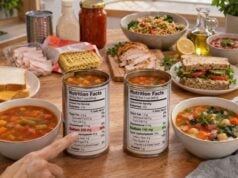
- Compare labels. Sodium can differ dramatically between breads, wraps, soups, sauces, cottage cheese, and frozen meals.
- Choose plain ingredients. Plain frozen vegetables are usually much lower in sodium than vegetables in sauce.
- Use acids and aromatics. Lemon, vinegar, garlic, ginger, herbs, and spices create contrast that reduces reliance on salt.
- Be careful with condiments. Soy sauce, bottled dressing, ketchup, barbecue sauce, olives, pickles, and hot sauces can add up quickly.
If you are used to a high-sodium diet, food may taste flat for a week or two after a major reduction. Taste adapts. Gradual reduction can be easier to maintain than trying to eliminate all salt overnight.
Do not overlook bread. It may not taste salty, but because many people eat it several times a day, bread can be an important sodium source. Compare brands and choose a lower-sodium option that still provides whole grains and fiber. The same principle applies to tortillas, wraps, breakfast cereal, and cottage cheese.
For more detail on targets and labels, see how sodium affects high blood pressure.
Potassium, Fiber, and Healthy Fats
A blood-pressure-friendly plan is not defined only by what it removes. The foods you add matter just as much.
Potassium: Build it through whole foods such as beans, lentils, potatoes, leafy greens, tomatoes, avocado, yogurt, and fruit. Do not use potassium supplements or potassium-based salt substitutes automatically if you have kidney disease or take medicines such as ACE inhibitors, ARBs, potassium-sparing diuretics, or other drugs that can raise potassium.
Fiber: Oats, barley, beans, lentils, vegetables, fruit, nuts, seeds, and whole grains improve meal quality and support cholesterol and blood-sugar control. If your current diet is low in fiber, increase gradually and drink enough fluid unless you have been told to restrict it.
Unsaturated fats: Use olive oil, nuts, seeds, avocado, and fish more often than butter, coconut oil, fatty meat, and large portions of cheese. This substitution can improve LDL cholesterol while preserving flavor and satisfaction. See which heart-healthy fats to choose and which to limit.
Calcium and magnesium: DASH traditionally includes lower-fat dairy partly because it contributes calcium and protein. If you do not eat dairy, fortified unsweetened soy milk or other appropriately fortified alternatives can help, but check sodium and added sugar on the label.
No nutrient needs to be maximized. The goal is a pattern in which these nutrients occur naturally because vegetables, fruits, legumes, whole grains, nuts, seeds, and suitable dairy or fortified alternatives are regular foods.
Shopping and Meal-Prep Shortcuts
A meal plan only works if the ingredients are easy to keep on hand. Build a small core list you can remix rather than buying 30 one-use ingredients.
A practical weekly basket might include:
- Plain oats and one whole grain such as brown rice, quinoa, barley, or farro.
- Two or three cans of no-salt-added beans plus dried lentils.
- Frozen plain vegetables and one or two fresh vegetables for salads.
- Several fruits that store well, such as apples, oranges, bananas, and frozen berries.
- Plain yogurt or an unsweetened fortified alternative.
- Eggs, tofu, chicken, and/or fish depending on your preferences.
- Unsalted nuts, chia or flax, olive oil, and natural nut butter.
- Lemons or limes, garlic, onions, herbs, and salt-free spices.
Prep two components rather than seven complete meals. For example, cook a pot of barley and a tray of roasted vegetables on Sunday. On Monday, pair them with lentils. On Tuesday, add salmon. On Wednesday, use them in a wrap. This gives variety without daily cooking from zero.
Batch-cooked food should be cooled and refrigerated promptly, and leftovers should be reheated safely. If meal preparation is difficult, look for minimally processed shortcuts with favorable labels rather than assuming convenience food must be salty.
How to Adjust the Plan for Real Life
You do not need perfect adherence to benefit. A meal plan should survive restaurants, family meals, travel, and busy weeks.
At restaurants, choose a vegetable-rich entrée, fish or another lean protein, and a plain grain or potato when possible. Ask for sauces and dressings on the side. Restaurant meals are often high in sodium even when they appear healthy, so one useful strategy is to keep breakfast and lunch minimally processed on a day when dinner will be out. You can also ask whether a dish can be prepared without added salt, but remember that pre-made sauces, soups, marinades, and bread may already contain sodium that the kitchen cannot remove.
If cost is a concern, beans, lentils, oats, potatoes, frozen vegetables, bananas, peanut butter, canned no-salt-added tomatoes, and store-brand whole grains can form the backbone of the plan. Fresh berries and salmon are optional, not requirements. Frozen berries and canned salmon or sardines can be economical alternatives.
If you are vegetarian, use beans, lentils, tofu, tempeh, edamame, nuts, seeds, eggs, and dairy or fortified alternatives as protein sources. If you eat meat, treat it as one protein option rather than the center of every meal.
Measure your blood pressure correctly at home if your clinician has recommended monitoring. Diet changes can lower pressure enough that medication sometimes needs reassessment, but medication should never be reduced on your own. Understanding blood pressure readings and what they mean can help you interpret the numbers in context.
Most importantly, repeat the meals you genuinely like. A simple breakfast eaten five days a week and two reliable lower-sodium dinners are more valuable than an elaborate plan you abandon after Sunday. Use this seven-day template to find those repeatable meals, then build your own rotation around them for the weeks and months that follow in everyday life, not just temporarily.
References
- Effectiveness of the DASH diet versus alternative dietary interventions for hypertension management: A systematic review and meta-analysis 2026 (Systematic Review)
- Dietary Approaches to Stop Hypertension (DASH) for the primary and secondary prevention of cardiovascular diseases 2025 (Systematic Review)
- Effect of changes in potassium intake on blood pressure: a dose-response meta-analysis of randomized clinical trials (2000-2024) 2025 (Meta-Analysis)
- The blood pressure control effect of the sodium-restricted dietary approaches to stop hypertension diet: a systematic review 2024 (Systematic Review)
- Lifestyle management of hypertension: International Society of Hypertension position paper endorsed by the World Hypertension League and European Society of Hypertension 2023 (Position Statement)
- Adherence to the DASH Diet and Risk of Hypertension: A Systematic Review and Meta-Analysis 2023 (Systematic Review)
Disclaimer
This meal plan is for general education and is not individualized medical nutrition therapy. People with kidney disease, heart failure, diabetes, food allergies, fluid restrictions, or medicines that affect potassium may need important modifications. Continue prescribed blood-pressure medicines unless your healthcare professional tells you otherwise.