A heart-healthy smoothie can be a convenient way to add soluble fiber, fruit, vegetables, nuts or seeds, and other minimally processed foods that support cholesterol and blood-pressure goals. The best versions are built like a balanced meal or snack—not like a dessert in a cup. Whole fruit, oats, chia or flax, plain yogurt or unsweetened soy milk, leafy greens, and measured portions of nut butter can provide useful nutrients without relying on added sugar.
Smoothies are not automatically healthier than solid food. Blending makes it easy to drink a large amount quickly, and juice, sweetened yogurt, honey, syrups, and oversized portions can turn a smoothie into a high-sugar, high-calorie drink. Blood-pressure benefits also depend on the rest of the diet, especially sodium intake, while cholesterol improvement depends on factors such as soluble fiber and replacing saturated fat with unsaturated fat. The goal is therefore to use a smoothie as a practical delivery system for foods you would otherwise want in your diet—not to chase one “miracle” ingredient.
Table of Contents
- What Makes a Smoothie Heart Healthy
- Best Ingredients for Cholesterol
- Best Ingredients for Blood Pressure
- Ingredients That Can Undermine the Benefits
- 5 Heart-Healthy Smoothie Templates
- Portion Size and Blood Sugar
- How to Use Smoothies in a Heart-Healthy Diet
What Makes a Smoothie Heart Healthy
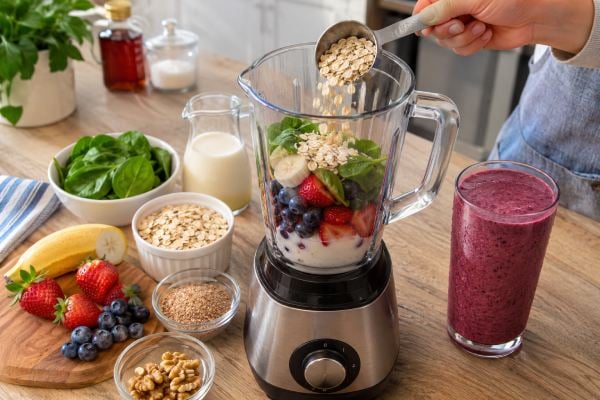
A useful heart-focused smoothie usually contains four building blocks: a produce base, a fiber source, a protein source, and a modest amount of unsaturated fat. That combination is more filling and more nutritionally complete than fruit juice blended with extra sweetener.
A simple formula is:
- 1–2 cups produce: berries, banana, citrus, kiwi, spinach, kale, beets, or another fruit or vegetable.
- A fiber booster: 1/4–1/2 cup oats, 1–2 tablespoons chia or ground flax, or another high-fiber ingredient.
- Protein: plain yogurt, kefir, unsweetened soy milk, silken tofu, or an appropriate unsweetened protein source.
- Unsaturated fat: 1 tablespoon nut butter, a small handful of nuts, chia, flax, or hemp seeds.
- Unsweetened liquid: water, milk, or a fortified unsweetened plant beverage.
This structure supports two major cardiovascular goals. Soluble and viscous fibers can lower LDL cholesterol by reducing cholesterol and bile-acid absorption in the gut. Potassium-rich fruits and vegetables can support blood-pressure control within an overall lower-sodium pattern. Protein and unsaturated fat also slow digestion and make the drink more satisfying, which can reduce the urge to add a second breakfast soon afterward.
A useful reality check is to lay the planned ingredients on the counter before blending. If the smoothie contains two bananas, a large mango, a cup of juice, several dates, two tablespoons of nut butter, and a full cup of yogurt, ask whether you would comfortably eat all of that at one sitting. Blending can hide portion size because a large amount of food compresses into one drink.
The liquid base matters. Fruit juice can supply vitamins, but it removes much of the intact-fiber advantage and makes it easy to consume a large carbohydrate load quickly. Using whole fruit plus water or unsweetened milk usually produces a more filling smoothie.
If your main goal is LDL reduction, a smoothie should complement broader food changes such as those described in the best foods to lower cholesterol. If blood pressure is the priority, the overall DASH-style pattern and sodium intake matter more than any single beverage.
Best Ingredients for Cholesterol
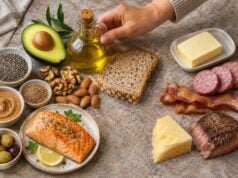
The most reliable smoothie strategy for cholesterol is to increase soluble fiber and use unsaturated fats in place of saturated-fat-rich ingredients.
Oats
Oats contain beta-glucan, a viscous soluble fiber that can help lower LDL cholesterol. Adding 1/4 to 1/2 cup of rolled oats to a smoothie thickens it and contributes fiber without much preparation. Blend longer if you prefer a smoother texture.
Soluble fiber works through repeated daily intake rather than a one-time dose. A large meta-analysis of randomized trials found that each additional 5 g per day of soluble fiber was associated with a meaningful average reduction in LDL cholesterol. Different fibers have different properties, so do not assume every gram of total fiber has the same LDL effect. For practical sources, see how much soluble fiber helps cholesterol and where to get it.
Chia and ground flax
Chia seeds add fiber and alpha-linolenic acid, a plant omega-3 fat. Trials suggest modest improvements in some cardiometabolic risk factors, although results vary and chia should not be treated as a cholesterol medication. One to two tablespoons is an easy amount to blend into a smoothie.
Ground flax is often easier to digest than whole flax seeds because grinding breaks the seed coat. It contributes fiber and unsaturated fat. Store ground flax in the refrigerator or freezer to slow oxidation.
Nuts and natural nut butter
Almonds, walnuts, peanuts, pistachios, and their unsweetened butters can replace more saturated-fat-rich ingredients while adding protein, fiber, and unsaturated fat. One tablespoon of nut butter or a small handful of nuts is usually enough. Look for products made mainly from nuts, with little or no added sugar and modest sodium.
For more ideas, nuts for heart health explains portions and common mistakes.
Soy foods
Unsweetened soy milk and silken tofu can add protein with relatively little saturated fat. They work especially well when you want a creamy texture without coconut cream, heavy dairy cream, or ice cream. Choose a fortified soy beverage if you use it as a regular milk alternative.
Berries and other whole fruit
Berries contribute fiber and polyphenols, but they should be framed realistically. Individual berry trials do not show a large or guaranteed reduction in cholesterol or blood pressure. Their strongest case is that they are nutrient-dense, naturally low in sodium, and easy to use in place of added sugar or dessert ingredients.
Frozen berries are nutritionally useful and often less expensive than fresh ones. Choose unsweetened frozen fruit rather than blends packed with syrup. Frozen fruit also makes a smoothie thick without needing ice cream or sweetened frozen yogurt.
If you are trying to increase fiber, add it gradually. Jumping from a low-fiber diet to several tablespoons of seeds plus oats every morning can cause bloating or gas. Start with one tablespoon of chia or flax and a smaller portion of oats, then increase as tolerated. Adequate fluid matters too unless you have been given a fluid restriction.
Best Ingredients for Blood Pressure
Blood-pressure-friendly smoothies emphasize whole fruits and vegetables, keep sodium low, and avoid turning the drink into a sugar-heavy beverage.
Potassium-rich produce
Bananas are famous for potassium, but they are only one option. Kiwi, oranges, cantaloupe, avocado, spinach, yogurt, and many other foods can contribute potassium. Potassium supports blood-pressure regulation, especially when sodium intake is not excessive.
More is not always safer. People with chronic kidney disease or those taking certain medicines can develop dangerously high blood potassium. If you have been told to limit potassium, follow your medical plan rather than using “heart healthy” smoothie lists. See potassium-rich foods and kidney-safety considerations.
Leafy greens
Spinach and other leafy greens add potassium, magnesium, folate, and dietary nitrate with relatively few calories. A handful of spinach usually blends into berry or banana smoothies without dominating the flavor.
Dietary nitrate from vegetables can be converted into nitric oxide, which helps blood vessels relax. This does not mean greens act like a blood-pressure drug, but they fit naturally into a pattern associated with better vascular health.
Beets
Beets are rich in inorganic nitrate and can give a smoothie an earthy sweetness. Randomized-trial meta-analyses of beetroot juice suggest that nitrate-rich beetroot can lower clinic systolic blood pressure by several mmHg in some people with hypertension, although certainty is limited and effects on diastolic or 24-hour pressure are less consistent.
A smoothie made with whole cooked or raw beet is not identical to the standardized beetroot juices used in many trials. The nitrate dose varies with variety, storage, preparation, and serving size. Think of beet as a vegetable ingredient, not a measured treatment.
Plain yogurt or kefir
Plain yogurt can add protein, calcium, potassium, and a creamy texture. Choose unsweetened versions and compare sodium, because brands vary. Lower-fat versions reduce saturated fat if LDL cholesterol is also a concern.
If dairy does not suit you, unsweetened fortified soy milk is a strong alternative. Almond and oat beverages can work too, but protein content varies widely.
Ingredients That Can Undermine the Benefits
The most common smoothie problem is not a “bad” fruit. It is stacking several concentrated calorie and sugar sources into one drink.
Watch for:
- Fruit juice as the main liquid.
- Sweetened yogurt or flavored milk.
- Honey, maple syrup, agave, or date syrup added on top of fruit.
- Large amounts of dates or dried fruit.
- Sweetened protein powders.
- Ice cream, frozen yogurt, coconut cream, or large amounts of coconut milk.
- Multiple tablespoons of nut butter plus nuts and seeds in the same drink.
- Oversized café smoothies that contain several servings.
Coconut products deserve special attention when LDL is high. Coconut fat is rich in saturated fat. A small amount for flavor can fit, but coconut cream should not be the default “heart healthy” base. Replacing saturated fat with unsaturated fat is generally a better strategy for LDL cholesterol.
Also be cautious with “greens” powders, stimulant powders, fat burners, or proprietary supplement blends. A smoothie made from food does not need a long supplement stack. Some products contain caffeine or other stimulants that can raise heart rate or blood pressure, and quality control varies.
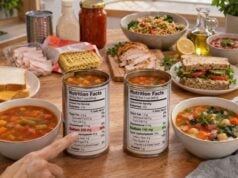
Sodium can hide in protein powders, cottage cheese, some plant milks, and packaged smoothie boosters. If you are actively lowering blood pressure, compare labels rather than assuming a product is low-sodium because it is marketed for fitness.
Food safety also matters. Wash fresh produce, refrigerate cut fruit promptly, and clean blender blades and gaskets thoroughly because residue can collect in hard-to-see areas. If you prepare a smoothie in advance, keep it cold and use a clean covered container rather than leaving it at room temperature for hours.
5 Heart-Healthy Smoothie Templates
These are templates, not medical prescriptions. Adjust liquid and portions for texture and energy needs, and omit ingredients that conflict with allergies, kidney restrictions, or other medical needs.
1. Oat-Berry LDL Support Smoothie
- 1 cup unsweetened soy milk or low-fat milk
- 1 cup frozen mixed berries
- 1/3 cup rolled oats
- 1 tablespoon ground flax
- 1/2 cup plain yogurt, optional
- Cinnamon to taste
This combination emphasizes soluble fiber and whole fruit. If it is not sweet enough, add part of a banana rather than syrup.
2. Banana-Chia Breakfast Smoothie
- 1 small banana
- 1 cup plain kefir or unsweetened soy milk
- 1–2 tablespoons chia seeds
- 1/4 cup oats
- Handful of spinach
- Ice and cinnamon
The chia and oats slow the drink down nutritionally by adding fiber, while protein from kefir or soy makes it more filling than fruit alone.
3. Beet-Berry Blood-Pressure Smoothie
- 1/2 small cooked beet or a small raw beet if your blender can handle it
- 1 cup berries
- 1/2 orange, peeled
- 1 cup water or unsweetened milk
- 1 tablespoon chia or ground flax
- Fresh ginger, optional
This provides whole produce and nitrate-rich beet without claiming a standardized therapeutic nitrate dose.
4. Green Avocado Smoothie
- 1 kiwi
- 1/4 avocado
- 1 cup spinach
- 3/4 cup plain yogurt or unsweetened soy milk
- 1/2 cup water
- Lime juice and ice
Avocado contributes unsaturated fat and potassium while keeping the texture creamy without coconut cream.
5. Cocoa-Walnut Smoothie
- 1 cup unsweetened soy milk or low-fat milk
- 1/2 banana
- 1 tablespoon unsweetened cocoa powder
- 1 small handful walnuts
- 1/4 cup oats
- Ice and cinnamon
Use unsweetened cocoa rather than chocolate syrup. The result is dessert-like in flavor while keeping added sugar low.
Portion Size and Blood Sugar
Blending changes how food is eaten. You can drink a smoothie much faster than you would chew a bowl containing the same fruit, oats, yogurt, and nuts. Faster intake and reduced food structure can make it easier to consume more carbohydrate and calories before fullness catches up.
For a snack, a 10–12 ounce smoothie may be enough. A meal replacement usually needs more protein and fiber, but that does not mean making it 30 ounces. Start with ingredients you could reasonably eat as a meal if they were placed in a bowl.
If you have diabetes or prediabetes, count the total carbohydrate rather than focusing only on whether the sugar is “natural.” Two bananas, a cup of mango, orange juice, dates, and honey can create a very high-carbohydrate drink even though every ingredient sounds wholesome. Use one or two fruit servings, add protein and fiber, and monitor your glucose according to your care plan.
Whole fruit is generally preferable to juice because it retains more intact fiber and requires a more substantial food matrix. Blending preserves most of the fiber, but it still makes the food easier to consume quickly. If smoothies leave you hungry soon after, try eating the same ingredients as a bowl—plain yogurt with berries, oats, and nuts—and see whether chewing improves satiety.
How to Use Smoothies in a Heart-Healthy Diet
A smoothie is most useful when it solves a real problem. It may help someone who skips breakfast, struggles to eat fruit and vegetables, needs a portable post-exercise meal, or wants a lower-sugar alternative to a café drink. It is less useful when it becomes an additional 500-calorie beverage on top of normal meals.
For cholesterol, aim for repeated daily exposure to soluble-fiber foods and unsaturated fats across the whole diet. Oats at breakfast, beans at lunch, nuts as a snack, and vegetables at dinner matter more than whether every nutrient is blended into one cup.
For blood pressure, keep the larger DASH pattern in view. A spinach-and-banana smoothie does not cancel the sodium in deli meat, restaurant sauces, frozen pizza, or packaged snacks. The DASH diet for high blood pressure provides the broader framework.
If you drink a smoothie daily, rotate ingredients. Use berries one day, kiwi or citrus the next, alternate spinach with other greens, and vary nuts or seeds. Variety broadens nutrient intake and prevents the routine from depending too heavily on one food. It also makes the habit more enjoyable, which matters for long-term adherence over many months successfully.
Finally, judge a smoothie by what it replaces. Replacing a pastry and sweetened coffee with an oat-berry-yogurt smoothie can be a meaningful improvement. Replacing a balanced solid meal with a giant fruit-and-juice drink may not be. The best heart-healthy smoothie is one that makes the rest of your eating pattern easier to sustain.
References
- Effects of Oral Berry Supplementation on Blood Pressure in Adults with Hypertension or Elevated Blood Pressure: A Systematic Review and Meta-Analysis of Randomized Controlled Trials 2026 (Systematic Review)
- Plasma nitrate, dietary nitrate, blood pressure, and vascular health biomarkers: a GRADE-Assessed systematic review and dose-response meta-analysis of randomized controlled trials 2025 (Systematic Review)
- Effects of beetroot juice on blood pressure in hypertension according to European Society of Hypertension Guidelines: A systematic review and meta-analysis 2024 (Systematic Review)
- The impact of chia seeds on diabetes, blood pressure, lipid profile, and obesity indicators: Systematic review and meta-regression analysis of 14 randomized controlled trials 2024 (Systematic Review)
- Associations between Vegetable Nitrate Intake and Cardiovascular Disease Risk and Mortality: A Systematic Review 2024 (Systematic Review)
- Soluble Fiber Supplementation and Serum Lipid Profile: A Systematic Review and Dose-Response Meta-Analysis of Randomized Controlled Trials 2023 (Systematic Review)
Disclaimer
This article provides general nutrition education and is not individualized medical advice. People with kidney disease, diabetes, food allergies, fluid restrictions, or medicines that affect potassium may need specific smoothie modifications. Continue prescribed blood-pressure or cholesterol treatment unless your healthcare professional advises otherwise.