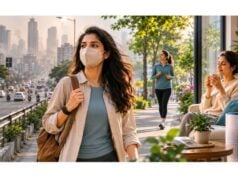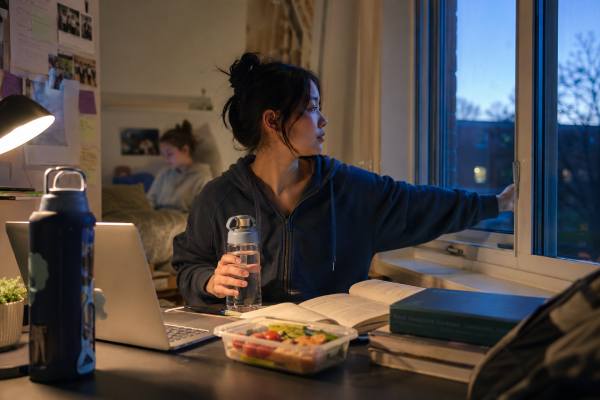
College makes everyday immune support harder in very ordinary ways. Sleep shifts later, meals get less predictable, stress runs high, and shared bathrooms, dorm rooms, classrooms, gyms, and rides home create constant opportunities for exposure. Most students do not need a complicated immune routine. They need habits that still work when life is crowded, deadlines pile up, and someone down the hall is coughing.
That is the good news. The basics are not glamorous, but they are effective. Sleep debt matters more than most students think. So do ventilation, hand hygiene, up-to-date vaccines, decent food, and not pushing through illness in a way that drags recovery out. The challenge is not knowing these habits exist. It is making them realistic in a campus environment built around shared space, social pressure, and inconsistent schedules. This guide focuses on the habits that give college students the most practical protection, and how to use them without turning everyday life into a health project.
Quick Summary
- Protecting sleep is one of the highest-value immune habits for college students because sleep debt and irregular schedules raise stress and weaken recovery.
- Shared air and close contact in dorms, lectures, and social events matter more for respiratory spread than most students realize.
- Vaccines, hand hygiene, and staying home when clearly sick lower spread more reliably than wellness shots or random supplement stacks.
- College students should not ignore warning signs such as dehydration, chest symptoms, severe sore throat, or symptoms that keep worsening after several days.
- A workable plan is to lock in a steady wake time, carry hand sanitizer, improve room airflow, and keep simple sick-day supplies on hand before you need them.
Table of Contents
- Why College Life Raises Infection Risk
- Sleep Debt Is a Major Problem
- Shared Spaces Change Exposure
- Prevention Basics That Actually Help
- Food, Hydration, and Recovery
- When to Rest and Get Care
Why College Life Raises Infection Risk
College does not weaken the immune system in one dramatic way. It does it through accumulation. Students are often exposed to more people, more indoor air, more stress, and more disrupted routines than they were before. A dorm, shared apartment, lecture hall, student center, team bus, club meeting, crowded bar, or late-night study room may not feel medically significant on its own. Put them together across a week, though, and the pattern becomes obvious: frequent contact, variable sleep, inconsistent food, and limited recovery time.
That helps explain why the first semester can feel especially rough. Students are adapting to new microbes, new schedules, new roommates, and a new level of autonomy all at once. Many are also living in close quarters for the first time. Shared bathrooms, communal kitchens, and compact bedrooms mean more touchpoints, more aerosols in poorly ventilated rooms, and more chances to stay up too late when the body most needs recovery.
The risk is not only about exposure. It is also about what makes exposure harder to handle. A student sleeping five to six hours, skipping meals, drinking heavily on weekends, and powering through with caffeine is more likely to feel run down and slower to recover once sick. That fits the broader pattern of what weakens the immune system. In college, several of those forces tend to cluster together.
Common campus factors that raise infection risk include:
- Sleeping too little or at wildly different times
- Sharing bedrooms, bathrooms, and study spaces
- Attending large indoor events
- Eating inconsistently or relying on ultra-processed convenience foods
- Drinking alcohol heavily or frequently
- High stress around exams, finances, or social adjustment
- Delaying care because class, work, or sports feel more urgent
- Going back to class or social events too soon when sick
Students also tend to underestimate low-grade exposures. A roommate with a “small cold,” a packed lecture hall with poor airflow, or a weekend of short sleep may not feel important in the moment. But these patterns affect how easily respiratory bugs move and how well the body responds after contact.
This is why immune support in college is less about “boosting” and more about friction reduction. The goal is to make it slightly harder for viruses and bacteria to spread, and slightly easier for the body to recover when they do. That is a realistic framework, and it matches the better idea of immune resilience rather than magical thinking.
The students who stay healthier are not usually the ones doing the most exotic wellness routine. They are the ones who quietly reduce the number of ways their environment and schedule keep wearing them down.
Sleep Debt Is a Major Problem
If one college habit quietly sabotages immune health more than students expect, it is sleep debt. Not one late night before a midterm. Not one party weekend. The real issue is chronic under-sleeping combined with irregular timing. That pattern affects immune signaling, inflammation, mood, decision-making, and recovery. It also makes other protective habits harder to follow, because tired people skip workouts, eat worse, forget hand hygiene, and stay up even later trying to catch up academically.
Sleep loss in college often comes in a recognizable pattern: later bedtimes, early obligations, weekend sleep-ins, and repeated attempts to recover with naps, caffeine, or sleeping half the day after exams. The problem is that this does not fully erase the biological cost. Social timing swings can disrupt circadian rhythm even when the weekly average looks acceptable. That is why students benefit from understanding both how much sleep supports immunity and how weekend sleep swings can backfire.
For most college-age students, the practical target is about 8 to 10 hours, with many functioning best toward the middle or upper half of that range. Few students consistently reach it. Some are living closer to 6 or 7 hours most nights and trying to compensate socially and academically. That may feel normal on campus, but “common” is not the same as “good for the immune system.”
Sleep debt matters because it can:
- Raise inflammatory signaling
- Lower attention and self-control
- Worsen stress reactivity
- Reduce recovery after illness
- Make vaccine side effects feel harder to tolerate
- Increase the odds of getting run down during high-pressure weeks
The most effective college sleep strategy is not perfection. It is regularity. Students usually do better when they protect a stable wake time and reduce the extremes. Going to sleep at 2:30 a.m. on weekdays and 4:00 a.m. on weekends while trying to function at 8:00 a.m. classes is rough on both learning and recovery.
A practical sleep plan for college looks like this:
- Pick a wake time you can hold most days.
- Build backwards to create a realistic sleep window.
- Reduce late caffeine, especially after mid-afternoon.
- Keep bright screens and intense study out of the last part of the night when possible.
- Avoid using alcohol as a sleep aid. It may make you sleepy, but it fragments sleep and can worsen the broader effects described in alcohol and immunity.
The key is not to sleep “perfectly.” It is to stop living in a permanent sleep deficit that lowers resilience every week of the semester.
Shared Spaces Change Exposure
Shared spaces are a central part of college life, and they matter for infection risk in ways students often notice only after a bug moves through a dorm floor. Respiratory viruses spread efficiently in close-contact settings where people share air for extended periods, especially indoors. College combines exactly those ingredients: multiple people, repeated contact, long time together, and inconsistent ventilation.
Dorms create the clearest example. A shared bedroom means close-range breathing, shared surfaces, shared noise, and often shared routines. If one roommate is sick but still sleeping three feet away, the other person’s exposure is obviously higher. The same logic applies to smaller study rooms, packed club meetings, rideshares, rehearsal rooms, basement social events, and crowded apartments where windows stay shut.
This does not mean students need to fear every indoor room. It means they should understand what drives risk:
- Time spent in close contact
- Number of people present
- Whether the space has decent airflow
- Whether symptomatic people are staying around others
- Whether touching common items is followed by good hand hygiene
- Whether fatigue and stress are lowering recovery
Ventilation deserves more attention here. If the air is stale, the room is crowded, and people are talking for an hour or more, the chance of respiratory spread rises. Opening windows when possible, using fans carefully to improve airflow, and preferring less packed spaces can help more than students assume. This is the same logic behind cleaner indoor air and virus risk.
Bathrooms and kitchens matter differently. These spaces are less about long shared breathing and more about contact patterns, hygiene, and close turnover among many users. Shared counters, sink handles, fridge doors, microwave buttons, and bathroom fixtures become part of the everyday chain of spread when nobody cleans hands consistently.
Students can reduce shared-space risk without becoming antisocial by doing a few simple things:
- Crack windows when weather and safety allow
- Study in larger or less crowded spaces when possible
- Keep distance from obviously sick friends or roommates when practical
- Do not share drinks, utensils, lip products, or nicotine devices
- Wipe down commonly touched items in your immediate space
- Sleep head-to-toe or create more space if a roommate is sick and there is no separate room
This is also where students make one of the biggest mistakes: staying physically present everywhere out of fear of missing out, even when clearly ill. Shared living and learning makes attendance decisions matter to others. Staying home from one event or class day when you are actively coughing, feverish, or wiped out is often one of the most considerate and health-protective choices you can make.
Shared space is not avoidable in college. But exposure can be shaped, and small changes matter when the same rooms are used over and over again.
Prevention Basics That Actually Help
Students are surrounded by immune products, quick fixes, and “wellness” advice, but the basics still do most of the real work. The most effective prevention habits on campus are not expensive, and they do not require a supplement drawer. They are the habits that reduce exposure, reduce spread, and keep the body better able to respond.
The first is vaccination. College students often think of vaccines as something handled in childhood, but campuses are exactly the kind of setting where being up to date matters. Depending on age, health status, and housing situation, that can include seasonal flu, COVID, and meningococcal vaccination, especially for students in residential housing. Some students also need catch-up vaccines or extra guidance based on travel, health conditions, or outbreak settings. For many, the practical question is not “Do vaccines matter?” but whether they are current and easy to access before the semester gets chaotic. Questions around scheduling are often covered by getting vaccines together rather than putting them off one by one.
The second is hand hygiene. This matters most at key times, not every thirty minutes in a panic. Wash hands before eating, after using the bathroom, after blowing your nose or coughing into your hands, after helping a sick roommate, and after being in high-contact shared settings when you are about to touch your face or food. When soap and water are not nearby, hand sanitizer is useful. Students who want a realistic framework can think in terms of handwashing versus hand sanitizer rather than treating sanitizer as either magic or useless.
The third is respiratory etiquette and behavior. That includes covering coughs, not showing up to everything sick, wearing a mask if you are symptomatic and must briefly be around others, and not romanticizing “pushing through.”
High-value prevention basics include:
- Staying current on recommended vaccines
- Washing hands at the right moments
- Avoiding face-touching when hands are dirty
- Improving airflow in rooms you control
- Cleaning shared high-touch items in your immediate area
- Carrying tissues and sanitizer in a backpack
- Resting early instead of waiting until you fully crash
This is also the point where students get pulled toward supplement hype. Most healthy college students will get more value from sleep, vaccines, food, hydration, and exposure reduction than from random “immune gummies,” wellness shots, or megadoses. If you are considering supplements anyway, be careful. The risks and low-value ingredients discussed in immune gummies and wellness shots are very real, especially when marketing is stronger than evidence.
Prevention basics are not boring because they do little. They are boring because they work the same way every semester.
Food, Hydration, and Recovery
Most students do not need a special “immune diet.” They need meals that are regular enough, filling enough, and nutrient-dense enough to keep the body from constantly playing catch-up. In college, nutrition problems are often less about one missing vitamin and more about pattern failure: skipped breakfast, long gaps between meals, low protein, very low fruit and vegetable intake, and heavy reliance on convenience foods that do not sustain energy or recovery.
The most useful food principle is steadiness. Eating enough overall energy, enough protein, and a decent spread of plant foods supports recovery much better than swinging between undereating and late-night delivery. Students who feel run down often overlook how much a more reliable eating pattern can help.
A practical college immune-support plate includes:
- A protein source at meals
- At least one fruit or vegetable whenever you reasonably can
- Fiber-rich staples such as oats, beans, lentils, whole grains, nuts, or seeds
- Easy snack backups such as yogurt, fruit, trail mix, cheese, hummus, or peanut butter
- Fluids spread through the day instead of waiting until you are already dehydrated
This is where a realistic grocery list for immune support can be more useful than chasing a single superfood. Dorm and campus life often reward food that is portable, cheap, and fast, so students do better when they choose simple repeatable staples instead of trying to build a perfect plan they will abandon in a week.
Hydration matters more when students are sick, sleeping poorly, exercising heavily, drinking alcohol, or living in dry indoor environments. Dehydration makes headaches, fatigue, sore throat discomfort, and recovery harder to manage. It does not cure infection to drink more water, but it reduces the extra physiological stress that comes from being dry on top of everything else. That is especially important when illness is already affecting appetite. If symptoms make it hard to eat normally, simple fluids, broths, soups, oral rehydration drinks, fruit, yogurt, and bland meals often work better than forcing large meals. In that phase, the guidance around immune support drinks is more practical than supplement advice.
Two college-specific recovery problems deserve mention. The first is alcohol. Students often keep social drinking separate from health thinking, but alcohol can interfere with sleep, hydration, judgment, and immune function, particularly when intake is high. The second is returning to normal too fast. Many students feel slightly better and jump back into late nights, crowded plans, and workouts before they are really recovered.
The goal is not to eat perfectly. It is to create enough routine that your body is not underfed, underslept, and dehydrated all at once. That combination is what makes routine campus illnesses harder to shake.
When to Rest and Get Care
College culture often rewards powering through. That works poorly when it comes to infection. The earlier a student rests, hydrates, and scales back when clearly getting sick, the better the odds of avoiding a longer, messier recovery. Rest is not laziness in this context. It is part of risk management.
A sensible “slow down now” threshold includes fever, body aches, worsening sore throat, new cough, vomiting, diarrhea, or sudden exhaustion that is clearly not just lack of motivation. These are the days to reduce contact, skip optional events, and focus on sleep, fluids, and basic intake. One of the biggest mistakes students make is treating the first 48 hours of illness like a scheduling inconvenience instead of a biological event. The body usually pays for that later.
Simple home care is appropriate for many minor viral illnesses, but some situations deserve faster evaluation. Get medical attention sooner if you have:
- Trouble breathing or chest pain
- Signs of dehydration, such as dizziness, very dark urine, or inability to keep fluids down
- Fever that is high, prolonged, or returning after improvement
- Severe sore throat with difficulty swallowing
- Confusion, fainting, or unusual lethargy
- Symptoms that are clearly worsening after several days
- A health condition that raises infection risk or complication risk
Students should also know where care lives on campus or nearby before they need it. That may be student health, urgent care, after-hours nurse lines, telehealth, or a local pharmacy. The sick day goes much better when you already know where to go and what services are available.
A few basic recovery steps help most students:
- Sleep more than usual for a day or two if your body is asking for it.
- Keep drinking fluids, even in small frequent amounts.
- Eat something gentle if appetite is low.
- Do not return to intense workouts too quickly.
- Reduce contact with roommates and friends while clearly contagious.
It is also worth recognizing that repeated infections are not always just “freshers’ flu” or normal campus life. If you seem to get sick far more often than others, take a long time to recover, or keep needing antibiotics, it may be worth looking into why you keep getting sick rather than assuming that exhaustion is the whole story.
The best college immune strategy is not trying to eliminate all exposure. It is knowing when to prevent, when to pull back, and when to get help before a manageable illness becomes a bigger problem.
References
- Sleep and Immune System Crosstalk: Implications for Inflammatory Homeostasis and Disease Pathogenesis 2024 (Review)
- Adult Immunization Schedule Notes | Vaccines & Immunizations | CDC 2025 (Guidance)
- Handwashing Facts | Clean Hands | CDC 2024 (Public Health Guidance)
- Association of Shared Living Spaces and COVID-19 in University Students, Wisconsin, USA, 2020 2021 (Observational Study)
- Transmission of viral pathogens in a social network of university students: the eX-FLU study 2020 (Observational Study)
Disclaimer
This article is for educational purposes only and is not medical advice. College students can usually manage mild viral illnesses with rest, fluids, and symptom care, but chest pain, breathing trouble, severe dehydration, fainting, worsening symptoms, or persistent high fever need prompt medical attention. Students with asthma, immune problems, diabetes, or other chronic conditions may need earlier evaluation and more individualized guidance. Vaccines, sleep, hygiene, and healthy routines support immune health, but they do not replace diagnosis or treatment when symptoms become severe.
If this article helped, consider sharing it on Facebook, X, or another platform so more students can build practical immune habits before sleep debt and shared spaces catch up with them.