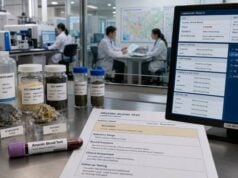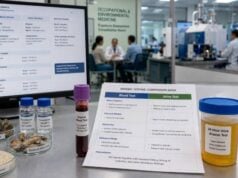
A methemoglobin blood test measures how much of your hemoglobin has changed into a form that cannot carry oxygen normally. Hemoglobin is the protein inside red blood cells that moves oxygen from the lungs to the body. Methemoglobin forms when the iron in hemoglobin changes from its normal ferrous form to a ferric form. A small amount is normal, but too much can cause cyanosis, shortness of breath, headache, confusion, seizures, heart rhythm problems, or life-threatening oxygen delivery failure.
This test is most often used when someone has blue or gray skin, low pulse oximeter readings that do not improve as expected with oxygen, chocolate-brown blood, or a recent exposure to drugs or chemicals that can trigger methemoglobinemia. Results are interpreted as a percentage of total hemoglobin, but symptoms depend on the level, how fast it rose, and the person’s anemia, lung, heart, or pregnancy status.
- A normal methemoglobin level is usually below 1%, though some laboratories use a reference range up to about 1–2%.
- High methemoglobin means part of your hemoglobin cannot carry oxygen, causing “functional anemia” even when the red blood cell count is normal.
- Cyanosis often appears around 10–15%, while headache, dizziness, anxiety, and shortness of breath become more likely as levels rise.
- Levels around 30–50% can cause confusion, rapid breathing, fainting, irregular heartbeat, seizures, or coma.
- A sudden high result, symptoms, infant exposure, pregnancy, or a level above about 20–30% usually needs urgent medical care.
- The most accurate test is co-oximetry on arterial or venous blood; a standard pulse oximeter can be misleading.
Table of Contents
- What the Methemoglobin Test Measures
- Normal Range and High Levels
- Why the Test Is Ordered
- Causes of High Methemoglobin
- Cyanosis, Symptoms, and Urgent Care
- How the Test Is Done
- How Results Guide Treatment
- Follow-Up and Prevention
What the Methemoglobin Test Measures
The methemoglobin blood test measures the percentage of total hemoglobin that is present as methemoglobin. Normal hemoglobin uses iron in the ferrous state, written as Fe2+, to bind oxygen in the lungs and release it to tissues. Methemoglobin contains iron in the ferric state, written as Fe3+. Ferric iron cannot bind oxygen well.
The problem is larger than one inactive hemoglobin site. Methemoglobin also makes the remaining normal hemoglobin hold on to oxygen more tightly. This means oxygen may be present in the blood but does not unload into tissues as well as it should. That is why someone can look blue and feel severely short of breath even when an arterial blood gas shows a normal or high oxygen pressure after supplemental oxygen.
Doctors sometimes describe this as functional anemia. The blood may contain enough hemoglobin by quantity, but part of that hemoglobin is not working. For this reason, a methemoglobin result should be interpreted along with the person’s hemoglobin level, oxygen status, symptoms, and exposure history.
The body constantly makes tiny amounts of methemoglobin during normal oxygen transport. Red blood cells reverse most of it through enzyme systems, especially cytochrome b5 reductase, also called NADH methemoglobin reductase. When those systems are overwhelmed, impaired, or bypassed by oxidizing chemicals, methemoglobin can rise quickly.
A methemoglobin test is different from a routine hemoglobin test. A routine hemoglobin or complete blood count tells how much hemoglobin is present. It does not tell whether hemoglobin is in a normal oxygen-carrying form. A complete blood count may be useful in the same evaluation because anemia makes a methemoglobin level more dangerous, but it does not diagnose methemoglobinemia by itself.
Methemoglobin is also different from carboxyhemoglobin. Carboxyhemoglobin forms when carbon monoxide binds to hemoglobin. Both can cause a misleading oxygen picture, and both are measured by co-oximetry, but they point to different exposures and treatments. When carbon monoxide exposure is possible, clinicians may order a carboxyhemoglobin blood test or a combined abnormal hemoglobin panel.
Normal Range and High Levels
Most healthy people have a methemoglobin level below 1% of total hemoglobin. Some laboratories may report a normal range up to about 1–2%, depending on the method and specimen type. Always use the reference interval printed on the report because laboratories differ.
A high result means methemoglobin is above the expected range. The seriousness depends on the percentage, the speed of the rise, the person’s baseline hemoglobin, and whether they have heart disease, lung disease, sepsis, pregnancy, infancy, or another cause of poor oxygen delivery.
A person with a normal hemoglobin level may tolerate a modest methemoglobin percentage better than someone with anemia. For example, 15% methemoglobin in a person with a hemoglobin of 15 g/dL leaves more working hemoglobin than the same percentage in someone whose hemoglobin is 8 g/dL. This is why symptoms can be severe at lower percentages in people with anemia or cardiopulmonary disease.
| Methemoglobin level | Common interpretation | Symptoms and clinical meaning |
|---|---|---|
| Below 1% | Usual normal level | No symptoms from methemoglobin itself |
| 1–2% | Often still within or near some lab reference ranges | Usually no symptoms; interpret with lab range and context |
| 3–10% | Mild elevation | Often no symptoms, though sensitive patients may notice fatigue or shortness of breath |
| 10–20% | Clearly elevated | Cyanosis, gray-blue skin, headache, fatigue, lightheadedness, anxiety, or exertional shortness of breath |
| 20–30% | Moderate elevation | More obvious shortness of breath, dizziness, weakness, rapid heart rate, nausea, or confusion |
| 30–50% | Severe elevation | Altered mental status, rapid breathing, fainting, chest pain, arrhythmias, metabolic acidosis, or loss of consciousness |
| Above 50% | Life-threatening | Seizures, coma, severe heart rhythm problems, shock, or death |
| Above 70% | Often fatal without rapid treatment | Emergency treatment is critical |
These ranges are useful, but they are not absolute. A child, pregnant person, older adult, or patient with anemia, chronic obstructive pulmonary disease, heart failure, infection, or carbon monoxide exposure may develop dangerous symptoms at lower levels.
A mild chronic elevation can occur in congenital methemoglobinemia. Some people with hereditary enzyme deficiency or hemoglobin M disease have lifelong cyanosis but fewer acute symptoms than someone whose methemoglobin rises suddenly after a drug or chemical exposure. The same number can therefore mean different things in different people.
Why the Test Is Ordered
Doctors order a methemoglobin test when symptoms or monitoring results suggest that oxygen is not being carried normally. The classic clue is cyanosis that does not improve as expected with oxygen. The lips, tongue, nail beds, or skin may look blue, gray, slate-colored, or dusky.
Another clue is a pulse oximeter reading that stays around the mid-80s despite oxygen therapy. Standard two-wavelength pulse oximeters are not designed to measure methemoglobin accurately. At higher methemoglobin levels, the reading may drift toward about 85%, even when the actual oxygen situation is very different.
A methemoglobin test may be ordered when someone has:
- Blue, gray, or dusky skin without a clear lung or heart explanation
- Shortness of breath after a medication, chemical, or recreational nitrite exposure
- Low oxygen saturation that does not fit the person’s lung exam or arterial oxygen pressure
- Chocolate-brown or unusually dark blood when a sample is drawn
- Sudden headache, dizziness, confusion, weakness, seizure, or collapse after a possible oxidant exposure
- Infant cyanosis after well-water exposure, gastroenteritis, or use of topical anesthetic products
- Unexplained “saturation gap,” meaning a mismatch between pulse oximetry and calculated oxygen saturation on blood gas testing
The test is especially important when recent exposure points toward an oxidizing agent. Common examples include benzocaine sprays or gels, prilocaine, dapsone, nitrites, nitrates, aniline dyes, certain industrial chemicals, and some overdose situations.
In hospitals, methemoglobin may be checked during evaluation of unexplained hypoxia in emergency, anesthesia, endoscopy, bronchoscopy, dental, cardiology, and intensive care settings. Topical anesthetic exposure is a well-known trigger, especially when benzocaine sprays are used on mucous membranes.
Methemoglobin testing may also be part of a broader toxicology or abnormal hemoglobin evaluation. For example, a clinician comparing methemoglobin and carbon monoxide effects may use a combined abnormal hemoglobin toxicity test to separate methemoglobinemia from carboxyhemoglobinemia or sulfhemoglobinemia.
Causes of High Methemoglobin
High methemoglobin happens when hemoglobin is oxidized faster than red blood cells can reduce it back to normal hemoglobin. Most clinically important cases are acquired, meaning they are caused by a drug, chemical, food or water exposure, or acute illness. Congenital causes are much less common.
Medication and medical-procedure causes
Several medications can trigger methemoglobinemia, especially in susceptible people or when doses are high. The best-known examples include:
- Benzocaine, especially sprays or gels used on the mouth, throat, or mucous membranes
- Prilocaine and, less often, lidocaine or other local anesthetics
- Dapsone, used for certain infections and inflammatory skin conditions
- Sulfonamide antibiotics
- Primaquine and related antimalarial drugs
- Nitric oxide therapy, nitroprusside, or nitroglycerin in specific settings
- Phenazopyridine, metoclopramide, or rasburicase in rare cases
Benzocaine deserves special attention because symptoms can occur within minutes to a few hours after use. Reports have occurred after single applications, not only after obvious overuse. People with anemia, heart disease, lung disease, smoking-related lung problems, infancy, older age, or inherited red blood cell enzyme disorders may have less reserve.
Dapsone can cause prolonged or recurrent methemoglobinemia because its metabolites may continue to oxidize hemoglobin. This sometimes requires longer monitoring or repeat therapy.
Nitrites, nitrates, and recreational exposures
Nitrites are strong oxidizing agents and can produce severe methemoglobinemia. Recreational “poppers,” often containing amyl nitrite, isobutyl nitrite, or related alkyl nitrites, are a recognized cause. Swallowing these products is especially dangerous, but inhalation can also cause methemoglobinemia.
Nitrate exposure can also matter, especially in infants. Nitrates in contaminated well water can be converted to nitrites in the body. Infants younger than about six months are more vulnerable because they have lower methemoglobin-reducing enzyme activity, more fetal hemoglobin, and higher water intake per body weight. Gastroenteritis may increase risk by changing gut conditions in ways that favor nitrite formation.
Private well water is a common setting for nitrate concern because it may not be monitored the same way as a public water supply. Fertilizer runoff, septic systems, and agricultural activity can contribute to nitrate contamination.
Industrial and household chemical causes
Industrial chemicals can cause methemoglobinemia through skin contact, inhalation, or ingestion. Examples include aniline dyes, nitrobenzene, chlorates, bromates, and some solvents or manufacturing chemicals. Occupational exposure may be suspected when symptoms occur after work with dyes, rubber, explosives, pesticides, laboratory chemicals, or contaminated products.
Some household or accidental exposures can also cause severe toxicity. Sodium nitrite ingestion, including intentional ingestion, has been reported as a cause of rapidly life-threatening methemoglobinemia.
Congenital causes
Congenital methemoglobinemia can result from cytochrome b5 reductase deficiency or hemoglobin M variants. In cytochrome b5 reductase deficiency, red blood cells do not reduce methemoglobin back to hemoglobin efficiently. Type I disease mainly affects red blood cells and often causes lifelong cyanosis. Type II affects more tissues and can cause severe neurologic problems.
Hemoglobin M disease is caused by structural hemoglobin variants that make the iron more likely to stay in the ferric state. Methylene blue often does not work well for hemoglobin M disease because the issue is the hemoglobin structure, not just a temporary oxidant load.
A G6PD blood test may be considered when treatment decisions are complicated, hemolysis occurs, or a person has a known risk background. G6PD deficiency can affect the response to methylene blue and may increase hemolysis risk, especially with higher doses or severe oxidative stress.
Cyanosis, Symptoms, and Urgent Care
Cyanosis means blue or bluish discoloration caused by abnormal oxygen delivery or abnormal hemoglobin. In methemoglobinemia, cyanosis often appears even when the lungs can move oxygen into the blood. The blood may look chocolate-brown because methemoglobin changes its color.
Symptoms usually worsen as the methemoglobin percentage rises, but the pattern is not perfectly predictable. A healthy adult with a slow rise may have fewer symptoms than a newborn or an anemic patient with the same result. People with coronary artery disease, heart failure, lung disease, sepsis, or pregnancy have less oxygen reserve.
Mild to moderate symptoms can include headache, fatigue, dizziness, nausea, shortness of breath, anxiety, rapid heart rate, and bluish lips or nail beds. More severe symptoms include confusion, chest pain, fainting, irregular heartbeat, seizure, coma, or shock.
Seek emergency care right away if any of these occur:
- Blue, gray, or dusky lips, tongue, face, or nail beds
- Shortness of breath that is new, severe, or not improving with oxygen
- Confusion, fainting, seizure, severe weakness, or chest pain
- A methemoglobin result above about 20–30%, especially with symptoms
- Any concerning symptoms in an infant, pregnant person, or person with heart or lung disease
- Symptoms after benzocaine, dapsone, nitrite, nitrate, poppers, chemical exposure, or overdose
Do not rely on a home pulse oximeter to rule out methemoglobinemia. A standard pulse oximeter may show a number that looks only moderately low while the tissues are not receiving enough usable oxygen. It may also fail to show improvement even when oxygen is being given.
The presence of chocolate-brown blood is a strong clue but not required. Some people with methemoglobinemia will not notice blood color, and many patients are too ill or sedated to report symptoms clearly. In medical settings, unexplained low oxygen saturation during a procedure should prompt clinicians to consider methemoglobin, especially after topical anesthetic use.
How the Test Is Done
The methemoglobin test is usually performed on arterial or venous blood using co-oximetry. Co-oximetry uses multiple wavelengths of light to separate different hemoglobin forms, including oxyhemoglobin, deoxyhemoglobin, carboxyhemoglobin, and methemoglobin. This is why it is more reliable than a standard pulse oximeter for abnormal hemoglobins.
A sample may be drawn from a vein or artery. Arterial blood is often collected when an arterial blood gas is needed at the same time. Venous blood may be enough when the main question is the methemoglobin percentage. In urgent cases, the exact sample type depends on the hospital protocol, the person’s condition, and how quickly testing is available.
The report usually gives methemoglobin as a percentage of total hemoglobin. Some reports may also list related values such as oxyhemoglobin, deoxyhemoglobin, carboxyhemoglobin, total hemoglobin, oxygen saturation by co-oximetry, pH, lactate, or blood gas values.
A few testing details can affect interpretation:
- The sample should be analyzed promptly because delays can affect some blood gas and co-oximetry values.
- A calculated oxygen saturation from a routine blood gas is not the same as co-oximetry.
- The oxygen pressure on an arterial blood gas can look normal or high after oxygen therapy even when methemoglobin is dangerously elevated.
- Pulse oximetry and co-oximetry may disagree; co-oximetry is the test used to confirm methemoglobinemia.
- Results should be interpreted with hemoglobin concentration, symptoms, and exposure history.
Preparation is usually not needed because the test is often urgent. If the test is being done for chronic cyanosis, the clinician may also review medications, supplements, occupational exposures, family history, and prior oxygen readings.
For non-urgent evaluation, bring a complete list of prescription drugs, over-the-counter products, topical anesthetics, recreational substances, supplements, and workplace chemicals. Include recent dental procedures, endoscopy, bronchoscopy, throat sprays, teething gels, urinary pain medicines, antibiotics, and any exposure to well water or nitrite-containing products.
How Results Guide Treatment
Treatment depends on the methemoglobin level, symptoms, cause, and patient risk factors. The first step is to stop the exposure. A suspected triggering drug or chemical should be removed or discontinued when medically possible. Supplemental oxygen is often given even though oxygen alone may not fix the hemoglobin problem, because it can improve the amount of dissolved oxygen and support tissues while treatment is arranged.
Methylene blue is the main antidote for significant acquired methemoglobinemia. It helps reduce ferric iron back to the oxygen-carrying ferrous state through an alternate red blood cell pathway. In many cases, symptoms and levels improve quickly after appropriate intravenous treatment.
Clinicians commonly consider methylene blue when the patient is symptomatic or when methemoglobin is above about 20–30%. In severe cases, treatment should not wait for every confirmatory detail if the clinical picture is convincing. A typical dose is 1–2 mg/kg intravenously over several minutes, with repeat dosing considered if symptoms or levels remain high.
Methylene blue is not a casual supplement in this setting. It can cause side effects and serious interactions. It may turn urine or skin blue-green temporarily. More importantly, it can act as a monoamine oxidase inhibitor and may increase the risk of serotonin toxicity when combined with serotonergic drugs such as some antidepressants. High cumulative doses can worsen hemolysis or methemoglobinemia.
G6PD deficiency needs careful handling. Methylene blue uses NADPH generated through the G6PD pathway, so response may be weaker in some people with G6PD deficiency, and hemolysis risk may be higher. In a life-threatening emergency, clinicians weigh the risks and benefits rather than treating the lab label alone.
Other treatments may be used when methylene blue is ineffective, contraindicated, unavailable, or insufficient. Options include high-dose ascorbic acid, exchange transfusion, red blood cell transfusion, or hyperbaric oxygen in selected severe cases. These are specialist decisions and are often made with a medical toxicologist, hematologist, critical care specialist, or poison center.
Mild cases may only require stopping the cause and monitoring. For example, a person with a small elevation and no symptoms may improve as the body clears the oxidant and reduces methemoglobin naturally. However, dapsone, long-acting chemicals, large ingestions, infants, and patients with underlying disease often need longer observation.
Follow-Up and Prevention
Follow-up depends on why methemoglobin was high. If the cause was a medication, the prescriber may stop it, change the dose, choose an alternative, or add warnings to the medical record. People who had benzocaine-related methemoglobinemia are usually advised to avoid benzocaine unless a clinician specifically says otherwise.
If dapsone caused the problem, monitoring may continue because levels can rebound. The clinician may check repeat methemoglobin levels, hemoglobin, reticulocyte count, bilirubin, lactate dehydrogenase, and other markers of hemolysis if red blood cell breakdown is suspected. Anemia can worsen symptoms and may need separate evaluation.
If exposure came from well water, the water should be tested for nitrate and nitrite before it is used for infant formula or drinking water. Boiling water does not remove nitrate; it can concentrate it as water evaporates. Infants, pregnant people, and people with significant illness should avoid unsafe water sources until testing and treatment of the water supply are complete.
If the result suggests a congenital condition, follow-up may include enzyme testing, hemoglobin variant testing, genetic counseling, or family testing. Lifelong cyanosis with relatively stable symptoms can be mistaken for lung or heart disease, so a confirmed diagnosis can prevent unnecessary testing and help guide future anesthesia, medication, and emergency decisions.
Prevention focuses on avoiding known triggers when possible:
- Use benzocaine, prilocaine, and other topical anesthetics only as directed.
- Do not use benzocaine teething products in infants unless a clinician gives specific instructions.
- Tell doctors and dentists about any past methemoglobinemia before procedures.
- Avoid recreational nitrite products, especially ingestion.
- Store nitrites, nitrates, dyes, solvents, and industrial chemicals safely.
- Test private well water, especially before preparing infant formula.
- Review dapsone and other higher-risk medications with a clinician if symptoms develop.
- Seek urgent care for cyanosis or low oxygen readings that do not fit the situation.
A single normal follow-up test may be enough after a short exposure that has clearly resolved. Recurrent symptoms, persistent cyanosis, family history, or repeated unexplained low oxygen readings need a deeper evaluation.
Methemoglobin results are most useful when they answer a specific clinical question: is hemoglobin unable to carry oxygen normally, and does the person need urgent treatment? A percentage on a report is only one part of that decision. Symptoms, timing, exposure, hemoglobin level, and underlying health determine how aggressively clinicians respond.
References
- Methemoglobinemia 2025 (Review)
- Recommendations for diagnosis and treatment of methemoglobinemia 2021 (Guideline)
- Causes of acquired methemoglobinemia – A retrospective study at a large academic hospital 2024 (Retrospective Study)
- Out of the Blue: Methemoglobinemia Associated With the Use of Amyl Nitrite in Rush Poppers for Erectile Stimulation 2023 (Case Report)
- FDA Drug Safety Communication: FDA continues to receive reports of a rare, but serious and potentially fatal adverse effect with the use of benzocaine sprays for medical procedures 2018 (Safety Communication)
Disclaimer
A high methemoglobin level can be a medical emergency, especially with cyanosis, shortness of breath, confusion, chest pain, seizure, pregnancy, infancy, or heart or lung disease. This information is for education and should not be used to diagnose or treat poisoning, overdose, or unexplained low oxygen readings without medical care. Call emergency services or a poison control center right away if methemoglobinemia is suspected.