
Blackberry benefits and nutrition facts explained: calories, fiber, vitamins, and low glycemic impact

Blackberries offer a striking mix of flavor and function. They are naturally sweet-tart, deeply colored, and packed with fiber and polyphenols that support everyday...
Blueberry daily intake guide: calories, vitamins, antioxidants, uses, and precautions
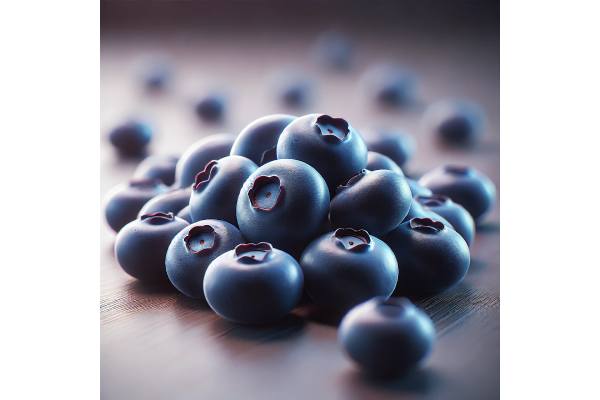
Blueberries punch well above their size. This small, sweet berry delivers fiber, vitamin C, vitamin K, and manganese—plus a dense package of polyphenols called...
Breadfruit nutrition and health benefits, glycemic index, gluten-free uses, and safety

Breadfruit has fed island communities for centuries, yet many home cooks are just discovering how versatile this tropical staple can be. Starchy when green...
Cantaloupe nutrition and health benefits explained with per-100-g facts and smart safety tips

Cantaloupe brings cool sweetness to warm days and practical nutrition to everyday meals. This orange-fleshed melon (a type of muskmelon) is about 90% water,...
Cape gooseberry nutrition, health benefits, uses, and safety

Cape gooseberry (Physalis peruviana), also known as goldenberry, uchuva, or aguaymanto, is a bright, sweet-tart fruit wrapped in a papery husk that looks like...
Carambola benefits and nutrition facts: vitamin C, fiber, calories, safety, and how to use star fruit

Carambola—better known as star fruit—earns its name from the bright, five-pointed cross-section that turns any fruit plate into a showpiece. Beyond looks, this tropical...
Chayote nutrition facts and health benefits, uses, recipes, and safety
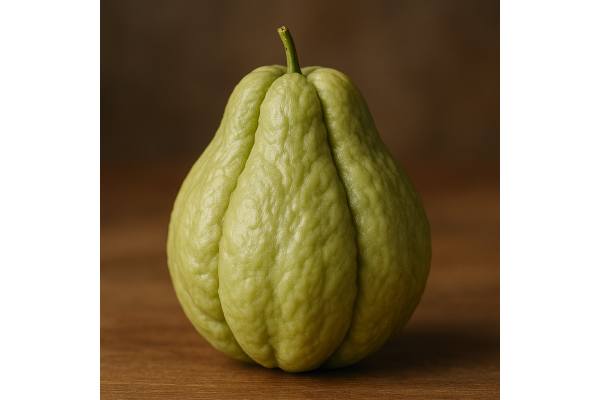
Chayote (Sechium edule) is a crisp, mild-tasting gourd with a pear-like shape and a long culinary history across Mexico, Central America, the Caribbean, and...
Cherry nutrition facts and health uses: polyphenols, fiber, and low glycemic impact

Cherries bring sunshine to the table—sweet or tart, crisp or tender—while offering more than a dessert note. Their deep red pigments signal polyphenols such...
Clementine guide: what to know about benefits, nutrition per 100 g, storage, and uses

Clementines are small, easy-peel citrus fruits prized for their bright sweetness, tender segments, and seedless convenience. They deliver a notable hit of vitamin C...
Coconut benefits and nutrition facts: calories, macros, vitamins and heart-health guidance

Coconut is more than a tropical flavor—it's a versatile ingredient that spans fresh meat, refreshing water, creamy milk, rich cream, and highly saturated oil....
Cranberry nutrition explained: vitamin C, proanthocyanidins, juice versus dried, and healthy uses
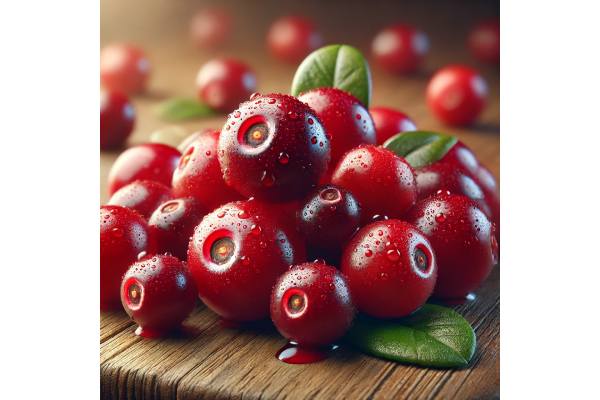
Cranberry brings far more to the table than a holiday sauce. This tart North American fruit offers a distinct mix of vitamin C, modest...
Cucumber nutrition guide: benefits, bioactives, vitamin K, and how to select and store

Fresh, crisp, and more versatile than it looks, cucumber brings cool crunch to salads, sandwiches, juices, and pickles while quietly supporting hydration. This heat-loving...
Currant benefits and nutrition: vitamin C, anthocyanins, uses, and safety explained
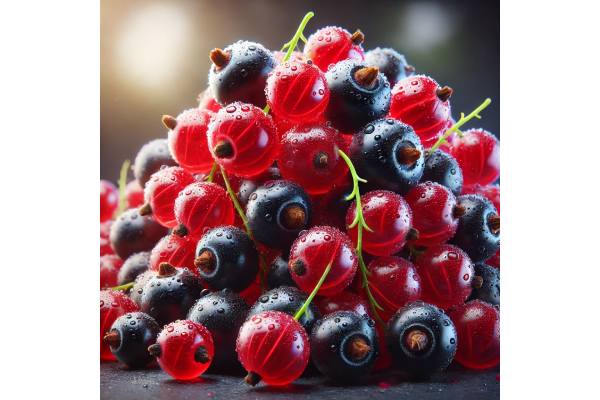
Tart, jewel-toned, and packed with plant compounds, currants are small berries with a big story. In most produce aisles you will see black currants...
Custard apple benefits and risks for health, calories, vitamins and how to use
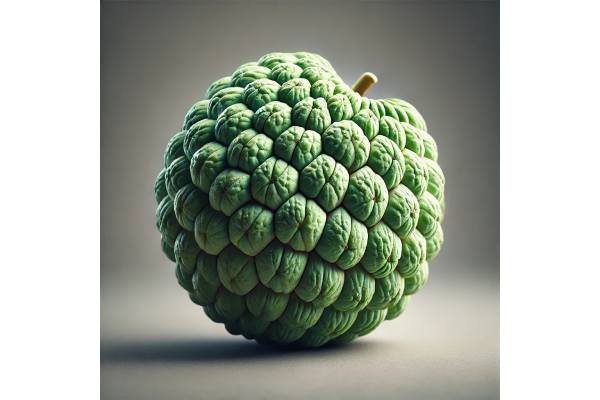
Custard apple is the umbrella name many shoppers use for a small group of creamy, perfumed fruits in the Annona family—most often sugar apple...
Date nutrition and health benefits explained: calories, carbs, fiber, and glycemic impact

Sweet, chewy, and surprisingly versatile, dates have nourished desert cultures for millennia—and they still earn a spot in modern kitchens. Beyond their natural caramel...
Dragon fruit health benefits and side effects, nutrition facts per 100 g, uses and storage

Dragon fruit—also called pitaya or pitahaya—looks exotic, but its appeal goes beyond color. This cactus fruit is mostly water, naturally low in calories, and...