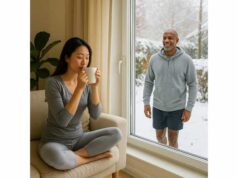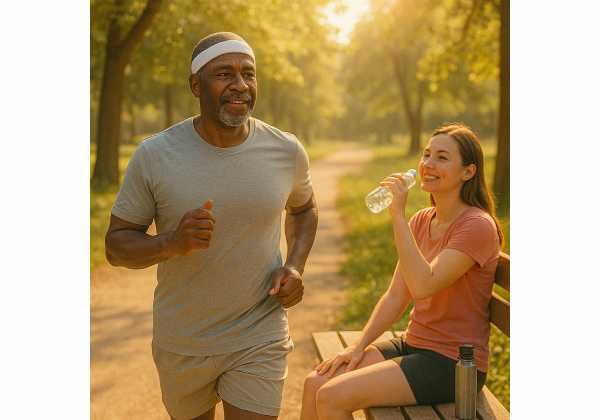
Heat acclimation trains the body to handle hot weather with less strain. With repeated, controlled heat exposure, the heart works more efficiently, sweating starts earlier, plasma volume expands, and hot days feel less overwhelming. For healthy aging, this is more than comfort. Heat tolerance protects walking, gardening, travel, outdoor exercise, sleep, and independence during summer.
The safest approach is gradual. A person who jumps from air-conditioned rooms to long workouts in full sun increases risk instead of resilience. A better plan uses short exposures, easy effort, steady hydration, and recovery days. Heat is a hormetic stressor: enough stress nudges adaptation, while too much creates fatigue, dizziness, dehydration, or heat illness. The aim is not to “tough it out.” The aim is to become summer ready with repeatable practice, clear limits, and respect for age, medications, fitness level, and local weather.
Table of Contents
- What Heat Acclimation Does
- Why Heat Tolerance Changes With Age
- Cellular Stress and Longevity Signals
- Who Should Use Extra Caution
- Beginner Heat Acclimation Plan
- Heat Methods That Fit Real Life
- Hydration, Recovery, and Tracking
- Summer-Ready Maintenance
What Heat Acclimation Does
Heat acclimation is the set of changes that happen after repeated exposure to warm or hot conditions. These changes reduce cardiovascular strain and improve heat loss. In plain language: the same walk on the same hot day feels easier after the body has practiced handling heat.
The main adaptations include:
- Earlier sweating. Sweat starts sooner, which helps cool the skin before body temperature rises too high.
- More efficient sweating. Sweat becomes more useful for cooling, especially when clothing and humidity allow evaporation.
- Plasma volume expansion. The liquid part of blood increases, helping the heart maintain blood flow to both muscles and skin.
- Lower heart rate at the same workload. A walk or easy ride in heat produces less strain after adaptation.
- Better salt conservation. Sweat often contains less sodium after repeated heat exposure.
- Improved comfort and confidence. Heat feels less threatening when the body has practiced it safely.
Full heat acclimation usually takes about 10–14 days of repeated exposure, though meaningful changes often start within the first week. Older adults and beginners often do best with a longer, gentler ramp. Fitness level, humidity, sleep, hydration, medications, and recent illness all change the response.
Heat acclimation differs from simply enduring heat. Enduring means suffering through discomfort. Acclimating means using the smallest dose that triggers adaptation without draining the body. This is the same logic behind minimum effective dose in hormesis: enough challenge to create a signal, not so much challenge that recovery fails.
Hot weather also adds hidden workload. Walking in 32°C heat with high humidity stresses the body more than walking at the same pace on a cool morning. The muscles do not explain the whole effort. The skin needs more blood flow, sweat glands work harder, and the heart helps move heat from the core to the surface. This is why a familiar pace suddenly feels difficult in summer.
For healthy aging, heat acclimation supports daily function. It helps preserve outdoor movement, reduces abrupt seasonal drops in activity, and improves readiness for heat waves. It does not make someone immune to extreme heat. It simply raises the margin of safety when paired with smart timing, shade, fluids, cooling breaks, and realistic effort.
Why Heat Tolerance Changes With Age
Aging changes heat tolerance even in active, healthy people. Sweat responses often become slower. Skin blood flow can decline. Thirst signals become less reliable. The heart, kidneys, and blood vessels may have less reserve during hot weather. Many adults also take medications that affect fluid balance, sweating, blood pressure, alertness, or heart rate.
The result is simple: heat strain builds faster and is harder to notice.
A younger person often feels intense heat discomfort early and backs off. An older adult may feel “fine” while body temperature, heart rate, or dehydration risk climbs. This mismatch makes gradual exposure and tracking more useful than willpower.
Common age-related heat challenges include:
- Lower sweat output in some regions of the body
- Reduced skin blood flow during heat stress
- Less thirst despite fluid loss
- Greater blood pressure changes after hot baths, saunas, or standing quickly
- Higher risk from sleep loss, alcohol, dehydration, and illness
- More medication interactions during heat waves
This does not mean older adults should avoid heat altogether. Avoidance creates its own problem. Staying indoors in cool air all spring and then facing summer heat without preparation leaves the body unpracticed. A gradual plan builds tolerance before the hottest weeks arrive.
Heat tolerance also depends on muscle and aerobic fitness. A strong, well-conditioned body handles walking, stairs, carrying groceries, and outdoor chores with less relative effort. Lower effort produces less internal heat. People with better cardiorespiratory fitness often tolerate warm conditions better because the same task uses a smaller share of their capacity. Zone 2 walking, cycling, and swimming remain useful companions to heat acclimation because they improve the engine that must operate in summer conditions.
Blood pressure deserves special attention. Heat widens blood vessels near the skin and increases sweating. This combination lowers circulating volume and can drop blood pressure, especially after sauna, hot baths, alcohol, large meals, or standing suddenly. People who monitor blood pressure at home should watch for unusual lows, lightheadedness, or a sudden change in their normal pattern. A careful home blood pressure routine gives useful context during the first weeks of heat training.
Heat acclimation is seasonal. Adaptations fade when heat exposure stops. After two to four weeks mostly indoors, some tolerance declines. The solution is not constant heat stress. One to three small heat exposures each week often help maintain comfort once summer readiness is built.
Cellular Stress and Longevity Signals
Heat acts on more than sweat glands. It also signals cells to protect proteins, tune inflammation, and improve stress resilience. This is why heat fits into cellular longevity discussions alongside exercise, fasting, cold, and other hormetic stressors.
One major pathway involves heat shock proteins. These proteins act like cellular chaperones. They help other proteins fold correctly, protect proteins from damage during stress, and support cleanup when proteins become misfolded. Protein quality control matters with age because damaged and misfolded proteins accumulate more easily over time. Heat exposure gives the cell a reason to strengthen this protective system. For a deeper explanation of the chaperone response, see heat shock proteins and healthy aging.
Heat also interacts with vascular function. Repeated passive heating, such as sauna or hot water immersion, increases skin blood flow and shear stress along blood vessel walls. Shear stress is the friction-like force of blood moving across the vessel lining. This signal helps the endothelium, the inner lining of blood vessels, produce nitric oxide and regulate vessel tone. Better endothelial function supports blood pressure control, circulation, and exercise tolerance.
Heat exposure also touches mitochondrial signaling. Mitochondria produce energy and respond to stress. A mild heat challenge can increase cellular defense pathways and support adaptation, especially when paired with regular movement. This does not mean heat replaces exercise. Exercise remains the stronger stimulus for muscle, glucose control, bone, and aerobic capacity. Heat works best as a complement, not a substitute.
Autophagy, the cell’s recycling process, also belongs in this conversation. Heat stress can influence protein turnover and cellular cleanup, but the effect depends on dose, tissue, timing, and recovery. The most practical approach is to place heat inside a broader resilience plan that includes sleep, protein, resistance training, aerobic work, and metabolic health. Readers building that foundation may benefit from starting with autophagy made simple before adding advanced stressors.
Heat also raises a useful warning: more signal is not always better. Too much heat creates oxidative stress, dehydration, gut strain, poor sleep, and next-day fatigue. Hormetic stress follows a curve. A moderate dose improves resilience. An excessive dose overwhelms repair. In everyday terms, a warm 20-minute walk that leaves you refreshed is useful. A hard noon workout that leaves you dizzy, sleepless, and wiped out is not.
Who Should Use Extra Caution
Heat acclimation suits many healthy adults, but some people need medical guidance before intentional heat exposure. Heat stress changes blood pressure, fluid balance, heart workload, and temperature regulation. Those changes matter more when health conditions or medications reduce reserve.
Use extra caution with:
- Heart disease, heart failure, chest pain, rhythm disorders, or a history of fainting
- Uncontrolled high blood pressure or frequent low blood pressure
- Kidney disease or fluid restrictions
- Diabetes, especially with neuropathy, autonomic symptoms, or glucose swings
- Multiple sclerosis or other heat-sensitive neurologic conditions
- Parkinson’s disease, dementia, or impaired thirst and temperature awareness
- Recent infection, fever, vomiting, diarrhea, or major fatigue
- Pregnancy
- Heavy alcohol use or dehydration
- A previous heat illness episode
Medication review matters. Diuretics, beta blockers, some blood pressure medications, stimulants, anticholinergics, antihistamines, some antidepressants, antipsychotics, and sedatives can change sweating, heart rate, hydration, alertness, or heat perception. A clinician or pharmacist can explain whether a medication plan needs hot-weather precautions.
Stop heat exposure immediately for warning signs:
- Dizziness, faintness, confusion, or unusual clumsiness
- Chest pain, shortness of breath, or heart palpitations
- Nausea, vomiting, chills, or goosebumps in heat
- Severe headache
- Stopping sweating while still hot
- Muscle cramps that do not ease with rest and fluids
- Unusual weakness or a feeling that something is wrong
Heat stroke is a medical emergency. Confusion, collapse, seizures, or very hot skin after heat exposure require urgent medical help and rapid cooling. Do not wait to “see how it goes.”
A useful safety rule: heat acclimation should leave you slightly challenged during the session and normal later the same day. If a session disrupts sleep, appetite, mood, balance, blood pressure, or next-day energy, the dose was too high.
Beginner Heat Acclimation Plan
A beginner plan should build heat tolerance without turning every session into a test. The easiest starting point is low-intensity outdoor movement in warm conditions, done before the hottest part of the day. The body gets the heat signal while effort stays controlled.
Use this plan when you are generally healthy, currently able to walk comfortably, and not under medical advice to avoid heat.
| Days | Heat dose | Effort | Notes |
|---|---|---|---|
| 1–3 | 10–20 minutes outdoors in warm conditions | Easy walk; able to speak full sentences | Choose morning or early evening. Stop before strong discomfort. |
| 4–6 | 20–30 minutes | Easy to moderate | Add shade breaks. Keep pace slower than cool-weather pace. |
| 7 | Rest or 10–15 minutes easy | Very easy | Use this day to check sleep, energy, and hydration. |
| 8–10 | 30–40 minutes | Moderate but controlled | Add a mild hill only if previous days felt good. |
| 11–13 | 35–50 minutes | Moderate; no hard intervals | Practice fluids, clothing, and pacing for summer routines. |
| 14 | Easy session or rest | Easy | Decide your maintenance dose for the next month. |
Start below your ability. Heat adds strain even when the pace feels slow. During the first week, reduce normal speed by 10–30%. Use perceived effort instead of pace. A smart heat session feels like practice, not punishment.
A simple session structure works well:
- Drink fluids earlier in the day.
- Wear loose, breathable clothing and a hat if in sun.
- Start with five slow minutes.
- Keep the main session easy enough to speak in full sentences.
- Finish before exhaustion.
- Cool down indoors, in shade, or with a cool shower.
- Recheck how you feel two hours later and the next morning.
Do not stack too much stress during the first two weeks. Avoid combining new heat exposure with hard intervals, heavy lifting, fasting, alcohol, poor sleep, or a large calorie deficit. Heat acclimation already asks the body to adapt. Adding several stressors at once makes it harder to know which one caused fatigue. The safest sequencing is similar to stacking stressors smartly: add one challenge, recover, then progress.
People who already exercise outdoors can use the same plan with their usual activity. Runners should slow down and consider run-walk intervals. Cyclists need to remember that airflow cools the skin while riding but heat strain rises quickly when stopping. Gardeners and hikers should count outdoor chores as heat exposure; they are not “free” just because they are not formal workouts.
Heat Methods That Fit Real Life
Heat acclimation works best when the method fits your life. Walking outdoors, sauna, hot baths, warm rooms, and gentle yard work all create heat exposure. Each method has a different safety profile.
Outdoor walking
Walking is the most practical starting point. It combines heat exposure with movement, balance, circulation, and light aerobic work. Morning walks are safer than midday sessions because the heat dose is easier to control. In humid climates, choose shorter walks because sweat evaporates poorly. In dry climates, sweat evaporates quickly, so dehydration can sneak up.
Use a shaded route with exit options. A loop near home is safer than a long out-and-back route. Carry water for sessions over 30 minutes or anytime heat feels strong.
Sauna
Sauna gives a strong passive heat signal without outdoor sun exposure. Beginners should start with 5–10 minutes at a comfortable temperature, sit rather than stand, and exit before dizziness. Many people do well with 1–3 rounds, but the first month does not require multiple rounds. Keep the session easy to repeat.
Sauna is not a detox shortcut. The useful signals come from heat stress, sweating, vascular responses, and recovery. For dosing details, session structure, and safety, a dedicated sauna guide for cellular health fits better than trying to force sauna into an outdoor heat plan.
Avoid alcohol before and after sauna. Stand up slowly. Cool down before showering if you feel lightheaded. People with heart disease, unstable blood pressure, fainting history, or complex medication plans should get medical clearance first.
Hot baths and hot water immersion
Hot baths create strong heat transfer because water conducts heat better than air. This makes them effective but also easier to overdo. A bath at 38–40°C can raise heat strain quickly. Start with 5–10 minutes, keep the upper chest or arms out if needed, and stand up slowly.
Hot baths increase risk of post-bath dizziness because warm water widens blood vessels and standing shifts blood downward. Use a non-slip surface, avoid locking the bathroom door, and skip hot baths when alone if you have fainting risk. A cooler shower afterward often feels better than an abrupt cold plunge.
Warm-weather chores
Gardening, sweeping, carrying bags, and walking errands all count. These tasks often involve bending, lifting, direct sun, and less attention to thirst. Treat them like training. Work in blocks of 15–30 minutes, pause in shade, and avoid “just one more thing” during a heat wave.
Indoor heat without equipment
Some people acclimate simply by spending short periods in warmer indoor conditions instead of staying in strong air conditioning all day. This might mean opening windows in the morning, doing gentle mobility in a warm room, or allowing the thermostat to sit slightly higher. This approach is mild but useful for sensitive beginners.
The best method is the one you repeat safely. Consistency beats intensity.
Hydration, Recovery, and Tracking
Hydration supports heat acclimation, but drinking extreme amounts of water creates its own risk. The aim is steady fluid balance, not forced overdrinking. Start sessions already hydrated. Pale yellow urine, normal energy, and stable body weight are useful signs. Very dark urine, headache, dry mouth, and unusual fatigue suggest you need more fluids before adding heat.
Electrolytes matter when sessions are long, sweat losses are high, or the weather is humid. Sodium helps retain fluid and supports blood pressure. Most short beginner sessions need only water and normal meals. Longer sessions, heavy sweating, low-carb diets, diuretic use, or salty sweat marks on clothing increase the need for sodium. A practical hydration and electrolytes plan helps prevent both dehydration and overcorrection.
A simple sweat check helps:
- Weigh yourself before and after a typical hot session, without heavy clothing.
- Each 0.5 kg lost equals roughly 500 mL of fluid loss.
- Replace gradually over the next few hours with fluids and food.
- Avoid starting the next session if weight remains unusually low and you feel flat.
Recovery is where adaptation becomes useful. Heat exposure without recovery becomes strain. Sleep, food, fluids, and easier training days turn the heat signal into better tolerance. Protein supports tissue repair. Carbohydrate helps when heat exposure combines with exercise. Salt supports fluid balance when sweat losses rise.
Track four simple signals during the first two weeks:
- Session effort: Did the same walk feel easier by week two?
- Heart rate: Did heart rate at the same pace drop over time?
- Recovery: Did sleep and next-day energy stay normal?
- Symptoms: Did dizziness, headache, nausea, or unusual fatigue appear?
Wearables help when used calmly. Heart rate, resting heart rate, and HRV trends show whether heat is adding too much strain. A single poor reading is not a crisis. A pattern of higher resting heart rate, lower HRV, poor sleep, and heavy legs means the heat dose needs to drop. This connects directly with HRV and recovery tracking, especially for people combining heat with endurance or strength training.
Cooling is part of recovery. Move to shade or air conditioning after the session. Take a cool or lukewarm shower. Use a fan when skin is wet. Eat a normal meal. Avoid turning every heat session into a contrast therapy experiment. Cold exposure immediately after heat feels good for some people, but beginners should first learn how they respond to heat alone.
Summer-Ready Maintenance
After two steady weeks, heat tolerance should feel more reliable. Warm walks feel less shocking. Sweating starts earlier. Heart rate rises less at the same easy pace. You understand your warning signs and know which time of day works best.
Maintenance needs less work than the initial ramp. Most people can preserve useful heat readiness with two or three warm exposures per week. These can be walks, sauna sessions, warm chores, or easy outdoor workouts. During a heat wave, maintenance shifts toward protection. Extreme heat is not the time to prove fitness.
Use this summer-ready rhythm:
- Mild heat days: Keep normal outdoor movement, but watch hydration.
- Moderate heat days: Train earlier, reduce pace, and shorten sessions.
- High heat or high humidity days: Use shade, indoor training, sauna only if already adapted, or rest.
- Heat wave days: Prioritize cooling, fluids, sleep, and checking on vulnerable people.
A good maintenance dose leaves you more capable, not more depleted. For many adults, that means 20–45 minutes of easy outdoor movement in warm weather several times weekly. Sauna users might choose 10–20 minutes, one to three times weekly, depending on experience and medical status. Hot bath users often need shorter sessions because the heat load is stronger.
Summer readiness also means changing plans quickly. Humidity, air pollution, poor sleep, travel, alcohol, illness, and emotional stress all reduce tolerance. A pace that felt easy last week may feel wrong today. Adjust without guilt. Longevity training rewards flexible consistency.
Heat acclimation pairs well with resistance training and aerobic work, but timing matters. Avoid hard lifting immediately after strong heat exposure if you feel lightheaded or drained. Avoid intense intervals in heat unless you are experienced, healthy, and already acclimated. On demanding training days, place heat later and keep it short, or separate it by several hours.
The most useful mindset is seasonal practice. Build heat tolerance in late spring. Maintain it through summer. Reduce the dose during heat waves. Rebuild gently after travel, illness, or long indoor periods. This keeps heat in the category of resilience training instead of risk-taking.
Healthy aging depends on staying capable in real environments. Summer brings heat, humidity, travel, outdoor chores, and social events. A gradual heat acclimation plan helps the body meet those conditions with less strain. It protects movement, confidence, and independence while respecting the limits that keep heat hormetic rather than harmful.
References
- Short-term heat acclimation protocols for an aging population: Systematic review 2023 (Systematic Review)
- Passive heat therapy: a promising preventive measure for people at risk of adverse health outcomes during heat extremes 2024 (Review)
- Heat therapy: mechanistic underpinnings and applications to cardiovascular health 2021 (Review)
- ACSM Expert Consensus Statement on Exertional Heat Illness: Recognition, Management, and Return to Activity 2021 (Consensus Statement)
- The effect of age and mitigation strategies during hot water immersion on orthostatic intolerance and thermal stress 2023 (Clinical Study)
- Heat and Older Adults (Aged 65+) 2024 (Official Guidance)
Disclaimer
This article is educational and does not replace care from a qualified health professional. Heat exposure changes blood pressure, hydration, heart workload, and medication risk, especially in older adults and people with chronic conditions. Seek medical guidance before using sauna, hot baths, or outdoor heat training if you have heart, kidney, neurologic, blood pressure, or fainting concerns.