
Lutein and Zeaxanthin for Healthy Aging: Eye and Brain Support
Lutein and zeaxanthin are yellow-orange plant pigments that collect in the retina and brain, where they help protect tissue exposed to light, oxygen, and...
Magnesium for Longevity: Sleep, Recovery, and Metabolic Health
Magnesium supports the quiet systems that shape healthy aging: sleep quality, muscle function, glucose control, blood pressure regulation, bone strength, and energy production. It...
Melatonin for Longevity: Sleep and Circadian Health in Aging
Melatonin is useful for healthy aging when it solves a specific sleep-timing problem, not when it is treated as a general anti-aging pill. Its...
Microdose Lithium Orotate and Longevity: Evidence, Controversies, and Safety

Microdose lithium orotate sits in an unusual place between nutrition, psychiatry, brain aging, and supplement marketing. Lithium is a naturally occurring trace element found...
NAC for Longevity: Oxidative Stress, Detox, and Resilience
N-acetylcysteine, usually called NAC, is a supplemental form of the amino acid cysteine. Its main longevity interest comes from a simple job with wide...
NAD Plus in Aging: NR, NMN, Niacin, and Niacinamide Explained
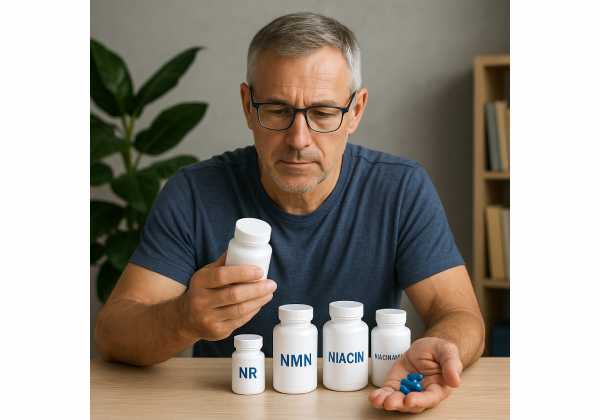
NAD+ is a vitamin-B3-derived coenzyme that helps cells turn food into energy, repair damage, regulate stress responses, and keep metabolism running. Interest in NAD+...
NMN and NR for Longevity: Evidence, Use Cases, and Regulatory Status
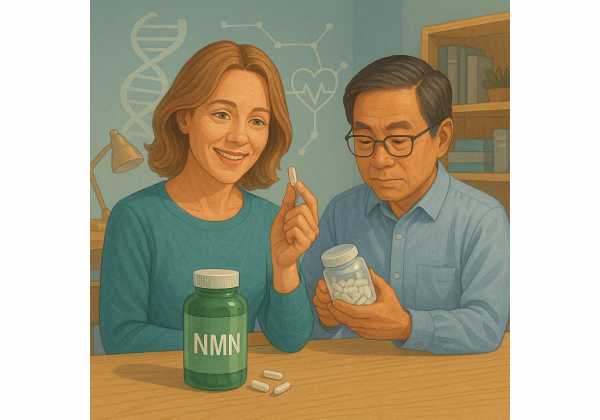
NMN and NR are popular NAD+ precursors sold for healthy aging, energy metabolism, and cellular repair. They raise interest because NAD+ supports enzymes involved...
Omega 3s for Healthy Aging: EPA, DHA, and the Omega 3 Index
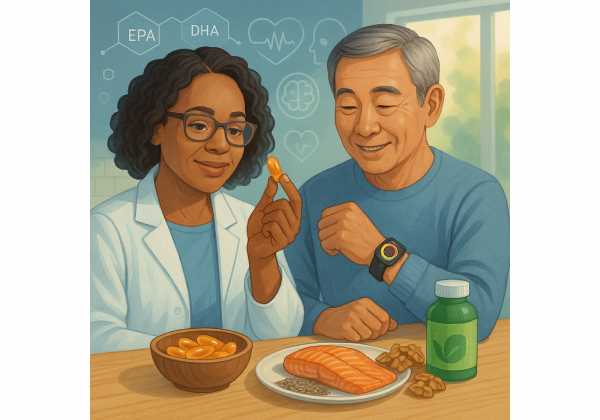
Omega 3s matter in healthy aging because they become part of cell membranes, influence inflammatory signaling, support triglyceride metabolism, and help maintain the structure...
Phosphatidylserine for Cognitive Aging: Memory and Stress Regulation

Phosphatidylserine is a fat-like molecule found in every cell membrane, with especially high levels in brain tissue. As a supplement, it attracts attention because...
PQQ for Longevity: Mitochondrial Biogenesis, Promise, and Limits

PQQ, short for pyrroloquinoline quinone, has earned attention because it touches a process central to aging biology: mitochondrial health. Mitochondria turn food into usable...
Prebiotics and Postbiotics for Longevity: Inulin, GOS, and Butyrate

Gut health affects more than digestion. A resilient gut helps regulate bowel rhythm, supports the intestinal barrier, shapes immune signaling, and produces metabolites that...
Probiotics for Healthy Aging: Strains, Functions, and Evidence
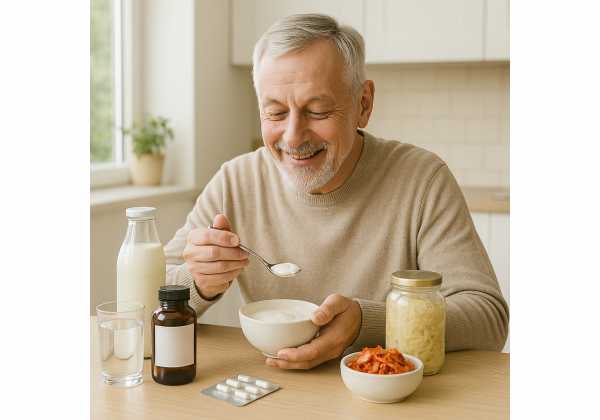
Probiotics are live microbes used for a specific health effect, not a general “gut reset.” In healthy aging, their strongest roles relate to digestion,...
Pterostilbene for Healthy Aging: How It Compares to Resveratrol
Pterostilbene is a plant polyphenol closely related to resveratrol, the better-known compound found in grapes, red wine, peanuts, and berries. Both belong to a...
Quercetin for Longevity: Senotherapeutic Mechanisms and Safety
Quercetin is a plant flavonol found in onions, capers, apples, berries, tea, and many herbs. In longevity science, it draws attention for a specific...
Resveratrol for Longevity: Mechanisms, Human Evidence, and Safety
Resveratrol sits at the center of a familiar longevity story: a plant compound found in grapes, berries, peanuts, and Japanese knotweed that seems to...
Rhodiola for Healthy Aging: Stress Resilience and Recovery

Rhodiola rosea is a mountain herb used for fatigue, stress tolerance, and mental stamina. In healthy aging, its best fit is not “anti-aging” in...
SAMe for Healthy Aging: Mood, Methylation, and Longevity Context
SAMe is best understood as a biologically active methyl donor, not as a general anti-aging shortcut. The body makes it from methionine and ATP,...
Selenium for Longevity: Thyroid, Antioxidant Defense, and Safety

Selenium sits in a narrow zone between essential and excessive. Adults need only 55 mcg per day, yet that small amount supports thyroid hormone...
Spermidine for Longevity: Autophagy and Cognitive Aging Evidence
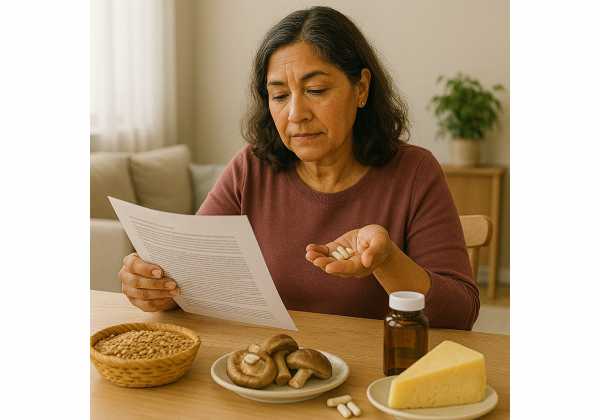
Spermidine sits at the intersection of nutrition, cellular cleanup, and brain aging. It is a natural polyamine, a small compound found in human cells...
Sulforaphane for Longevity: NRF2 Activation and Cellular Defense

Sulforaphane is a sulfur-rich plant compound best known for turning on NRF2, a master regulator of cellular defense. It forms when glucoraphanin, found in...