
Taurine and Aging: Potential Benefits, Limits, and Research Gaps

Taurine has become one of the more interesting nutrients in longevity research because it sits between basic biology and real-world supplementation. It is not...
TUDCA for Healthy Aging: Cellular Stress and Mitochondrial Support
TUDCA is a bile acid with an unusual role in longevity discussions: it is less about “boosting” one pathway and more about helping stressed...
Urolithin A for Healthy Aging: Mitochondrial Health and Muscle Function

Urolithin A is a postbiotic compound linked to mitochondrial renewal, muscle endurance, and healthy aging research. Your body does not get much urolithin A...
Vitamin C for Healthy Aging: Collagen Turnover and Antioxidant Support

Vitamin C supports healthy aging in a basic but important way: it helps the body build and maintain collagen while also helping cells manage...
Vitamin D and K2 for Aging: Bone and Cardiovascular Health

Vitamin D and vitamin K2 sit at the center of a simple aging question: how do you keep calcium working for bones without encouraging...
Zinc for Healthy Aging: Immunity, Hormones, and Dosing

Zinc is a small-dose mineral with a large role in healthy aging. The body uses it for immune defense, tissue repair, taste and smell,...
Blue Light at Night and Aging: Screen Hygiene That Actually Works

Blue light gets blamed for bad sleep, but the real problem is broader: bright, stimulating light at the wrong time. Phones, tablets, TVs, laptops,...
Breathwork for Sleep and Stress: 4-7-8, Box Breathing, and HRV Biofeedback

Breathwork helps sleep and stress most when it slows the body down, steadies attention, and makes exhalation feel safe rather than forced. A few...
Caffeine, Alcohol, and Late Meals: Timing Rules for Sleep and Longevity
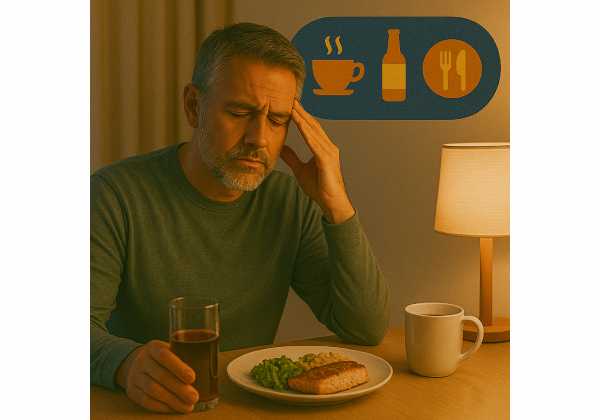
Sleep improves when the evening has fewer chemical mixed messages. Caffeine tells the brain to stay alert by blocking adenosine, the pressure signal that...
Chrononutrition and Sleep: Meal Timing for Healthy Aging
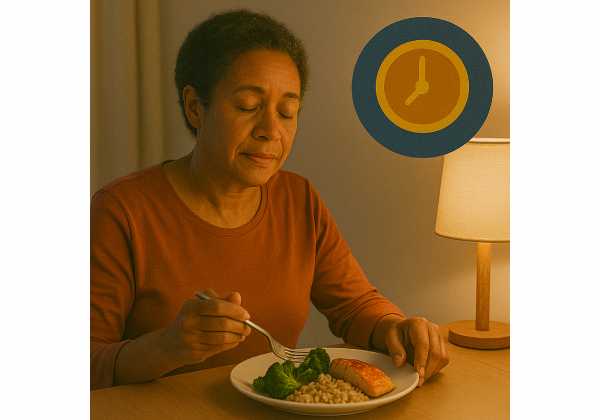
Chrononutrition connects two daily rhythms that shape healthy aging: when you eat and when you sleep. Meals do more than deliver calories and nutrients....
Circadian Rhythm and Healthy Aging: Resetting Your Body Clock
Your circadian rhythm is the 24-hour timing system that helps your body know when to feel alert, digest food, release hormones, cool down, repair...
Exercise Timing and Sleep in Midlife: Morning vs Evening for Recovery
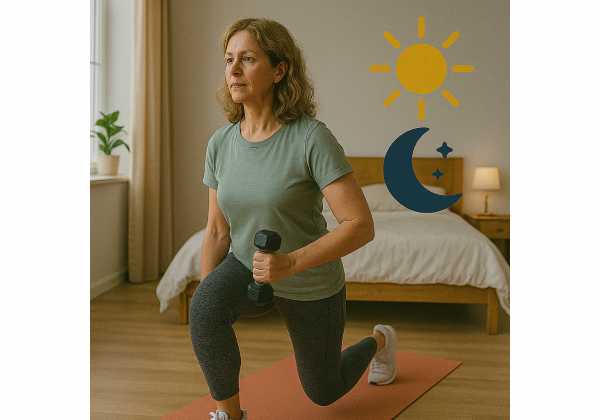
In midlife, exercise timing starts to feel less like a scheduling detail and more like a recovery tool. A hard workout that felt harmless...
HRV and Longevity: What Heart Rate Variability Says About Recovery

Heart rate variability, or HRV, gives you a daily look at how well your body is handling stress, training, sleep, illness, and recovery. It...
Insomnia in Midlife and Healthy Aging: A Practical CBT-I Guide
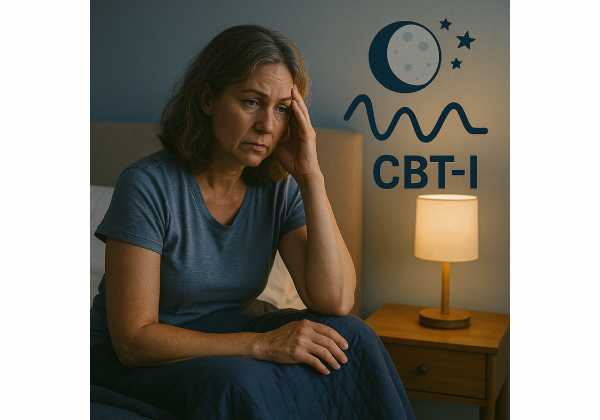
Insomnia in midlife is more than a rough night here and there. It becomes a health problem when the bed starts to feel like...
Magnesium, Glycine, and L-theanine for Sleep in Aging: What Works

Sleep often becomes lighter, shorter, and easier to disrupt with age. The answer is not simply “take something calming.” Older adults and midlife adults...
Meditation and Mindfulness for Healthy Aging: Calming the HPA Axis

Meditation trains the body to leave stress mode more efficiently. That matters with age because repeated stress, poor sleep, pain, worry, and late-day rumination...
Melatonin for Healthy Aging: Microdosing, Timing, and Safety

Melatonin is best understood as a darkness signal, not a knockout pill. Your brain releases it in the evening to help coordinate sleep timing,...
Menopause, Andropause, and Sleep: Hormones and Healthy Aging

Menopause and age-related testosterone decline often show up at night before they feel obvious during the day. Sleep becomes lighter. Awakenings last longer. Heat,...
Morning Light and Evening Darkness: Simple Circadian Wins for Longevity

Morning light and evening darkness give the body a clean daily time signal. That signal helps coordinate sleep, alertness, appetite, body temperature, blood pressure,...
Mouth Breathing, Tape, and Nasal Health: What Helps Sleep and Longevity

Mouth breathing during sleep often starts as a small nuisance: dry mouth, cracked lips, morning breath, snoring, or waking up thirsty. Over time, it...