
Napping and Longevity: Best Practices for Energy and Brain Health
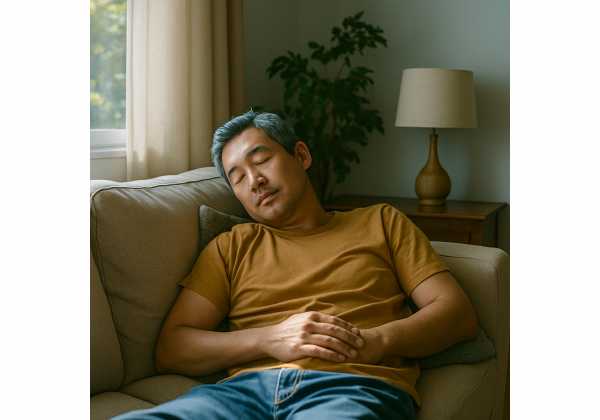
Napping works best as a targeted recovery tool, not as a replacement for solid nighttime sleep. A short, well-timed nap improves alertness, mood, reaction...
Pain, Inflammation, and Sleep in Older Adults: Getting Comfortable
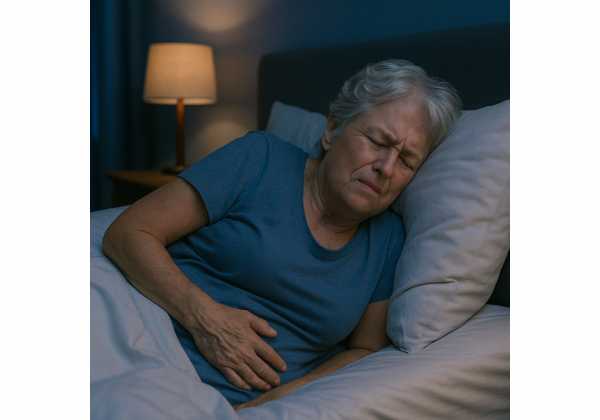
Pain and poor sleep feed each other. A sore hip, aching back, stiff hands, burning feet, or tender shoulder often feels worse when the...
Restless Legs and Periodic Limb Movements: A Guide for Aging Sleep
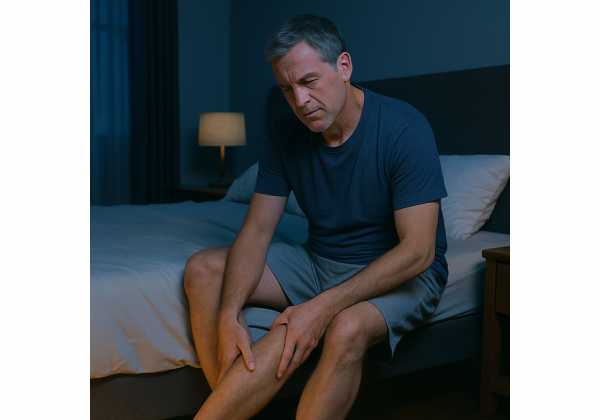
Restless legs syndrome and periodic limb movements turn rest into work. The person is tired, the bed is comfortable, and the room is quiet,...
Sauna, Cold, and Contrast: Recovery Routines for Sleep and Longevity
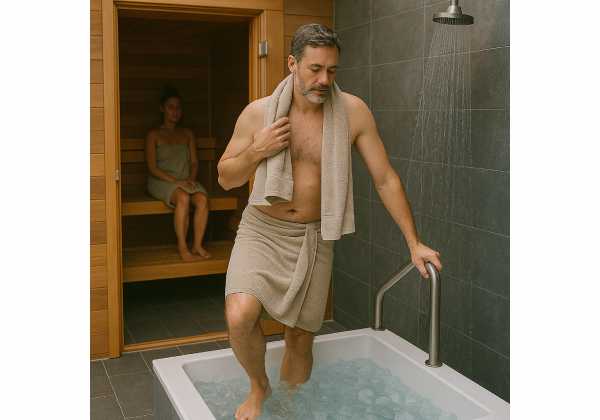
Heat and cold routines feel powerful because they change the body’s state quickly. A sauna raises skin temperature, heart rate, sweating, and blood flow....
Shift Work, Jet Lag, and Social Jet Lag: Longevity Strategies

Shift work, jet lag, and social jet lag all create the same core problem: the body receives mixed timing signals. Light, sleep, meals, movement,...
Sleep Across the Decades: A Healthy Aging Checklist by Age
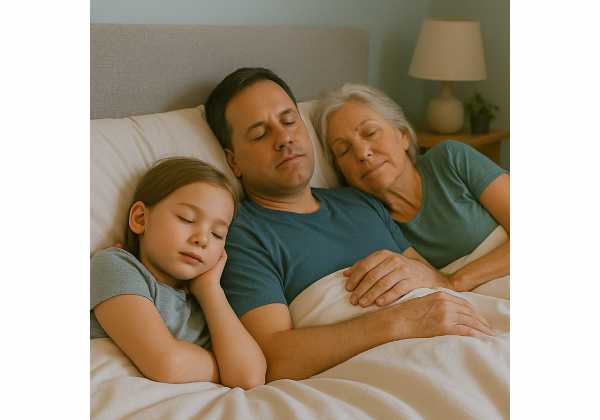
Sleep changes as the body ages, but poor sleep should never be dismissed as “just getting older.” Healthy aging depends on enough sleep, steady...
Sleep Aids in Aging: Antihistamines, Z-drugs, and Safer Alternatives

Sleep changes with age, but chronic poor sleep should not be dismissed as normal aging. Many adults sleep less deeply, wake earlier, or spend...
Sleep and Brain Aging: Glymphatic Clearance, Memory, and Risk Reduction
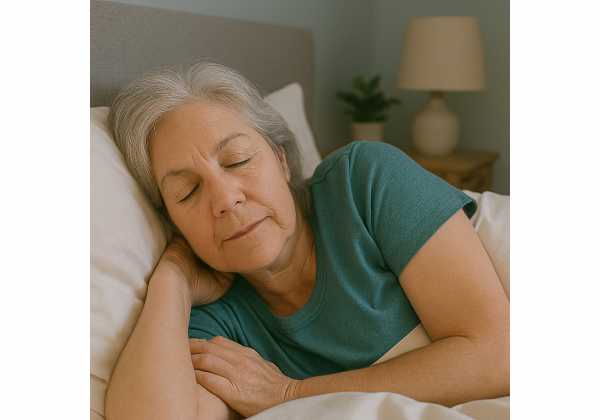
Sleep is one of the most powerful daily signals your brain receives. During the night, the brain shifts from taking in the world to...
Sleep Apnea and Longevity: Signs, Testing, and Treatment Basics
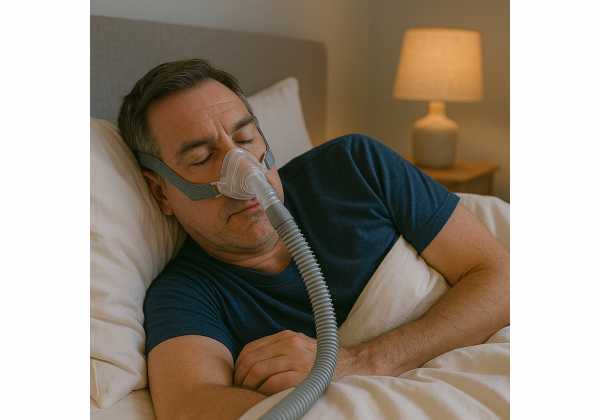
Sleep apnea is one of the most overlooked threats to healthy aging because it damages recovery during the hours meant to restore it. Repeated...
Sleep Duration and Longevity: How Much Sleep Adults Actually Need
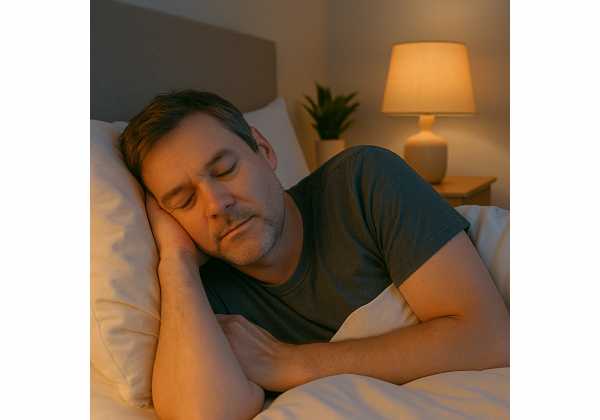
Most adults need at least 7 hours of sleep per night to support long-term health. Many do best with 7–9 hours, while adults 65...
Sleep Hygiene for Healthy Aging: Bedroom, Temperature, and Noise
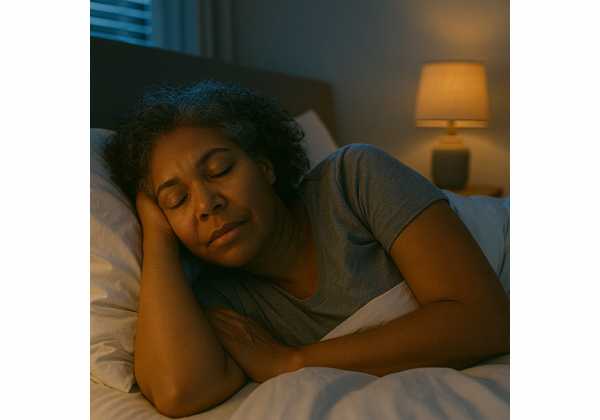
Sleep gets lighter and more easily disrupted with age, but the bedroom still gives you real control over recovery. A room that stays dark,...
Sleep Quality and Aging: Deep Sleep, REM, and Recovery Targets
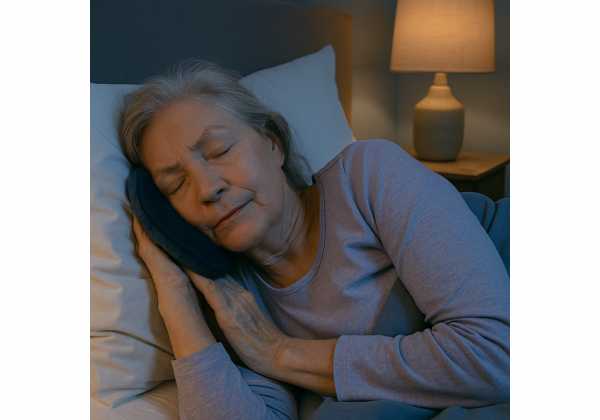
Sleep changes with age, but poor sleep is not something to accept as normal. Many adults notice lighter sleep, earlier waking, more bathroom trips,...
Snoring Without Apnea in Aging: Causes, Risks, and Fixes
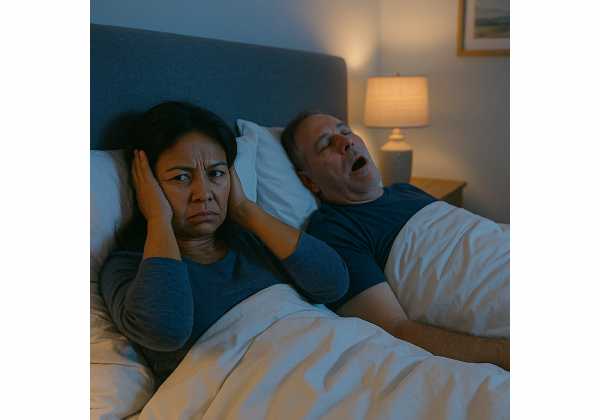
Snoring without apnea means noisy breathing during sleep without repeated breathing pauses, major oxygen drops, or the sleep fragmentation that defines obstructive sleep apnea....
Social Connection, Loneliness, and Sleep: Protecting Healthspan

Sleep is not only a private nighttime habit. It is shaped by the safety, timing, support, and emotional tone of daily life. Strong relationships...
Stress Resilience for Longevity: From Rumination to Recovery
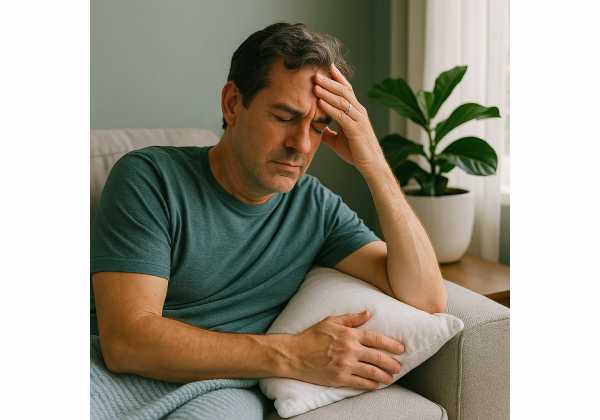
Stress resilience is the ability to meet pressure, settle the body afterward, and return to clear thinking without staying stuck in alarm mode. It...
Wearables and Sleep in Aging: What to Track and What to Ignore
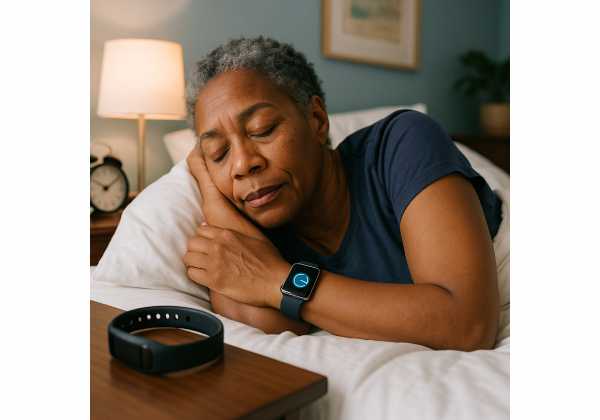
Sleep wearables are useful when they reveal patterns, not when they turn every night into a scorecard. In midlife and later life, sleep often...
Alcohol and Longevity: What New Evidence Means for Your Plate

Alcohol sits in an awkward place in longevity nutrition. It is part of meals, celebrations, and culture, yet it is also a toxic, psychoactive...
Anti Constipation Nutrition for Aging: Fiber, Fluids, and Timing

Constipation becomes more common with age because the gut, appetite, thirst signals, movement patterns, medications, and daily routines all change. The fix is rarely...
Anti Craving Strategies for Healthy Aging: Protein, Fiber, and Routine
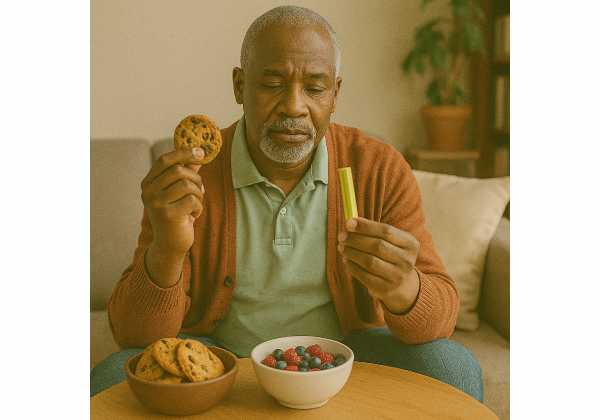
Cravings feel simple in the moment: the cookie, chips, bread basket, or late-night snack seems to call your name. Underneath, cravings usually reflect a...
Anti Inflammatory Eating for Longevity: Simple Food Swaps That Help

Inflammation is part of normal healing, but long-running, low-grade inflammation wears on blood vessels, joints, muscles, the brain, the liver, and metabolic health. Food...