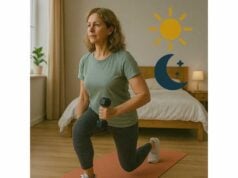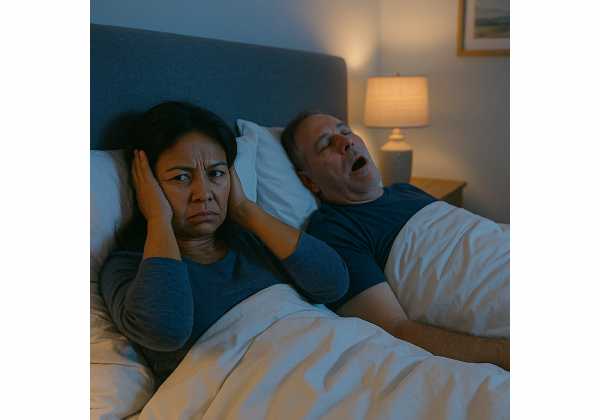
Snoring without apnea means noisy breathing during sleep without repeated breathing pauses, major oxygen drops, or the sleep fragmentation that defines obstructive sleep apnea. It still deserves attention, especially in midlife and older adulthood. Aging changes the nose, soft palate, tongue, throat muscles, body fat distribution, sleep depth, medications, and hormone patterns. Those changes make the upper airway more likely to vibrate even when airflow never stops.
Simple snoring is often treated as a bedroom annoyance, but it affects sleep quality, relationships, morning comfort, and sometimes blood pressure risk signals. It also sits on the same spectrum as sleep-disordered breathing, so the first step is not to silence the sound at all costs. The first step is to make sure the snoring is truly non-apneic, then match the fix to the cause: position, nasal airflow, alcohol timing, weight change, mouth breathing, jaw position, or soft-palate vibration.
Table of Contents
- What Snoring Without Apnea Means
- Why Snoring Gets More Common With Age
- Risks That Still Matter
- When to Get Tested
- Fix the Main Causes First
- Devices, Medical Care, and Procedures
- A Practical Snoring Plan
What Snoring Without Apnea Means
Snoring is the sound of soft tissue vibration in a narrowed upper airway. During sleep, muscles around the throat relax. Air then moves through the nose, soft palate, uvula, tongue base, and throat. When that pathway narrows enough, tissues flutter. The result ranges from a soft rumble to loud, irregular bursts that wake a bed partner.
Snoring without apnea is often called primary snoring or isolated snoring. The person snores, but a proper sleep test does not show clinically meaningful obstructive sleep apnea. In plain terms, airflow is noisy but not repeatedly blocked enough to cause frequent apneas, hypopneas, or oxygen dips.
That distinction matters. Obstructive sleep apnea needs a medical diagnosis and treatment plan because it is linked with daytime sleepiness, high blood pressure, atrial fibrillation, insulin resistance, stroke risk, and accidents from drowsiness. Snoring without apnea is usually lower risk, but it is not automatically harmless, especially when it is loud, nightly, new, or paired with poor sleep.
The difference is not always obvious from sound alone. Loud snoring does not prove apnea, and quiet snoring does not rule it out. Some people with severe apnea have pauses, gasping, and heavy snoring. Others have subtle breathing changes and mainly complain of fatigue, morning headaches, or insomnia. For a deeper look at apnea signs and treatment basics, see sleep apnea testing and treatment basics.
A useful way to think about snoring is as a spectrum:
| Pattern | What happens | Common clues | Usual next step |
|---|---|---|---|
| Primary snoring | Airway tissues vibrate, but breathing stays mostly stable | Noisy sleep, dry mouth, bed partner disturbance | Cause-based fixes and testing if red flags appear |
| Upper airway resistance | Breathing effort rises enough to disturb sleep, often without large oxygen drops | Unrefreshing sleep, frequent awakenings, fatigue | Sleep specialist review if symptoms persist |
| Obstructive sleep apnea | Airflow repeatedly reduces or stops during sleep | Witnessed pauses, gasping, sleepiness, morning headaches, high blood pressure | Sleep testing and medical treatment |
Wearables and phone apps sometimes help reveal patterns, but they do not diagnose apnea. A phone recording that shows snoring after alcohol or only on the back gives useful clues. A ring or watch that reports oxygen dips, frequent awakenings, or a rising overnight heart rate points toward a need for proper testing. Use these tools as pattern trackers, not final answers. For a practical view of consumer sleep data, see what to trust in sleep wearables.
Why Snoring Gets More Common With Age
Snoring rises with age because the airway becomes easier to narrow during sleep. That shift rarely comes from one cause. Most aging adults who snore have two or three contributors at the same time.
Muscle tone changes are a major reason. The muscles that help hold the airway open lose some firmness with age, especially during deeper relaxation. The tongue and soft palate then sit closer to the back of the throat. Even a small reduction in airway space increases vibration.
Body fat distribution also changes. A person does not need obesity to snore. A few kilograms gained around the neck, jawline, upper trunk, or abdomen raises airway pressure during sleep. Abdominal weight also pushes the diaphragm upward when lying down, especially after a heavy evening meal. This reduces lung volume and makes the throat more collapsible.
The nose often becomes a bigger factor with age. Allergic rhinitis, chronic congestion, a deviated septum, nasal valve narrowing, sinus inflammation, medication-related dryness, or dry bedroom air all increase nasal resistance. When nasal breathing feels difficult, the mouth opens. Mouth breathing drops the jaw backward, dries the throat, and makes soft-palate vibration more likely. Nasal airflow is a major part of the snoring puzzle; for related strategies, see nasal health and mouth breathing during sleep.
Sleep position changes the airway within minutes. Back sleeping lets the tongue and soft palate fall backward. Side sleeping usually reduces vibration. This is why many people snore loudly for part of the night rather than the whole night. A bed partner might notice that snoring starts after the person rolls onto the back near morning.
Alcohol and sedatives intensify the problem. Alcohol relaxes throat muscles, delays airway responses, and fragments sleep later in the night. Benzodiazepines, some sleep medicines, opioids, and sedating antihistamines have similar effects in susceptible people. Timing matters: alcohol within 3–4 hours of bed often worsens snoring more than the same drink taken earlier. For a broader timing guide, see caffeine, alcohol, and late meals before sleep.
Hormone changes also matter. After menopause, lower estrogen and progesterone levels are linked with changes in fat distribution, airway stability, hot flashes, insomnia, and greater risk of sleep-disordered breathing. In aging men, lower testosterone is not a simple direct cause of snoring, but shifts in muscle, visceral fat, and sleep quality often travel together. Hormone-related sleep changes deserve a wider look when snoring appears alongside night sweats, awakenings, weight gain, or fatigue; see menopause, andropause, and sleep.
Several everyday factors make aging-related snoring worse:
- A dry bedroom or winter heating that dries the nose and throat
- Large dinners, reflux, or late snacking close to bedtime
- Smoking or secondhand smoke exposure
- Chronic nasal allergies or untreated congestion
- Sleeping flat with the head extended backward
- Dentures removed at night in some people, which changes jaw support
- Muscle loss and low physical activity
- Sedating medications taken at night
- Poor sleep schedule and sleep deprivation, which deepen rebound sleep and relax the airway
The useful point is simple: aging increases vulnerability, but snoring still has modifiable causes. The best fix starts with the strongest contributor, not with the loudest advertisement.
Risks That Still Matter
Snoring without apnea is usually less medically serious than obstructive sleep apnea. Still, “not apnea” does not mean “ignore it.” The most common harm is sleep disruption for another person. Bed partners often lose sleep, move rooms, feel resentment, or wake the snorer repeatedly. Over months, that affects mood, intimacy, and daytime energy for both people.
The snorer also feels effects. Throat vibration and mouth breathing dry the mouth, irritate the throat, and worsen morning bad breath. Some people wake with a sore throat or a heavy feeling in the head. If snoring causes brief arousals that do not meet apnea criteria, the person might report light sleep, frequent awakenings, or fatigue without knowing why.
Cardiometabolic risk is the harder question. Obstructive sleep apnea is a proven risk factor for several cardiovascular problems. Isolated snoring has weaker and less consistent evidence. Some studies link frequent snoring with high blood pressure or early vascular changes, while other studies struggle to separate snoring from body weight, age, alcohol, nasal obstruction, and undetected apnea.
A sensible approach treats loud habitual snoring as a signal to check the basics rather than as a diagnosis of disease. Adults who snore most nights should know their blood pressure, waist size, glucose status, and daytime sleepiness level. Home blood pressure is especially useful because clinic readings miss some nighttime and morning patterns. For measurement technique, see proper home blood pressure tracking.
Snoring also matters because it changes over time. A person might start with primary snoring, then develop apnea after weight gain, menopause, sedative use, nasal obstruction, or reduced activity. The sound often becomes louder, more irregular, and more interrupted. A bed partner might hear choking, silence, then a snort or gasp. That pattern is different from steady rhythmic snoring.
Use this risk filter:
| Pattern | Concern level | Best response |
|---|---|---|
| Soft snoring only during colds or allergies | Low | Treat congestion and review sleep position |
| Steady snoring only on the back | Low to moderate | Use side-sleeping strategies and track results |
| Loud snoring most nights | Moderate | Check alcohol timing, weight trend, nasal airflow, and blood pressure |
| Snoring with choking, gasping, pauses, or sleepiness | High | Arrange sleep testing |
| New snoring with heart disease, stroke history, resistant hypertension, or atrial fibrillation | High | Seek clinician-guided evaluation |
One more risk deserves attention: self-treatment that masks apnea. Mouth tape, over-the-counter oral devices, sedating sleep aids, or aggressive position hacks should not replace testing when red flags are present. Quieting the noise is not the same as normalizing breathing.
When to Get Tested
Testing is the right move when snoring comes with signs of unstable breathing, poor oxygenation, or impaired daytime function. A sleep test separates primary snoring from obstructive sleep apnea and helps avoid guessing.
Arrange medical evaluation when any of these apply:
- Someone sees breathing pauses, choking, gasping, or snorting awakenings.
- Snoring is loud enough to be heard through a closed door.
- Morning headaches, dry mouth, or night sweats happen often.
- Daytime sleepiness affects driving, reading, meetings, or conversations.
- Blood pressure is high, rising, or hard to control.
- Atrial fibrillation, heart failure, stroke, or coronary artery disease is present.
- Type 2 diabetes, metabolic syndrome, or significant weight gain is present.
- Sleep feels unrefreshing despite 7–9 hours in bed.
- Snoring began or worsened after starting sedatives, opioids, or alcohol at night.
- A wearable repeatedly shows oxygen dips or unusually restless sleep.
A home sleep apnea test is often used for adults with a clear suspicion of moderate to severe obstructive sleep apnea and without complicated medical issues. In-lab polysomnography gives more detail and is preferred when symptoms are complex, when insomnia is prominent, when limb movements or other sleep disorders are suspected, or when home testing gives a negative result despite strong symptoms.
Before the appointment, gather practical evidence. Record two or three short audio clips from different nights. Note whether snoring is worse after alcohol, late meals, nasal congestion, or back sleeping. Ask the bed partner about pauses, gasps, and body position. Bring a medication list, including sleep aids, allergy pills, pain medicines, and supplements.
A simple one-week log helps:
| Item | What to write down |
|---|---|
| Snoring pattern | Soft, loud, steady, irregular, back-only, all night |
| Breathing clues | Pauses, gasps, choking, restless movements |
| Morning symptoms | Headache, dry mouth, sore throat, fatigue |
| Evening triggers | Alcohol, late meal, sedative, nasal congestion |
| Daytime function | Sleepiness, naps, concentration, driving drowsiness |
| Vitals and context | Blood pressure, weight trend, waist change, new medicines |
Testing is not a failure of lifestyle. It is the shortcut to the right plan. If the test confirms no apnea, you gain confidence to focus on snoring-specific fixes. If it shows apnea, treatment protects far more than bedroom quiet.
Fix the Main Causes First
The best non-apnea snoring plan starts with low-risk changes that target the most common causes. Give each change enough time to judge it. Snoring varies from night to night, so one quiet night does not prove success.
Change sleep position before buying devices
Back sleeping is one of the most common triggers. Side sleeping keeps the tongue and soft palate from falling directly backward. It also reduces vibration in many positional snorers.
Try this for 2 weeks:
- Sleep on the left or right side rather than flat on the back.
- Use a firm pillow behind the back or a positional sleep belt.
- Raise the head of the bed slightly if reflux or nasal congestion contributes.
- Avoid a stack of soft pillows that bends the neck sharply.
The neck position matters. A chin tucked too far down narrows the throat. A head tipped too far back dries the mouth and encourages mouth opening. Aim for a neutral neck, similar to standing tall.
Protect nasal airflow
Nasal blockage turns mild snoring into loud snoring. Treat the cause rather than forcing air through a blocked nose.
Useful steps include:
- Rinse the nose with sterile saline in the evening during allergy or cold seasons.
- Use a nasal strip or nasal dilator if the nostrils collapse during inhalation.
- Reduce bedroom dryness with humidity around 40–50% when air is very dry.
- Discuss nasal steroid sprays with a clinician if allergies or chronic rhinitis are present.
- Review structural problems such as a deviated septum or nasal valve collapse with an ENT clinician when one-sided obstruction persists.
Mouth taping gets attention, but it is not the first step for aging adults with significant snoring. Never tape the mouth when nasal breathing is poor, when nausea or reflux is active, after alcohol or sedatives, or when apnea has not been ruled out despite red flags. Nasal airflow must come first.
Move alcohol and heavy food earlier
Alcohol close to bedtime is one of the fastest ways to worsen snoring. It relaxes the airway, increases mouth breathing, and fragments sleep in the second half of the night. A practical rule is to avoid alcohol within 3–4 hours of bed and compare snoring recordings on alcohol-free nights.
Late heavy meals also worsen snoring in some people. A full stomach raises pressure under the diaphragm and increases reflux risk. Reflux irritates the throat and can inflame tissues around the airway. Finish large meals at least 3 hours before bed, especially meals high in fat or spicy foods.
Reduce airway load through body composition
Weight loss is not the answer for every snorer, but it is powerful when snoring worsened with neck, waist, or abdominal weight gain. Even modest fat loss changes airway pressure. The most useful target is not a crash diet; it is steady body composition improvement that preserves muscle.
Start with protein-forward meals, high-fiber foods, daily walking, and strength training. Muscle matters in aging because it supports glucose control, resting metabolism, posture, and long-term weight maintenance. For food strategy, see weight maintenance without obsession. For training structure, see strength training for longevity.
Review sleep aids and sedating medicines
Sedating antihistamines, benzodiazepines, Z-drugs, opioids, muscle relaxants, and some anxiety or pain medicines worsen snoring in some adults. Do not stop prescribed medicine abruptly. Instead, ask the prescribing clinician whether the timing, dose, or alternative options make sense.
This is especially important when snoring appears after a medication change. A drug that improves sleep onset but worsens airway stability can leave the person technically asleep yet poorly recovered.
Devices, Medical Care, and Procedures
Devices and procedures work best after the cause is clear. The right choice for a back-sleeping snorer differs from the right choice for someone with nasal obstruction, jaw position issues, or soft-palate vibration.
Oral appliances have the strongest role among snoring devices. A mandibular advancement device holds the lower jaw slightly forward during sleep. That forward position pulls the tongue base away from the back of the throat and increases airway space. Custom, adjustable devices made by trained dental sleep clinicians usually fit better than boil-and-bite products. They also allow gradual adjustment.
Oral appliances are especially worth discussing when:
- Snoring continues despite side sleeping and nasal care.
- The snorer has good enough teeth and gums to support the device.
- Snoring worsens with jaw relaxation or mouth opening.
- A sleep physician has ruled out clinically important apnea or has included the device in a treatment plan.
Side effects include jaw soreness, tooth discomfort, salivation changes, dry mouth, bite changes, and temporomandibular joint irritation. Follow-up matters because small dental changes build slowly. A device should reduce snoring without creating jaw pain or bite problems.
Tongue-retaining devices are another option, but many adults find them less comfortable. They hold the tongue forward using suction. They help selected people, especially when dental support for a mandibular device is poor, but adherence is often the limiting factor.
Nasal devices help when the nose is part of the problem. External nasal strips pull the nostrils open from the outside. Internal dilators support the nasal valve from within. These do not fix soft-palate vibration on their own, but they reduce mouth breathing and make other strategies work better.
ENT care is appropriate when snoring persists with chronic nasal blockage, enlarged tonsils, a long uvula, soft-palate collapse, or suspected structural narrowing. The clinician might use nasal endoscopy or sleep endoscopy in selected cases to locate vibration and collapse.
Procedures for snoring need careful selection. Soft-palate and pharyngeal procedures aim to stiffen, reshape, or reduce vibrating tissue. Some people improve, but results vary, and snoring can return as tissues age or weight changes. Surgery also carries pain, bleeding, swallowing changes, voice changes, scarring, and dryness risks. It deserves a full discussion of expected benefit, alternatives, and long-term uncertainty.
Avoid irreversible procedures when the evaluation is incomplete. A person with undiagnosed apnea needs apnea treatment, not just palate noise reduction. A person whose snoring is driven mainly by alcohol, back sleeping, or nasal allergy should not jump to surgery.
CPAP is not usually used for simple snoring alone, but it treats obstructive sleep apnea when present. Some people discover through testing that their “simple snoring” is actually mild or moderate apnea. In that case, CPAP, oral appliance therapy, positional therapy, weight loss, or combined treatment should be chosen based on the sleep study and clinical context.
A Practical Snoring Plan
A good plan is simple enough to follow and specific enough to reveal what works. Start by confirming that red flags are absent. Then run a structured 30-day trial.
Week 1: Measure the pattern
Record snoring for several nights with a phone app or audio recorder. Ask the bed partner to note position, pauses, and loudness. Track alcohol, late meals, nasal congestion, medications, and bedtime. Measure morning blood pressure on several days if snoring is frequent or loud.
Do not change everything at once during the first few nights. The goal is to identify the strongest triggers.
Week 2: Fix position and evening triggers
Use side sleeping every night. Avoid alcohol within 3–4 hours of bedtime. Keep large meals earlier. Maintain a neutral neck position. If snoring drops clearly, you have found a major lever.
If sleep quality also improves, keep the routine. If the sound improves but daytime fatigue continues, reconsider testing.
Week 3: Open the nose
Add nasal care. Use saline rinse during congestion seasons. Try nasal strips or dilators if nostril collapse is obvious. Address bedroom dryness. If allergies are likely, discuss a proper allergy plan rather than relying on sedating antihistamines at night.
Track whether mouth dryness improves. Less dry mouth often means less mouth breathing.
Week 4: Decide on escalation
If snoring remains loud and frequent, choose the next step based on the pattern:
| Strongest clue | Likely contributor | Next step |
|---|---|---|
| Back-only snoring | Position-related airway narrowing | More reliable positional therapy or head-of-bed elevation |
| Dry mouth and open-mouth sleep | Nasal resistance or jaw drop | Nasal treatment, dental evaluation, cautious mouth-closure strategies only after screening |
| Snoring after alcohol or sedatives | Reduced airway muscle tone | Change timing, reduce dose exposure, review medicines with clinician |
| Snoring with weight or waist gain | Higher airway and abdominal pressure | Body composition plan with walking, protein, fiber, and resistance training |
| Snoring despite good habits | Jaw, palate, tongue base, or nasal structure | Sleep clinician, dental sleep clinician, or ENT evaluation |
Keep the bed partner in the plan. Snoring is shared sleep disruption, not a character flaw. Agree on practical signals: when to nudge, when to use earplugs, when to sleep separately for recovery, and when to escalate care. Temporary separate sleeping is not relationship failure; chronic exhaustion is worse.
The plan should also protect overall sleep quality. A cold, bright, noisy room worsens awakenings and makes snoring more noticeable. A consistent bedtime, dark room, comfortable temperature, and reduced evening light improve sleep stability. For a wider bedroom setup, see sleep hygiene for healthy aging.
Recheck the situation every few months. Snoring that stays quiet with side sleeping and nasal care is different from snoring that grows louder, more irregular, or paired with fatigue. Aging changes the airway slowly, and health status changes quickly after weight shifts, new medicines, illness, menopause symptoms, or reduced activity.
The most useful outcome is not perfect silence. It is stable breathing, better sleep, fewer morning symptoms, and less disruption for the person beside you. Quiet matters, but safe quiet matters more.
References
- The Diagnosis and Treatment of Snoring in Adults 2019 (Guideline)
- Clinical Practice Guideline for Diagnostic Testing for Adult Obstructive Sleep Apnea: An American Academy of Sleep Medicine Clinical Practice Guideline 2017 (Guideline)
- Use of mandibular advancement devices for the treatment of primary snoring with or without obstructive sleep apnea (OSA): A systematic review 2021 (Systematic Review)
- The Potential Effect of Changing Patient Position on Snoring: A Systematic Review 2024 (Systematic Review)
- Regular snoring is associated with uncontrolled hypertension 2024 (Observational Study)
- Soft Palate and Pharyngeal Surgery for the Treatment of Snoring: A Systematic Review 2025 (Systematic Review)
Disclaimer
This article is educational and does not replace care from a qualified clinician. Loud, worsening, or irregular snoring should be evaluated when it comes with breathing pauses, gasping, daytime sleepiness, high blood pressure, heart disease, stroke history, or repeated oxygen drops on a wearable. Do not use mouth tape, sedatives, or over-the-counter devices to cover up possible sleep apnea.