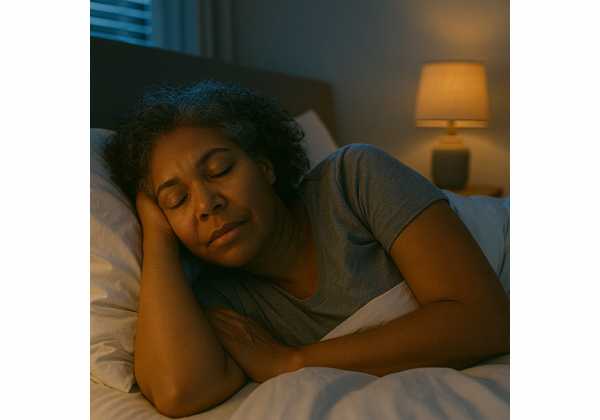
Sleep gets lighter and more easily disrupted with age, but the bedroom still gives you real control over recovery. A room that stays dark, cool, quiet, and easy to use reduces the small arousals that break sleep into fragments. Those arousals often happen so briefly that you do not remember them, yet they still affect next-day energy, mood, blood pressure, glucose control, and attention.
Good sleep hygiene is not a perfect evening routine or a set of strict rules. It is the design of a sleep setting that helps your body lower alertness at night and wake at a steady time in the morning. Bedroom setup, temperature, and noise deserve special attention because they work all night, even after willpower runs out. Small changes such as dimmer evening lighting, cooler bedding, a quieter window, or a safer path to the bathroom often make sleep feel deeper within one to two weeks.
Table of Contents
- Why Bedroom Design Affects Aging Sleep
- Build a Bedroom That Signals Sleep
- Temperature and Bedding for Deeper Rest
- Noise Control Without Total Silence
- Light, Safety, and Nighttime Awakenings
- Habits That Protect the Sleep Environment
- Troubleshooting Common Bedroom Sleep Problems
- A Two-Week Bedroom Reset
Why Bedroom Design Affects Aging Sleep
Aging changes sleep architecture, which means the shape and timing of sleep stages. Deep sleep often becomes shorter, awakenings become more common, and the body’s internal clock grows more sensitive to light, activity, medication timing, pain, bathroom trips, and stress. These changes do not mean poor sleep is inevitable. They mean the sleep environment carries more weight.
Adults usually need at least 7 hours of sleep on a regular schedule. Healthy aging also depends on sleep continuity: staying asleep long enough for the brain and body to move through cycles of light sleep, deep sleep, and REM sleep. A bedroom that causes repeated micro-awakenings reduces that continuity. A room that supports cooling, darkness, quiet, and comfort helps sleep become less fragile.
Sleep hygiene works best when it removes friction. A person who wakes at 3:00 a.m. should not need to adjust a bright thermostat, untangle heavy bedding, search for earplugs, step over clutter, or check a glowing phone. The room should already be doing most of the work.
Bedroom design affects aging sleep through four main pathways:
- Body temperature: The body tends to sleep better as core temperature falls at night. A hot room, trapped bedding heat, or night sweats interfere with that cooling signal.
- Sound processing: The sleeping brain still monitors the environment. Sudden sounds, traffic peaks, barking dogs, or a partner’s snoring trigger arousals even when they do not fully wake you.
- Light exposure: Bright light at night suppresses the darkness signal that supports melatonin release and circadian timing. Even brief light exposure during bathroom trips can make it harder to return to sleep.
- Conditioned alertness: A bedroom used for scrolling, work, arguments, television, or late-night problem solving starts to feel mentally active instead of restful.
Sleep hygiene is not enough for untreated sleep apnea, severe insomnia, restless legs, major depression, uncontrolled pain, or medication-related sleep disruption. For persistent trouble, use bedroom changes alongside medical care and evidence-based approaches such as CBT-I. The bedroom still matters, but it should not be asked to solve every sleep disorder alone.
For a wider look at sleep timing and healthspan, see adult sleep duration for longevity and sleep quality, deep sleep, and REM targets.
Build a Bedroom That Signals Sleep
The bedroom should send one clear message: this is where the day ends. That message comes from repeated cues. Darkness, cooler air, a made bed, low clutter, and the absence of work materials all help the brain link the room with sleep instead of effort.
Start with the bed. A mattress does not need to be expensive, but it needs to keep the spine comfortable, reduce pressure points, and stay thermally comfortable. A mattress that traps heat or worsens hip, shoulder, or back pain will keep causing awakenings no matter how disciplined the evening routine becomes. Pillows should support the neck without pushing the head sharply forward or letting it drop backward. Side sleepers often need a thicker pillow than back sleepers.
Sheets and blankets matter more with age because temperature regulation changes. Many people also develop stronger sensitivity to pressure, joint discomfort, reflux, or hot flashes. Use layers instead of one heavy comforter. Layers let you adjust warmth without getting fully out of bed. Natural fibers such as cotton, linen, and wool often breathe better than dense synthetic bedding, though the best choice is the one that keeps you dry and comfortable through the whole night.
Clutter is not only visual. It becomes a safety issue during nighttime awakenings. Keep the walking path from bed to bathroom clear. Remove loose cords, unstable rugs, piles of clothes, and low furniture edges. Place glasses, medication, water, and a small light in the same location every night. Consistency reduces alertness because you are not searching or problem-solving in the dark.
A bedroom that supports sleep usually has these features:
- A comfortable mattress that does not worsen pain
- A pillow matched to sleep position
- Breathable sheets and adjustable layers
- A clear path to the door and bathroom
- A clock that does not face the bed
- No work laptop, paperwork, or bright screens within arm’s reach
- Low evening lighting rather than overhead brightness
- A predictable place for water, tissues, glasses, and medications
The bedroom also needs emotional neutrality. Serious conversations, financial planning, work emails, and health searches are better handled outside the bed. This is not about perfection. It is about repetition. When the brain repeatedly experiences the bed as a place for sleep, intimacy, and quiet recovery, it learns to lower alertness faster.
Pets and partners deserve a realistic approach. A pet that sleeps quietly at the foot of the bed may not be a problem. A pet that wakes you several times, crowds your legs, scratches, or triggers allergies belongs on a separate bed nearby. A partner who snores, moves often, watches videos, or keeps a different schedule may need a shared plan: headphones, separate blankets, a white-noise machine, a snoring evaluation, or occasional separate sleeping arrangements. Separate sleep is not a relationship failure when it protects health, mood, and daily function.
Temperature and Bedding for Deeper Rest
A cooler sleep environment usually supports better sleep because the body naturally lowers core temperature at night. Many adults sleep well when the bedroom sits around 16°C to 20°C, or 60°F to 68°F. Older adults sometimes prefer a slightly warmer room, especially with low body weight, poor circulation, or cold sensitivity. A useful starting range for many midlife and older adults is 18°C to 22°C, or 64°F to 72°F, then adjust based on comfort, sweating, and awakenings.
Temperature is personal, but overheating is a common hidden cause of fragmented sleep. A room that feels cozy at bedtime may become too warm after several hours under blankets. Heat buildup often shows up as waking between 2:00 and 5:00 a.m., throwing off covers, dry mouth, sweating, vivid dreams, or needing to turn the pillow over repeatedly.
The best temperature plan separates room temperature from bed temperature. Cool the room, then warm the body with breathable layers. This lets the face and airway stay comfortable while the body avoids chills. In winter, that may mean a cooler bedroom with socks and a light blanket layer. In summer, it may mean a fan, open internal airflow, lighter sheets, and a mattress pad that does not trap heat.
| Sleep problem | Likely temperature issue | Bedroom adjustment |
|---|---|---|
| Waking sweaty or flushed | Room or bedding is too warm | Lower room temperature, switch to lighter layers, use breathable sleepwear |
| Cold feet delay sleep | Peripheral circulation stays cool | Wear loose socks or warm feet before bed while keeping the room cool |
| Partner prefers a different temperature | Shared bedding traps or loses heat unevenly | Use separate blankets, different sleepwear, or a dual-zone mattress pad |
| Early-morning awakenings in summer | Heat accumulates overnight | Pre-cool the room, improve airflow, reduce heavy bedding |
| Joint stiffness from cold | Room is too cold for comfort | Raise temperature slightly and use light layers instead of one heavy cover |
Humidity also matters. Very dry air can irritate the nose and throat. High humidity makes heat harder to release and can worsen mold or dust mite exposure. A practical indoor range is often around 40% to 60% relative humidity. If the room feels stuffy, smells musty, or windows collect heavy condensation, ventilation and moisture control deserve attention.
Airflow should feel gentle, not drafty. A fan pointed directly at the face may dry the eyes, nose, or throat. A fan angled across the room often works better. In hot climates or heat waves, older adults need special care because heat strain affects sleep and cardiovascular stress. Air conditioning, shaded windows, cross-ventilation, cooling towels, and lighter evening meals all help reduce the heat load.
Night sweats and hot flashes need a layered plan. Menopause, some medications, alcohol, infection, thyroid disease, reflux, anxiety, and sleep apnea can all contribute. Use moisture-wicking sleepwear, keep a spare top nearby, choose quick-drying bedding, and avoid heavy mattress protectors that trap heat. If night sweats are new, drenching, or paired with weight loss, fever, chest symptoms, or major fatigue, seek medical advice.
Evening behaviors also change temperature. A very hot bath, sauna, intense late workout, alcohol, or a large spicy dinner can raise heat load near bedtime. Warm bathing earlier in the evening often works better than going to bed overheated. For exercise timing and recovery, morning versus evening exercise for sleep gives a fuller framework.
Noise Control Without Total Silence
The sleeping brain does not turn off hearing. It keeps scanning for threat, novelty, and meaning. Sudden or uneven noise disrupts sleep more than steady sound. A quiet room with occasional sharp sounds can wake you more than a room with a soft, constant background hum.
Noise affects sleep in two ways. First, it causes awakenings that you remember. Second, it causes brief arousals that you do not remember but that still break sleep continuity. Nighttime transportation noise, nearby bars, elevators, heating systems, pets, household members, and snoring all create this pattern.
The best noise strategy starts with source control. Reduce the sound before masking it.
Try these steps in order:
- Seal gaps. Use weatherstripping around windows and doors. Sound often enters through air gaps rather than glass alone.
- Add soft surfaces. Rugs, curtains, upholstered furniture, and fabric wall hangings reduce echo inside the room.
- Move the bed. Even shifting the bed away from a shared wall, street-facing window, or noisy appliance wall can help.
- Use steady masking sound. A fan, white-noise machine, pink noise, or gentle air purifier can smooth out sudden peaks.
- Protect the ears when needed. Soft earplugs help many people, especially during travel or temporary construction.
White noise is not a cure-all. It works when it covers unpredictable sound without becoming loud itself. Keep masking sound low enough that it blends into the background. If you need to raise it so high that it feels intrusive, focus more on sealing, distancing, or source reduction.
Pink noise and brown noise sound deeper than classic white noise. Some people find them less harsh. Nature sounds work well only when they are steady. Recordings with sudden bird calls, thunder, waves that crash sharply, or changing volume may wake light sleepers.
Snoring needs special attention because it is both a noise issue and a possible medical clue. Loud snoring, gasping, witnessed breathing pauses, morning headaches, high blood pressure, or strong daytime sleepiness should prompt screening for sleep apnea. Bedroom fixes may reduce the sound, but they do not treat airway obstruction. A side-sleeping setup, nasal care, weight management when relevant, and alcohol avoidance near bedtime can reduce simple snoring, but persistent symptoms deserve testing. See sleep apnea signs, testing, and treatment basics for a practical overview.
Noise also comes from inside the room. Clicking thermostats, bright smart devices, rattling vents, buzzing chargers, ticking clocks, and phone notifications all matter. Walk into the bedroom at night and listen for five minutes. Many sleep disruptors become obvious only when the house is quiet.
A good bedroom sound plan creates predictability. The room does not need silence. It needs a low, steady sound profile without spikes.
Light, Safety, and Nighttime Awakenings
Darkness tells the circadian system that night has arrived. Bright light tells it to stay alert. Older adults often receive less bright outdoor light during the day and more indoor light at night, which weakens the contrast the body clock needs. The fix is simple in principle: brighter mornings, dimmer evenings, darker nights.
Start with morning light. Outdoor light soon after waking helps anchor the sleep-wake cycle, especially when paired with a consistent wake time. Evening darkness then becomes more effective. For circadian routines beyond the bedroom, morning light and evening darkness explains how to use light timing without making the routine complicated.
At night, remove light sources that hit the eyes directly. Alarm clocks, router lights, charger LEDs, television standby lights, hallway light leaks, and streetlights around curtain edges all add up. Use blackout curtains, an eye mask, or simple tape over small LEDs. Face clocks away from the bed. Clock-watching increases alertness and turns a brief awakening into a mental calculation.
Screens deserve a firm boundary. Phones and tablets combine bright light with novelty, emotion, and endless choice. The content often wakes the mind more than the blue light alone. Keep the phone outside arm’s reach or set it to a strict nighttime mode with notifications off. If you read digitally, use the dimmest warm setting and choose calm material. For screen timing, blue light at night and screen hygiene offers more detail.
Nighttime safety requires a balance: dark enough for sleep, safe enough for movement. Falls become more dangerous with age, and bathroom trips are common. The answer is not bright overhead light. Use low, warm, floor-level lighting that guides movement without shining into the eyes. Motion-activated amber night lights work well in hallways and bathrooms. Keep them low and indirect.
A safer nighttime setup includes:
- A clear route from bed to bathroom
- Non-slip rugs or no rugs at all
- A stable bedside table within easy reach
- Glasses placed in the same spot each night
- A dim amber night light near the floor
- Supportive slippers if floors are cold or slippery
- No loose cords near walking paths
Bathroom trips also interact with sleep hygiene. Drinking enough earlier in the day supports health, but heavy fluid intake in the last one to two hours before bed often increases awakenings. Alcohol worsens this by increasing urine production, relaxing airway muscles, and fragmenting sleep. For timing rules around caffeine, alcohol, and food, use caffeine, alcohol, and late meals for sleep as a companion guide.
Habits That Protect the Sleep Environment
The bedroom works best when the evening routine protects it. The final hour before bed should lower sensory load, body heat, and mental effort. This does not require a long ritual. It requires a reliable sequence that repeats most nights.
A useful wind-down starts 30 to 60 minutes before bed. Lower lights, reduce noise, finish chores, and move away from screens or emotionally charged content. Prepare the room before you feel sleepy: adjust the thermostat, set the fan, close curtains, place water nearby, and turn down the bed. These cues tell the brain that the day is closing.
Keep wake time more consistent than bedtime. Bedtime can shift slightly based on sleepiness, but wake time anchors the circadian system. Sleeping in for several hours after a bad night often makes the next night harder. A modest recovery sleep-in of 30 to 60 minutes is usually less disruptive than a long one.
Caffeine timing matters more in midlife and later life because caffeine clearance varies widely. Many people sleep better when caffeine stops by late morning or early afternoon. Alcohol may make sleepiness arrive faster, but it commonly worsens sleep quality later in the night. Late heavy meals can worsen reflux, heat load, and glucose swings. A lighter dinner and enough time to digest often improve comfort.
Bedroom-only boundaries help people with conditioned insomnia. If you spend long periods awake in bed, the brain learns that bed is a place for wakefulness. When you cannot sleep after roughly 20 to 30 minutes, get up and do something quiet in dim light. Return when sleepy. Do not use this as a rigid rule that makes you watch the clock. Use it as a pattern: avoid long, frustrated wakefulness in bed.
Stress also enters the bedroom when the day has no landing zone. A short “closing routine” helps. Write tomorrow’s top three tasks, set out morning items, and note any worry that keeps looping. The purpose is not to solve every problem at night. It is to tell the brain that the problem has been captured. For rumination and recovery skills, stress resilience for longevity pairs well with bedroom changes.
Wearables can help, but they should not become another source of sleep anxiety. Use them to spot patterns: warmer nights, alcohol nights, late meals, irregular bedtimes, or noisy travel. Do not judge your day by one sleep score. Many devices estimate sleep stages imperfectly, especially in older adults and people with fragmented sleep. Use trends, not single-night verdicts. A deeper guide is available in wearables and sleep in aging.
Troubleshooting Common Bedroom Sleep Problems
Most bedroom-related sleep problems repeat in patterns. The time of night, body sensations, and room conditions offer clues. Change one or two variables at a time so you know what helped.
| Pattern | Likely contributors | First fixes to try |
|---|---|---|
| Takes a long time to fall asleep | Bright evening light, late screens, caffeine, stress, room too warm | Dim lights for 60 minutes, stop caffeine earlier, cool the room, use a written shutdown routine |
| Wakes around 2:00–4:00 a.m. | Alcohol, overheating, stress, pain, blood sugar swings, noise peaks | Reduce alcohol, lighten bedding, add steady masking sound, adjust dinner timing |
| Wakes tired despite enough hours | Sleep apnea, periodic limb movements, fragmented sleep, medications | Screen for snoring or breathing pauses, review medications, check leg symptoms |
| Dry mouth or sore throat | Mouth breathing, dry air, snoring, nasal congestion | Improve humidity, treat congestion, discuss snoring or apnea symptoms with a clinician |
| Restless legs at bedtime | Restless legs syndrome, low iron stores, medication effects | Discuss ferritin testing, review medications, avoid late caffeine and alcohol |
| Frequent bathroom trips | Evening fluids, alcohol, sleep apnea, prostate or bladder issues, glucose problems | Shift fluids earlier, reduce alcohol, ask about medical causes if frequent or new |
Pain needs its own setup. A supportive pillow between the knees helps some side sleepers with hip or low back pain. A small pillow under the knees may help back sleepers. Shoulder pain may improve with a pillow hugged against the chest to reduce forward collapse. Pain that repeatedly wakes you deserves treatment rather than endless pillow experiments.
Reflux often improves when the evening environment supports digestion. Finish large meals at least three hours before bed when possible. Elevate the head of the bed rather than stacking pillows if reflux is frequent. Heavy late meals, alcohol, mint, chocolate, and spicy foods worsen symptoms in some people. The bedroom fix works best when paired with meal timing.
Restless legs feel different from ordinary restlessness. The classic pattern is an uncomfortable urge to move the legs that gets worse at rest and improves with movement. It often appears in the evening or at bedtime. Iron status, kidney disease, neuropathy, pregnancy, and some medications can play a role. If this pattern fits, bedroom comfort helps only partly; medical review is worthwhile. See restless legs and periodic limb movements for a more focused guide.
Hot flashes and hormone-related sleep disruption often require several layers of support. Cooling bedding helps, but so do alcohol reduction, earlier intense exercise, stress management, and medical options when symptoms are severe. Men also experience sleep changes with aging hormones, body composition shifts, snoring risk, and nighttime urination. menopause, andropause, and sleep covers those patterns in more detail.
Medication timing belongs in troubleshooting. Diuretics, steroids, some antidepressants, decongestants, beta agonists, thyroid medication, sedating antihistamines, and some pain medicines can affect sleep timing or quality. Do not stop prescribed medication on your own. Bring a sleep log and medication list to a clinician or pharmacist and ask whether timing or alternatives should be reviewed.
A Two-Week Bedroom Reset
A bedroom reset works best when it is specific and measurable. Two weeks gives enough time to notice patterns without turning sleep into a major project. Track only a few items: bedtime, wake time, awakenings, room temperature, alcohol, caffeine cutoff, and how rested you feel in the morning.
Start with the easiest changes first. A person who tries to change temperature, lights, noise, meals, caffeine, and bedtime all at once will not know which change helped. The sequence below fixes the room before chasing more complicated explanations.
Days 1–3: Clear and darken the room. Remove clutter from the floor, face the clock away, cover small LEDs, and block window light. Place needed items within reach. Set up a dim amber light for nighttime movement.
Days 4–6: Adjust temperature and bedding. Choose a starting bedroom temperature, then keep it stable for three nights. Use layers instead of one heavy blanket. Note sweating, cold feet, early awakenings, or morning stiffness.
Days 7–9: Smooth the sound environment. Listen for nighttime noise sources. Seal gaps where practical, move the bed if needed, and test low steady sound. Keep masking sound gentle and consistent.
Days 10–12: Protect the final hour. Dim lights, reduce screens, finish chores, and prepare the room before sleepiness arrives. Keep the phone away from the bed unless it is needed for safety or caregiving.
Days 13–14: Review the pattern. Look for the clearest signal. Did cooler bedding reduce 3:00 a.m. waking? Did masking sound help with traffic? Did moving the phone reduce long awakenings? Keep the changes that helped and drop the ones that added effort without benefit.
Use this simple scoring method each morning:
- Rested: 0 to 10
- Number of awakenings: estimate, do not obsess
- Temperature comfort: too cold, comfortable, too warm
- Noise disruption: none, mild, moderate, severe
- Light disruption: none, mild, moderate, severe
A perfect score is not the aim. The useful result is a pattern. If the room is comfortable, dark, and quiet but sleep remains poor for more than three months, or if daytime sleepiness is strong, the next step is medical evaluation or CBT-I rather than more sleep gadgets.
Strong red flags include loud snoring with gasping, falling asleep while driving, chest pain at night, new severe insomnia, depression with hopelessness, repeated falls, confusion, new drenching night sweats, or sudden major changes in sleep. Bedroom hygiene supports healthy aging, but these signs need professional attention.
The most durable sleep environment is simple. It keeps the room cool enough, dark enough, quiet enough, and safe enough that the body can sleep without constant adjustments. Healthy aging benefits from that kind of reliability: fewer nighttime disruptions, steadier mornings, and more energy for movement, relationships, learning, and recovery.
References
- Sleep is essential to health: an American Academy of Sleep Medicine position statement 2021 (Position Statement)
- Environmental Noise and Effects on Sleep: An Update to the WHO Systematic Review and Meta-Analysis 2022 (Systematic Review)
- Nighttime Ambient Temperature and Sleep in Community-Dwelling Older Adults 2023 (Observational Study)
- Associations of bedroom PM2.5, CO2, temperature, humidity, and noise with sleep: an observational actigraphy study 2023 (Observational Study)
- The effects of occupational noise on sleep: A systematic review 2023 (Systematic Review)
- Environmental noise guidelines for the European Region 2019 (Guideline)
Disclaimer
This article is educational and does not replace care from a qualified health professional. Persistent insomnia, loud snoring, breathing pauses, severe daytime sleepiness, repeated falls, new night sweats, or major changes in mood or thinking deserve medical evaluation. Ask a clinician or pharmacist before changing prescribed medication or using sleep aids.