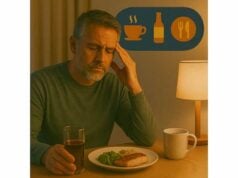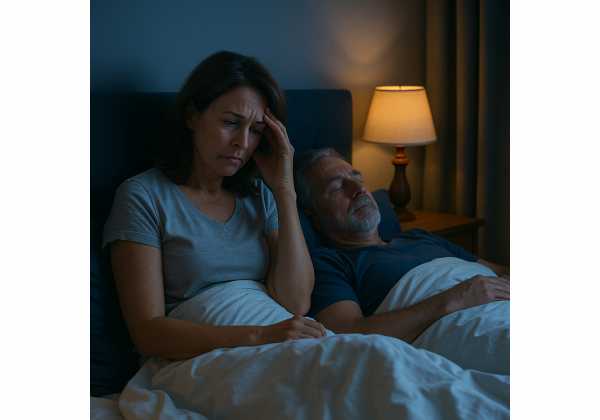
Menopause and age-related testosterone decline often show up at night before they feel obvious during the day. Sleep becomes lighter. Awakenings last longer. Heat, sweating, anxiety, snoring, nocturia, joint pain, and early-morning waking start to overlap until it is hard to tell what changed first. Hormones are part of the story, but they rarely act alone. Midlife sleep also reflects body composition, stress load, alcohol timing, medications, mood, airway health, blood sugar, pain, and circadian rhythm.
Healthy aging starts with treating sleep as a repair system, not a luxury. Deep sleep supports glucose control, immune regulation, muscle recovery, blood pressure patterns, and memory processing. REM sleep supports emotional balance and learning. When hormonal transitions disrupt sleep, the most effective response is not guessing at supplements or blaming age. It is matching the sleep pattern to the likely cause, then using targeted habits, testing, and medical care when needed.
Table of Contents
- How Hormones Change Sleep in Midlife
- Menopause, Sleep, and Night Sweats
- Andropause, Testosterone, and Recovery
- Sleep Disorders That Hide Behind Hormones
- Daily Habits That Support Hormonal Sleep
- Medical Options to Discuss
- A Two-Week Sleep Reset
How Hormones Change Sleep in Midlife
Hormonal aging changes sleep through temperature control, airway stability, mood regulation, body composition, and the timing signals that tell the brain when to feel alert or sleepy. Menopause and andropause are not the same process, but both can shift the balance between sleep, stress, metabolism, and recovery.
Menopause is defined after 12 months without a menstrual period. The years before it, called perimenopause, often bring irregular cycles, fluctuating estrogen, lower progesterone, and vasomotor symptoms such as hot flashes and night sweats. Sleep problems often start during this transition, not only after periods stop.
Andropause is a less precise term. Men do not have a single reproductive cutoff like menopause. Testosterone levels usually drift downward over decades, and symptoms only count as clinical testosterone deficiency when they match repeatedly low morning testosterone levels and a clinician rules out other causes. Poor sleep, belly fat, untreated sleep apnea, heavy alcohol use, depression, opioid use, overtraining, and chronic illness can all lower testosterone signaling.
Sleep also changes with age itself. Adults tend to spend less time in deep sleep, wake more often, and become more sensitive to light, noise, pain, and stress. Hormonal changes add another layer. They increase the chance that a small trigger, such as a glass of wine, a warm bedroom, or late work stress, turns into a 3 a.m. awakening.
A useful way to understand hormone-related sleep is to separate four patterns:
| Pattern | Common clues | Likely contributors | First response |
|---|---|---|---|
| Hot, sweaty awakenings | Waking drenched, throwing covers off, heart racing | Vasomotor symptoms, alcohol, warm room, some medications | Cooler sleep setup, trigger review, menopause care |
| Early-morning waking | Waking at 3–5 a.m. with worry or alertness | Stress hormones, depression, alcohol rebound, circadian shift | Morning light, consistent wake time, CBT-I tools |
| Unrefreshing sleep | Enough hours in bed but fatigue persists | Sleep apnea, restless legs, medications, low mood, pain | Screen for sleep disorders and medical drivers |
| Poor recovery | Soreness, low drive, reduced training tolerance | Sleep debt, low energy intake, low testosterone, overtraining | Restore sleep regularity, protein, resistance training, testing if symptoms persist |
Good sleep is not only about hours. Timing and regularity matter because hormones follow daily rhythms. Cortisol should rise in the morning and decline at night. Melatonin should rise in dim evening light. Growth hormone secretion is strongest during early-night deep sleep. Testosterone production in men is linked to sleep duration and sleep quality. Hot flashes, apnea events, alcohol, and repeated awakenings disrupt these rhythms.
For a broader view of sleep timing and aging, see circadian rhythm and healthy aging. If the main question is hours of sleep, adult sleep duration targets give a practical starting point.
Menopause, Sleep, and Night Sweats
Menopause-related sleep trouble usually centers on repeated awakenings. Many women fall asleep normally, then wake hot, anxious, sweaty, or suddenly alert. Others develop classic insomnia: trouble falling asleep, trouble staying asleep, or waking too early at least several nights a week with daytime impairment.
Estrogen helps regulate body temperature, serotonin signaling, mood, vaginal and urinary tissues, and aspects of sleep architecture. During perimenopause, estrogen does not simply decline in a straight line. It fluctuates. Those swings help explain why sleep feels unpredictable. One week looks normal; the next brings night sweats, irritability, and broken sleep.
Progesterone also changes. It has calming effects through GABA-related pathways and influences breathing. Lower progesterone after menopause may contribute to lighter sleep and greater vulnerability to sleep-disordered breathing, though real-world sleep complaints usually reflect several factors at once.
Hot flashes are nighttime arousal events
A night sweat is not just overheating. A vasomotor episode starts in the brain’s temperature-control network. The body suddenly acts as if it needs to dump heat: blood vessels widen, sweating increases, heart rate rises, and the brain wakes enough to notice. Even when the person does not fully remember waking, the event can fragment sleep.
Common triggers include:
- Alcohol, especially within 3–4 hours of bed
- Warm bedrooms, heavy duvets, synthetic sleepwear, or heat-trapping mattresses
- Spicy late meals
- Emotional stress in the evening
- High-intensity exercise too close to bedtime
- Some antidepressants, opioids, diabetes medications, and hormone-blocking treatments
The most useful first step is pattern tracking. Write down bedtime, wake time, alcohol, caffeine, late meals, exercise, stress level, room temperature, night sweats, and morning energy for 10–14 days. Patterns appear faster than expected. For many women, a single evening trigger does not ruin sleep by itself, but two or three together do.
Not every menopause sleep problem is a hot flash
Midlife sleep problems often get blamed on hormones, then undertreated. Hot flashes matter, but so do snoring, restless legs, anxiety, nocturia, reflux, joint pain, thyroid disease, and medication effects.
Nocturia deserves special attention. Waking to urinate once in a while is common. Waking two or more times nightly often points to a fixable issue: evening fluid timing, alcohol, untreated sleep apnea, diabetes, bladder symptoms, pelvic floor changes, or genitourinary syndrome of menopause. Vaginal dryness, burning, urinary urgency, painful sex, and recurrent urinary symptoms belong in the same conversation because local estrogen changes can affect sleep through discomfort and urgency.
Mood also matters. Perimenopause is a vulnerable period for anxiety and depression symptoms, especially in people with previous mood episodes, severe vasomotor symptoms, high stress, or poor sleep. Anxiety can feel physical at night: pounding heart, heat, racing thoughts, and a sense of alarm. Treating the sleep problem and the mood symptoms together works better than treating either one in isolation.
The metabolic side of menopause also affects sleep. More visceral fat, higher nighttime temperature, glucose swings, and changes in insulin sensitivity can worsen awakenings. The link between hot flashes, sleep, and glucose control is covered further in menopause and metabolic longevity.
Andropause, Testosterone, and Recovery
Age-related testosterone decline is gradual, variable, and strongly shaped by health status. A tired 52-year-old man with low libido and belly fat does not automatically have testosterone deficiency. He may have sleep apnea, insulin resistance, depression, medication effects, overwork, heavy alcohol intake, low protein intake, undertraining, overtraining, or a combination.
Testosterone and sleep influence each other. Poor sleep lowers next-day energy, training output, sexual interest, and mood. Short sleep and fragmented sleep can reduce testosterone production, while low testosterone can worsen body composition and motivation. Sleep apnea adds another loop: repeated oxygen drops and arousals strain the nervous system, reduce sleep quality, and are common in men with larger neck circumference, visceral fat, and resistant hypertension.
Symptoms need lab confirmation
True testosterone deficiency is a clinical diagnosis, not a marketing label. Symptoms that justify evaluation include reduced libido, fewer morning erections, erectile dysfunction, low bone density, unexplained anemia, loss of muscle, increased body fat, depressed mood, and persistent fatigue. These symptoms overlap with poor sleep, so testing should be careful.
Clinicians usually start with morning total testosterone, repeated on a separate day because levels vary. They may add free testosterone, sex hormone-binding globulin, luteinizing hormone, follicle-stimulating hormone, prolactin, thyroid testing, iron studies, metabolic labs, and medication review. Testing after a bad night, acute illness, extreme dieting, or heavy alcohol use can mislead.
The sleep-first approach is not anti-hormone. It is accurate medicine. A man with untreated sleep apnea and low morning testosterone often needs airway treatment, weight and waist reduction, resistance training, and alcohol changes before anyone can judge his stable hormone status.
Testosterone is not a sleep aid
Testosterone therapy helps selected men with confirmed hypogonadism, but it is not a general treatment for tiredness, aging, or poor sleep. It can suppress fertility, raise hematocrit, worsen acne, enlarge breast tenderness in some men, and requires monitoring. Men with prostate cancer concerns, severe untreated sleep apnea, high hematocrit, recent major cardiovascular events, or active fertility goals need careful specialist guidance.
Lifestyle changes that improve sleep also support testosterone signaling: regular resistance training, enough dietary protein, waist reduction when needed, consistent sleep timing, and reduced alcohol. Strength work matters because muscle is metabolically active tissue. Better muscle function improves insulin sensitivity, balance, bone loading, and recovery. The metabolic overlap is discussed in andropause, muscle, visceral fat, and insulin.
Sleep Disorders That Hide Behind Hormones
Hormonal transitions increase vulnerability to sleep problems, but they do not protect anyone from ordinary sleep disorders. In midlife and later life, insomnia, sleep apnea, restless legs, periodic limb movements, reflux, pain, and circadian rhythm disruption often overlap. The right treatment depends on naming the dominant problem.
Insomnia
Insomnia is not simply “bad sleep.” Chronic insomnia means repeated difficulty sleeping despite enough opportunity, paired with daytime impairment. It often persists because the brain starts linking bed with wakefulness, frustration, clock-watching, and effort.
The strongest non-drug treatment is cognitive behavioral therapy for insomnia, or CBT-I. It uses sleep scheduling, stimulus control, thought skills, relaxation, and careful sleep restriction to rebuild sleep pressure and reduce conditioned arousal. Sleep hygiene alone rarely fixes chronic insomnia. A clean bedroom and a good routine help, but they do not retrain insomnia by themselves.
People with menopause-related insomnia often benefit from combining CBT-I with vasomotor symptom treatment. One reduces the learned insomnia loop; the other reduces the heat-driven awakenings. A practical CBT-I framework is covered in insomnia in midlife and healthy aging.
Obstructive sleep apnea
Sleep apnea becomes more common with age, weight gain, alcohol use, and menopause. Men are still diagnosed more often, but women are underdiagnosed because symptoms often look different. Instead of classic loud snoring and sleepiness, women may report insomnia, fatigue, morning headaches, mood changes, night sweats, or waking with a racing heart.
Signs that deserve testing include:
- Loud snoring, gasping, choking, or witnessed pauses in breathing
- Morning headaches or dry mouth
- High blood pressure, especially resistant or nighttime hypertension
- Unrefreshing sleep despite adequate time in bed
- Frequent urination at night
- Excessive daytime sleepiness or dangerous drowsy driving
- Atrial fibrillation, heart failure, stroke history, or type 2 diabetes
Sleep apnea treatment improves breathing first, but the benefits often spread: better daytime energy, fewer nocturnal awakenings, improved blood pressure patterns, better exercise tolerance, and less strain on the cardiovascular system. Testing options and treatment basics are explained in sleep apnea signs, testing, and treatment.
Restless legs and periodic limb movements
Restless legs syndrome causes an urge to move the legs, usually worse in the evening and relieved by movement. It can delay sleep and fragment the night. Periodic limb movements are repetitive leg movements during sleep that the person may not notice, though a bed partner might.
Iron status matters. Low ferritin, even without anemia, can worsen restless legs in some people. Certain antidepressants, antihistamines, dopamine-blocking drugs, pregnancy, kidney disease, and neuropathy can also contribute. Because iron overload is harmful, ferritin should be tested before supplementing. A careful interpretation of ferritin and related labs is covered in iron and ferritin testing.
Daily Habits That Support Hormonal Sleep
Hormone-related sleep improves faster when daytime cues and nighttime conditions work together. The body needs a strong daytime signal for alertness and a strong nighttime signal for cooling, darkness, and safety.
Start with a consistent wake time. A stable wake time anchors the circadian clock more reliably than a perfect bedtime. Get outdoor light within the first hour after waking, even on cloudy days. Ten to thirty minutes is enough for many people; longer helps in winter or with indoor-heavy schedules. Morning light also makes it easier for melatonin to rise at night.
Dim the evening. Bright overhead lights, late screens, and work emails tell the brain that the day is still active. Screens are not the only issue. Emotional intensity matters too. A stressful message at 10 p.m. can be more stimulating than blue light itself. Pair device boundaries with a real wind-down: lower lights, warm shower, light stretching, quiet reading, breathing practice, or a short planning note for tomorrow.
For practical light timing, morning light and evening darkness offers simple circadian steps.
Temperature control is especially important during menopause. A cooler room, breathable bedding, layered blankets, moisture-wicking sleepwear, and a fan often reduce the intensity of awakenings. Many people sleep best around 16–19°C, though comfort varies. The aim is not to feel cold. The aim is to let the body release heat without sweating through the night.
Alcohol is a common hidden driver. It may shorten sleep onset, but it fragments sleep later, worsens snoring and apnea, increases heat, raises heart rate, and reduces REM quality. During a flare of night sweats or early-morning waking, remove alcohol for two weeks before deciding it is harmless. Caffeine deserves the same honesty. Midlife adults often metabolize caffeine more slowly, and a noon coffee can still affect sleep in sensitive people. Timing rules for common disruptors are covered in caffeine, alcohol, and late meals.
Exercise improves sleep quality, insulin sensitivity, mood, and body composition, but timing matters. Morning or afternoon training works well for most people. Evening exercise is fine when it leaves enough time to cool down. Late high-intensity intervals can worsen hot flashes, reflux, or alertness in sensitive sleepers. Strength training two to four days per week supports muscle and bone during hormonal aging, while regular walking improves glucose handling and stress recovery.
Food timing also matters. Large late meals, reflux, and high-sugar snacks can fragment sleep. A balanced dinner with protein, fiber-rich carbohydrates, and healthy fat usually works better than grazing at night. People who wake hungry may need more protein or total energy earlier in the day. People who wake hot or reflux-prone may need a lighter dinner and a longer gap before bed.
Breathing and relaxation techniques help when awakenings come with alarm. Slow nasal breathing, longer exhales, progressive muscle relaxation, or HRV biofeedback can lower arousal. The purpose is not to force sleep. It is to teach the nervous system that wakefulness at night is not an emergency.
Medical Options to Discuss
Medical care becomes important when sleep problems last more than a few weeks, cause daytime impairment, or come with red flags. The goal is not to medicate every midlife sleep change. The goal is to treat the right driver.
Menopause care
For bothersome hot flashes and night sweats, menopausal hormone therapy is the most effective treatment for many healthy symptomatic women near the menopause transition. The benefit-risk profile depends on age, years since menopause, personal history, dose, route, and whether a uterus is present. People with a uterus usually need endometrial protection with a progestogen when using systemic estrogen.
Hormone therapy is not appropriate for everyone. A history of estrogen-sensitive cancer, unexplained vaginal bleeding, blood clots, stroke, certain heart disease patterns, active liver disease, or high-risk clinical situations changes the discussion. Transdermal estrogen, oral estrogen, micronized progesterone, and other formulations have different profiles, so the choice should be individualized.
Nonhormonal options also help. Evidence-supported prescription options for vasomotor symptoms include certain SSRIs and SNRIs, gabapentin, fezolinetant where available, and oxybutynin in selected cases. Clonidine is used less often because side effects limit its usefulness for many patients. Supplements marketed for menopause often have weaker evidence and variable quality. “Natural” does not guarantee safe, especially with liver disease, cancer history, anticoagulants, antidepressants, or multiple medications.
Genitourinary symptoms deserve separate treatment. Vaginal estrogen, vaginal DHEA, ospemifene, moisturizers, lubricants, and pelvic floor care target dryness, pain, urgency, and recurrent urinary discomfort. Better local comfort often improves sleep indirectly by reducing nocturia and pain.
Andropause and testosterone care
Men with symptoms of testosterone deficiency should ask for proper evaluation rather than ordering a single afternoon test. Repeated morning testing matters. So does finding the cause. Obesity, sleep apnea, diabetes, opioids, glucocorticoids, anabolic steroid withdrawal, pituitary disease, hemochromatosis, and severe stress all change the interpretation.
When testosterone therapy is appropriate, monitoring is part of treatment. Clinicians commonly follow symptoms, testosterone level, hematocrit, prostate-related measures when indicated, fertility plans, blood pressure, edema, acne, breast symptoms, and sleep apnea symptoms. Men who want future fertility need alternatives because testosterone therapy can suppress sperm production.
A good clinician will not treat a lab number alone. The aim is better function, sexual health, bone and muscle support, mood, and anemia correction when relevant—not pushing testosterone to the top of a reference range.
Sleep medications and supplements
Sleep aids deserve caution in healthy aging. Antihistamines such as diphenhydramine and doxylamine can cause next-day grogginess, constipation, urinary retention, confusion, and anticholinergic burden. Benzodiazepines and Z-drugs can increase falls, memory problems, and dependence risk, especially with alcohol or other sedating drugs.
Melatonin works best as a timing signal, not a knockout pill. Lower doses taken earlier in the evening often fit circadian problems better than high doses at bedtime. Magnesium, glycine, and L-theanine help some people, but they do not treat sleep apnea, severe night sweats, chronic insomnia, or restless legs caused by low ferritin. For supplement details, see magnesium, glycine, and L-theanine for sleep.
Medical help is urgent if sleep problems come with chest pain, fainting, suicidal thoughts, severe depression, dangerous sleepiness while driving, new neurologic symptoms, heavy abnormal bleeding, drenching night sweats with fever or weight loss, or sudden severe headaches.
A Two-Week Sleep Reset
A two-week reset gives enough time to identify patterns without turning sleep into a full-time project. Keep it simple and measurable.
For the first three days, observe without changing everything. Track bedtime, wake time, awakenings, night sweats, alcohol, caffeine, exercise, dinner timing, room temperature, stress, snoring clues, and morning energy. Use a notebook or a basic app. Wearables can help with trends, but they are less reliable for sleep stages than for sleep timing and resting heart rate. A practical approach to device data is covered in what to track and ignore in sleep wearables.
On days 4–10, remove the most likely disruptors and strengthen circadian cues:
- Wake at the same time daily, with no more than a 30-minute weekend shift.
- Get outdoor light soon after waking.
- Stop caffeine at least 8–10 hours before bed, earlier if sensitive.
- Skip alcohol completely for the reset.
- Finish large meals at least 3 hours before bed.
- Keep the bedroom cool and use layers that are easy to remove.
- Dim lights and screens during the final hour.
- Use a 10-minute wind-down routine every night.
- Leave bed after about 20–30 minutes of frustrated wakefulness and return when sleepy.
- Write down recurring worries before bed, with one next action for each.
On days 11–14, review the data. Look for the pattern, not perfection. Did night sweats drop without alcohol? Did early waking improve with morning light? Did unrefreshing sleep persist despite better habits? Did snoring, gasping, or nocturia remain? Did leg discomfort delay sleep? Did anxiety drive most awakenings?
Use the results to choose the next step:
- Hot flashes remain frequent: discuss menopause-specific treatment.
- Sleep is unrefreshing with snoring, gasping, morning headaches, or high blood pressure: request sleep apnea testing.
- Insomnia persists despite better timing: consider CBT-I.
- Leg urges or twitching disturb sleep: check ferritin and medication triggers.
- Fatigue, low libido, erectile changes, or muscle loss persist in men: discuss proper morning testosterone evaluation.
- Night sweats are drenching and unrelated to menopause patterns: seek medical evaluation for other causes.
- Mood symptoms dominate: treat anxiety or depression alongside sleep.
Healthy aging does not require perfect sleep every night. It requires a reliable recovery rhythm most nights and a plan for when that rhythm breaks. Hormonal transitions are real, but they are not a life sentence of poor sleep. With the right mix of cooling strategies, circadian cues, strength and metabolic support, targeted testing, and careful medical care, midlife sleep can become steady again.
References
- The 2022 hormone therapy position statement of The North American Menopause Society 2022 (Position Statement)
- The 2023 nonhormone therapy position statement of The North American Menopause Society 2023 (Position Statement)
- Sleep disturbance associated with the menopause 2024 (Review)
- Behavioral and psychological treatments for chronic insomnia disorder in adults: an American Academy of Sleep Medicine clinical practice guideline 2021 (Guideline)
- Society for Endocrinology guidelines for testosterone replacement therapy in male hypogonadism 2022 (Guideline)
- Menopause and obstructive sleep apnea 2025 (Review)
Disclaimer
This article is educational and does not replace care from a qualified health professional. Menopause symptoms, testosterone deficiency, insomnia, sleep apnea, night sweats, and mood changes all deserve individualized assessment, especially when symptoms are severe, persistent, or new. Do not start, stop, or change hormone therapy, sleep medication, or supplements without professional guidance.