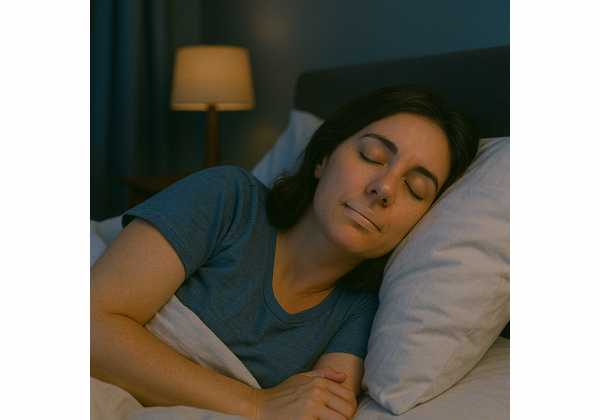
Mouth breathing during sleep often starts as a small nuisance: dry mouth, cracked lips, morning breath, snoring, or waking up thirsty. Over time, it can point to a bigger problem with nasal airflow, airway stability, allergies, sleep position, or undiagnosed sleep apnea. Nasal breathing usually supports quieter, steadier sleep because the nose filters, warms, humidifies, and adds resistance to incoming air. That resistance helps the airway stay more organized than open-mouth breathing.
Mouth tape has become popular because it seems simple. But tape is not a cure for blocked nasal passages, snoring, or sleep apnea. It can help a narrow group of carefully selected adults who already breathe well through the nose and have no signs of airway danger. For everyone else, the safer path starts with finding why the mouth opens at night, improving nasal health, and treating sleep-disordered breathing when it is present.
Table of Contents
- Why Mouth Breathing Happens During Sleep
- How Nasal Breathing Supports Sleep and Recovery
- Mouth Tape: Benefits, Risks, and Who Should Avoid It
- Fix the Nose Before You Tape the Mouth
- Snoring, Sleep Apnea, and Red Flags
- Habits and Tools That Make Nasal Breathing Easier
- A Practical Nighttime Plan
- What to Track Over Time
Why Mouth Breathing Happens During Sleep
Mouth breathing at night usually means the body is choosing the easier airway. During sleep, muscle tone drops across the jaw, tongue, soft palate, and throat. If the nose feels blocked, narrow, irritated, or simply harder to breathe through, the mouth opens to reduce effort.
The cause is often more than one thing. A person with mild allergies, a deviated septum, alcohol near bedtime, and back-sleeping can breathe normally during the day but mouth-breathe heavily at night. Sleep turns small airway problems into bigger ones because the throat becomes more collapsible.
Common triggers include:
- Nasal congestion: allergies, colds, sinus inflammation, dust, mold, pet dander, smoke, dry air, or strong fragrances.
- Structural narrowing: deviated septum, enlarged turbinates, nasal valve collapse, polyps, or past nasal injury.
- Jaw and tongue position: the mouth falls open, the tongue drops backward, and airflow shifts away from the nose.
- Sleep position: back-sleeping often worsens snoring and airway collapse.
- Medications and alcohol: sedatives, alcohol, and some sleep aids relax airway muscles and increase mouth opening.
- Reflux and irritation: acid or airway irritation can inflame the throat and nose.
- Untreated sleep apnea: repeated airway collapse can create gasping, mouth opening, and fragmented sleep.
Mouth breathing also feeds itself. A dry mouth irritates tissues, thickens mucus, worsens morning breath, and can make the nose feel less useful. Once the mouth becomes the default route, nasal breathing may feel awkward even when the nose is open.
Oral health also matters. Saliva protects teeth and gums by buffering acids and supporting the mouth’s normal microbial balance. Repeated overnight dryness can raise the risk of cavities, gum irritation, bad breath, and sore throat. That connection is one reason mouth breathing belongs in the same conversation as oral health and cognitive aging, not only sleep comfort.
The important first step is pattern recognition. Occasional mouth breathing during a cold is different from nightly dry mouth, loud snoring, or waking unrefreshed. Nightly symptoms deserve a closer look because they often reflect a treatable airway problem.
How Nasal Breathing Supports Sleep and Recovery
Nasal breathing supports sleep by making airflow slower, warmer, cleaner, and more controlled. The nose is not just a passive tube. It filters particles, humidifies air, warms or cools it, and creates gentle resistance that helps breathing stay steady.
That resistance matters during sleep. When air rushes through an open mouth, the jaw and tongue often sit lower. This position can narrow the space behind the tongue and soft palate. Nasal breathing usually encourages a closed-mouth posture, a higher tongue position, and less drying of the throat.
The nose also produces nitric oxide in the nasal passages and sinuses. Nitric oxide helps regulate blood vessels and has antimicrobial effects in the airway. Nasal breathing carries more of this gas into the lungs than mouth breathing does. This does not mean nasal breathing is a magic longevity tool, but it is one reason the nose is the preferred route for quiet breathing at rest.
Poor breathing during sleep can strain recovery. Repeated arousals, oxygen drops, and sympathetic nervous system surges can leave a person tired even after enough hours in bed. Over years, untreated sleep-disordered breathing is linked with higher cardiometabolic and brain-health risk. Good sleep supports blood pressure regulation, glucose control, mood, immune function, and memory consolidation.
A simple way to understand the difference:
| Feature | Nasal breathing | Mouth breathing |
|---|---|---|
| Air quality | Filters, warms, and humidifies air | Air reaches the throat drier and less filtered |
| Airway position | Often supports closed lips and a higher tongue posture | Often allows jaw drop and tongue fallback |
| Sleep comfort | Less dry mouth and throat irritation | More dry mouth, thirst, sore throat, and bad breath |
| Snoring risk | Can reduce vibration when nasal airflow is clear | Often worsens soft-palate and throat vibration |
Nasal breathing is helpful, but it is not a stand-alone treatment for every sleep problem. A person can breathe through the nose and still have insomnia, restless legs, circadian disruption, or sleep apnea. For a wider sleep foundation, pair airway work with consistent wake time, light exposure, cool bedroom temperature, and strong sleep hygiene.
Mouth Tape: Benefits, Risks, and Who Should Avoid It
Mouth tape is a tool, not a diagnosis or treatment plan. It works by gently discouraging the lips from opening during sleep. In the right person, that can reduce dry mouth and help maintain nasal breathing. In the wrong person, it can worsen breathing effort, anxiety, oxygen drops, or sleep fragmentation.
The evidence for mouth taping remains limited. Small studies suggest some adults with mild obstructive sleep apnea and mouth breathing may snore less or have fewer breathing events when the mouth stays closed. A newer systematic review found that the overall evidence is weak and that indiscriminate taping creates safety concerns, especially when nasal obstruction or sleep-disordered breathing has not been ruled out.
Mouth tape is most reasonable only when all of these are true:
- You breathe comfortably through both nostrils while lying down.
- You do not have known moderate or severe sleep apnea.
- You do not wake gasping, choking, or panicked.
- You do not have frequent vomiting, severe reflux, nausea, or heavy alcohol use at night.
- You can remove the tape easily.
- The tape does not seal the mouth aggressively.
People often use the wrong tape. Strong adhesive tape, duct tape, athletic tape, and full-mouth sealing strips are poor choices. They can irritate skin, damage lips, and create a trapped feeling. Safer products use gentle skin adhesive and either cover only the center of the lips or use a design that allows some emergency mouth opening.
Avoid mouth tape if you have:
- nasal congestion that changes from night to night
- a cold, sinus infection, or uncontrolled allergies
- suspected or untreated sleep apnea
- severe snoring with witnessed pauses
- chronic lung disease or unstable asthma
- panic attacks triggered by restricted breathing
- nausea, vomiting risk, or significant reflux
- heavy alcohol or sedative use
- inability to remove the tape quickly
A useful home screen is simple: close your mouth and breathe through the nose for 3 minutes while lying in your normal sleep position. Then gently block one nostril at a time and repeat. If breathing feels strained, noisy, or anxious, do not tape. Improve nasal airflow first.
Mouth tape should never be used to silence loud snoring without checking for apnea. Snoring is a sound, but apnea is a breathing disorder. The sound can improve while the underlying airway still collapses. Anyone with loud snoring, daytime sleepiness, high blood pressure, morning headaches, or witnessed pauses should focus on sleep apnea signs and testing before experimenting with tape.
Fix the Nose Before You Tape the Mouth
Nasal health is the safest starting point because it addresses the reason many people open their mouth at night. The goal is not to force nasal breathing. The goal is to make nasal breathing easy enough that the body chooses it naturally.
Start with the pattern of congestion. Allergic congestion often comes with sneezing, itching, clear drainage, and seasonal or exposure-related flares. Nonallergic congestion may react to cold air, perfume, smoke, alcohol, spicy food, or weather changes. Structural blockage feels more constant and may affect one side more than the other.
A basic nasal plan often includes:
- Reduce irritants in the bedroom. Wash bedding weekly, keep pets off the pillow, control dust, reduce mold exposure, and avoid strong scents.
- Use saline wisely. Saline spray or rinse can thin mucus and reduce dryness. Use sterile, distilled, or previously boiled water for rinses.
- Treat allergies consistently. Intranasal corticosteroid sprays often work best when used daily for several days to weeks, not only once on a bad night.
- Use antihistamines for the right symptoms. Sneezing, itching, and watery drainage often respond better than fixed blockage.
- Be careful with decongestant sprays. Oxymetazoline and similar sprays can help short-term, but regular use beyond about 3 days can cause rebound congestion.
- Check humidity. Very dry air can irritate the nose and throat. Very humid rooms can worsen mold and dust mites. Many bedrooms feel best around 40–50% relative humidity.
Technique matters with nasal sprays. Aim the nozzle slightly outward toward the ear on the same side, not straight up the middle. Sniff gently rather than sharply. A hard sniff pulls medicine into the throat instead of coating the nasal lining.
Some people need an exam. An ear, nose, and throat clinician can check for deviated septum, turbinate enlargement, nasal valve collapse, chronic sinus disease, polyps, or other obstruction. Nasal surgery is not usually a primary cure for obstructive sleep apnea, but it can improve nasal airflow, reduce subjective sleep symptoms, and make CPAP or oral appliance therapy easier to tolerate.
Nasal breathing practice helps after congestion is treated. During the day, practice quiet nasal breathing during desk work, walking, and light chores. If you want a structured calming routine, pair nasal breathing with breathwork for sleep and stress. Keep it gentle. Aggressive breath holds or forced breathing close to bedtime can make some people more alert.
Snoring, Sleep Apnea, and Red Flags
Snoring happens when soft tissues vibrate as air moves through a narrowed upper airway. Mouth breathing can make snoring louder by drying the throat and changing jaw position. But snoring does not always mean the same thing.
Some snoring is simple vibration without major oxygen drops. Other snoring is part of obstructive sleep apnea, where the airway repeatedly narrows or closes during sleep. The difference matters because sleep apnea affects blood pressure, heart rhythm, glucose regulation, mood, driving safety, and daytime function.
Red flags include:
- loud snoring most nights
- pauses in breathing noticed by a bed partner
- gasping, choking, or snorting awake
- morning headaches
- dry mouth plus unrefreshing sleep
- daytime sleepiness or dozing unintentionally
- high blood pressure, especially resistant or morning hypertension
- nighttime urination more than expected
- atrial fibrillation or other rhythm issues
- large neck circumference or central weight gain
- worsening sleep after alcohol or sedatives
A home sleep apnea test or in-lab polysomnography can clarify the problem. Home tests are convenient and often useful for suspected moderate to severe obstructive sleep apnea. In-lab testing gives more detail when symptoms are complex, when another sleep disorder is possible, or when home test results do not match symptoms.
Mouth tape should not replace proven treatments. CPAP, oral appliance therapy, weight loss when needed, positional therapy, surgery in selected cases, and myofunctional therapy all have different roles. Myofunctional therapy uses targeted tongue, lip, soft palate, and throat exercises to improve upper-airway function. It is not an overnight fix, but it may help selected people with snoring or sleep apnea when practiced consistently.
Snoring that remains after apnea is ruled out still deserves attention. Nasal congestion, alcohol timing, back-sleeping, and jaw position often drive it. A focused guide to snoring without apnea can help separate simple fixes from signs that need medical review.
Do not rely only on a sleep score from a watch or ring. Wearables can show trends in sleep timing, awakenings, heart rate, respiratory rate, and oxygen estimates, but they do not diagnose apnea. Use sleep wearables as a pattern tool, not a substitute for testing when red flags are present.
Habits and Tools That Make Nasal Breathing Easier
The best nasal-breathing plan feels boring because it removes friction. A clear nose, steady schedule, side-sleeping, and lower evening airway irritation often do more than a dramatic gadget.
Sleep position is one of the highest-return changes. Back-sleeping allows the jaw and tongue to fall backward. Side-sleeping often reduces snoring and airway collapse. A body pillow, backpack-style positional device, or tennis-ball shirt can help if you roll onto your back.
Alcohol timing matters. Alcohol relaxes upper-airway muscles and can worsen snoring and apnea, especially within 3–4 hours of bedtime. Heavy meals and reflux can also irritate the throat and fragment sleep. If nighttime breathing is poor, move alcohol earlier or skip it for 2 weeks and compare symptoms.
Nasal strips and internal nasal dilators can help when the nostrils or nasal valve collapse during inhalation. They do not treat deep nasal obstruction or sleep apnea by themselves, but they can reduce resistance for some people. They are safer than mouth tape because they improve airflow rather than restrict an exit route.
A warm shower, saline spray, or saline rinse before bed can help if dryness or mucus is the main issue. People with allergies often need consistent treatment earlier in the evening, not a last-minute rescue attempt after congestion has already peaked.
Daytime posture and tongue position also play a role. At rest, the lips should close gently, teeth should not clench, and the tongue should rest lightly against the roof of the mouth. This is not the same as forcing the jaw shut. It is relaxed oral posture. People with chronic tongue thrust, open-mouth posture, or swallowing issues may benefit from an evaluation by a trained myofunctional therapist, dentist, orthodontist, or ENT clinician.
Evening nervous system tone matters too. Stress can make breathing faster and higher in the chest. A calmer pre-sleep routine supports nasal breathing by reducing arousal. Keep screens dim, lower the room temperature, and create a consistent wind-down. Aligning sleep timing with your circadian rhythm also improves breathing stability because irregular sleep and sleep deprivation can worsen airway control.
A Practical Nighttime Plan
A safe plan follows a simple order: screen for danger, open the nose, improve sleep conditions, then consider tape only if the basics are solid.
| Step | What to do | Why it helps |
|---|---|---|
| 1. Check red flags | Look for gasping, witnessed pauses, severe snoring, daytime sleepiness, or high blood pressure. | These signs need sleep apnea evaluation before mouth tape. |
| 2. Test nasal airflow | Breathe through the nose while lying down for 3 minutes. | Strain means the nose needs attention first. |
| 3. Treat congestion | Use saline, allergy treatment, bedroom cleaning, and humidity control. | Clear nasal airflow reduces the need to open the mouth. |
| 4. Change position | Try side-sleeping for 2 weeks. | Side-sleeping often reduces jaw drop, snoring, and airway collapse. |
| 5. Reduce airway irritants | Limit late alcohol, heavy meals, smoke exposure, and strong scents. | Irritation and relaxation worsen nighttime breathing. |
| 6. Consider gentle tape only if safe | Use a small, removable strip that does not fully seal the mouth. | This can reduce dry mouth in carefully selected adults. |
If you try mouth tape, start conservatively. Test the tape for 20–30 minutes while awake. Make sure you can remove it quickly. Do not use it on a night when you are congested, nauseated, intoxicated, unusually sedated, or anxious.
A small vertical strip in the center of the lips is usually safer than sealing the full mouth. The goal is a reminder to keep the lips together, not a locked barrier. Stop immediately if you feel air hunger, panic, chest tightness, worsening awakenings, or morning headaches.
Give any change a fair but limited trial. Two weeks is long enough to notice dry mouth, snoring, awakenings, and morning energy trends. If symptoms persist, do not keep adding gadgets. Reassess the cause.
People with insomnia need a different emphasis. Tape, nasal strips, and sleep trackers can become part of a nightly performance ritual that increases anxiety. When the main problem is trouble falling asleep, frequent clock-checking, or long wake periods in bed, CBT-I strategies usually matter more than airway tools.
What to Track Over Time
Tracking works best when it answers one question: is nighttime breathing improving without creating new problems? The most useful measures are simple and repeatable.
Track these for 2–4 weeks:
- morning dry mouth, rated 0–10
- sore throat or hoarseness on waking
- snoring frequency from a bed partner or recording app
- number of awakenings
- morning headache
- daytime sleepiness
- nasal congestion before bed and on waking
- alcohol, late meals, and sleep position
- blood pressure if it is elevated or borderline
Wearables can add trend data, especially resting heart rate, overnight respiratory rate, oxygen estimates, and heart rate variability. Treat sudden changes as signals, not diagnoses. A lower oxygen estimate, rising resting heart rate, or falling recovery score after alcohol can help you see patterns. It cannot confirm whether tape is safe or whether apnea is present.
Blood pressure is worth watching because sleep-disordered breathing often shows up there. Morning readings can be especially revealing. Use a validated cuff, sit quietly, and measure consistently if blood pressure is part of your health picture.
The best outcomes are practical: less dry mouth, quieter breathing, fewer awakenings, better morning energy, and no sense of restricted breathing. If tape improves dry mouth but morning headaches, panic awakenings, or daytime fatigue worsen, it is not a win.
Long-term success usually comes from the basics: nasal inflammation controlled, side-sleeping when helpful, alcohol timed wisely, sleep schedule steady, and medical treatment used when apnea is present. A healthy airway supports recovery, but it works alongside light exposure, movement, nutrition, stress regulation, and consistent sleep timing. Morning outdoor light and darker evenings are especially useful anchors; they reinforce the body clock and make the rest of the night easier to organize. A routine built around morning light and evening darkness often improves sleep more reliably than adding another bedtime device.
References
- Breaking social media fads and uncovering the safety and efficacy of mouth taping in patients with mouth breathing, sleep disordered breathing, or obstructive sleep apnea: A systematic review 2025 (Systematic Review)
- The Impact of Mouth-Taping in Mouth-Breathers with Mild Obstructive Sleep Apnea: A Preliminary Study 2022 (Clinical Study)
- Role of Nasal Surgery in Adult Obstructive Sleep Apnea: A Systematic Review 2024 (Systematic Review)
- Orofacial Myofunctional Therapy for Obstructive Sleep Apnea: A Systematic Review and Meta-Analysis 2024 (Systematic Review and Meta-Analysis)
- International Consensus Statement on Obstructive Sleep Apnea 2023 (Consensus Statement)
- Focused allergic rhinitis practice parameter for Canada 2024 (Guideline)
Disclaimer
This article is educational and does not replace diagnosis or care from a qualified clinician. Mouth breathing, loud snoring, gasping, morning headaches, and daytime sleepiness can signal sleep apnea or another medical condition that needs proper evaluation. Do not use mouth tape if you have nasal blockage, suspected sleep apnea, nausea, heavy alcohol use, sedative use, or any condition that could make restricted mouth breathing unsafe.