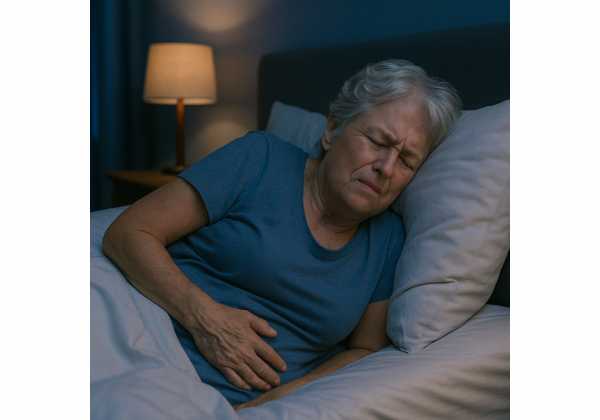
Pain and poor sleep feed each other. A sore hip, aching back, stiff hands, burning feet, or tender shoulder often feels worse when the house is quiet and there are fewer distractions. Then a broken night lowers pain tolerance the next day, increases fatigue, and makes movement feel harder. Over time, the pattern becomes a loop: pain interrupts sleep, poor sleep amplifies pain, and inflammation keeps the body on higher alert.
Comfort in later life rarely comes from one perfect pillow, pill, supplement, or stretch. It comes from reducing the total load on the nervous system: calmer evenings, steady movement, safer medication choices, less nighttime swelling, better bedroom conditions, and timely help for problems such as sleep apnea, restless legs, arthritis flares, neuropathy, or depression. Small changes matter when they are specific and repeatable. A warmer joint, a less anxious bedtime, a steadier sleep schedule, and a clearer medication plan all reduce the friction between pain and rest.
Table of Contents
- Why Pain Feels Worse at Night
- Inflammation, Sleep, and Aging
- Look for Treatable Causes Before Blaming Age
- An Evening Comfort Routine That Lowers Pain Signals
- Daytime Movement for Better Sleep
- Food, Fluid, and Weight Factors That Affect Night Pain
- Medicine Safety in Older Adults
- Tracking and Next Steps
Why Pain Feels Worse at Night
Night pain feels stronger because the brain has fewer competing signals. During the day, walking, talking, chores, sunlight, meals, and social contact give the nervous system many inputs. At night, those inputs fade. The brain notices joint pressure, muscle guarding, nerve tingling, and throbbing more easily.
Pain also changes with position. A hip that tolerates walking might ache when compressed by side sleeping. A stiff lower back might tighten after several hours in one posture. Arthritic hands often feel worse after cooling down. Shoulder pain can flare when the arm rolls forward or hangs unsupported. Fluid that collects in the legs during the day can shift when lying down, adding pressure, cramps, or the urge to move.
Sleep loss then raises the volume on pain. A short or fragmented night reduces pain thresholds, increases emotional reactivity, and makes the next day’s discomfort harder to ignore. One bad night is usually manageable. Several bad nights in a row create a body-wide sense of strain: more stiffness, less patience, less movement, and more time spent bracing against pain.
Several common patterns point to specific fixes:
| Night pattern | Likely contributor | First adjustment to try |
|---|---|---|
| Hip pain on one side | Joint compression, mattress pressure, bursitis, osteoarthritis | Place a pillow between knees and avoid lying directly on the painful side |
| Back pain after 3–5 hours in bed | Long time in one position, poor support, stiffness from low daytime movement | Use a knee pillow on the back or side and add gentle evening mobility |
| Burning or tingling feet | Nerve irritation, neuropathy, circulation issues, restless legs | Review symptoms with a clinician, especially with diabetes, B12 deficiency, or new weakness |
| Throbbing joints with warmth or swelling | Inflammatory flare, injury, gout, rheumatoid arthritis, infection | Seek medical advice when swelling is new, hot, severe, or paired with fever |
| Pain plus snoring or gasping | Sleep apnea, fragmented oxygen and sleep | Ask about sleep apnea testing rather than treating the pain alone |
A better night starts with identifying the pattern. “I hurt at night” is less useful than “my right hip wakes me after two hours on my side” or “my feet burn as soon as I lie down.” Specific pain has a better chance of a specific solution.
Inflammation, Sleep, and Aging
Inflammation is the body’s repair and defense system. Short bursts help heal wounds and fight infection. Long-running inflammation keeps tissues irritated and keeps the nervous system alert. In older adults, chronic low-grade inflammation often overlaps with osteoarthritis, abdominal fat, gum disease, poor glucose control, autoimmune disease, low activity, loneliness, stress, and untreated sleep disorders.
Sleep and inflammation run in both directions. Poor sleep raises stress-system activity and inflammatory signaling. Inflammation then worsens pain sensitivity, fatigue, mood, and sleep quality. This does not mean every ache is “inflammation.” Some pain comes from nerve compression, joint structure, muscle weakness, tendon overload, poor circulation, or a recent injury. Still, inflammation often turns a manageable problem into a more persistent one.
The most useful approach is to reduce inflammatory pressure from several directions at once:
- Keep a stable sleep-wake schedule, including weekends.
- Get morning light soon after waking.
- Move daily within tolerable limits.
- Strengthen muscles around painful joints.
- Treat gum disease, skin infections, urinary symptoms, and other inflammatory triggers.
- Improve blood sugar and blood pressure control when they are elevated.
- Avoid late alcohol, heavy dinners, and long sedentary evenings.
People who track recovery often notice that pain scores rise after short sleep, late meals, alcohol, stressful days, or too much sitting. A simple wearable can help spot sleep timing and waking patterns, but it should not turn bedtime into a performance test. For a calmer approach to tracking, use sleep wearables as trend tools, not judges of whether the night “failed.” A more detailed guide to sleep tracking in aging helps separate useful signals from noise.
Inflammation testing has a place when symptoms suggest a broader issue. High-sensitivity C-reactive protein, often called hs-CRP, reflects systemic inflammatory activity, but it does not identify the exact cause by itself. A high result after a cold, dental infection, injury, or hard workout means something different from a repeated high result with fatigue, joint swelling, and weight change. A clinician can pair symptoms with targeted labs, imaging, and medication review. For a deeper look at testing, see this guide to inflammation markers and healthy aging.
Look for Treatable Causes Before Blaming Age
Age increases the chance of pain, but age alone is not a diagnosis. New pain, worsening pain, or sleep that changes sharply deserves attention. Many causes are treatable, and treating the cause often improves sleep more than adding a sleep aid.
Common causes of night pain include osteoarthritis, spinal stenosis, tendon irritation, bursitis, rotator cuff disease, neuropathy, gout, rheumatoid arthritis, polymyalgia rheumatica, poor circulation, medication side effects, leg cramps, restless legs syndrome, and sleep apnea. Mood also matters. Depression and anxiety increase pain sensitivity and make it harder to return to sleep after waking.
Some symptoms need prompt medical care:
- Chest pain, shortness of breath, fainting, or sudden severe weakness.
- New one-sided leg swelling, calf pain, or redness.
- Fever with a hot, swollen joint.
- New loss of bladder or bowel control.
- New numbness in the groin or rapidly worsening leg weakness.
- Unexplained weight loss, night sweats, or pain that is severe and constant.
- New headache, jaw pain while chewing, or vision changes.
- Pain after a fall, especially with inability to bear weight.
Restless legs syndrome deserves special mention because people often describe it as discomfort rather than pain. It produces an urge to move the legs, often with crawling, pulling, buzzing, or aching sensations that worsen at rest and in the evening. Low iron stores, kidney disease, neuropathy, and some medications contribute. The right evaluation matters because the fix is not simply “more stretching.” This guide to restless legs and periodic limb movements covers the pattern in more detail.
Sleep apnea also hides behind pain complaints. Repeated breathing pauses fragment sleep, raise nighttime stress hormones, and leave the body less resilient the next day. Snoring, gasping, morning headaches, dry mouth, nighttime urination, resistant high blood pressure, and daytime sleepiness all raise suspicion. Pain medication, especially opioids and sedatives, can worsen breathing during sleep. When these signs are present, review sleep apnea testing and treatment basics rather than relying only on bedtime comfort measures.
An Evening Comfort Routine That Lowers Pain Signals
A good evening routine starts before pain peaks. Waiting until pain reaches an 8 out of 10 often leads to frustration, extra medication, and a tense bedtime. The better pattern is preventive: warmth, gentle motion, support, calming cues, and a bedroom that does not fight the body.
Start with a 20- to 30-minute wind-down window. Keep it simple enough to repeat on an ordinary night.
Warmth, cooling, and positioning
Heat relaxes muscles and improves comfort for many stiff joints. A warm shower, heating pad, warm wrap, or bath works best when used safely: moderate heat, skin checks, and no sleeping on an electric heating pad. People with reduced sensation from neuropathy need extra caution because burns happen before pain warns them.
Cold works better for swollen, hot, or freshly irritated areas. Use a wrapped cold pack for 10–15 minutes, then remove it before bed. Avoid intense cold directly on thin skin.
Positioning often gives faster relief than another supplement. Try these adjustments:
- For hip or knee pain: sleep on the side with a pillow between knees, or on the back with a pillow under knees.
- For shoulder pain: hug a pillow to keep the painful arm supported.
- For back pain: keep the spine neutral and avoid twisting one leg across the body.
- For hand arthritis: use light warmth before bed and avoid sleeping with wrists sharply bent.
- For reflux plus pain: elevate the head of the bed rather than stacking many pillows under the neck.
Good bedroom basics still matter. A cool, dark, quiet room supports deeper sleep and reduces awakenings that make pain more noticeable. A full sleep hygiene setup for healthy aging helps with temperature, light, noise, and bedroom habits.
Gentle movement without waking the body up
The right evening movement feels relieving, not athletic. Aim for 5–10 minutes of slow motion. Breathe normally and stop before pain rises sharply.
A simple sequence:
- Shoulder rolls: 5 slow circles each direction.
- Neck turns: 3 gentle turns each side without forcing range.
- Seated cat-cow: 6 slow rounds to loosen the spine.
- Ankle pumps: 20 repetitions to move fluid out of the lower legs.
- Heel slides in bed: 5 each leg for knees and hips.
- Slow nasal breathing: 2 minutes with a longer exhale than inhale.
Avoid aggressive stretching right before bed. Strong stretching can irritate tendons, trigger cramps, or make the nervous system more alert. Save deeper mobility work for earlier in the day.
Calming pain-related worry
Pain at night often comes with fear: “Will I sleep at all?” “Is this getting worse?” “How will I function tomorrow?” These thoughts are understandable, but they increase muscle tension and alertness.
Use a short written plan before bed:
- Pain location and intensity.
- What helped today.
- What you will do if you wake.
- One reason the symptom does or does not need urgent care.
- The next scheduled appointment or step.
This turns vague worry into a contained plan. When insomnia becomes its own problem, cognitive behavioral therapy for insomnia is the best-studied non-drug treatment. A structured CBT-I approach to insomnia works especially well when pain has trained the brain to see bed as a place of struggle.
Daytime Movement for Better Sleep
Pain often asks people to move less. Short-term rest helps after an injury or flare, but long-term underuse makes muscles weaker, joints stiffer, balance poorer, and sleep lighter. The right dose of movement lowers pain sensitivity and builds confidence without forcing the body through severe symptoms.
For most chronic musculoskeletal pain, the best starting point is frequent, gentle movement rather than one heroic workout. Ten minutes after breakfast, five minutes after lunch, and ten minutes before dinner often beat a single long session that causes a flare.
Use the “better tomorrow” rule. A movement plan is too much if it causes a major pain increase that lasts into the next day. Mild soreness is acceptable. Sharp pain, swelling, limping, or loss of function means the dose needs to drop.
Helpful options include:
- Walking on level ground for 5–20 minutes.
- Water walking or gentle swimming for painful hips, knees, or backs.
- Sit-to-stand practice from a sturdy chair.
- Light resistance bands for hips, shoulders, and upper back.
- Tai chi or balance drills for stiffness and confidence.
- Short mobility breaks every 30–60 minutes during long sitting.
Strength training is especially valuable because muscles protect joints. Stronger hips reduce knee load. Stronger back and abdominal muscles support the spine. Stronger shoulders improve arm position during sleep. Older adults often need more gradual progression, but they still build strength when the plan is consistent. For joint-sensitive adjustments, use knee and hip friendly training modifications instead of abandoning exercise completely.
Fall risk also affects sleep. People who feel unsteady often tense up during nighttime bathroom trips and avoid daytime walking, which worsens weakness. Add night lights, clear floor clutter, use supportive footwear for evening walking, and discuss assistive devices without shame. A cane, rail, or walker used wisely preserves independence; it does not take it away.
Timing matters. Morning and afternoon movement improve sleep pressure and circadian rhythm. Vigorous exercise close to bedtime wakes some people, especially if it raises pain or body temperature. Gentle stretching, slow walking, or breathing practice in the evening is different; it signals safety rather than effort.
Food, Fluid, and Weight Factors That Affect Night Pain
Food choices do not erase arthritis or nerve pain overnight, but they change the terrain. Stable blood sugar, adequate protein, enough fiber, and less alcohol all support repair, mood, and sleep. Meals also affect reflux, cramps, inflammation, and nighttime urination.
An anti-inflammatory eating pattern is not a special cleanse. It looks like ordinary meals built around vegetables, fruit, beans, lentils, whole grains, fish, yogurt or kefir if tolerated, nuts, seeds, olive oil, herbs, and enough protein. The pattern reduces reliance on ultra-processed snacks, sugary drinks, fried foods, and heavy late meals. For meal-level examples, see anti-inflammatory food swaps for longevity.
Protein matters because pain often leads to inactivity, and inactivity speeds muscle loss. Older adults usually do better when protein is spread across the day rather than saved for dinner. A useful meal target is often 25–40 grams of protein, adjusted for body size, kidney health, appetite, and clinician guidance. Stronger muscles reduce joint load and improve confidence with movement.
Hydration needs balance. Too little fluid contributes to cramps, constipation, dizziness, and fatigue. Too much fluid late in the evening causes bathroom trips that expose the body to cold, stiffness, and fall risk. A practical rhythm is to drink most fluids earlier in the day, taper in the last 2–3 hours before bed, and limit alcohol at night.
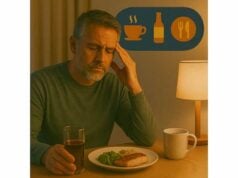
Alcohol deserves direct attention. It can make pain feel temporarily quieter, but it fragments sleep, worsens snoring and sleep apnea, raises nighttime urination, and increases fall risk. Even one or two drinks close to bedtime disrupt REM sleep and can cause early waking. If alcohol is part of the evening pain routine, replacing it with heat, a planned pain strategy, and a calming drink such as warm milk or caffeine-free tea often improves sleep within one to two weeks.
Body weight affects pain through joint load, inflammation, and breathing during sleep. Weight loss is not a quick pain cure, and older adults should avoid crash dieting because it can worsen muscle and bone loss. A safer target is slow fat loss paired with protein and strength training when excess weight clearly worsens knee, hip, back, reflux, or sleep apnea symptoms.
Medicine Safety in Older Adults
Medication choices become more delicate with age because the liver, kidneys, brain, balance system, and blood pressure regulation change. A medicine that was harmless at 45 may cause confusion, falls, constipation, stomach bleeding, or next-day grogginess at 75. The safest plan treats pain without creating a new sleep problem.
Acetaminophen is often used for osteoarthritis or general aches, but dose limits matter. Many products contain acetaminophen, including cold remedies and combination pain pills. Taking several products at once raises overdose risk. People with liver disease or heavy alcohol use need medical guidance before using it.
Nonsteroidal anti-inflammatory drugs, or NSAIDs, include ibuprofen, naproxen, diclofenac, and others. They reduce inflammation and help some flares, but they can raise blood pressure, worsen kidney function, irritate the stomach, increase bleeding risk, and interact with blood thinners. Topical NSAIDs, such as diclofenac gel, often give local joint relief with less whole-body exposure, especially for knees and hands. They still deserve a medication review.
Opioids require special caution. They cause constipation, falls, confusion, hormonal changes, tolerance, and dependence. They also disturb breathing during sleep and can worsen sleep apnea or central sleep apnea. Combining opioids with benzodiazepines, alcohol, sedating antihistamines, gabapentinoids, or muscle relaxers increases risk. Anyone using opioids for chronic pain should have a clear treatment plan, bowel plan, fall-risk plan, and sleep-breathing review.
Sedating antihistamines, such as diphenhydramine and doxylamine, are common in over-the-counter sleep products. They are poor choices for routine sleep in older adults because they can cause confusion, dry mouth, constipation, urinary retention, blurred vision, and falls. Many “PM” pain products include them. This is one reason to read labels carefully and review all bottles, not just prescriptions. For a closer look at risky sleep medicines, see sleep aid safety in aging.
Supplements also deserve respect. Magnesium may help some people with cramps or constipation, but it can cause diarrhea and is risky with significant kidney disease. Melatonin helps circadian timing more than pain; higher doses often cause vivid dreams or morning grogginess. Curcumin, omega-3s, boswellia, and similar products may interact with blood thinners or surgery plans. “Natural” does not mean simple when several medications are already in use.
A medication review should include:
- Prescription medicines.
- Over-the-counter pain relievers.
- “PM” sleep products.
- Antihistamines.
- Muscle relaxers.
- Nerve pain medicines.
- Supplements and herbal products.
- Alcohol or cannabis use where legal.
- Timing of each dose.
Bring the actual bottles or a photo of each label to the appointment. Timing changes alone sometimes help: a diuretic taken too late causes nighttime urination; a stimulating medication taken in the evening delays sleep; a pain medicine taken after pain peaks may miss the window when it helps most.
Tracking and Next Steps
A clear two-week record often reveals more than months of guessing. Track only enough to guide action. Too much tracking creates bedtime stress.
Use a simple daily note with five items:
| Item to track | Useful detail |
|---|---|
| Pain | Location, 0–10 intensity, and whether it woke you |
| Sleep | Bedtime, wake time, number of awakenings, and longest awake period |
| Movement | Walking minutes, strength work, long sitting, or flare-triggering activity |
| Evening factors | Alcohol, late meal, screen-heavy evening, stress, heat or cold use |
| Medicine | Name, dose, timing, benefit, and side effects |
After two weeks, look for patterns. Does pain wake you after lying on one side? Does alcohol predict early waking? Do low-movement days lead to more stiffness? Does a late salty dinner lead to leg swelling and bathroom trips? Does a heating pad help for 30 minutes but not through the night? These details shape the next step.
A reasonable home plan has three layers.
First, make the sleep environment less irritating: steady wake time, morning light, cool room, low evening light, safer path to the bathroom, supportive pillows, and less time awake in bed.
Second, lower pain sensitivity during the day: short walks, gentle strength training, reduced long sitting, pacing, hydration earlier in the day, and enough protein.
Third, review medical causes: joint swelling, nerve symptoms, restless legs, apnea signs, medication side effects, mood symptoms, inflammatory disease, and fall risk.
Ask for professional help when pain wakes you most nights for more than two to three weeks, when pain limits walking or daily tasks, when medication use is increasing, or when sleep drops below a functional level. Physical therapists, occupational therapists, dentists, sleep clinicians, pharmacists, psychologists trained in CBT-I or pain coping skills, and primary care clinicians each solve different parts of the problem.
Comfort is not the same as complete pain removal. Many older adults sleep better when pain drops from “sharp and alarming” to “present but manageable.” That shift is meaningful. It restores deeper rest, steadier mood, safer movement, and more energy for the activities that keep the body resilient.
References
- American Geriatrics Society 2023 updated AGS Beers Criteria® for potentially inappropriate medication use in older adults 2023 (Guideline)
- Behavioral and psychological treatments for chronic insomnia disorder in adults: an American Academy of Sleep Medicine clinical practice guideline 2021 (Guideline)
- Chronic pain (primary and secondary) in over 16s: assessment of all chronic pain and management of chronic primary pain 2021 (Guideline)
- Osteoarthritis in over 16s: diagnosis and management 2022 (Guideline)
- Nonpharmacological Interventions for Chronic Pain in Older Adults: A Systematic Review and Meta-Analysis 2024 (Systematic Review)
- The bidirectional relationship between sleep problems and chronic musculoskeletal pain: a systematic review with meta-analysis 2024 (Systematic Review)
Disclaimer
This article is educational and does not replace care from a qualified health professional. Older adults with new, severe, worsening, or unexplained pain should seek medical evaluation, especially when symptoms include fever, weakness, swelling, chest pain, shortness of breath, falls, or sudden changes in bladder or bowel control. Medication and supplement choices should be reviewed with a clinician or pharmacist because age, kidney function, liver health, sleep apnea, fall risk, and drug interactions change what is safe.