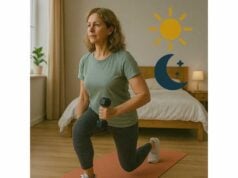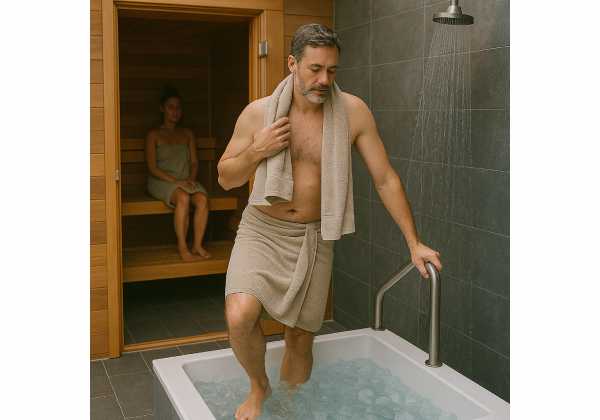
Heat and cold routines feel powerful because they change the body’s state quickly. A sauna raises skin temperature, heart rate, sweating, and blood flow. Cold water does the opposite at the surface: blood vessels tighten, breathing sharpens, and alertness rises. Used well, these signals support relaxation, training recovery, circulation, and a steadier sleep rhythm. Used too aggressively, they add stress instead of recovery.
The best routine is not the hardest one. It is the one that leaves you calmer, better hydrated, less sore, and ready for sleep at the right time of day. Sauna, cold exposure, and contrast therapy all work best when they fit your training load, health status, bedtime, and tolerance. A gentle weekly rhythm beats occasional extremes. The safest place to start is short, warm, controlled, and repeatable.
Table of Contents
- How Heat and Cold Shift Recovery
- Sauna for Sleep, Stress, and Longevity
- Cold Exposure Without Overdoing It
- Contrast Therapy: When Hot and Cold Work Together
- Timing Routines Around Sleep and Training
- Weekly Recovery Routines That Fit Real Life
- Safety, Red Flags, and Who Should Be Careful
- Tracking Results Without Obsessing
How Heat and Cold Shift Recovery
Heat and cold are recovery tools because they nudge the nervous system, circulation, and temperature regulation. They are not magic detox methods. Sweat does not “flush toxins” in a meaningful clinical sense, and a cold plunge does not erase poor sleep, excess alcohol, or too much training. Their value comes from controlled stress followed by a stronger return to baseline.
Heat pushes the body toward cooling. In a sauna, skin blood flow rises, sweat production increases, and heart rate often climbs into a range that feels like light to moderate exercise. After the session, the body keeps releasing heat. That cooling phase supports the natural evening drop in core body temperature, a signal that helps sleep begin.
Cold exposure creates a sharper stress signal. Breathing speeds up, the sympathetic nervous system activates, and the body protects core temperature by narrowing blood vessels in the skin and limbs. Afterward, rewarming brings a rebound in blood flow and often a calmer, clearer feeling. Cold exposure works best when the dose is small enough that breathing stays controlled.
Contrast therapy alternates those signals. Hot phases open blood vessels and relax tissue. Cold phases tighten blood vessels and sharpen alertness. The switch itself creates the distinctive “pumping” sensation people associate with contrast showers, pools, or sauna-to-cold routines.
These tools sit in the same family as exercise, fasting, and other mild stressors. The useful dose strengthens resilience; the excessive dose drains it. Anyone already stacking hard training, poor sleep, work stress, and calorie restriction should treat heat and cold as extra load, not free recovery. The same idea applies to broader stress planning and stacking stressors without burnout.
A good routine produces one or more of these effects within a few hours:
- Lower muscle tension
- Easier relaxation
- Better sleep onset
- Less soreness after hard sessions
- Improved mood or mental reset
- No next-day fatigue penalty
A poor routine shows up as headache, poor sleep, lingering chills, dizziness, racing heart, unusual fatigue, or dread before the next session. Those signs mean the dose is too high, the timing is wrong, or the method does not fit your current health state.
Sauna for Sleep, Stress, and Longevity
Sauna is the most sleep-friendly temperature tool when it is done early enough and at a moderate dose. A traditional Finnish-style sauna often runs around 70–90°C with low humidity. Infrared saunas usually feel milder and run at lower air temperatures, often around 45–60°C, though the heating method differs. Steam rooms use lower temperatures with high humidity, which makes cooling through sweat less efficient.
For sleep and recovery, the exact sauna type matters less than the total heat dose and the cooldown afterward. The session should feel hot but controlled, not like a test of toughness.
A simple starting dose is 10–15 minutes, one round, two or three days per week. After two weeks, people who tolerate it well often move to 15–20 minutes per round or add a second round. Longer sessions and multiple rounds raise dehydration and dizziness risk, especially in smaller bodies, older adults, people new to heat, and anyone training hard.
Sauna supports recovery through several overlapping pathways:
- Thermoregulation: the body warms, then cools. That cooling phase fits the biology of sleep.
- Parasympathetic rebound: after the heat stress ends, many people feel calmer and less tense.
- Circulation: heat increases skin blood flow and cardiac output during the session.
- Heat acclimation: repeated exposure improves heat tolerance over time.
- Muscle comfort: warmth reduces the perception of stiffness and soreness.
For cellular health discussions, sauna also gets attention because heat exposure triggers heat shock proteins, which help protect and repair proteins under stress. That does not mean hotter is always better. It means repeated, manageable heat exposure gives the body a signal worth adapting to. A dedicated sauna dose and safety plan helps keep that signal productive.
Sauna timing for better sleep
The best sleep window is usually late afternoon or early evening, roughly 1–3 hours before bed. That timing leaves room for the body to cool, rehydrate, and shift out of the heat-stress phase. A sauna right before bed often backfires because heart rate and body temperature stay elevated.
A warm shower or bath follows a similar principle. Warm water 1–2 hours before bed helps the body release heat through the hands, feet, and skin afterward. Sauna is stronger than a warm shower, so it needs more cooldown time.
A calming sauna session looks like this:
- Eat normally earlier in the day, avoiding a huge meal right before the session.
- Drink water before going in.
- Sit for 10–15 minutes.
- Step out before dizziness, nausea, or pounding heartbeat.
- Cool down at room temperature or with a lukewarm shower.
- Drink water and add electrolytes after heavy sweating.
- Keep the rest of the evening quiet and dim.
Sauna pairs well with morning light and evening darkness because both reinforce the daily temperature and light signals that shape sleep timing.
What not to do in a sauna
Do not use alcohol as part of a sauna routine. Alcohol increases dehydration risk, impairs judgment, and worsens sleep quality later in the night. Do not use a sauna while acutely ill with fever, vomiting, diarrhea, chest pain, or faintness. Do not try to “sweat out” a virus or a hangover.
Avoid aggressive breath holds, competitive endurance challenges, and standing up quickly after a long heat session. The body already works hard to move blood to the skin. Sudden posture changes add fainting risk.
Cold Exposure Without Overdoing It
Cold exposure is more stimulating than sauna, so the first rule is control. The breath should settle within 15–30 seconds. If breathing stays frantic, the water is too cold, the exposure is too long, or the person is not ready for that dose.
Cold exposure includes several levels:
| Method | Beginner Dose | Best Use | Sleep Impact |
|---|---|---|---|
| Cool shower finish | 30–60 seconds | Alertness, confidence, easy habit building | Better earlier in the day |
| Cold shower | 1–3 minutes | Stress tolerance and mood reset | Often too activating near bedtime |
| Cold plunge | 1–3 minutes at a tolerable temperature | Soreness, heat cooldown, mental training | Use well before sleep |
| Sports recovery immersion | 10–15 minutes in controlled settings | Short-term soreness after hard exercise | Not ideal close to bed for most users |
Sports studies often use colder and longer protocols than a home longevity routine needs. For soreness after hard exercise, research commonly studies 10–15 minutes around 5–15°C. That is a large dose. It belongs in athletic recovery settings, not as a casual nightly ritual for a stressed, sleep-deprived adult.
A safer starting point is cool rather than icy. Use water cold enough to feel challenging but not shocking. Breathe through the nose if possible, relax the shoulders, and end while still in control. The confidence that comes from ending calmly is part of the benefit.
Cold exposure has a tradeoff for strength training. When the main training aim is muscle growth or strength gain, frequent cold plunges immediately after lifting are not ideal. Cooling appears to reduce some of the inflammatory and cellular signals involved in muscle adaptation. Place cold exposure several hours after lifting, on conditioning days, or on rest days when soreness relief is more important than maximizing hypertrophy.
For gradual adaptation, a cold acclimation approach works better than forcing a plunge on day one. Start with 15–30 seconds at the end of a warm shower. Add 15–30 seconds each week. Move to colder water only after breathing stays smooth.
Cold exposure is most useful for:
- Morning alertness without extra caffeine
- A mental reset after stress
- Short-term soreness relief
- Cooling after sauna
- Building tolerance to discomfort in a controlled way
It is less useful for:
- Treating chronic insomnia
- Replacing deload weeks
- Fixing under-fueling
- Proving discipline through suffering
- Doing late at night when sleep is fragile
People who track recovery through resting heart rate or heart rate variability often notice that cold exposure has different effects depending on timing. Morning cold improves mood for some. Late cold raises arousal and delays sleep for others.
Contrast Therapy: When Hot and Cold Work Together
Contrast therapy alternates hot and cold exposure. It is popular because it gives a clear before-and-after feeling: heavy legs feel lighter, the mind feels reset, and the body feels awake but relaxed. The evidence is strongest for short-term recovery feelings and soreness, not for long-term longevity outcomes.
The classic pattern is heat first, cold second, repeated for several rounds. Heat makes the cold easier because the body starts warm. Cold after heat also gives a clean endpoint: alert, refreshed, and less overheated. For sleep, though, ending cold is not always best. Some people sleep better when they end warm or finish with a neutral cooldown.
A beginner contrast shower is enough for most people:
- Warm water for 2–3 minutes.
- Cool water for 30 seconds.
- Repeat for 2–3 rounds.
- End warm for sleep, cool for daytime alertness.
A sauna-based contrast routine is stronger:
- Sauna for 10–15 minutes.
- Cooldown at room temperature for 2–5 minutes.
- Cool shower or brief cold plunge for 30–90 seconds.
- Rest until breathing and heart rate feel normal.
- Repeat once if well tolerated.
The rest phase matters. Going straight from intense heat to intense cold without a pause raises the stress load. People with cardiovascular risk need medical guidance before attempting abrupt hot-cold switches.
Contrast therapy works best when the hot and cold phases stay submaximal. The heat should not push dizziness. The cold should not cause panic. The goal is a smooth shift between states, not a dramatic survival response.
A deeper contrast therapy routine belongs on days when the schedule allows unhurried cooldown, hydration, and a quiet evening. Rushed contrast sessions after late workouts often interfere with sleep because they compress exercise, heat, cold, food, and bedtime into one overstimulating block.
Timing Routines Around Sleep and Training
Timing determines whether temperature therapy feels restorative or disruptive. Sleep depends on a coordinated drop in core body temperature, lower alertness, and stable breathing. Heat used early enough supports that sequence. Cold used too late often fights it.
Use this timing guide as a starting point:
| Goal | Best Timing | Better Choice | Avoid |
|---|---|---|---|
| Fall asleep easier | 1–3 hours before bed | Sauna, warm shower, warm bath | Hard cold plunge right before bed |
| Morning energy | After waking | Cool shower, brief cold exposure | Long sauna before work if it causes fatigue |
| Reduce soreness | After hard conditioning or sport | Cold immersion or contrast | Frequent cold right after hypertrophy lifting |
| Relax after work | Late afternoon or early evening | Sauna followed by neutral cooldown | Alcohol plus sauna |
| Support heat tolerance | After easy training or separate session | Moderate sauna, repeated weekly | Long sessions after dehydration |
Exercise timing also changes the picture. A hard evening workout already raises body temperature, adrenaline, and appetite. Adding sauna and cold after that session might feel satisfying, but it often delays dinner and pushes arousal too close to bedtime. If evening is the only training window, keep the post-workout recovery routine simple: shower, meal, dim light, and a cool bedroom. More detailed planning around exercise timing and sleep helps protect recovery in midlife.
For strength training, sauna after lifting is usually easier to place than cold immersion. Heat supports relaxation and does not blunt the muscle-building signal in the same way immediate cold exposure might. Still, sauna after hard lifting requires fluid and sodium replacement because both training and heat increase sweat loss.
For endurance training, cold water has a clearer role after hot, long, or high-impact sessions when soreness and overheating are the main problems. It also helps after competitions where short-term recovery matters more than adaptation.
For sleep-focused routines, think in phases:
- Morning: cold or cool exposure for alertness.
- Afternoon: sauna for stress release or heat adaptation.
- Early evening: warm shower, bath, or moderate sauna.
- Late evening: neutral temperature, dim light, no extremes.
Strong sleep basics still matter more than temperature tools. A cool, dark, quiet bedroom and consistent schedule carry more weight than any plunge. Temperature routines work best layered onto solid sleep hygiene, not used as rescue therapy after chaotic evenings.
Weekly Recovery Routines That Fit Real Life
The most effective weekly plan is modest enough to repeat. Start with two or three sessions total, not daily heat and daily cold. Add only one variable at a time, so the body’s response is easy to read.
Routine 1: Sleep-first sauna plan
Use this when the main goal is better sleep and lower evening tension.
- Monday: Sauna 10–15 minutes, early evening
- Wednesday: Warm shower or bath 1–2 hours before bed
- Friday or Saturday: Sauna 15–20 minutes, early evening
- Other days: No temperature therapy beyond normal bathing
This routine suits people with stress, light soreness, or a busy workweek. Keep the sauna comfortable. Finish with a lukewarm shower and quiet cooldown. Skip cold plunging at night during the first month.
Routine 2: Training recovery plan
Use this when soreness from conditioning, sport, or long hikes is the main issue.
- After hard conditioning: brief cold immersion or cool shower
- After strength training: sauna or normal shower, not immediate cold plunge
- Rest day: contrast shower if legs feel heavy
- Deload week: reduce all heat and cold doses
This plan protects strength adaptation while still using cold for soreness. It pairs well with active recovery and deloads, especially for adults training hard while balancing work and family load.
Routine 3: Gentle resilience plan
Use this when the goal is stress tolerance without intense equipment.
- Three mornings per week: cool shower finish, 30–90 seconds
- One evening per week: warm bath or sauna
- One weekend session: contrast shower, 2–3 rounds
- Daily: normal hydration and sleep schedule
This is the best entry point for people who dislike cold, lack sauna access, or tend to overdo new habits. It builds consistency before intensity.
Routine 4: Sauna plus cold for experienced users
Use this only after several weeks of heat and cold tolerance.
- Sauna 10–15 minutes
- Rest 2–5 minutes
- Cold shower or plunge 30–90 seconds
- Rest until breathing is normal
- Repeat once
Do not do this late at night until you know your sleep response. Do not add it after every workout. A strong contrast session once weekly is enough for many active adults.
Progress comes from repeatability. Add time before adding temperature extremes. A person who completes 12 calm sauna sessions in a month gets more benefit than someone who does one heroic 45-minute session and then avoids it for weeks.
Safety, Red Flags, and Who Should Be Careful
Heat and cold affect blood pressure, heart rhythm, hydration, breathing, and balance. Healthy adults usually tolerate moderate routines well, but risk rises with extremes, dehydration, alcohol, certain medications, and underlying cardiovascular disease.
Stop a session immediately if any of these occur:
- Chest pain or pressure
- Faintness, confusion, or tunnel vision
- Irregular heartbeat that feels new or severe
- Severe shortness of breath
- Nausea that builds quickly
- Loss of coordination
- Numbness that persists after rewarming
- Shivering that does not settle indoors
People with heart disease, uncontrolled high blood pressure, fainting history, arrhythmias, seizure disorders, advanced kidney disease, neuropathy, pregnancy, or major heat intolerance should get individualized medical guidance before sauna, cold plunges, or contrast therapy. Medication matters too. Diuretics, beta blockers, blood pressure drugs, sedatives, and some psychiatric medications change heat tolerance, sweating, heart rate response, and fall risk.
Older adults should pay special attention to balance and rewarming. Use seated showers, handrails, non-slip mats, and gradual temperature changes. A cold plunge that requires climbing into a slippery tub is not a longevity habit if it increases fall risk. Fall prevention and balance work often deserve more priority than extreme recovery tools.
Hydration needs are simple but important. Drink water before sauna and after. Add sodium when sweating is heavy, the session is long, or the day already included exercise. Signs of under-replacement include headache, dry mouth, dizziness on standing, dark urine, and a next-day “flat” feeling.
Avoid combining sauna with alcohol, recreational drugs, heavy meals, or dehydration from illness. Avoid outdoor cold plunges alone. Open-water cold exposure adds currents, depth, weather, and rescue risk. That is a different activity than a controlled shower or supervised plunge.
Temperature therapy should leave the body more stable, not more heroic. The safest dose feels challenging during the session and calming afterward.
Tracking Results Without Obsessing
Track outcomes, not just exposures. Ten minutes in a sauna is not automatically successful. A two-minute cold shower is not automatically useful. The right question is whether the routine improves sleep, recovery, mood, and readiness over the next 24 hours.
Use a simple four-part check:
| Signal | Good Response | Too Much or Bad Timing |
|---|---|---|
| Sleep onset | Falling asleep feels easier | Wide awake, hot, or restless in bed |
| Morning energy | Clearer mood, normal appetite | Groggy, depleted, headache |
| Training recovery | Less soreness, normal performance | Heavy legs, poor motivation, weak session |
| Nervous system | Calm after cooldown | Racing heart, irritability, chills |
Wearables add context, but they should not run the routine. Sleep trackers estimate sleep stages imperfectly. HRV changes for many reasons, including alcohol, illness, menstrual cycle, work stress, late meals, and hard training. Treat trends as clues. A one-night dip after sauna does not prove harm. A repeated pattern of lower HRV, higher resting heart rate, and worse sleep after late contrast sessions means the timing or dose needs changing.
A useful self-experiment lasts two weeks. Keep bedtime, caffeine, training, and meals as steady as possible. Add one routine, such as sauna twice weekly or morning cold showers three times weekly. Record sleep quality, soreness, mood, and any side effects. Then adjust.
For people already using wearables, sleep tracking signals such as sleep regularity, wake time, and resting heart rate are more useful than chasing perfect deep sleep numbers. The best recovery routine makes normal life feel easier. It does not create another scoreboard.
A good long-term pattern is seasonal. More sauna in winter often helps relaxation and warmth. More cool exposure in summer helps heat tolerance and alertness. During heavy training blocks, use temperature tools sparingly. During stressful work periods, choose gentle heat over intense cold. During poor sleep weeks, reduce extremes and return to the basics: morning light, regular meals, movement, a cool bedroom, and enough time in bed.
References
- The multifaceted benefits of passive heat therapies for extending the healthspan: A comprehensive review with a focus on Finnish sauna 2024 (Review)
- Effects of cold-water immersion on health and wellbeing: A systematic review and meta-analysis 2025 (Systematic Review)
- Impact of different doses of cold water immersion (duration and temperature variations) on recovery from acute exercise-induced muscle damage: a network meta-analysis 2025 (Systematic Review)
- Effects of Cold-Water Immersion Compared with Other Recovery Modalities on Athletic Performance Following Acute Strenuous Exercise in Physically Active Participants: A Systematic Review, Meta-Analysis, and Meta-Regression 2022 (Systematic Review)
- Before-bedtime passive body heating by warm shower or bath to improve sleep: A systematic review and meta-analysis 2019 (Systematic Review)
Disclaimer
This article is educational and does not replace care from a qualified health professional. Sauna, cold exposure, and contrast therapy affect blood pressure, hydration, heart rate, and balance, so people with medical conditions or relevant medications should get personal guidance before starting. Stop any routine that causes chest pain, faintness, severe shortness of breath, confusion, or symptoms that feel unsafe.