
Carnitine for Healthy Aging: L Carnitine Tartrate vs Acetyl L Carnitine
Carnitine helps move long-chain fatty acids into mitochondria, where cells turn them into usable energy. That role makes it attractive for healthy aging, especially...
Choline and Citicoline for Cognitive Longevity: What to Know

Choline is an essential nutrient your brain uses to build cell membranes, make acetylcholine, and support methylation, a process tied to homocysteine balance. Citicoline...
Citrus Bergamot for Longevity: Lipids and Cardiometabolic Aging
Citrus bergamot is best understood as a lipid-support supplement with a cardiometabolic angle, not as a general “anti-aging” shortcut. The extract comes from Citrus...
Collagen Peptides for Aging: Skin Elasticity and Joint Support
Collagen peptides are small protein fragments made from collagen, the main structural protein in skin, cartilage, tendons, ligaments, and bone. As adults age, collagen...
CoQ10 for Longevity: Ubiquinol and Ubiquinone and Cellular Energy
Coenzyme Q10, usually shortened to CoQ10, sits at the center of cellular energy production. Your body makes it, your mitochondria use it, and every...
Creatine for Healthy Aging: Muscle, Brain, and Safety
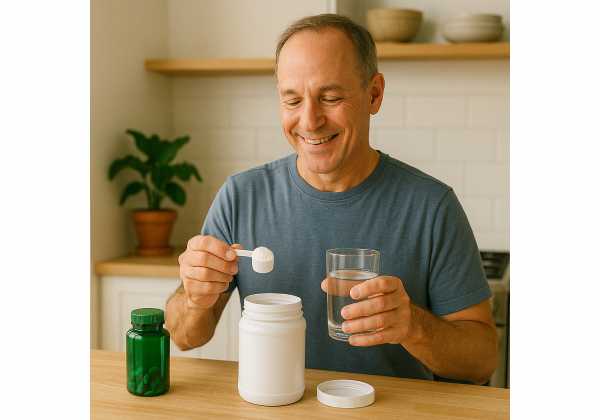
Creatine is one of the few supplements with a strong reason to belong in a healthy aging discussion. It supports fast energy recycling in...
Curcumin for Healthy Aging: Inflammation and Bioavailability

Curcumin is the bright yellow polyphenol in turmeric that draws attention because it touches two aging-related themes: chronic low-grade inflammation and oxidative stress. In...
DHEA Supplementation in Aging: Endocrine Context, Benefits, and Cautions
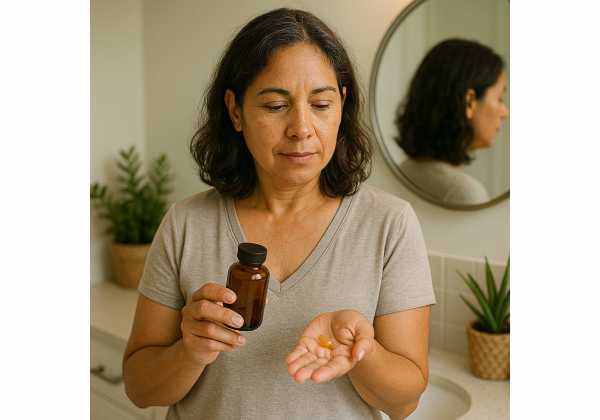
DHEA is a hormone precursor made mostly by the adrenal glands. It rises in childhood, peaks in early adulthood, and falls steadily with age....
EGCG for Healthy Aging: Green Tea Extract and Cardiometabolic Health
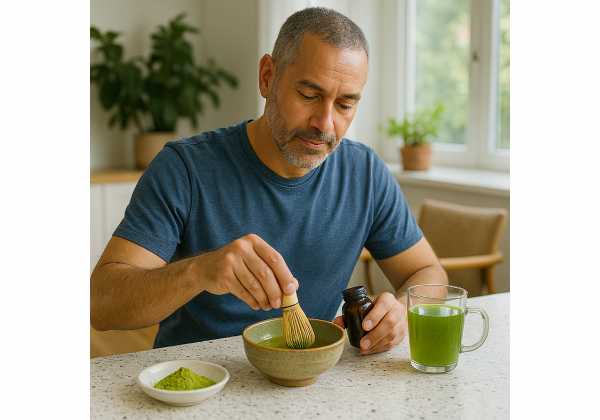
EGCG is the best-known catechin in green tea and one reason green tea extract appears in many healthy aging supplements. It sits in an...
Fisetin for Healthy Aging: A Practical Guide to Senolytic Use

Fisetin is a plant flavonol found in small amounts in strawberries, apples, persimmons, onions, and cucumbers. Interest in fisetin has grown because lab and...
Ginseng for Healthy Aging: Energy, Immunity, and Evidence
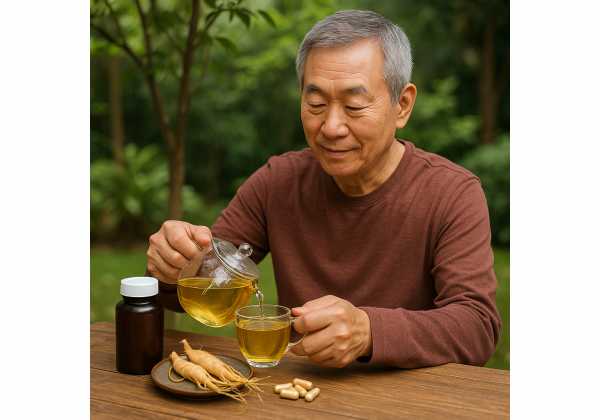
Ginseng has a long reputation as a tonic for energy, stress resilience, and immune defense, but its real value for healthy aging is more...
Glucosamine and Longevity: What Observational Studies Suggest

Glucosamine is best known as a joint supplement, but several large population studies have linked regular use with lower rates of death and some...
Glycine for Longevity: Sleep, Collagen, and Metabolic Aging

Glycine is a small amino acid with a surprisingly large role in healthy aging. The body uses it to build collagen, make glutathione, support...
GlyNAC for Aging: What Human Studies Suggest for Glutathione and Mitochondria
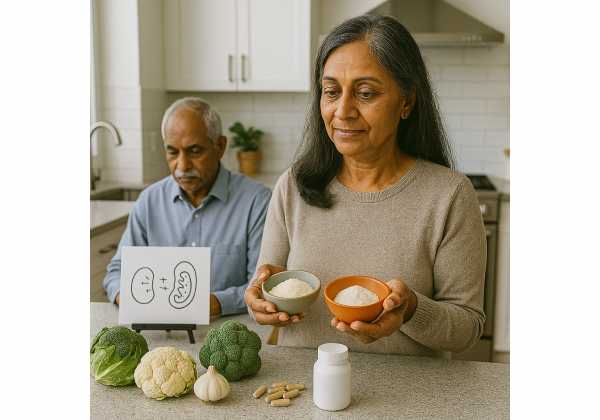
GlyNAC is a supplement pairing glycine with N-acetylcysteine, two building blocks the body uses to make glutathione. Interest in GlyNAC grew because several human...
Grape Seed Extract for Healthy Aging: OPCs and Vascular Health
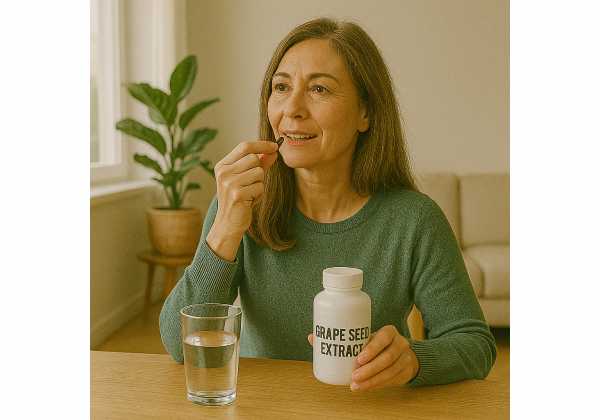
Grape seed extract is a concentrated source of proanthocyanidins, a family of polyphenols also found in berries, cocoa, apples, tea, and red wine. In...
Hesperidin and Diosmin for Vascular Aging: Endothelial and Metabolic Support
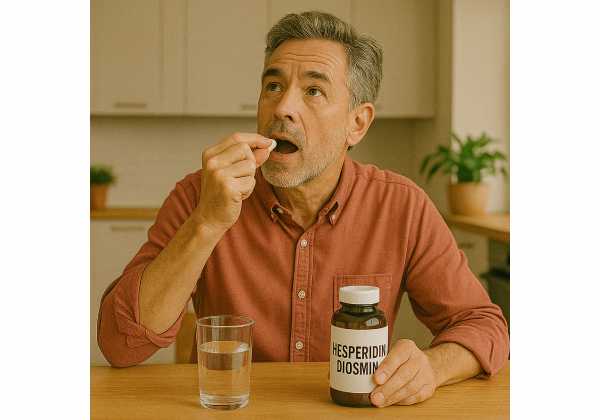
Hesperidin and diosmin are citrus-derived flavonoids best known for supporting vein comfort, leg swelling, and microcirculation. They also draw interest in healthy aging because...
HMB for Aging: Muscle Preservation and Strength in Older Adults
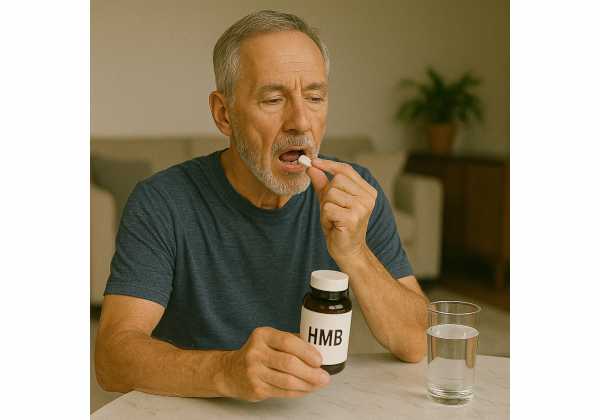
HMB is a muscle-focused supplement used to support strength, function, and lean tissue during aging. It is not a shortcut to new muscle, and...
Hyaluronic Acid for Skin Aging: Do Oral Supplements Work
Hyaluronic acid supplements have moved from joint-health shelves into skin-aging routines because the idea is appealing: take a capsule, support skin moisture from within,...
Hydroxytyrosol for Longevity: Olive Polyphenols and Mediterranean Aging
Hydroxytyrosol is one of the main protective polyphenols in olives, extra-virgin olive oil, and olive leaf extracts. It helps explain why traditional Mediterranean eating...
Inositol for Healthy Aging: Insulin Sensitivity and Metabolic Support
Inositol is best understood as a metabolic support compound, not a stand-alone longevity supplement. The body makes it, foods provide it, and cells use...