
Pipsissewa for Urinary Support, Inflammation, and Safe Use
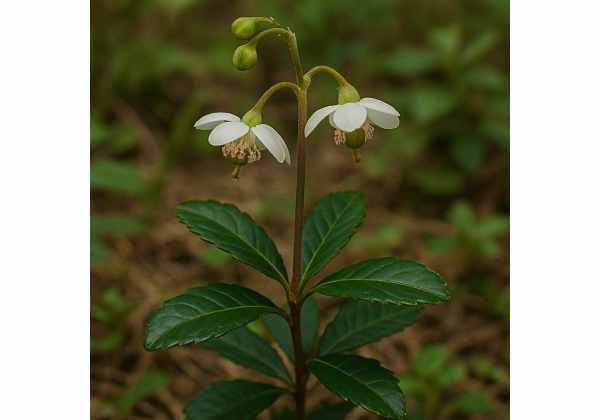
Pipsissewa, or Chimaphila umbellata, is a small evergreen woodland herb with a long history in North American and European herbal traditions. It is also...
Pinkroot Medicinal Properties, Traditional Uses, and Safety Warnings
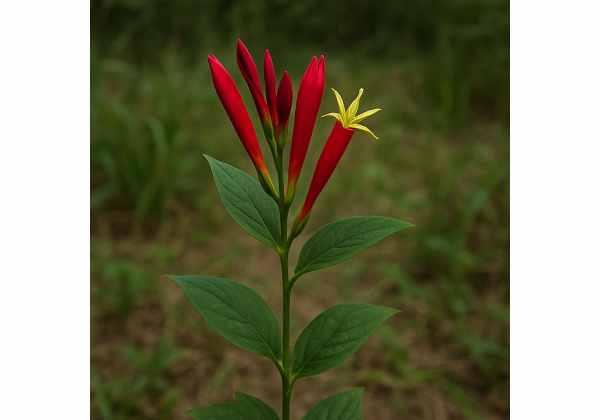
Pinkroot, or Spigelia marilandica, is one of those herbs whose beauty and medicinal history pull in opposite directions. Botanically, it is a striking North...
Pineapple Sage Tea Benefits, Culinary Uses, Dosage, and Precautions
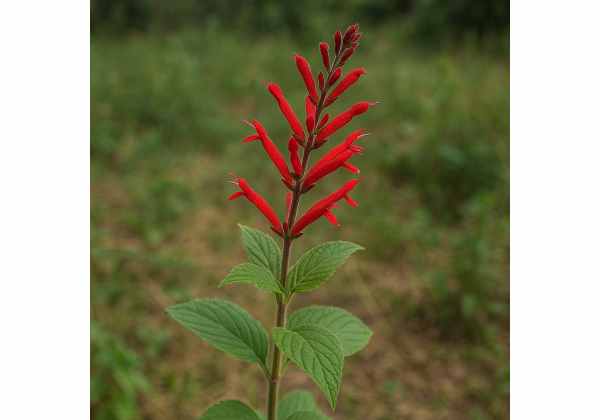
Pineapple sage is one of those herbs that feels instantly friendly. Its leaves release a sweet, fruity scent when rubbed, its red flowers brighten...
Pineapple Mint Benefits for Digestion, Tea Use, and Safe Dosing
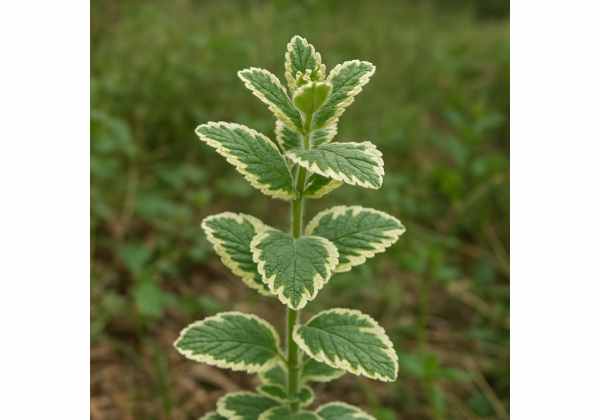
Pineapple mint is one of the most appealing members of the mint family, but it is also one of the easiest to oversimplify. Botanically,...
Pine Medicinal Properties, Respiratory Uses, Dosage, and Side Effects
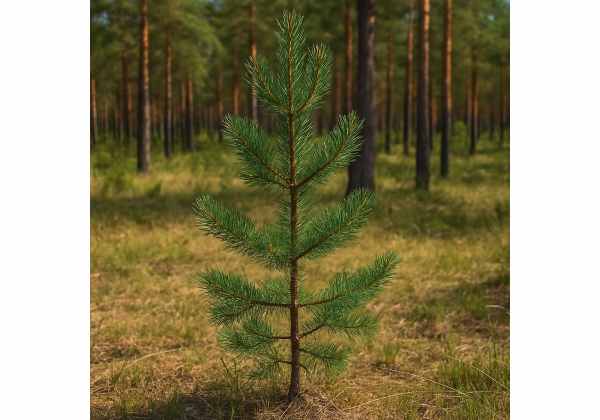
Scots pine, Pinus sylvestris, is one of Europe’s most familiar conifers, yet it is also a long-used medicinal plant. Traditional herbal practice has relied...
Pigweed as Food and Medicine, Active Compounds, and Practical Uses
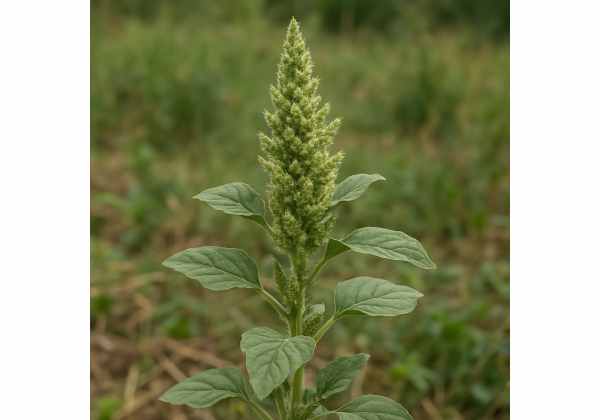
Pigweed, more precisely redroot pigweed or Amaranthus retroflexus, is one of those plants that sits in an unusual space between weed, wild food, and...
Pigeon Berry Active Compounds, Health Effects, Uses, and Risks
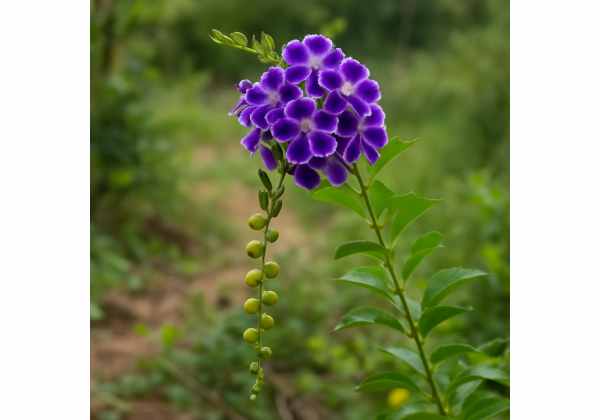
Pigeon berry, also known as Duranta erecta, is a tropical ornamental shrub better known for its hanging blue flowers and yellow-orange berries than for...
Phyllanthus Health Benefits, Active Compounds, Uses, and Precautions

Phyllanthus emblica, better known as amla or amalaki, is one of the most respected fruits in South Asian herbal tradition. Although the genus Phyllanthus...
Pheasant’s Eye Key Ingredients, Traditional Uses, and Safety Risks
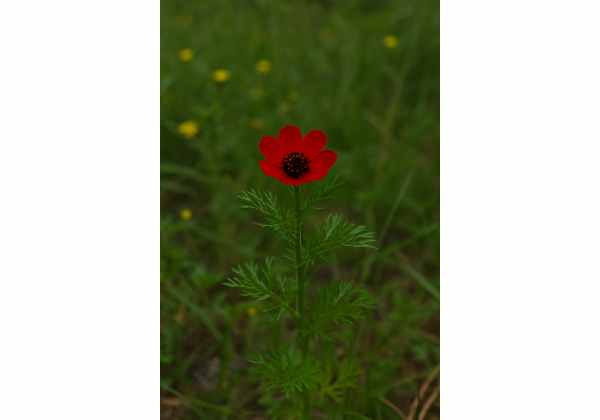
Pheasant’s Eye, Adonis annua, is a striking annual flower with finely cut leaves and deep scarlet blooms, but its medicinal story is far more...
Persimmon Benefits for Antioxidant Support, Digestive Use, and Safe Intake
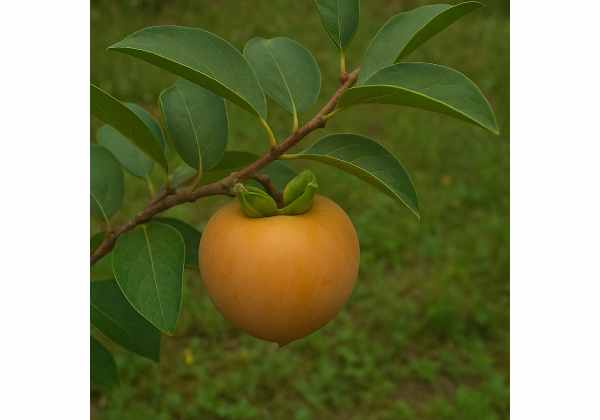
American persimmon, Diospyros virginiana, is one of those native North American plants that sits between food and medicine in a very old-fashioned way. Its...
Periwinkle Benefits for Circulation, Traditional Uses, and Safe Use Facts
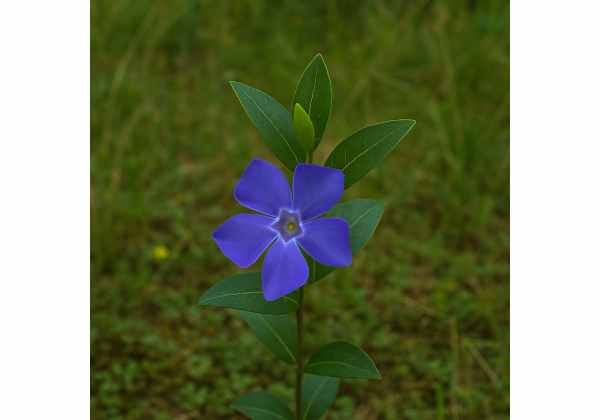
Periwinkle, or Vinca minor, is a low evergreen plant with glossy leaves and blue-violet flowers that has lived a long double life as both...
Perilla Seed Oil, Leaf Benefits, Key Compounds, and Safety
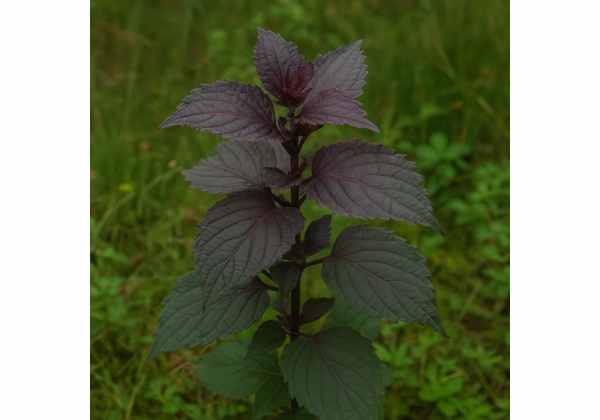
Perilla, also known as Perilla frutescens, is an aromatic mint-family plant used across East Asia as a culinary herb, traditional remedy, seed crop, and...
Peppermint for IBS, Bloating, Headache Relief, and Safe Use
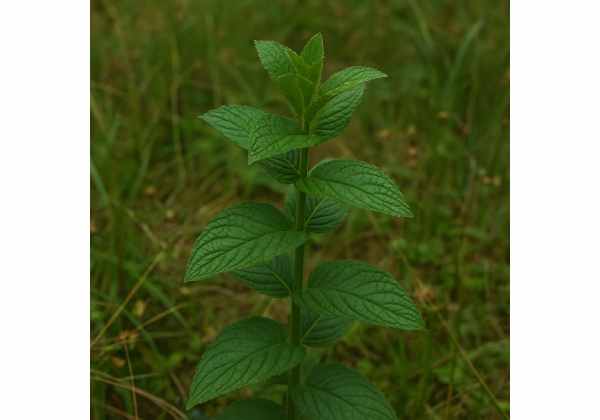
Peppermint is one of the rare herbs that feels instantly familiar yet still deserves a more careful look. A natural hybrid of watermint and...
Peony for Pain, Spasm Relief, Inflammatory Support, and Safety
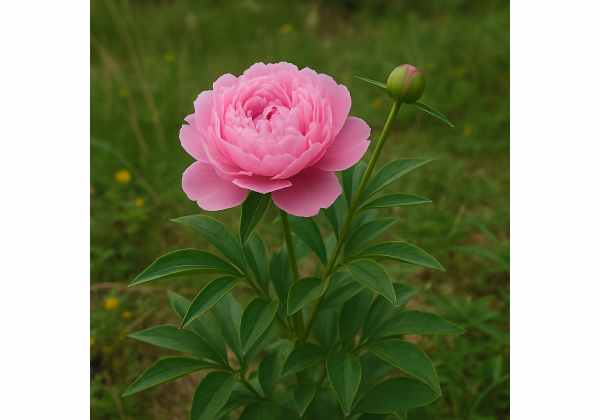
Peony is best known as an ornamental flower, but its medicinal story lies mainly in the root. In herbal medicine, the two species most...
Pennywort Medicinal Properties, Traditional Uses, Dosage, and Safety
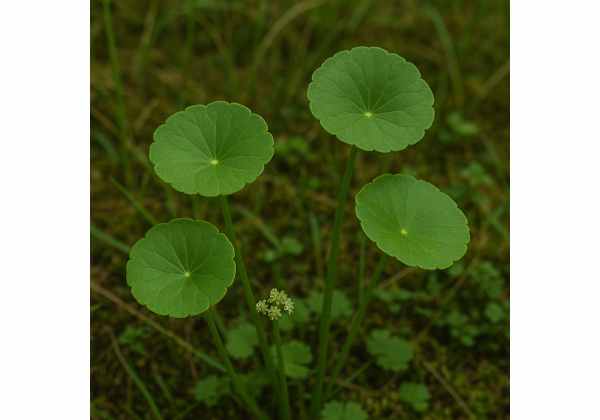
“Pennywort” is one of those plant names that sounds simple but is not. In practice, it can refer to more than one species, most...
Pennyroyal Key Ingredients, Research, Dosage, and Toxicity Risks
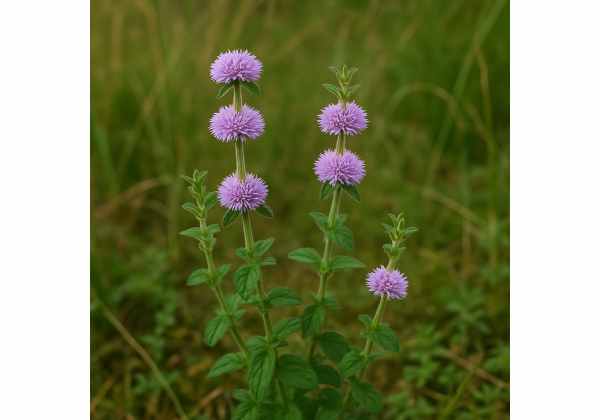
Pennyroyal, or Mentha pulegium, is one of the most debated herbs in the mint family. Traditionally, it has been used as a digestive herb,...