
Red Rue (Ruta chalepensis): Uses, Health Benefits, Phototoxicity, and Precautions
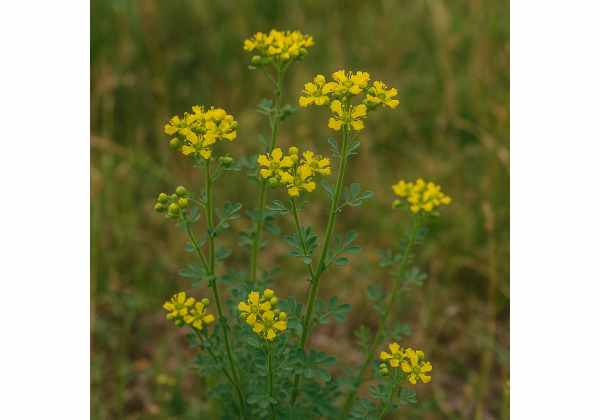
Red Rue, botanically known as Ruta chalepensis, is a strongly aromatic Mediterranean herb in the citrus family. It is closely related to garden rue,...
Red Root for Lymphatic and Spleen Support: Benefits, Uses, and Safety
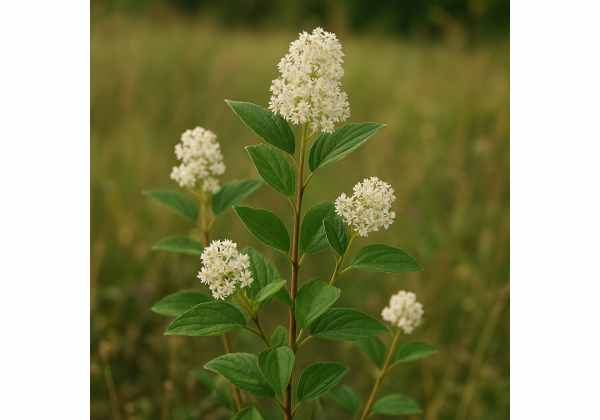
Red root, botanically known as Ceanothus americanus, is a North American shrub with two distinct identities. Historically, its leaves were used as a tea...
Red Pine – (Pinus resinosa): Benefits, Key Compounds, Practical Uses, and Who Should Avoid It
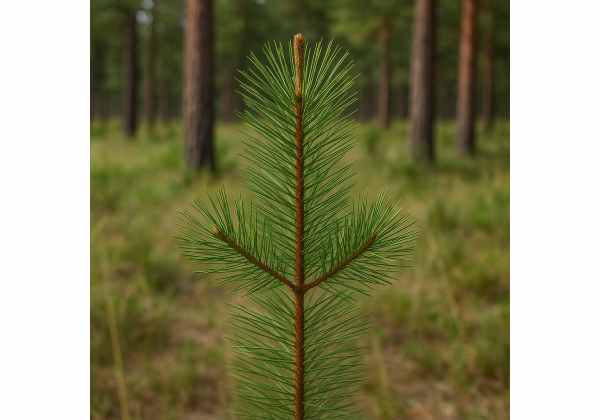
Red pine, or Pinus resinosa, is a tall North American conifer better known for timber and landscape value than for modern herbal medicine. Even...
Red Peppermint Uses and Health Benefits: Active Ingredients, Tea, Dosage, and Safety
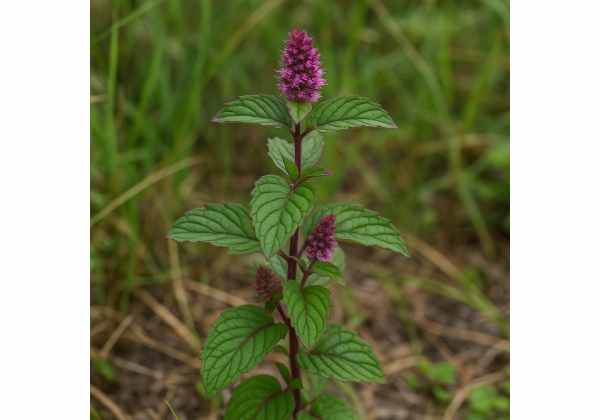
Red peppermint, usually sold under the cultivar name Mentha × piperita ‘Candymint’, is a decorative peppermint with reddish stems and the crisp, cooling aroma...
Red Osier Dogwood (Cornus sericea) Health Benefits and Uses: Evidence, Dosage, and Safety
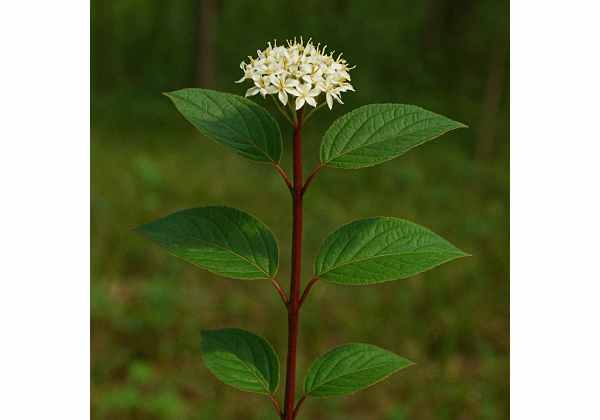
Red osier dogwood, Cornus sericea, is a bright-stemmed North American shrub best known for its winter-red twigs, wetland habitat, and long cultural history. It...
Red Mulberry (Morus rubra) Uses and Benefits: Nutrition, Medicinal Value, and Safe Intake
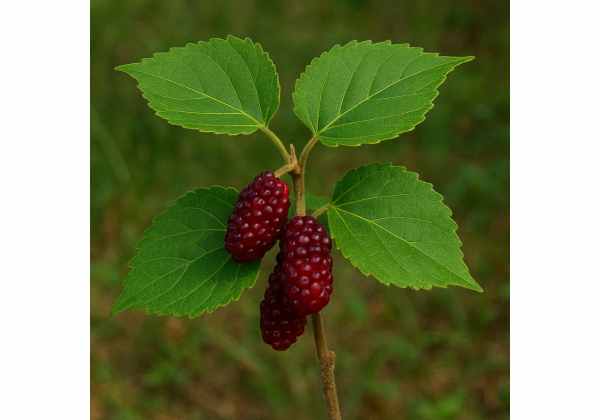
Red mulberry, Morus rubra, is one of those fruits that feels both wild and generous. Native to eastern North America, it produces soft, deep...
Red Huckleberry (Vaccinium parvifolium): Medicinal Properties, Health Benefits, Uses, and Safety Guide
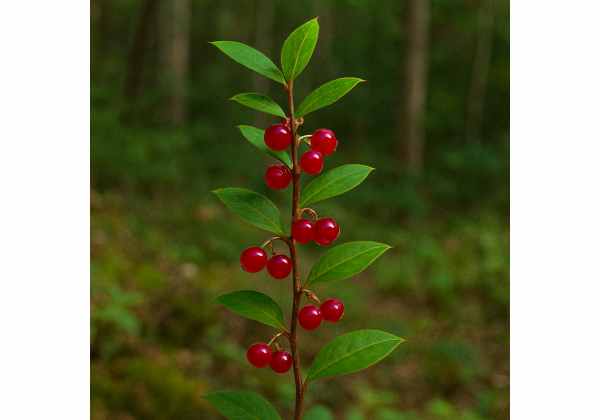
Red huckleberry is a tart, translucent berry from the Pacific Northwest, borne on a distinctive shrub with bright green branches and a long history...
Red Feather Clover for Menopause: Benefits, Key Ingredients, Dosage, and Safety
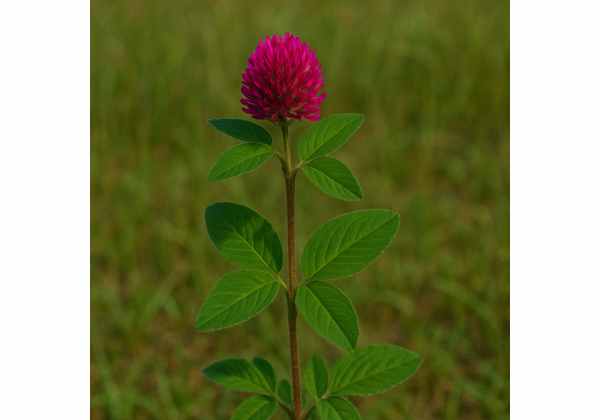
Red feather clover, better known in most herbal texts as red clover, is a flowering legume long used in teas, tinctures, and standardized extracts...
Red Elm – (Ulmus rubra): Active Compounds, Gut and Throat Uses, Dosage, and Safety Facts
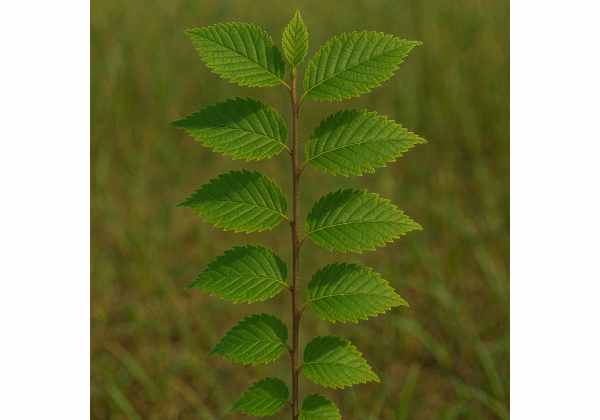
Red elm, more widely known as slippery elm, is one of the most respected soothing herbs in North American traditional medicine. The remedy comes...
Red Dock for Digestion and Antioxidant Support: Benefits, Uses, Dosage, and Safety
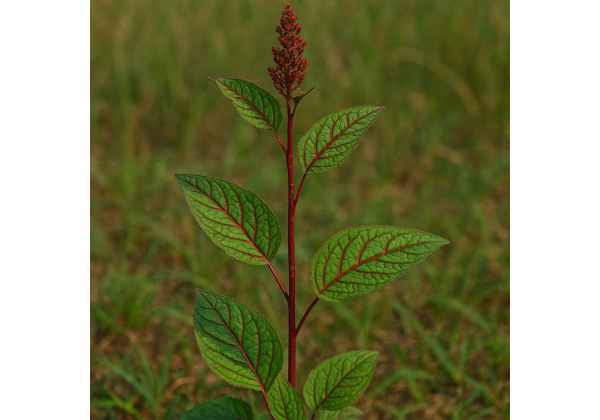
Red dock, botanically known as Rumex sanguineus, is an eye-catching leafy plant best known for its green leaves marked with striking red veins. It...
Red Dead-nettle Medicinal Properties and Health Benefits: Uses, Dosage, and Safety
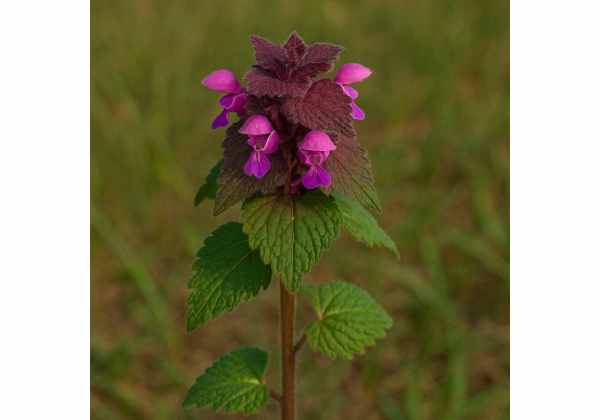
Red dead-nettle, more widely known in English as purple dead-nettle, is a small mint-family herb that appears early in spring and is often mistaken...
Red Currant (Ribes rubrum) Uses and Benefits: Nutrition, Medicinal Value, and Safe Intake
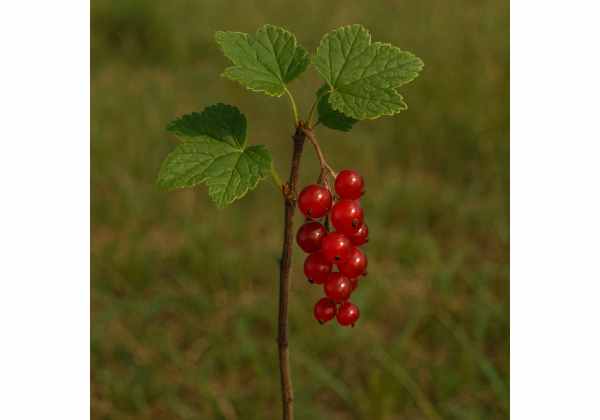
Red currant, Ribes rubrum, is a bright, translucent berry with a tart snap and a surprisingly sophisticated nutrition profile. It sits somewhere between fruit...
Red Clover (Trifolium pratense): Menopause Benefits, Active Compounds, Dosage, and Side Effects
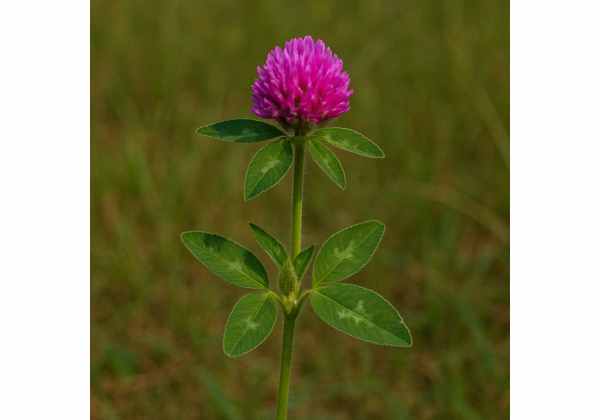
Red clover is a familiar meadow plant with pinkish-purple flower heads, but in herbal medicine it is known for much more than its appearance....
Red Cedar (Juniperus virginiana): Medicinal Properties, Traditional Uses, Dosage, and Side Effects
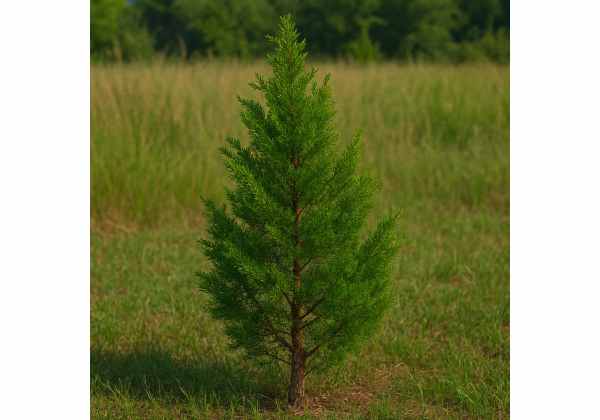
Red Cedar, more accurately known as Eastern Red Cedar, is an aromatic North American conifer that is botanically a juniper rather than a true...
Red Campion Uses and Medicinal Properties: Benefits, Serving Size, and Safety
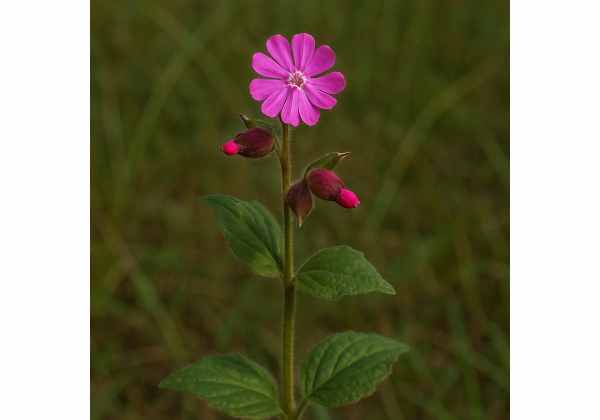
Red campion, or Silene dioica, is one of those plants that invites both admiration and misunderstanding. It is best known as a bright pink...
Red Bryony Uses and Benefits: Key Ingridients, Safety, Dosage, and Toxicity
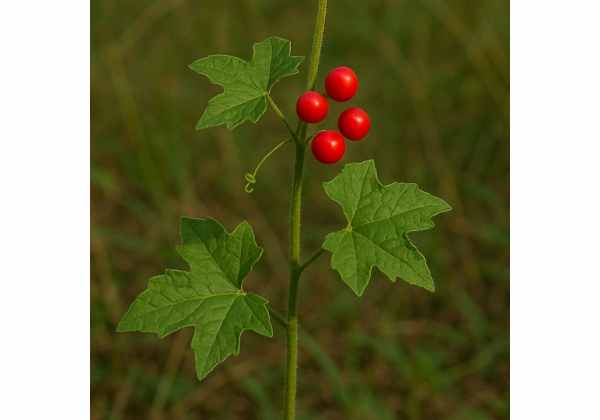
Red bryony, Bryonia dioica, is a climbing vine in the cucumber family with twisting tendrils, lobed leaves, and bright red berries that make it...
Red Basil (Ocimum basilicum ‘Purpurascens’): Key Ingredients, Potential Benefits, Uses, and Side Effects
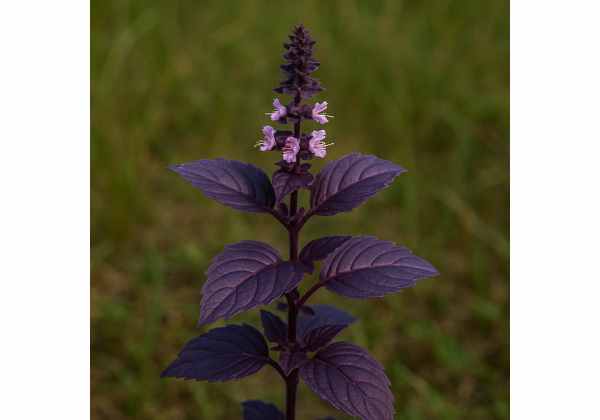
Red basil is the purple-leaved side of sweet basil: fragrant, vivid, and more than just ornamental. Usually grouped under purple or red cultivars of...
Red Baneberry – (Actaea rubra): Active Compounds, Folk Uses, Dosage Limits, and Safety
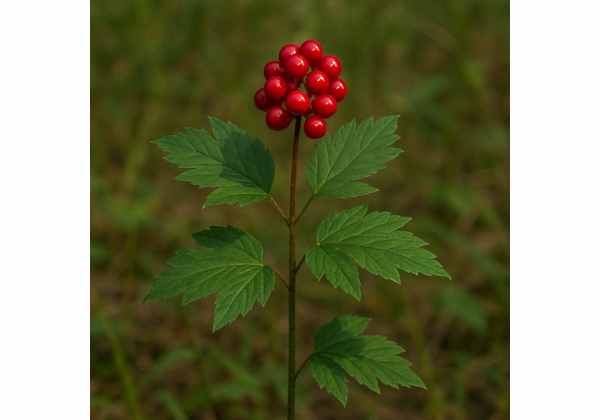
Red baneberry is a woodland wildflower with an arresting appearance and a complicated medicinal reputation. Its finely divided leaves, white flower clusters, and glossy...
Rau Ram Medicinal Properties and Health Benefits: How to Use It, Dosage, and Safety
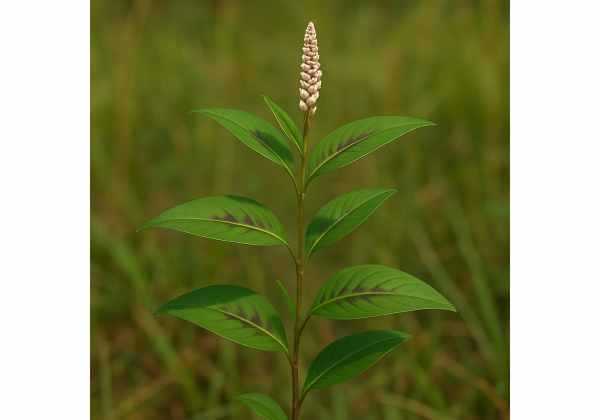
Rau ram, also known as Vietnamese coriander, is one of those herbs that can completely change a dish with just a few leaves. Botanically...
Rattlesnake Weed (Hieracium venosum) Benefits, Traditional Uses, Dosage, and Safety
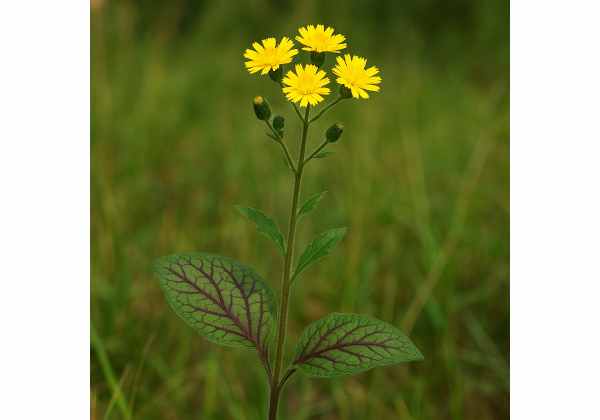
Rattlesnake weed, also called rattlesnake hawkweed, is a North American wildflower in the daisy family. It is easy to recognize once in bloom, but...