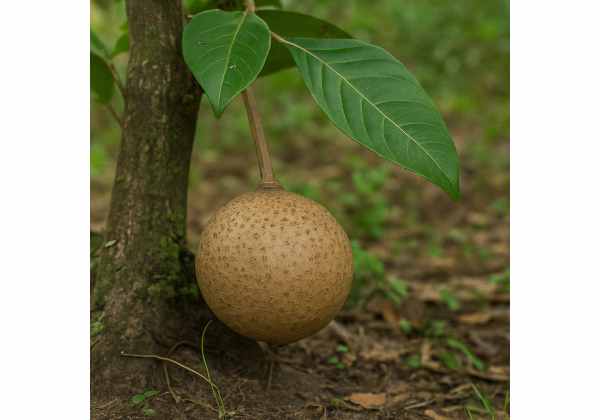
Ramon nut, also called maya nut, breadnut, or ramón seed, comes from Brosimum alicastrum, a tropical tree native to Mexico, Central America, and parts of the Caribbean. Although the common name says “nut,” it is technically a seed. Traditionally, it has been roasted, ground into flour, simmered into drinks, and used in everyday foods when grain supplies were limited. Today, interest in ramon nut is growing for a different reason: it is a nutrient-dense, gluten-free plant food with fiber, minerals, useful amino acids, and antioxidant compounds.
What makes it especially appealing is its flexibility. It can be used like flour, brewed like a coffee-style drink, or blended into baked goods, porridges, and smoothies. As a food, it may support digestive health, satiety, and overall nutrient intake. As a research topic, it also shows promising antioxidant and metabolic effects. Still, ramon nut is best understood as a functional food first and a medicinal ingredient second. The strongest evidence supports its role in nutrition and food applications, while medical claims still need more human research.
Quick Facts
- Ramon nut can help increase fiber and mineral intake, especially potassium, copper, and iron.
- Its polyphenols and other plant compounds may support antioxidant and metabolic health.
- A practical food-first intake is about 10 to 30 g of flour or roasted ground seed per day.
- People who are pregnant, breastfeeding, prone to kidney stones, or using concentrated extracts should avoid self-prescribing it.
Table of Contents
- What Ramon Nut Is and What It Contains
- How Ramon Nut May Support Health
- Key Medicinal Properties and Bioactive Compounds
- Traditional and Modern Uses
- How to Use Ramon Nut in Foods and Preparations
- Dosage, Timing, and Practical Intake
- Safety, Side Effects, and Who Should Avoid It
What Ramon Nut Is and What It Contains
Ramon nut is the edible seed of a large evergreen tree that has long been valued in tropical food systems. The seed can be eaten whole after roasting, milled into flour, or used in composite foods such as tortillas, muffins, beverages, and cookies. Its flavor is often described as mild, earthy, and slightly nutty, especially after roasting. That makes it easy to combine with cocoa, cinnamon, vanilla, oats, or coffee-style preparations.
From a nutrition standpoint, ramon nut is most interesting for its mix of complex carbohydrates, dietary fiber, plant protein, and minerals. Depending on how it is dried, roasted, and milled, the exact profile changes, but ramon flour can provide meaningful amounts of fiber, potassium, copper, iron, and small amounts of zinc and other micronutrients. It also contains a useful amino acid pattern for a plant food, which is one reason it has been studied as an ingredient for older adults and for food fortification.
Its non-nutrient compounds matter too. Ramon seed contains polyphenols, including chlorogenic acid and related phenolic acids linked to antioxidant activity. Roasting and processing can shift the balance of these compounds, sometimes lowering some sensitive compounds while improving flavor and making the seed easier to use. This is why ramon should not be seen as one fixed ingredient. A roasted beverage powder, a fine flour, and a coarse seed meal may all behave differently in the body and in the kitchen.
Another useful point is digestibility. Ramon nut is gluten-free in testing, which makes it attractive for gluten-free food development. At the same time, it also contains antinutritional factors such as phytates, tannins, saponins, and oxalates. These are common in many seeds and legumes, but they matter because they can affect protein digestibility and mineral absorption if the food is consumed in large amounts without thoughtful preparation. Roasting, soaking, fermentation, and mixing ramon flour with other foods can make it more practical and gentler to use.
Nutritionally, ramon nut belongs in the same general conversation as other nutrient-dense seed foods that bridge the gap between staple and superfood. It is not a miracle ingredient, but it is a serious one: versatile, culturally important, and more substantial than many trendy plant powders.
How Ramon Nut May Support Health
The most credible health benefits of ramon nut come from its role as a whole-food ingredient. In plain terms, it may help because it improves the nutritional quality of meals. That distinction matters. The best-supported claims are about better fiber intake, a stronger mineral profile, and more antioxidant exposure, not about treating disease on its own.
One likely benefit is digestive support. Ramon flour contains meaningful fiber, and fiber-rich foods can help with satiety, stool regularity, and steadier digestion when used consistently. People who replace a low-fiber refined flour with ramon flour often end up with a more filling meal that may support better appetite control. That does not mean ramon acts like a laxative. It means it can be part of a fiber-aware diet that supports bowel regularity over time.
A second likely benefit is metabolic support through food quality. Ramon-based foods have been studied in functional formulations for older adults and in experimental models of obesity-related liver stress. These studies suggest that ramon flour may help improve the nutritional density of food while also contributing antioxidant compounds and metabolic signals linked to healthier lipid handling. The human evidence is still limited, but the direction is promising enough to justify interest.
A third benefit is improved micronutrient intake. Ramon flour has drawn attention for its potassium, copper, iron, and overall mineral content. In food products, this can make a difference when compared with low-fiber, low-mineral refined flours. For people who rely heavily on baked goods, porridges, or blended drinks, swapping in ramon can make the meal more nutritionally useful without making it harder to prepare.
Its antioxidant profile is another reason researchers keep returning to it. Polyphenols do not work like vitamins in a simple one-to-one way, but diets rich in plant phenolics tend to support healthier oxidative balance. That is why ramon nut is sometimes positioned as a functional flour rather than just an emergency food.
Still, balance is essential. Ramon nut may support health, but it should not be marketed as a proven treatment for diabetes, fatty liver disease, cancer, or inflammation. Those stronger claims come mostly from animal, cell, or early-stage food studies. For everyday readers, the practical takeaway is simpler: ramon nut seems most useful when it replaces poorer-quality ingredients and becomes part of a broader pattern of whole-food eating, much like other gluten-free flour alternatives that bring more fiber and minerals to the plate.
Key Medicinal Properties and Bioactive Compounds
When people ask about the medicinal properties of ramon nut, they are usually asking two different questions. First, what compounds does it contain that may influence health? Second, is there real evidence that those compounds do anything meaningful in humans? The answer to the first question is encouraging. The answer to the second is more cautious.
The seed is rich in several classes of potentially useful compounds:
- Dietary fiber, which may support gut function, fullness, and cholesterol-friendly eating patterns
- Plant proteins and amino acids, which help explain its use in nutrition-focused foods
- Phenolic acids, especially chlorogenic acid and caffeoylquinic derivatives
- Smaller amounts of flavonoids and related phytochemicals
- Minerals such as potassium, copper, and iron
Among these, chlorogenic acid gets the most attention. It is a well-known polyphenol also associated with coffee-based phytochemicals, where it has been studied for antioxidant and metabolic effects. In ramon, it likely contributes to antioxidant capacity and may help explain why researchers see interest in lipid metabolism and oxidative stress pathways. That said, ramon is not coffee, and the overall food matrix is different, so the effects should not be assumed to match.
Researchers have also identified minor stilbene-type compounds and other phenolics in ramon seed flour. These compounds may contribute to its functional-food profile, but the amounts are modest and the real-world effect of eating them through ramon foods is still being mapped out.
The tree’s bark is a separate story. Traditional medicine has used bark preparations for chronic illness, and laboratory studies have isolated coumarins and related compounds from bark extracts. Some of these have shown antiproliferative, antioxidant, or antihyperglycemic effects in cell and animal studies. This is scientifically interesting, but it should not be merged too casually with the edible seed. The bark and the seed are not interchangeable. Seed flour used in foods has a different safety context and a different evidence base than concentrated bark extracts.
So what medicinal properties can be stated responsibly? Ramon appears to have antioxidant potential, functional-food value, and preliminary metabolic relevance. It also has bioactive compounds worthy of further study. What cannot be claimed confidently yet is that ramon nut works as a clinically established herbal medicine in the same way as a standardized extract with well-defined dosing. For now, its strongest medicinal identity is as a food with biologically active compounds, not as a fully validated therapeutic agent.
Traditional and Modern Uses
Ramon nut has a long history of practical use. In traditional settings, the seed was valued because it was reliable, storable, and adaptable. It could be roasted and eaten, ground into flour, blended into staple foods, or prepared as a warm drink. In some regions, the fruit pulp, leaves, and other parts of the tree were also used, but the seed remains the most relevant part for modern nutritional use.
Its traditional role was shaped by necessity as much as taste. Ramon helped extend food supplies during difficult seasons and provided a hardy local ingredient that could stand in for grain. That history still matters today, because much of the modern interest in ramon revolves around food resilience, underused crops, and sustainable nutrition.
Modern uses are broader and more specialized. Today, ramon flour appears in:
- Gluten-free baking blends
- Tortillas and flatbreads
- Muffins and breakfast porridges
- Smoothies and meal blends
- Roasted seed beverages used as coffee alternatives
- Experimental functional foods for older adults
This flexibility is one of its biggest strengths. A person does not need to buy a capsule to use ramon. In fact, the food route is usually the most sensible route. A roasted, ground seed can be stirred into oatmeal. A spoonful of flour can be added to pancakes, waffles, or energy bites. A beverage powder can provide a warm, roasted flavor without caffeine unless it is mixed with coffee or cacao.
There is also a growing interest in ramon for public health and food-system reasons. Because it is a native tree food in parts of the Americas, it has appeal in discussions about biodiversity, reforestation, climate resilience, and locally rooted nutrition. That does not make it automatically superior to other plant foods, but it does make it more meaningful than a passing trend ingredient.
From a wellness perspective, its best modern use is as an upgrade ingredient. It can enrich everyday foods without radically changing how people cook. It may also pair well with other fiber-rich foods when the goal is steadier energy and better satiety. For people already interested in building meals around whole plants, ramon nut is easier to use consistently than many niche herbs because it behaves like food, not medicine.
The key is to match the form to the purpose. Flour is best for baking and blending. Roasted seed powder is best for beverages. Whole or cracked seed is better for simple dishes or snacks. Concentrated extracts belong in a more cautious category and are not the same thing as traditional culinary use.
How to Use Ramon Nut in Foods and Preparations
Using ramon nut well is mostly a matter of starting simply. Because the ingredient is mildly earthy and only slightly sweet, it works best when introduced into foods that already welcome roasted or grain-like flavors. Think oatmeal, pancakes, banana bread, muffins, tortillas, smoothies, and warm drinks.
A practical beginner approach looks like this:
- Start with a small amount, such as 1 tablespoon of flour or roasted powder.
- Mix it into a familiar food rather than building a recipe around it at first.
- Increase gradually over several days if digestion and taste are both comfortable.
- Use enough liquid, especially if you are adding it to dry mixes or high-fiber meals.
For baking, ramon flour is usually easiest to use as a partial replacement rather than a total substitute. In many home recipes, replacing 10% to 25% of another flour is a reasonable place to begin. This helps preserve texture while still adding fiber and minerals. In some food studies, much higher substitution levels have worked in specific products, but for everyday cooking, gradual replacement is usually the better path.
For drinks, roasted ramon powder can be simmered or steeped in hot water or milk alternatives. Many people like it with cinnamon, vanilla, or cocoa. It can also be added to smoothies for a toasted flavor. Because it is not naturally sweet, pairing it with fruit, dates, or a little honey often improves the result.
Ramon also works well in food combinations designed around balance. Pairing it with fruit can soften its earthy edge. Pairing it with yogurt or protein-rich ingredients can make a breakfast more sustaining. Pairing it with gentle soluble fiber sources may help digestive regularity, much like a broader strategy built around fiber-supportive foods rather than one ingredient alone.
Storage matters too. Keep ramon flour or powder in an airtight container away from heat and moisture. If the product is minimally processed or contains natural oils, cool storage is sensible. Roasted powders tend to keep flavor better when sealed well.
The main mistake people make is using too much too fast. Because ramon is fiber-containing and fairly dense, large amounts can make a recipe dry, gritty, or heavy. A slow increase usually gives the best results for both digestion and texture.
Dosage, Timing, and Practical Intake
There is no universally established medical dose for ramon nut, and that is one of the most important things to understand before using it for health goals. Most research has studied ramon as a food ingredient, not as a standardized supplement with fixed active-compound targets. Because of that, the best dosing advice is practical and food-based.
For most adults, a reasonable culinary range is:
- 10 to 30 g per day of ramon flour or roasted ground seed
- roughly 1 to 3 tablespoons daily, depending on grind and density
- introduced gradually, especially if your usual fiber intake is low
This is not a prescription. It is a food-first range that fits how ramon is actually used in real life. Starting at the low end is smart for anyone with a sensitive stomach. Once tolerance is clear, the amount can be increased by 5 to 10 g at a time.
Timing depends on the goal. For satiety and steadier energy, breakfast or lunch often works best. For a coffee-style roasted drink, morning use is most common, though ramon itself is not a stimulant unless mixed with caffeine-containing ingredients. For baking or blended foods, timing matters less than consistency.
A few simple guidelines help:
- Use ramon with enough fluid
- Pair it with protein or fruit if you want a fuller meal
- Keep portions moderate if you are monitoring oxalates or digestive symptoms
- Do not treat bark extracts and seed flour as the same thing
People looking at ramon for nutrient support should think in meal patterns, not single servings. For example, 1 tablespoon in oatmeal, 1 tablespoon in a smoothie, or 2 tablespoons in a muffin batter may be more sustainable than trying to take a large serving all at once. If your main goal is improving mineral intake, it also helps to use ramon as part of a varied diet rather than relying on it as the sole answer. For readers who are specifically focused on building smarter intake around minerals, broader planning around iron-rich foods and dosing awareness is still important.
As for supplements and extracts, caution is warranted. There is no well-established human dose for concentrated ramon bark or seed extracts aimed at blood sugar, liver support, or cancer-related purposes. That kind of use should not be improvised. When in doubt, treat ramon as a functional food, not a self-prescribed botanical drug.
Safety, Side Effects, and Who Should Avoid It
For most healthy adults, ramon nut used as a food is likely to be well tolerated when introduced gradually. Its safest form is the culinary form: roasted seed, flour, or food products made with the seed. In that context, the main risks are usually practical rather than dramatic.
The most common side effects are the same ones seen with many higher-fiber plant foods:
- bloating
- gas
- fullness
- mild stomach discomfort
- constipation if fluid intake is too low
These problems are more likely when someone jumps from a low-fiber diet to a large daily serving. Starting small and drinking enough water usually reduces the risk.
A second safety point involves antinutritional factors. Ramon seeds contain phytates, tannins, saponins, and oxalates. In normal mixed diets, this is not necessarily alarming, but it does mean very large or highly repetitive intakes may reduce mineral bioavailability or be a poor fit for people with specific dietary restrictions. Those with a history of calcium oxalate kidney stones should be particularly cautious about heavy, frequent use, especially of minimally processed forms.
A third issue is form-specific safety. The edible seed and flour are not the same as concentrated extracts from bark or other plant parts. Bark extracts have shown interesting activity in lab and animal studies, including glucose-related effects, but that does not automatically make them safe for unsupervised use. Anyone taking blood sugar medication, managing chronic liver or kidney disease, or considering concentrated ramon extracts should talk with a qualified clinician first.
Pregnancy and breastfeeding deserve extra caution. There is not enough high-quality human safety data to recommend concentrated ramon preparations during these periods. Food-level use in normal culinary amounts is one thing; medicinal-style use is another. The same logic applies to children, frail older adults with medical complexity, and people on multiple medications.
Allergy is possible, even if uncommon. Anyone with a history of strong reactions to unfamiliar seeds or plant foods should try only a very small amount first. For people with celiac disease or severe gluten sensitivity, ramon itself appears suitable, but the finished product should still be checked for cross-contact during processing.
In short, ramon nut is safest when treated as a moderate, food-based ingredient. It becomes riskier when people assume that traditional use or early lab findings automatically justify concentrated medicinal use. Respect the difference, and ramon is much easier to use well.
References
- Nutritional Value, Antinutritional Factors, and Protein Quality of Brosimum alicastrum Seeds: A Sustainable Protein Source 2025
- Identification of Amino Acids and Polyphenolic Metabolites in Human Plasma by UHPLC-ESI-QTOF-MS/MS, after the Chronic Intake of a Functional Meal in an Elderly Population 2024
- Determination of Nutritional and Antioxidant Properties of Maya Nut Flour (Brosimum alicastrum) for Development of Functional Foods 2023
- Ramon Flour (Brosimum alicastrum Swartz) Ameliorates Hepatic Lipid Accumulation, Induction of AMPK Phosphorylation, and Expression of the Hepatic Antioxidant System in a High-Fat-Diet-Induced Obesity Mouse Model 2023
- Functionality of Bread and Beverage Added with Brosimum alicastrum Sw. Seed Flour on the Nutritional and Health Status of the Elderly 2021
Disclaimer
This article is for educational purposes only and does not replace medical advice, diagnosis, or treatment. Ramon nut is best approached as a food ingredient with emerging functional potential, not as a proven therapy for any disease. Human research is still limited, especially for concentrated extracts and medicinal-style use. People who are pregnant, breastfeeding, managing chronic illness, taking prescription medicines, or considering bark or seed extracts should seek guidance from a qualified healthcare professional before use.
If you found this article useful, please share it on Facebook, X, or your preferred platform.