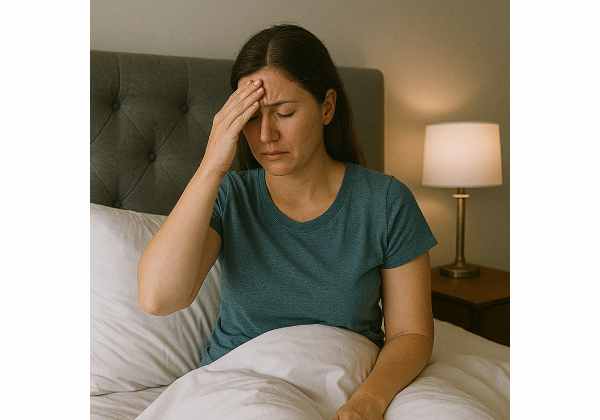
A fat loss stall after a stretch of bad sleep is not just about willpower. Sleep debt can make you hungrier, push cravings toward calorie-dense foods, reduce training quality, lower your daily movement, and make the scale look worse through stress and fluid shifts. Cortisol is part of that picture, but it is not the whole story.
The most useful response is usually not to cut calories harder. It is to repair recovery while protecting your deficit, your muscle, and your ability to stick to the plan. This article explains how sleep debt affects fat loss, what cortisol does and does not explain, how to tell whether poor recovery is driving your plateau, and how to reset your routine without overreacting.
Table of Contents
- How sleep debt stalls fat loss
- What cortisol really means here
- Signs recovery is the bottleneck
- Nutrition tweaks when you are run down
- Training and activity during a sleep-related stall
- A two-week recovery repair plan
How sleep debt stalls fat loss
Sleep debt can stall fat loss in two ways at once. First, it changes behavior in ways that make a calorie deficit harder to maintain. Second, it can make the scale look worse even when body fat has not changed as much as you think.
The behavioral side is often the bigger issue. After several short nights, most people feel hungrier, less patient, and more interested in quick, rewarding food. You may not suddenly start binge eating, but you are more likely to nibble while cooking, choose takeout instead of a planned meal, pour a larger portion, or keep reaching for snacks because your energy feels flat. A small extra intake repeated over days can wipe out a modest deficit faster than most people realize.
At the same time, poor sleep tends to lower movement. You still might do your workout, but you walk less, sit more, and unconsciously conserve energy. That drop in non-exercise movement matters. Someone who is dragging through the day usually does not need to “try harder.” They need to recognize that sleep debt is shrinking their calorie gap from both sides.
The scale can get noisier too. Bad sleep is often followed by:
- More fluid retention
- Harder workouts feeling more stressful
- More soreness that lingers
- Higher sodium convenience foods
- Constipation or delayed digestion
- More late eating
That combination can make a plateau look more dramatic than it really is. If your scale jumped after several poor nights, that does not automatically mean fat gain. Sometimes you are looking at the same kind of short-term fluctuation explained in water, glycogen, and sodium changes, with sleep loss adding another layer of noise.
This is why people often describe a sleep-related stall as feeling unfair. They may still be trying. But the inputs got harder to control at the same time the outputs became less favorable. Hunger rises, food choices drift, training quality slips, and recovery gets worse.
A few common patterns show up:
- Night snacking becomes harder to stop
- Weekend overeating gets more likely after a rough week
- Morning weigh-ins trend up even without obvious diet changes
- Cravings feel stronger than “normal hunger”
- Motivation falls because everything feels effortful
It helps to frame this accurately. Sleep debt does not “turn off” fat loss. It makes the behaviors and conditions that support fat loss much harder to maintain. That distinction matters because it changes the solution. If poor recovery is the main driver, cutting food harder usually creates more strain. Repairing sleep and recovery often restores progress more effectively than another aggressive calorie reduction.
What cortisol really means here
Cortisol gets blamed for almost everything in weight loss conversations, but the truth is more nuanced. Cortisol is a normal hormone with a useful job. It helps regulate alertness, energy availability, and the body’s response to stress. The problem is not that cortisol exists. The problem is that repeated stress, poor sleep, and circadian disruption can throw recovery off and make the whole fat-loss process messier.
This matters because many people hear “high cortisol” and assume that is the direct reason they cannot lose fat. In real life, cortisol is usually part of a broader picture rather than the single cause. Poor sleep may alter appetite, food reward, fluid balance, mood, and training recovery even when cortisol changes are not dramatic or perfectly consistent.
A more accurate way to think about it is this:
- Sleep debt can increase stress load
- Stress load can affect cortisol rhythms
- Those shifts can influence recovery and water balance
- But the biggest fat-loss effects often happen through behavior
That last point is important. A rough night does not magically stop energy balance from mattering. What it often does is make you more likely to eat more, move less, and feel worse about doing both. That is why a sleep-related plateau is often partly physiological and partly behavioral.
This quick comparison helps keep the story grounded:
| What may happen | Does cortisol likely play a role? | What else matters |
|---|---|---|
| Morning scale bump after several poor nights | Sometimes | Fluid retention, sodium, inflammation, late meals |
| Stronger cravings and food reward | Possibly | Sleep loss, appetite signaling, habit, fatigue |
| Less fat loss over time | Indirectly | Higher intake, lower movement, poorer adherence |
| Training feels worse and recovery drags | Partly | Sleep quantity, sleep quality, overall stress, fueling |
| Stubborn belly fat despite a good plan | Sometimes overemphasized | Total deficit, time, adherence, age, hormones, activity |
The practical takeaway is not to ignore cortisol. It is to stop treating it like a magic villain. A better question is: what signs tell me my recovery system is overloaded? If the answer is “I am sleeping badly, grazing more, under-recovering from training, and waking up puffy,” then the fix is not a cortisol supplement or a detox. The fix is to repair the routine that is pushing your body and behavior off course.
That is also why the best recovery work usually looks boring: a better sleep window, less evening stimulation, steadier meal timing, more realistic training, and fewer crash-diet reactions. If sleep debt is part of your stall, those basics usually matter more than trying to micromanage hormones from the outside.
Signs recovery is the bottleneck
Not every stall is caused by sleep, but some patterns strongly suggest recovery is the real bottleneck. The tricky part is that poor recovery rarely shows up as one obvious symptom. It usually shows up as a cluster of smaller problems that make fat loss feel much harder than it did a few weeks ago.
A recovery-driven stall often looks like this:
- The scale is flat or up, but your routine has felt chaotic
- Hunger is stronger at night than during the day
- Training sessions feel harder at the same weights or paces
- You are dragging through normal tasks and moving less overall
- Cravings for sweets, takeout, or crunchy snacks feel unusually intense
- You are sleeping fewer hours, waking often, or going to bed later than planned
- Your mood is shorter, and diet decisions feel more emotional
One clue is timing. If your plateau started around the same time your sleep got worse, your job got more stressful, your baby started waking more, your schedule changed, or your bedtime drifted later, recovery deserves a serious look before you cut calories again.
Another clue is the type of hunger you are experiencing. True hunger tends to build gradually and responds to a normal meal. Sleep-debt hunger is often more urgent, more snack-driven, and more focused on rewarding foods. That does not mean it is fake. It means it is being shaped by fatigue and stress rather than only by energy need. If that sounds familiar, resources on hunger hormones and sleep and night-time sugar cravings often match the pattern well.
It also helps to separate a recovery stall from a true intake problem. Ask yourself:
- Has my weekly average weight been flat for at least 2 weeks?
- Have I been sleeping poorly most nights during that same period?
- Has my step count dropped without me meaning to?
- Am I having more late eating or convenience-food moments?
- Is my training performance slipping or my soreness lingering longer?
If several of those are true, recovery may be limiting progress more than your calorie target is.
Poor recovery also tends to distort how you interpret the scale. People assume they are failing, then respond with harsher restriction, extra cardio, or more caffeine. That can make the next few days even worse. You sleep less, stress more, retain more water, and feel even more convinced the plan is not working.
A more grounded approach is to watch the trend under consistent conditions. Use a trend-based weigh-in approach instead of reacting to a single bloated morning. If the scale is noisy but your waist is stable and the poor sleep period is obvious, the right move may be to stabilize recovery before deciding you need a deeper deficit.
The goal is not to excuse every stall with “stress.” The goal is to notice when the body and the routine are both telling you the plan has become harder to recover from than to stick to.
Nutrition tweaks when you are run down
When sleep debt is driving a stall, the best nutrition changes usually make the plan easier to follow, not more punishing. A tired body does not respond well to a rigid, underfed setup. If you try to out-discipline sleep deprivation with a harsh deficit, you often end up hungrier, more impulsive, and more likely to overeat later.
Start with meal structure. Decision fatigue is higher when you are underslept, so simpler meals usually work better than flexible grazing. A strong default is three or four meals built around:
- A clear protein source
- Produce or another high-fiber food
- A controlled starch or fruit portion if it fits the meal
- Enough fat for taste, but not accidental double portions
Protein matters even more when recovery is shaky because it helps with satiety and supports muscle retention during a deficit. If your intake is inconsistent, it helps to anchor each meal to a more deliberate protein target rather than hoping it works out by the end of the day.
The second lever is late-day appetite control. Many sleep-debt stalls show up as nighttime snacking, not because you are weak, but because exhaustion lowers resistance and raises food reward. Instead of pretending that urge will disappear, set up the day so it is less likely:
- Eat enough earlier instead of “saving calories” all day
- Build a satisfying dinner with protein and fiber
- Decide in advance whether you will have a planned evening snack
- Keep hyper-palatable snack foods less visible during rough weeks
This is also a good time to reduce the calorie leaks that thrive when you are tired:
- Liquid calories
- Alcohol on weekdays
- Desk snacks
- Random bites while cooking
- Ordering takeout because planning feels overwhelming
That does not mean your diet needs to become joyless. It means it needs fewer moments where fatigue makes the choice for you. If your environment is working against you, a basic food environment reset can help remove friction without requiring more willpower.
A few nutrition strategies that often work well during a recovery-focused phase:
- Use repeatable breakfasts.
A high-protein breakfast often steadies appetite better than coffee plus a pastry or skipping food entirely. - Favor higher-volume meals.
Soup, yogurt bowls, potatoes, fruit, beans, vegetables, and lean proteins often feel more manageable than calorie-dense snack foods. - Keep caffeine useful, not excessive.
More caffeine may help you survive a bad morning, but late-day caffeine often worsens the next night. - Do not slash carbs reflexively.
Very low carbs can make training and recovery feel worse for some people when sleep is already poor. - Aim for consistency, not perfection.
A tired week is not the week for complicated macro gymnastics.
This is one of those phases where “good enough, repeated” beats “ideal, then abandoned.” Your nutrition should help repair the stall by lowering cravings, protecting the deficit, and making the next decision easier.
Training and activity during a sleep-related stall
When recovery is poor, training needs a smarter adjustment, not automatic escalation. A lot of people respond to a sleep-related plateau by adding more cardio, taking fewer rest days, or trying to “sweat it out.” That can work briefly, but it often deepens the problem. Fatigue rises, soreness lasts longer, appetite gets worse, and performance declines.
The goal during a recovery stall is to keep enough training to protect muscle and routine while trimming the stress that is no longer paying off.
Strength training should usually stay in the plan, but intensity and volume may need to be managed more carefully. If your lifts are stalling, your reps feel unusually heavy, or your motivation is flat, it may help to reduce total volume for a week rather than forcing every session. This is where what declining gym performance says about your diet becomes useful context. A drop in performance does not always mean you need more effort. Sometimes it means you need better recovery.
Walking is often the best activity lever in this phase. It supports calorie expenditure without adding much stress, and it can improve mood and appetite control. If you are underslept, this kind of movement is usually more helpful than a punishing session you dread.
Good options include:
- A morning walk for light and wakefulness
- A 10-minute walk after meals
- A slightly higher daily step target
- Gentle cardio that leaves you feeling better, not wrecked
That is why simple walks after meals often outperform dramatic “fat-burning” fixes when sleep is part of the problem.
A practical way to adjust training during a rough sleep stretch is:
- Keep lifting 2 to 4 times per week if recovery allows
- Reduce junk volume that is there mostly to burn calories
- Favor technique, consistency, and moderate effort
- Use walking to keep expenditure up
- Protect rest days instead of feeling guilty about them
This last part matters. Rest is not laziness. If you are sleeping poorly and training hard, adding another difficult workout can make you feel productive while actually making recovery worse. Strategic rest often helps fat loss more than another exhausted session. If needed, revisit how many rest days per week actually support your plan rather than assuming fewer is better.
Activity should help you stay in the game. It should not become punishment for being tired. If a workout leaves you more drained, hungrier, and less active the rest of the day, it may not be helping your fat-loss stall as much as you think.
During a recovery phase, the winning mix is often simple: enough lifting to preserve muscle, enough walking to keep energy expenditure from collapsing, and enough restraint to stop confusing exhaustion with dedication.
A two-week recovery repair plan
If sleep debt has been driving your stall, give yourself a short, structured repair phase instead of making random day-to-day changes. Two weeks is long enough to improve consistency, settle some fluid noise, and see whether recovery was the missing piece.
Here is a practical 14-day plan:
- Set a realistic sleep target.
Do not aim for a magical perfect night. Aim for a steadier window and a meaningful increase in time in bed. For many adults, moving closer to the usual recommended range covered in how many hours of sleep you need is a strong start. - Create an evening cutoff routine.
Pick a time to stop caffeine, reduce bright screens, and end aimless kitchen grazing. Keep this simple enough to repeat. - Hold calories steady before deciding on a cut.
If you are already dieting, do not slash food during week one. Let the recovery changes work first. - Anchor protein and meal timing.
Use repeatable meals and reduce impulsive snacking. The goal is fewer fatigue-driven decisions. - Walk daily.
Even 10 to 20 extra minutes per day can help restore structure and energy without overloading recovery. - Keep training, but trim excess.
Maintain your core lifting sessions. Remove “extra” work that exists mostly to punish yourself. - Track the right signals.
Watch:
- Morning body weight
- Weekly average weight
- Waist measurement
- Sleep hours and wake-ups
- Step count
- Hunger and cravings
- Training performance
- Review after 14 days.
If sleep improved, hunger settled, and the scale or waist started moving again, recovery was likely a major bottleneck. If nothing changed, then it may be time to look harder at calories, adherence, or medical issues.
This kind of reset also helps you spot when the problem is bigger than “poor sleep hygiene.” If you are snoring heavily, gasping at night, waking unrefreshed despite enough time in bed, or fighting daytime sleepiness constantly, sleep apnea deserves attention. That matters because untreated apnea can sabotage recovery and appetite for months. If that pattern sounds familiar, sleep apnea and weight loss is highly relevant.
You should also get help sooner rather than later if you have severe insomnia, major mood changes, rapid weight gain, or a stall that persists despite solid nutrition, movement, and better sleep. Recovery is a powerful lever, but it is not the only one.
A recovery repair plan works best when it is treated as real fat-loss work, not as a side project. The point is not just to sleep more. It is to rebuild the conditions that let your plan work again: steadier appetite, better decisions, better training, better movement, and a less misleading scale.
References
- Sleep Deprivation: Effects on Weight Loss and Weight Loss Maintenance 2022 (Review)
- Effect of Sleep Extension on Objectively Assessed Energy Intake Among Adults With Overweight in Real-life Settings: A Randomized Clinical Trial 2022 (RCT)
- Sleep and Circadian Regulation of Cortisol: A Short Review 2021 (Review)
- Weight reduction and the impact on apnea-hypopnea index: A systematic meta-analysis 2024 (Systematic Meta-Analysis)
- Obesity Management in Adults: A Review 2023 (Review)
Disclaimer
This article is for general educational purposes only and is not a substitute for medical advice, diagnosis, or treatment. If poor sleep is persistent, you suspect sleep apnea, you are dealing with severe insomnia, or your weight changes are accompanied by significant fatigue, mood symptoms, or other health concerns, speak with a qualified clinician rather than trying to solve the problem only by cutting calories harder.
If this article helped, please share it on Facebook, X, or your preferred platform so someone else can repair recovery before turning a sleep-related stall into a harsher and less sustainable diet.