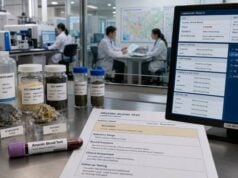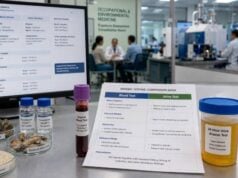
A toxicology blood test panel checks the bloodstream for substances that may be causing poisoning, overdose, intoxication, organ injury, or unsafe medication levels. It may include alcohols, prescription medications, over-the-counter drugs, illicit drugs, heavy metals, carbon monoxide markers, or specific poisons, depending on the situation. Unlike a routine wellness blood test, a toxicology panel is usually ordered when timing matters: confusion, coma, seizures, abnormal breathing, suspected overdose, workplace or legal testing, unexplained metabolic acidosis, or medication monitoring. Results can help identify what is present, estimate whether the level is dangerous, guide antidote decisions, and track whether a substance is clearing from the body. The exact panel matters because no single blood test detects every toxin. A good interpretation combines the measured level, timing of exposure, symptoms, vital signs, kidney and liver function, acid-base results, and the known limits of the test.
- A toxicology blood test measures selected drugs, alcohols, poisons, or medication levels in blood, serum, or plasma.
- Blood testing is most useful for current intoxication, overdose risk, toxic alcohols, acetaminophen, salicylates, and therapeutic drug monitoring.
- Urine drug testing usually detects exposure for longer, but blood levels often better reflect recent concentration and medical risk.
- Urgent toxicology results may include acetaminophen, salicylate, ethanol, methanol, ethylene glycol, lithium, digoxin, carbon monoxide markers, and selected seizure medications.
- A negative result does not rule out poisoning if the wrong substance was tested, the sample was collected too early or too late, or the toxin is not included in the panel.
- Severe symptoms such as trouble breathing, seizures, coma, chest pain, severe confusion, vision changes, or suspected self-harm need emergency care, not home interpretation.
Table of Contents
- What a Toxicology Blood Test Panel Checks
- When This Panel Is Ordered
- Blood vs Urine Toxicology Testing
- Common Tests in a Toxicology Blood Panel
- How Results Are Interpreted
- Timing, Detection Windows, and Sample Quality
- Urgent Results and Follow-Up
What a Toxicology Blood Test Panel Checks
A toxicology blood test panel checks for harmful or potentially harmful substances circulating in the blood. The word “panel” can be misleading because toxicology panels are not all the same. One hospital may use the term for an emergency overdose panel that includes acetaminophen, salicylate, ethanol, and selected drugs. Another lab may use it for a broad drug screen, a therapeutic medication panel, a heavy metal panel, or a forensic toxicology panel.
Blood toxicology testing can answer several different questions. It can show whether a substance is present, whether the level is high enough to cause toxicity, whether an antidote or dialysis may be needed, or whether a medication is within its expected treatment range. In some cases, it also helps distinguish poisoning from other medical problems, such as stroke, sepsis, diabetic ketoacidosis, liver failure, kidney failure, or psychiatric illness.
The sample may be whole blood, serum, or plasma. Whole blood is often used for blood alcohol concentration and some forensic tests. Serum or plasma is commonly used for medication levels, acetaminophen, salicylate, toxic alcohols, and many chemistry-related toxicology tests. The specimen type matters because values are not always interchangeable.
A toxicology blood panel may look for:
- Alcohols, such as ethanol, methanol, ethylene glycol, and isopropanol
- Common overdose drugs, such as acetaminophen and salicylates
- Sedatives, opioids, stimulants, antidepressants, or seizure medications
- Monitored medications, such as lithium, digoxin, phenytoin, valproic acid, carbamazepine, tacrolimus, cyclosporine, vancomycin, or gentamicin
- Heavy metals, such as lead, mercury, arsenic, cadmium, or cobalt
- Abnormal hemoglobin forms, such as carboxyhemoglobin or methemoglobin
- Supporting markers, such as electrolytes, anion gap, osmolality, kidney function, liver enzymes, INR, lactate, glucose, and blood gas results
A useful toxicology result depends on choosing the right test. For example, a routine drug screen may not detect methanol, ethylene glycol, carbon monoxide, cyanide, many synthetic opioids, or many newer recreational drugs. A targeted test may be needed when the exposure history or lab pattern points toward a specific poison.
When This Panel Is Ordered
A toxicology blood test panel is ordered when a clinician needs objective information about a possible drug, poison, alcohol, or medication-related problem. It is common in emergency departments, intensive care units, poison center consultations, occupational testing, forensic investigations, and medication monitoring.
In emergency care, the test is often ordered for sudden mental status changes. A person may be unusually sleepy, agitated, confused, delirious, unconscious, or unable to explain what happened. Blood testing can help identify substances that depress breathing, trigger seizures, alter heart rhythm, lower blood sugar, injure the liver, or cause severe acid-base problems.
A panel may also be ordered after a known or suspected overdose. This includes prescription medications, over-the-counter drugs, recreational substances, unknown pills, household chemicals, industrial products, contaminated alcohol, or intentional self-poisoning. Clinicians often test even when the history seems clear because co-ingestions are common. Someone who reports taking one medication may also have alcohol, acetaminophen, salicylates, sedatives, or other drugs in the body.
Toxicology blood testing is especially important when the treatment decision depends on a number. Acetaminophen is a good example. A timed blood level helps determine whether N-acetylcysteine treatment is needed after many acute ingestions. Salicylate levels help guide alkalinization, monitoring, and dialysis decisions. Methanol and ethylene glycol levels can help confirm toxic alcohol poisoning, although treatment may begin before confirmatory results return if the clinical pattern is dangerous.
Testing is also used for therapeutic drug monitoring. Some medications work within a narrow concentration range, where too little may fail and too much may harm the patient. A therapeutic drug monitoring panel may be used for lithium, digoxin, phenytoin, valproic acid, carbamazepine, certain antibiotics, and transplant medicines. The goal is not to “catch” drug use, but to keep treatment safe and effective.
Other common reasons include workplace or legal testing, suspected impaired driving, unexplained abnormal lab patterns, suspected heavy metal exposure, carbon monoxide exposure, medication side effects, or follow-up after a toxic result to confirm that the level is falling.
Blood vs Urine Toxicology Testing
Blood and urine toxicology tests answer different questions. Blood testing is usually better for current medical risk because it measures what is circulating near the time of collection. Urine testing is often better for detecting whether a person used or was exposed to a substance over a longer window, because many drugs and metabolites remain in urine after blood levels have fallen.
A blood drug screen can be useful when the concern is recent intoxication, impaired driving, overdose, medication toxicity, or a time-sensitive emergency. Blood levels can sometimes be compared with therapeutic, toxic, or fatal ranges, although symptoms still matter. A high-risk patient with severe symptoms may need treatment even before the final level is available.
Urine drug screens are common because urine is easy to collect and often contains higher concentrations of drug metabolites. However, a urine result usually does not prove the dose taken, the exact time of use, or whether the person is currently impaired. A positive urine cannabinoid test, for example, may reflect earlier exposure rather than current intoxication. A negative urine screen can also miss drugs that are not included in the assay.
| Feature | Blood testing | Urine testing |
|---|---|---|
| Main use | Current level, overdose risk, intoxication, treatment decisions | Exposure screening over a longer window |
| Best for | Alcohol, acetaminophen, salicylates, toxic alcohols, medication levels, forensic concentration | Common drug classes and metabolites |
| Time window | Often shorter and closer to recent use | Often longer, depending on the substance and metabolism |
| Quantitative value | Often more useful for concentration-based interpretation | Often qualitative or semi-quantitative in screening tests |
| Limitations | May miss earlier exposure after the drug clears from blood | May not reflect impairment or toxic dose |
Many emergency evaluations use both. Blood tests can guide urgent care, while urine screens may broaden detection for drug classes that are not easily recognized from symptoms alone. Confirmatory testing may use mass spectrometry when the result has legal, employment, child protection, transplant, pain management, or major clinical consequences.
Common Tests in a Toxicology Blood Panel
The exact tests depend on the suspected exposure. In practice, clinicians often combine targeted toxicology tests with routine chemistry and organ function tests because poisoning affects the whole body, not just the measured toxin.
Alcohols and toxic alcohols
Ethanol testing measures blood alcohol concentration and helps assess intoxication, impaired driving, altered mental status, and co-ingestion risk. Ethanol can also affect the interpretation of toxic alcohol poisoning because it competes for alcohol dehydrogenase, the enzyme that metabolizes methanol and ethylene glycol.
Methanol and ethylene glycol are urgent toxicology concerns. Methanol can cause severe metabolic acidosis and vision injury. Ethylene glycol can cause metabolic acidosis, calcium oxalate crystal formation, and kidney injury. Isopropanol can cause central nervous system depression and ketosis without the same high anion gap acidosis pattern. A targeted toxic alcohol panel may include ethanol, methanol, ethylene glycol, and isopropanol, but availability varies by hospital.
Because toxic alcohol results may take time, clinicians often use supporting tests such as measured serum osmolality, calculated osmolal gap, anion gap, bicarbonate, blood gas, lactate, glucose, creatinine, calcium, and urinalysis. These do not replace direct levels, but they can support urgent treatment decisions.
Acetaminophen and salicylates
Acetaminophen is a common cause of overdose because it appears in many pain, fever, cold, flu, sleep, and prescription combination products. Early symptoms may be mild or absent, even when liver injury risk is serious. A timed acetaminophen level, usually interpreted with the time since ingestion, helps determine whether antidote treatment is needed. Liver enzymes, bilirubin, INR, creatinine, glucose, lactate, and blood gas results may be used with an acetaminophen level with liver enzymes to assess evolving injury.
Salicylates include aspirin and some topical or combination products. Toxicity can cause ringing in the ears, nausea, vomiting, fast breathing, fever, confusion, dehydration, respiratory alkalosis, metabolic acidosis, low or high glucose, and severe neurologic symptoms. Serial salicylate levels are often more useful than a single value because absorption can be delayed, especially with enteric-coated tablets, sustained-release products, or bezoar formation.
Medication levels
Therapeutic drug monitoring is used when medication concentration affects safety. Lithium can become toxic with dehydration, kidney impairment, drug interactions, or dose changes. Digoxin toxicity may cause nausea, confusion, visual symptoms, and dangerous rhythm problems, especially when potassium is abnormal. Seizure medication levels such as phenytoin, carbamazepine, phenobarbital, and valproic acid can help evaluate toxicity, underdosing, adherence, and interactions.
Some antibiotic and transplant medication levels are checked to prevent organ injury or rejection. Gentamicin and vancomycin monitoring may help limit kidney or ear toxicity while maintaining infection treatment. Tacrolimus, cyclosporine, and sirolimus levels help balance transplant protection against kidney injury, neurologic effects, and other adverse effects.
Heavy metals and environmental toxins
A heavy metals blood test panel may be ordered after occupational exposure, contaminated food or water, old paint exposure, industrial work, hobby exposure, retained metal fragments, certain supplements, or unexplained neurologic, gastrointestinal, anemia, or kidney findings. Blood is especially useful for some recent or ongoing exposures, such as lead. Other metals may require urine, hair, or specialized testing depending on the substance and timing.
Carbon monoxide poisoning is assessed with carboxyhemoglobin, usually from blood gas co-oximetry. Methemoglobinemia is assessed with methemoglobin level. These conditions can cause low oxygen delivery even when the pulse oximeter is misleading. A targeted carbon monoxide blood test may be needed after smoke inhalation, faulty heaters, generators, fires, or enclosed-space exposure.
How Results Are Interpreted
Toxicology results are interpreted by matching the number to the patient, not by reading the lab value alone. The same concentration can have different meaning depending on timing, tolerance, age, organ function, co-ingestions, chronic use, and symptoms.
A result may be reported as detected, not detected, positive, negative, below cutoff, above cutoff, therapeutic, toxic, critical, or as a specific concentration. Quantitative levels are usually more useful for medical treatment than simple positive or negative screens. For example, “ethanol detected” is less informative than a blood alcohol concentration. “Acetaminophen positive” is less useful than a timed acetaminophen concentration.
Reference ranges in toxicology are not like routine wellness ranges. Many substances should be absent, but “absent” depends on the assay’s detection limit. Some medications have therapeutic ranges, but those ranges are guides rather than guarantees. A lithium level within the usual range may still be concerning if symptoms are present, kidney function is worsening, or the level was drawn before full distribution. A digoxin level may be misleading if drawn too soon after dosing.
Therapeutic, toxic, and fatal ranges
Some substances have commonly used concentration categories, but overlap is common. A therapeutic range means many patients respond safely within that interval. A toxic range means adverse effects are more likely, not certain. A fatal range means reported deaths have occurred at or above those concentrations, but survival depends on treatment, timing, co-ingestions, and individual factors.
This is why toxicology reports often need clinical interpretation. A patient with severe breathing depression after opioids needs airway support and naloxone based on symptoms, even if a confirmatory opioid level is not yet available. A patient with suspected toxic alcohol poisoning may need fomepizole before methanol or ethylene glycol confirmation returns. A patient with possible acetaminophen overdose may need N-acetylcysteine while waiting for additional information if timing is unclear or presentation is delayed.
Patterns matter
Toxicology blood testing becomes more powerful when paired with pattern recognition. High anion gap metabolic acidosis can point toward toxic alcohols, salicylates, severe acetaminophen toxicity, lactic acidosis, ketoacidosis, kidney failure, or shock. Understanding anion gap and bicarbonate patterns helps narrow the possibilities.
Kidney function is also central. Many toxins and medications are cleared through the kidneys, and some directly injure them. Creatinine, BUN, electrolytes, urine findings, and estimated filtration can affect both toxicity risk and treatment choices. In severe poisoning, a kidney function blood test panel may help determine whether levels are likely to rise, clear slowly, or require dialysis consultation.
False positives and false negatives can occur. Screening immunoassays may cross-react with unrelated medications. Some opioids, benzodiazepines, synthetic cannabinoids, designer stimulants, and novel psychoactive substances may be missed by routine screens. Confirmatory methods such as gas chromatography-mass spectrometry or liquid chromatography-tandem mass spectrometry are more specific, but they may take longer and still only detect substances included in the method.
Timing, Detection Windows, and Sample Quality
Timing can change the meaning of a toxicology blood test. A level drawn too early may miss a delayed peak. A level drawn too late may be low after the substance has already caused injury. Some poisons create delayed damage even after the parent compound falls.
Acetaminophen is a classic timing-sensitive test. For many acute immediate-release ingestions, levels are interpreted after enough time has passed for absorption, commonly around 4 hours after ingestion or later. Earlier levels may not reflect the eventual peak. Repeated supratherapeutic ingestion is different; the usual acute nomogram approach does not apply in the same way, so clinicians use symptoms and liver-related labs.
Salicylates can also require repeated testing. Levels may rise for hours after ingestion because of delayed gastric emptying, enteric-coated tablets, clumping in the stomach, or ongoing absorption. Symptoms and acid-base status may worsen even when the first number seems only moderately elevated.
Toxic alcohol timing is more complex. Early after methanol or ethylene glycol ingestion, the osmolal gap may be high before severe acidosis develops. Later, as the parent alcohol is metabolized into toxic acids, the osmolal gap may fall while the anion gap rises. A normal osmolal gap does not always rule out toxic alcohol poisoning if the patient presents late.
Medication monitoring also depends on collection time. Trough levels are usually drawn just before the next dose. Peak levels are drawn after distribution at a specified interval, depending on the drug. Random levels may be useful in overdose but may not fit routine therapeutic ranges. For meaningful interpretation, the lab and clinician need to know the dose, last dose time, formulation, kidney function, liver function, and whether the patient missed or doubled doses.
Sample quality matters. Alcohol testing may require proper collection tubes and handling. Some toxicology specimens need rapid processing, refrigeration, protection from contamination, or a specific tube type. Drawing blood from a line that recently carried medication can falsely elevate a drug level. Hemolysis, lipemia, delayed separation, or insufficient sample volume can interfere with certain assays.
Detection windows vary widely. Ethanol may clear from blood within hours. Many sedatives and antidepressants can persist longer. Heavy metals may reflect recent exposure, ongoing body burden, or redistribution depending on the metal and specimen type. Chronic cannabis exposure may be easier to detect in urine than blood. Hair testing can show longer-term exposure for some substances, but it is not usually the urgent medical test for acute poisoning.
Urgent Results and Follow-Up
Some toxicology results are medical emergencies. A dangerously high acetaminophen level, rising salicylate level, suspected methanol or ethylene glycol poisoning, severe lithium toxicity, digoxin toxicity with rhythm changes, high carbon monoxide level with neurologic symptoms, significant methemoglobinemia, cyanide concern, or severe drug-induced breathing depression can require immediate treatment.
Treatment may begin before the final toxicology result. This is normal in poisoning care. Antidotes, airway support, oxygen, IV fluids, electrolyte correction, sodium bicarbonate, activated charcoal, whole bowel irrigation, dialysis, or intensive monitoring may be started based on the clinical picture. Waiting for a send-out test can be dangerous when symptoms and supporting labs strongly suggest a serious exposure.
Follow-up testing depends on the substance. Acetaminophen follow-up often includes repeat liver enzymes, INR, bilirubin, creatinine, glucose, lactate, and sometimes repeat acetaminophen levels. Salicylate follow-up may include serial salicylate levels, blood gases, electrolytes, glucose, kidney function, urine pH, and clinical monitoring. Toxic alcohol follow-up may include alcohol levels, osmolal gap, anion gap, bicarbonate, blood gas, kidney function, calcium, and response to antidote or dialysis.
For medication toxicity, follow-up may mean holding the medication, adjusting the dose, checking kidney or liver function, reviewing interactions, and repeating levels at the correct time. Lithium, digoxin, seizure medications, aminoglycosides, vancomycin, and transplant medications all require context-specific monitoring.
For occupational or environmental exposure, follow-up may include removing the source, testing coworkers or household members, using the correct specimen type, documenting exposure history, and involving occupational medicine or public health when needed. Heavy metal results may require repeat testing, environmental investigation, nutritional assessment, chelation consultation, or workplace controls.
For legal or employment situations, chain of custody, confirmatory testing, specimen identity, cutoff values, and medical review procedures matter. A clinical hospital toxicology result is not always the same as a forensic result. Medical testing is designed to treat the patient. Forensic testing is designed to withstand legal scrutiny.
A concerning toxicology result should not be interpreted in isolation at home. The safest next step depends on the substance, concentration, symptoms, timing, and medical history. If a person may have taken a dangerous amount of medication, swallowed a chemical, inhaled toxic fumes, used an unknown drug, or may harm themselves, emergency services or poison control should be contacted immediately.
References
- Acetaminophen Toxicity 2026 (Review)
- Salicylates Toxicity 2023 (Review)
- Methanol Toxicity 2025 (Review)
- Ethylene Glycol Toxicity 2022 (Review)
Disclaimer
Toxicology blood test results can involve urgent poisoning, overdose, or medication safety decisions and should be interpreted by a qualified clinician. This article is for general education and cannot determine whether a specific exposure is safe. For suspected poisoning, overdose, toxic fumes, severe symptoms, or self-harm risk, seek emergency care or contact poison control immediately.