Water starwort is a small aquatic plant that looks modest at first glance, yet it raises surprisingly interesting questions once people start asking whether it can be used as a health herb. Known botanically as Callitriche stagnalis, it belongs to a group of water-loving plants that grow in ponds, ditches, slow streams, and wet margins. Unlike famous medicinal herbs with well-established extracts and human studies, water starwort sits in a much grayer area. It has some historical herbal mentions, some intriguing chemistry within the wider Callitriche group, and a few reasons to think it may have mild antioxidant or urinary-supporting potential. At the same time, it comes with major limits.
The biggest issue is that water starwort is not a standard modern medicinal plant. Human clinical research is lacking, dosage is not validated, and aquatic plants can absorb metals and other contaminants from the water around them. That means the most useful way to understand it is not as a proven remedy, but as a cautiously discussed wild aquatic herb with possible traditional value, uncertain modern benefits, and important safety concerns.
Essential Insights
- Water starwort may have mild antioxidant potential, but direct human evidence is lacking.
- Traditional interest centers on fluid balance and urinary support rather than broad therapeutic use.
- No validated human medicinal dose has been established in mg, mL, or cup ranges.
- Avoid medicinal-style use during pregnancy, breastfeeding, childhood, kidney disease, or when the plant comes from uncertain water.
Table of Contents
- What water starwort is and why it stands apart
- Key compounds and what they may mean
- Potential health benefits and realistic medicinal properties
- Traditional uses and practical ways people use it
- Dosage preparation and why sourcing matters most
- Safety side effects and who should avoid it
- What the research really supports and better options
What water starwort is and why it stands apart
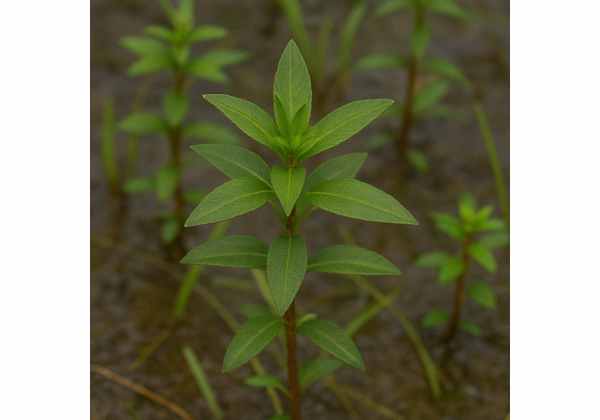
Water starwort is an aquatic or semi-aquatic plant in the genus Callitriche, a group known for small size, fine stems, and leaves that often form star-like arrangements near the water surface. Callitriche stagnalis is native across broad parts of Europe, western Asia, and nearby regions, and it thrives in temperate freshwater habitats such as ponds, slow channels, wet ruts, and shallow stream edges. In practical terms, it is a plant of quiet water and muddy margins rather than dry herb gardens or kitchen windowsills.
That setting matters because it shapes both the promise and the problems of the plant. A herb that grows in moving, clean, carefully cultivated soil can be discussed one way. A herb that lives in water is different. The water itself becomes part of the plant’s safety profile. If the source is polluted, agricultural, roadside, industrial, or mineral-heavy, the plant may not be appropriate for food or self-care use at all.
Water starwort also stands apart because it is easy to over-romanticize. The name sounds gentle, wild, and useful. Yet it is not a mainstream pharmacopoeial herb like chamomile, peppermint, or nettle. It is not sold widely as a standardized extract. It is not supported by human trials for urinary health, fluid balance, inflammation, or any other modern clinical endpoint. Even identification can be tricky, because several water-starwort species look similar and aquatic plants often change appearance depending on depth, flow, and season.
That means any discussion of “benefits” has to begin with realism. Water starwort is best viewed as a botanical species of interest rather than a proven remedy. Its value may lie in three overlapping areas:
- it has historical herbal mentions,
- it belongs to a plant group with biologically active compounds,
- and it has been studied scientifically for how aquatic plants adapt to water-rich environments and absorb substances from them.
Those last two points explain why the plant remains interesting. Its chemistry may have some relevance to oxidative stress and traditional urinary use, but its aquatic ecology also creates a strong contamination risk. In other words, the same biology that makes water starwort scientifically intriguing is also the reason caution has to come first.
Key compounds and what they may mean
The chemistry of water starwort is one of the most important parts of the conversation, but it is also where exaggeration happens most easily. There is not a rich modern literature describing Callitriche stagnalis the way researchers describe well-known herbs such as turmeric, green tea, or rosemary. Instead, the most honest approach is to combine what is known about the wider Callitriche group with older chemotaxonomic work and then stop short of making clinical promises.
Within the broader group, researchers have identified phenolic compounds and iridoid-related constituents that are often associated with antioxidant and defense functions in plants. In a related species, Callitriche cophocarpa, investigators reported phenolic acids such as chlorogenic, caffeic, p-coumaric, and ferulic acids. Older chemotaxonomic work in the family also reported compounds such as aucubin, catalpol-type iridoids, and verbascoside-like constituents in Callitriche material. From a health-writing perspective, these findings matter because they point to plausible bioactivity rather than empty folklore.
Still, a plausible compound profile is not the same as a demonstrated medicinal effect in people. Many plants contain antioxidant molecules, yet only a smaller number have been studied well enough to support clear dosage, indication, and safety guidance. With water starwort, the chemistry can help explain why the plant may have been noticed in older herbal traditions, but it cannot justify strong claims on its own.
A practical way to think about the ingredients is to divide them into three functional groups:
- Phenolic compounds may help explain laboratory antioxidant activity and protective plant responses to stress.
- Iridoid-type compounds are chemically interesting because similar molecules in other plants are associated with bitter, anti-inflammatory, or protective properties.
- Mineral and environmental content is highly variable and depends heavily on where the plant grows.
That third point deserves emphasis. With terrestrial herbs, people often assume the plant’s internal chemistry is the whole story. With aquatic herbs, the surrounding water can shape the final profile dramatically. A clean spring-fed pond and a drainage ditch do not produce equivalent plant material. The same species may differ substantially in contamination burden, mineral load, and overall suitability for use.
So the key ingredients in water starwort should be seen as suggestive rather than definitive. They give the plant scientific interest. They help explain why traditional use centered on mild bodily effects rather than dramatic cures. But they do not support the idea that water starwort is a proven modern supplement. Its chemistry is promising enough for careful curiosity, not confident medical marketing.
Potential health benefits and realistic medicinal properties
When people search for the health benefits of water starwort, they are usually looking for a simple answer. The honest answer is more limited: water starwort has a few plausible medicinal properties, but none are established well enough to call it a validated therapeutic herb. The best case for the plant today is modest, conditional, and closely tied to its chemistry and historical use.
The most realistic potential benefits fall into four areas.
- Mild antioxidant support. Because Callitriche species contain phenolic compounds and related protective plant chemicals, water starwort may have some antioxidant relevance. That does not mean it works like a supplement or prescription product, but it does support the idea that the plant is biochemically active rather than inert.
- Traditional urinary and fluid-balance support. Older herbal sources describe water-starwort material as a diuretic-like herb. In plain language, that means it was traditionally associated with increased urinary flow or relief in complaints linked to fluid retention. This is probably the strongest traditional use pattern attached to the plant.
- Wild-food style nutritional value. Some records describe water starwort as edible in certain settings. If correctly identified and sourced from clean water, it may function more like a minor wild green than a medicine. In that role, its value would resemble that of other nutrient-bearing aquatic greens, though far less clearly characterized than watercress.
- Possible anti-inflammatory relevance. This is the weakest of the plausible claims. It comes mostly from compound logic rather than direct testing in humans.
What should not be claimed is just as important. Water starwort is not a proven detox herb. It is not an established kidney remedy. It is not supported by clinical trials for urinary tract infection, edema, hypertension, or inflammatory disease. It should not be discussed as though a few plant compounds automatically translate into reliable treatment effects.
A useful way to rank the evidence is this:
- Strongest: there is botanical and chemical interest, plus some historical mention.
- Moderate: there is a plausible reason to explore antioxidant and mild urinary-supporting effects.
- Weak: there is no good basis for confident therapeutic claims in self-care.
- Absent: there is no validated human dose and no modern clinical indication.
That does not make the plant worthless. It simply places it in the right category. Water starwort is a curiosity with possible gentle benefits, not a dependable medicinal star. For readers who want practical value, that distinction is essential. Curiosity can be useful. Hype is not.
Traditional uses and practical ways people use it
The traditional story of water starwort is scattered rather than deeply codified. Unlike herbs with strong Ayurvedic, Chinese, or European monastic traditions, water starwort appears in smaller historical references and old herbal writing rather than in a broad, modern herbal consensus. The most commonly repeated traditional theme is urinary support, especially in older discussions of fluid retention, bladder discomfort, or increased urine flow.
That older reputation is important, but it needs context. Historical herbal writing often used broad symptom labels that do not map neatly onto modern diagnoses. Terms like “dropsy” or “kidney complaints” covered many different conditions, some mild and some serious. A plant being used for those complaints in the past does not prove it was effective, and it certainly does not mean people today should self-treat swelling, urinary pain, or reduced urine output without medical assessment.
In practical terms, modern use of water starwort falls into a few categories:
- Botanical interest and observation. Many people encounter the plant first as a pond or wetland species rather than as an herb.
- Occasional wild-food curiosity. Some records note edible use, but this is not widespread or standardized.
- Experimental herbal use. This is where caution becomes critical, because people may try to turn a historical note into a tea, tincture, or home remedy without enough evidence.
- Comparative herbal learning. Sometimes the best use of a little-known herb is to understand what it teaches us about safer, better-studied plants.
If someone is interested in the culinary side, the sensible model is not “medicinal dosing” but minimal, food-like exploration from a verified clean source. Even then, water starwort is not the most practical choice. A better-known wild edible such as purslane offers a much clearer track record for modern kitchens.
If someone is interested in the medicinal side, the wisest approach is even more restrained. Water starwort does not have a reliable modern preparation tradition. There is no accepted herbal monograph with standardized parts used, extraction ratios, or dosing. That means practical home use should never run ahead of identification, source quality, and symptom seriousness.
The real lesson from traditional use is not that water starwort should become a trendy remedy. It is that small aquatic plants were once noticed as functional herbs, especially for urinary or fluid-related complaints. That is historically interesting. It may even be biologically plausible. But it remains a starting point for caution, not a final recommendation for treatment.
Dosage preparation and why sourcing matters most
The dosage discussion for water starwort is unusual because the most accurate statement is that there is no validated modern human medicinal dose. That may sound disappointing, but it is actually the most useful piece of guidance in the whole article. Any source that gives a confident number of capsules, drops, teaspoons, or grams as though water starwort were a standard supplement is moving beyond the evidence.
Older herbal writing mentions decoctions and free use, but that kind of language is not good enough for modern safety standards. It does not tell us the exact species certainty, the concentration, the extraction strength, the water purity, or the patient context. In a terrestrial herb, that would already be a problem. In an aquatic herb, it is an even larger one.
So how should dosage be understood?
- There is no clinically established medicinal range.
- There is no standardized extract in common evidence-based use.
- There is no reliable duration guidance for daily therapeutic use.
That leaves only a cautious food-like framework, and even that depends on source quality.
A sensible order of priorities looks like this:
- Correct identification first. Water-starwort species can be confused with each other and with other small water plants.
- Clean water second. This is not optional. Aquatic plants can accumulate metals and pollutants.
- Minimal exposure third. If a knowledgeable person still chooses to explore culinary use, it should remain modest and observational rather than medicinal.
- Stop immediately if symptoms appear. Digestive upset, irritation, or unusual urinary symptoms are reasons to stop.
- Do not use it to treat a condition. Especially not swelling, kidney complaints, or urinary symptoms that may need medical care.
From a preparation perspective, teas and tinctures are the least defensible forms because they create a medicinal mindset around a plant that lacks medicinal dosing evidence. If someone’s real goal is gentle urinary support, a better-characterized herb such as corn silk makes more sense than improvising with water starwort.
In practical self-care, sourcing matters more than dosing. With water starwort, contamination risk can outweigh any hoped-for benefit. That changes the usual herbal conversation. Instead of asking, “How much should I take?” the more intelligent question is, “Why am I trying to use this particular aquatic plant at all?” Often, once that question is asked seriously, the safest answer is to choose a cleaner, better-studied alternative.
Safety side effects and who should avoid it
Safety is where water starwort deserves the most respect. The headline issue is not a dramatic poison profile. It is uncertainty. The plant itself may have only mild direct effects in small amounts, but the combination of weak clinical evidence, difficult identification, and aquatic contamination risk makes it a poor candidate for casual self-medication.
The most important safety concern is environmental uptake. Aquatic plants are known for absorbing substances from their surroundings, including metals. In research settings, Callitriche species have drawn attention precisely because they can accumulate contaminants. That is useful for phytoremediation science, but it is not encouraging for unsupervised medicinal use. A plant that helps signal or remove contamination from water is not automatically a plant you want in a home remedy.
Potential side effects are less clearly mapped than in mainstream herbs, but a cautious reader should consider several possibilities:
- mild digestive upset,
- nausea or irritation from concentrated preparations,
- unpredictable mineral or contaminant exposure,
- and possible changes in urinary output in sensitive people.
Certain groups should avoid medicinal-style use altogether:
- Pregnant or breastfeeding adults
- Children
- People with kidney disease or reduced kidney function
- Anyone with unexplained swelling or urinary symptoms
- People taking diuretics, lithium, or blood-pressure medicines
- Anyone harvesting from ponds, drainage channels, livestock areas, or roadside water
The medication caution is partly common sense. If a plant is being explored for possible diuretic or fluid-shifting effects, combining it with prescription drugs that affect fluid balance is not a smart experiment. The same is true when kidney function is already compromised.
There is also a diagnostic issue. Swelling, reduced urination, burning urination, blood in urine, and pelvic pain are not symptoms to treat casually with an obscure aquatic herb. They may point to infection, stones, kidney disease, heart problems, liver problems, or medication issues. In that setting, even a relatively mild plant becomes unsafe if it delays proper evaluation.
So the safety summary is clear. Water starwort is not necessarily dangerous in the dramatic sense, but it is a high-uncertainty herb. And in health decisions, uncertainty itself is a meaningful risk. When evidence is thin and contamination is plausible, the threshold for caution should be high.
What the research really supports and better options
The modern research base on water starwort does not support a strong medicinal recommendation. What it supports is a narrower and more interesting conclusion: Callitriche stagnalis is a botanically valid aquatic plant with potentially relevant chemistry, historical urinary-use associations, and a well-documented ability within the genus to accumulate environmental metals. That combination makes it scientifically notable, but not clinically dependable.
If we put the literature into plain language, the evidence says the following:
- the genus contains biologically active plant compounds,
- the plant and its relatives are useful in research on aquatic adaptation,
- some Callitriche species can accumulate contaminants at meaningful levels,
- and none of that adds up to a validated home-remedy profile.
That is why the best conclusion is a practical one. Water starwort is worth learning about, but not worth romanticizing. It may have a place in botanical writing, wetland ecology, and historical herb lore. It may even deserve more phytochemical work in the future. But right now, readers looking for a safe, purposeful health herb are usually better served elsewhere.
The better option depends on the goal:
- For a peppery aquatic edible with clearer modern interest, choose watercress.
- For a traditional bitter herb with broader contemporary familiarity, choose dandelion tea.
- For gentle urinary-comfort traditions, look toward better-characterized plants rather than obscure aquatic species.
- For antioxidant support, a diet built around reliable vegetables and herbs is far stronger than a speculative single-plant remedy.
That is not a dismissal of water starwort. It is a mature interpretation of the evidence. A plant does not need to become a supplement to be interesting. Sometimes the healthiest takeaway is simply knowing where the line is between tradition, chemistry, and proof.
For water starwort, that line is clear. It may hold mild promise, but it remains an experimental, source-sensitive, and weakly validated choice. In health writing, honesty is more useful than enthusiasm. This is a plant for careful curiosity, not confident self-treatment.
References
- Plant hyperaccumulators: a state-of-the-art review on mechanism of heavy metal transport and sequestration 2025 (Review). ([PMC][1])
- Metals in Callitriche cophocarpa from small rivers with various levels of pollution in SW Poland 2023 (Observational study). ([PubMed][2])
- Callitriche as a potential model system for evolutionary studies on the dorsiventral distribution of stomata 2021 (Plant biology review). ([PubMed][3])
- Accumulation of uranium by aquatic plants in field conditions: prospects for phytoremediation 2014 (Field study). ([PubMed][4])
- Callitriche cophocarpa — a new rich source of active phenolic compounds 2014 (Phytochemistry study). ([De Gruyter Brill][5])
Disclaimer
This article is for educational purposes only and is not medical advice. Water starwort is not a well-validated medicinal herb, and its safety depends heavily on correct identification and water quality. Do not use it to diagnose, treat, or delay care for swelling, urinary symptoms, kidney concerns, or any ongoing health problem. Seek qualified medical guidance before using any wild aquatic plant for food or medicine, especially during pregnancy, breastfeeding, childhood, chronic illness, or prescription drug use.
If this article helped you, please share it on Facebook, X, or your preferred platform so others can read it too.