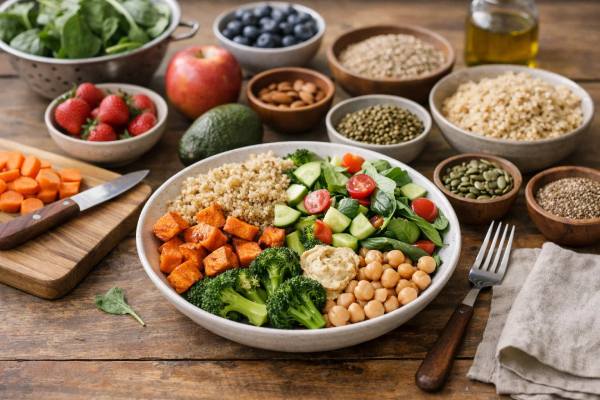
A whole-food plant-based diet can be an effective way to lose weight, but only when it is built around the right foods and realistic habits. The biggest advantage is not that it is “plant-based” by itself. It is that meals centered on beans, lentils, vegetables, fruit, whole grains, and other minimally processed foods tend to be higher in fiber, lower in energy density, and easier to eat in satisfying portions.
That does not mean every vegan or plant-based meal supports fat loss. Fries, cookies, refined snack foods, sugary oat-milk drinks, and oversized smoothie bowls can still keep calories high. The version that works best for weight loss is the one that emphasizes whole foods, enough protein, practical meal structure, and a setup you can actually maintain. Below, you will find what this way of eating really means, what to eat most often, what to limit, how to cover key nutrients, and how to start without making it more complicated than it needs to be.
Table of Contents
- What a whole-food plant-based diet really means
- Why it can help with weight loss
- What to eat most of the time
- Foods to limit even on a plant-based plan
- Protein and key nutrients to plan for
- How to start without burning out
- A simple starter meal template
What a whole-food plant-based diet really means
A whole-food plant-based diet is not exactly the same thing as a vegan diet, and that distinction matters for weight loss.
A vegan diet is defined by what it excludes: meat, fish, dairy, eggs, and other animal-derived foods. A whole-food plant-based diet focuses more on what it emphasizes: minimally processed plant foods such as beans, lentils, peas, tofu, tempeh, fruit, vegetables, potatoes, oats, whole grains, nuts, and seeds. In practice, many people use the term to describe a fully vegan eating pattern built mostly around whole or minimally processed foods. Others use it more loosely for a diet that is heavily plant-centered, even if it includes small amounts of animal foods.
For weight loss, the useful idea is less about labels and more about food quality. A meal plan can be fully vegan and still be built around refined flour, sugar, oils, chips, sweetened coffee drinks, and plant-based desserts. That may fit an ethical definition of vegan, but it is usually not what people mean when they search for a whole-food plant-based diet for weight loss.
The “whole-food” part is what changes the day-to-day experience. It pushes the diet toward foods that tend to be more filling and less calorie-dense:
- Beans, lentils, and peas instead of meat substitutes as the default
- Potatoes, oats, brown rice, and quinoa instead of mostly refined grains
- Fruit instead of frequent sweets
- Vegetables in large portions instead of tiny garnish portions
- Nuts, seeds, avocado, and olive-based foods in measured amounts instead of oils being poured freely
That does not mean everything must be unprocessed. Some minimally processed foods still fit very well, especially if they make the diet easier to sustain. Tofu, tempeh, soy milk, frozen vegetables, canned beans, plain popcorn, whole-grain bread, and unsweetened plant yogurt can all be useful. The better question is whether a food helps you build a filling, balanced meal or whether it mostly acts like an easy-to-overeat calorie source.
It also helps to know that a whole-food plant-based diet is not automatically low carb, low fat, or low calorie. It can be relatively high in carbohydrates if those carbs come from oats, beans, fruit, corn, rice, or potatoes. It can also include healthy fats from nuts, seeds, avocado, and olives. The goal is not to eliminate major food groups. The goal is to build meals from foods that make hunger easier to manage.
A practical way to think about it is simple: a whole-food plant-based diet for weight loss is a plant-centered eating pattern where most meals come from minimally processed foods that are naturally higher in fiber and easier to eat in satisfying portions.
Why it can help with weight loss
A whole-food plant-based diet can support weight loss because it often changes the math of the diet without making every meal feel tiny. Many whole plant foods provide a lot of volume, water, and fiber for relatively modest calories. That combination can make it easier to stay full while still eating less overall.
This is one reason people often do well with potatoes, beans, lentils, oats, soups, fruit, and large vegetable-heavy meals. These foods tend to slow eating, increase chewing, and create more physical fullness than calorie-dense convenience foods. Weight loss still depends on a calorie deficit, but a whole-food plant-based diet can make that deficit easier to maintain because the meals often feel more generous than their calorie count suggests.
The other advantage is that whole-food plant-based eating naturally reduces many foods that quietly drive overeating: sugary drinks, pastries, processed meats, fast-food meals, creamy sauces, refined snack foods, and oversized restaurant portions. Even without counting every calorie, many people end up eating fewer calories simply because the default foods change.
This eating style also overlaps with the core idea behind the Volumetrics approach to weight loss: choosing foods with lower energy density so you can eat a satisfying amount of food without overshooting your intake. That is why a large bean-and-vegetable soup with fruit on the side usually works better for fat loss than a small but calorie-dense snack lunch.
Still, it helps to be realistic about what this diet can and cannot do.
A whole-food plant-based diet can help with weight loss when it:
- Increases fullness through fiber, water, and meal volume
- Replaces many hyper-palatable processed foods
- Creates simpler, more predictable eating habits
- Encourages meals built from basic ingredients instead of constant snacking
It does not guarantee weight loss if the diet is still calorie-heavy. It is entirely possible to overeat trail mix, granola, peanut butter, tahini, dried fruit, avocado toast, vegan desserts, and restaurant grain bowls. Some people gain weight on a plant-based diet because they assume “healthy” and “plant-based” mean the same thing as low calorie.
That is why the most effective version for weight loss is usually not the most ideologically pure version. It is the most practical one. It is built around filling foods, enough protein, reasonable portions of calorie-dense items, and repeatable meals that fit real life.
In other words, the diet helps most when it changes both food quality and food structure. Once those two things improve, the scale often starts responding in a steadier, more sustainable way.
What to eat most of the time
The easiest way to build a whole-food plant-based diet for weight loss is to stop asking, “What foods are allowed?” and start asking, “What foods make balanced meals easy?” That shift keeps the diet practical.
A useful plate usually includes four parts: a protein-rich plant food, a high-volume vegetable, a satisfying carbohydrate source, and a small amount of fat for flavor and staying power.
| Category | Best examples | Why they help |
|---|---|---|
| Legumes and soy foods | Beans, lentils, chickpeas, split peas, tofu, tempeh, edamame | Support fullness and make meals feel substantial |
| Whole grains and starches | Oats, potatoes, sweet potatoes, brown rice, quinoa, barley, corn | Provide energy and help the diet feel satisfying |
| Vegetables | Leafy greens, broccoli, cauliflower, carrots, peppers, mushrooms, zucchini | Add volume for relatively few calories |
| Fruit | Berries, apples, oranges, pears, bananas, kiwi, melon | Offer sweetness, fiber, and easy snack options |
| Healthy fats | Nuts, seeds, avocado, olives | Improve taste and satisfaction when portions are controlled |
A few patterns work especially well:
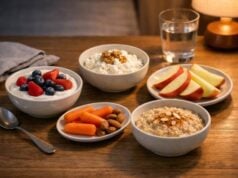
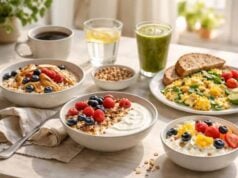
- Oatmeal with berries, chia seeds, and soy milk
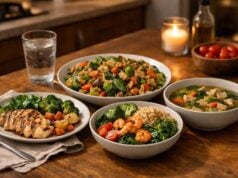
- Lentil soup with a large salad and fruit
- Tofu scramble with potatoes and vegetables
- Rice bowls with edamame, roasted vegetables, and tahini-lemon sauce
- Bean chili with extra vegetables
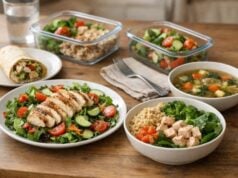
- Chickpea and vegetable wraps
- Potato bowls with black beans, salsa, greens, and avocado
- Stir-fries built around tofu, tempeh, or shelled edamame
Vegetables deserve more space than many people give them. They are not just “healthy side items.” They are what make a plant-based diet easier to sustain because they increase meal size without pushing calories up too fast. The best choices are usually the same high-volume options covered in the best vegetables for weight loss.
Fruit matters too. Many people mistakenly cut fruit when trying to lose weight, then end up craving sweets more intensely. Whole fruit is usually a net positive because it is harder to overeat than dessert foods and often makes the overall diet easier to stick with. The most useful choices tend to be the ones highlighted in the best fruits for weight loss.
One helpful insight here is that starch is not the enemy. Potatoes, oats, beans, rice, and fruit can fit very well in a weight-loss diet. The bigger issue is whether your meals are built from intact foods that satisfy hunger or from refined products that leave you looking for more food an hour later.
The best whole-food plant-based meals are simple, repetitive, and easy to assemble. You do not need a complicated “clean eating” recipe library. You need a few dependable combinations that make eating this way feel normal.
Foods to limit even on a plant-based plan
One of the biggest mistakes beginners make is assuming that “plant-based” automatically means weight-loss friendly. It does not.
A whole-food plant-based diet works best when it pushes the diet away from foods that are technically vegan but still very easy to overeat. These foods are not “bad,” but they can make fat loss harder because they pack a lot of calories into a small amount of food.
The biggest categories to watch are:
- Vegan desserts and baked goods
- Chips, crackers, pretzels, and snack mixes
- Granola and large smoothie bowls
- Frequent restaurant grain bowls loaded with oil and sauces
- Sweetened plant milks and sugary coffee drinks
- Coconut-based curries and creamy sauces used in large amounts
- Heavy pours of olive oil
- Large servings of nuts, seeds, tahini, and nut butters
- Dried fruit eaten like trail mix
- Refined vegan convenience foods such as cookies, frozen appetizers, and fried meat alternatives
This is where “healthy halo” thinking shows up. People become more relaxed around foods labeled organic, gluten-free, dairy-free, vegan, or natural, even when those foods are still calorie-dense. A handful of nuts is fine. Several unmeasured handfuls while cooking is a different story. Tahini is nutritious, but two or three generous spoonfuls can add up fast. Smoothies can be great, but once they turn into banana, dates, nut butter, oats, seeds, and plant milk blended into a giant glass, the calories can rival a full meal without creating the same fullness.
Another issue is ultra-processed vegan food. A diet built around fake meats, vegan pastries, sweetened yogurts, protein cookies, and snack bars may still be animal-free, but it is usually not what helps most with appetite control. If you notice that your “plant-based” diet is still full of packaged foods, that is often the first thing to tighten up.
A practical way to think about it is this:
- Build most meals around beans, lentils, soy foods, potatoes, whole grains, fruit, and vegetables.
- Use calorie-dense foods as accents, not as the base of the meal.
- Treat processed vegan foods as occasional tools, not the backbone of the diet.
This is similar to the way many people need to approach foods that make a calorie deficit harder. The issue is not morality. It is how easily certain foods can crowd out fullness and keep intake higher than you think.
A whole-food plant-based diet becomes much more effective for weight loss once you stop asking whether a food is vegan and start asking whether it makes you fuller, steadier, and more in control of your eating.
Protein and key nutrients to plan for
The biggest fear people have about plant-based eating for weight loss is protein. The bigger risk, though, is usually not that plant-based diets are inherently low in protein. It is that beginners build meals around vegetables, fruit, and grains without a clear protein anchor.
For weight loss, that matters. Protein helps with fullness, supports muscle retention, and keeps meals from feeling incomplete. On a whole-food plant-based diet, the easiest way to cover it is to include a protein-rich plant food at nearly every meal.
Useful staples include:
- Lentils
- Black beans, kidney beans, cannellini beans, and chickpeas
- Tofu and tempeh
- Edamame
- Split peas
- Soy milk
- Seitan if you tolerate gluten
- Higher-protein whole-grain or legume-based products used strategically
Most people do better when meals are built around one of those foods first, then expanded with vegetables and starches. A bowl of rice and vegetables is not the same as a bowl of rice, vegetables, and a generous serving of tofu or beans. If you need a clearer framework, it helps to know your general protein intake target for weight loss instead of just hoping it will work itself out.
Fiber is the other big strength of this eating pattern. Whole-food plant-based diets can make appetite control easier partly because they naturally raise fiber intake. Beans, lentils, oats, fruit, potatoes, vegetables, and intact grains all contribute. That does not mean “more is always better overnight,” though. If you currently eat very little fiber, a sudden jump can cause bloating and discomfort. It often works better to ramp up gradually and stay hydrated. A better sense of daily fiber targets and food swaps can help here.
Then there are the nutrients that need deliberate attention. The most important one is vitamin B12. If you are eating a fully vegan whole-food plant-based diet, reliable B12 supplementation is not optional. It is a basic safety step. Depending on your overall food choices, you may also need to pay closer attention to:
- Iodine
- Calcium
- Vitamin D
- Iron
- Zinc
- Omega-3 fats, especially if intake of walnuts, chia, flax, or algae-based supplements is low
That does not mean the diet is unsafe. It means it needs to be planned. The same way an omnivorous diet can be poorly planned, a plant-based diet can also be excellent or careless depending on how it is built.
A useful mindset is to think of plant-based weight loss as “high-fiber by default, protein by design, and micronutrients by awareness.” When those three pieces are in place, the diet tends to feel much easier and much more sustainable.
How to start without burning out
The most common way people fail on a whole-food plant-based diet is by trying to become a completely different eater overnight. They clear the kitchen, buy unfamiliar ingredients, spend hours on recipes, and then run out of energy by the end of the week. A better approach is to make the diet simpler before you make it stricter.
Start with one clear goal: make your default meals more plant-based and less processed.
A beginner-friendly approach looks like this:
- Replace one meal first.
Breakfast is often easiest. Oats, fruit, soy milk, and seeds are much easier to repeat than a full plant-based dinner overhaul. - Choose three plant proteins you actually like.
Beans, lentils, tofu, tempeh, or edamame are enough to start. You do not need ten options right away. - Keep your starches simple.
Potatoes, oats, rice, and whole-grain wraps cover a lot of ground. - Use frozen and canned foods strategically.
Frozen vegetables, canned beans, salsa, and pre-cooked grains can save your consistency. - Do not chase perfection.
A minimally processed plant-based dinner with a store-bought sauce is still a big improvement over takeout and random snacking. - Expect an adjustment period.
Taste preferences, meal structure, digestion, and cooking habits may all need a week or two to settle.
Many people also do well with a “crowding out” strategy instead of a hard ban strategy. Instead of focusing first on everything you are removing, focus on getting beans, vegetables, fruit, oats, potatoes, and soy foods in more consistently. That often reduces less helpful foods naturally.
Meal prep helps, but it does not need to be elaborate. A pot of lentils, a sheet pan of roasted vegetables, cooked rice or potatoes, a washed salad mix, and a sauce can cover several lunches and dinners. If you need more structure, a one-hour weekend meal prep plan can make the transition much easier.
The other piece is habit design. People often underestimate how much easier any diet becomes when it is attached to routines instead of motivation. Repeating the same breakfast, keeping the same lunch formula, and having two or three default dinners is not boring when it makes the whole plan work. That is part of the logic behind building healthy habits that stick for weight loss.
A strong start is usually modest, not dramatic. The goal is not to prove you can follow the strictest version for five days. It is to create a version you can still follow next month.
A simple starter meal template
Once you understand the principles, the easiest next step is to give yourself a repeatable template. That keeps the diet from turning into guesswork.
A simple whole-food plant-based day for weight loss might look like this:
| Meal | Example | Why it works |
|---|---|---|
| Breakfast | Oatmeal with berries, soy milk, chia seeds, and cinnamon | High in fiber, naturally sweet, and easy to repeat |
| Lunch | Lentil and vegetable soup with fruit on the side | High volume and satisfying without being heavy |
| Dinner | Potato and black bean bowl with salsa, greens, and a small amount of avocado | Balanced, filling, and built from simple foods |
| Snack | Apple with a measured spoonful of peanut butter or edamame with sea salt | Covers hunger without turning into grazing |
You can use the same structure over and over by changing the details:
- Swap lentils for chickpeas or tofu
- Swap potatoes for rice or quinoa
- Swap berries for apples or oranges
- Swap black beans for white beans, split peas, or tempeh
- Swap salsa for lemon-tahini, mustard, or a tomato-based sauce
A few meal formulas make this especially easy:
- Breakfast: oats or a tofu scramble
- Lunch: soup, grain bowl, or bean-based salad
- Dinner: starch plus protein-rich legumes or soy plus vegetables
- Snack: fruit, edamame, or a simple bean or soy-based option
This is where some planning can help more than more discipline. If you want additional structure, a vegan high-protein meal plan can give you more examples, especially if protein feels like the hardest part. If your biggest obstacle is time, it also helps to think in terms of 15-minute meals for weight loss rather than assuming plant-based eating has to involve long recipes.
The best starter template is one that keeps showing up on ordinary days. Not on the most motivated days. Not on the perfectly organized days. Ordinary days are where the diet either works or falls apart.
A whole-food plant-based diet for weight loss becomes much easier once you realize you do not need endless novelty. You need a few meals that are easy, filling, minimally processed, and reliable enough to repeat without resentment.
References
- Healthy diet 2026 (Fact Sheet)
- A Review of Plant-Based Diets for Obesity Management 2024 (Review)
- Update of the DGE position on vegan diet – Position statement of the German Nutrition Society (DGE) 2024 (Position Statement)
- Vitamin B12 – Health Professional Fact Sheet 2025 (Fact Sheet)
Disclaimer
This article is for general educational purposes only and is not a substitute for medical advice, diagnosis, or treatment. If you are pregnant, breastfeeding, managing diabetes, have kidney disease, a history of disordered eating, or want to follow a fully vegan diet long term, get individualized advice from a qualified clinician or registered dietitian.
If this article helped you, please share it on Facebook, X, or any platform where it might make healthy weight loss feel simpler for someone else.