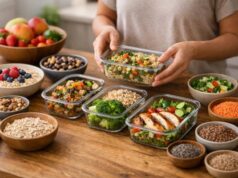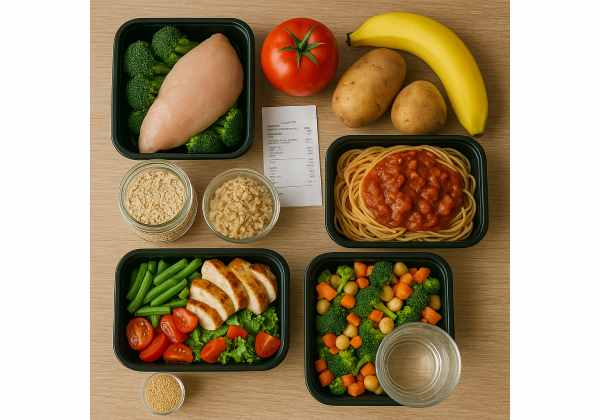
Losing weight on a tight grocery budget can feel harder than it should. Cheap food often seems to mean ultra-processed snacks, takeout deals, or meals that leave you hungry an hour later. In real life, though, a budget weight loss meal plan can work very well when you focus on filling staples, reliable protein, smart produce choices, and simple meals you will actually repeat. The key is not perfection. It is building a week of food that controls calories, keeps protein and fiber high enough, and wastes almost nothing.
This guide shows how to do that on roughly $50 to $70 per week for one adult cooking mostly at home. You will learn which foods give the best value, how to build a low-cost shopping list, what a practical 7-day menu looks like, and how to adjust portions so the plan fits your calorie needs without pushing your grocery bill up.
Table of Contents
- Why this budget plan works
- How to build the shopping list
- Best budget foods for fat loss
- 7-day budget meal plan
- Meal prep and waste control
- Adjusting calories and portions
Why this budget plan works
A low-cost weight loss plan works when it does three things at the same time: keeps calories under control, provides enough protein to help preserve lean mass, and includes enough fiber and food volume to keep hunger manageable. Most failed budget diets miss at least one of those. They are either too low in protein, too reliant on snack foods, or so repetitive and restrictive that the person gives up by Thursday.
The better approach is simple. Start with a few cheap, dependable anchors: oats, potatoes, rice, eggs, Greek yogurt, beans or lentils, frozen vegetables, fruit, and one main animal protein such as chicken thighs, canned tuna, or cottage cheese. These foods are not flashy, but they are practical. They stretch across multiple meals, store well, and make it easier to stay in a calorie deficit without feeling constantly deprived.
For most people, the sweet spot is meals built around:
- 25 to 35 grams of protein
- one high-fiber carbohydrate source
- at least one fruit or vegetable
- a modest amount of added fat for flavor and satiety
That structure helps you eat fewer calories without needing restaurant-sized willpower. It also keeps shopping focused. Instead of buying ten different “healthy” items, you buy foods that can be used three or four ways.
A realistic budget meal plan also assumes some limits. The $50 to $70 range works best for one adult who cooks at home, buys store brands often, uses frozen produce when needed, and keeps convenience foods minimal. It gets harder if you rely on single-serve products, specialty diet foods, or several meals out. If you need a refresher on calorie deficit basics or want help setting a daily protein target, it helps to sort those numbers out before you start.
The goal is not to eat the cheapest possible food. The goal is to spend carefully on foods that make the week easier, not harder.
How to build the shopping list
The easiest way to overspend is to shop meal by meal. The easiest way to stay on budget is to shop by category. Think in layers: protein, starch, produce, flavor, and backup snacks. When each layer is covered, you can mix meals without buying extra items just to fill a gap.
A practical $50 to $70 weekly list for one adult often looks like this:
- Protein base: eggs, Greek yogurt, chicken thighs, canned tuna, cottage cheese, beans, or lentils
- Carbohydrate base: oats, rice, potatoes, bread, or tortillas
- Produce base: bananas, apples, carrots, cabbage, onions, frozen mixed vegetables, and one leafy or seasonal item
- Flavor base: salsa, tomato sauce, garlic, bouillon, mustard, soy sauce, or basic spices
- Snack base: fruit, yogurt, popcorn kernels, or peanut butter
Here is one sample blueprint that usually lands near the middle of the budget range at a discount grocery store:
- Oats
- Rice
- Potatoes
- Dry lentils or beans
- 1 dozen eggs
- Large tub of plain Greek yogurt
- Chicken thighs
- 2 to 4 cans of tuna
- Cottage cheese
- Frozen mixed vegetables
- Bananas
- Apples
- Carrots
- Cabbage
- Onions
- Bread or tortillas
- Peanut butter
- Salsa or tomato sauce
That list works because every item earns its place. Oats become breakfast and snack bowls. Rice and potatoes cover lunches and dinners. Cabbage, onions, and carrots last longer than delicate salad greens. Yogurt doubles as breakfast protein and a sauce base. Lentils can stretch meat without making meals feel skimpy.
Two rules keep the total down:
- Pick one main meat, not three.
Buying chicken, beef, turkey, and salmon in the same week is where budgets go sideways. Choose one main animal protein and use beans, eggs, and dairy to fill the rest. - Buy produce for shelf life, not optimism.
Bananas, apples, cabbage, carrots, onions, and frozen vegetables are forgiving. A bag of spinach and a clamshell of berries are fine occasionally, but they spoil faster and raise the cost per edible serving.
If you want the week to feel more organized, use a short one-hour weekend prep and set up your kitchen like a mini food environment reset: cooked staples in clear containers, washed fruit at eye level, and higher-calorie extras out of immediate reach.
Best budget foods for fat loss
Not all cheap foods help with weight loss. The best budget choices are the ones that give you a strong return in satiety, protein, fiber, and flexibility. That is what makes them worth repeating.
1. Oats
Oats are one of the best values in the store. They are cheap, filling, easy to portion, and pair well with yogurt, fruit, peanut butter, or eggs on the side. They also work cold as overnight oats, which helps if mornings are rushed.
2. Eggs
Eggs are hard to beat for cost, convenience, and protein density. A two-egg breakfast alone may not be enough for everyone, but pairing eggs with toast, oats, or yogurt can create a much more satisfying meal.
3. Greek yogurt and cottage cheese
These are excellent budget proteins because they need almost no prep. They can replace pricier protein bars and shakes, and they work in sweet or savory meals. Plain versions are usually cheaper per serving and let you control sugar.
4. Beans and lentils
Dry lentils, split peas, and beans are some of the best foods for stretching a budget. They raise fiber, increase fullness, and make smaller portions of meat go further. Lentils are especially useful because they cook faster than many dried beans.
5. Potatoes
Potatoes are often underrated in weight loss planning. They are inexpensive, filling, and easy to batch-cook. The problem is rarely the potato itself. It is usually the deep frying or heavy toppings.
6. Frozen vegetables
Frozen mixed vegetables, broccoli, spinach, and peas lower waste and make it easier to get volume into meals. They are especially useful for stir-fries, soups, egg scrambles, and rice bowls.
7. Cabbage, carrots, onions, and bananas
These are workhorse foods. They are cheap, widely available, and hold up well across the week. Cabbage can become slaw, soup, stir-fry, or taco filling. Carrots are snacks or soup base. Onions make nearly every savory meal better. Bananas are budget-friendly fruit that also solve the “I need something sweet” problem.
A strong low-cost plan does not need “diet” products. It needs dependable basics and enough variety to prevent boredom. For more ideas, it helps to keep a short high-protein foods list in mind and to know your fiber targets and swaps so meals stay satisfying.
One practical test is this: if a food is cheap but easy to overeat and leaves you hungry soon after, it is not actually a bargain for fat loss. Foods that help you stay on plan are often the better value.
7-day budget meal plan
The sample plan below is built for one adult using the kind of shopping list above. Most days land roughly in the 1,500 to 1,800 calorie range with solid protein and fiber, depending on portions. Use it as a template, not a strict script.
- Day 1
Breakfast: Oatmeal cooked with water, stirred with Greek yogurt, sliced banana, and cinnamon.
Lunch: Lentil and rice bowl with shredded cabbage and salsa.
Dinner: Baked chicken thighs, roasted potatoes, and frozen mixed vegetables.
Snack: Apple with a spoon of peanut butter.
This is a good opening day because it uses the most basic staples and sets up leftovers for tomorrow. - Day 2
Breakfast: Two eggs, toast, and fruit.
Lunch: Leftover chicken and potato bowl with cabbage slaw.
Dinner: Bean and vegetable chili over rice.
Snack: Cottage cheese with banana slices.
Chili is one of the best budget dinners because it freezes well and feels more substantial than its cost suggests. - Day 3
Breakfast: Overnight oats with yogurt and apple.
Lunch: Tuna rice bowl with carrots, onions, and a simple yogurt-mustard dressing.
Dinner: Lentil soup with potatoes, carrots, onions, and cabbage.
Snack: Greek yogurt with cinnamon.
This is a lower-cost day that helps balance out the week if your protein foods were slightly more expensive. - Day 4
Breakfast: Greek yogurt bowl with oats, banana, and peanut butter.
Lunch: Leftover lentil soup and toast.
Dinner: Chicken taco-style bowls with rice, cabbage, onions, salsa, and yogurt as a topping.
Snack: Apple or carrots.
Repeating ingredients in a different format keeps costs down without making meals feel identical. - Day 5
Breakfast: Eggs scrambled with onions and frozen vegetables, plus toast.
Lunch: Tuna and potato salad made with yogurt, mustard, onions, and chopped carrots.
Dinner: Rice, beans, sautéed cabbage, and a small portion of chicken or eggs.
Snack: Cottage cheese with fruit.
This day is especially useful if you are trying to push protein up without adding much cost. - Day 6
Breakfast: Oats with yogurt and chopped apple.
Lunch: Chicken and vegetable rice bowl.
Dinner: Baked potatoes topped with chili or lentils and a side of mixed vegetables.
Snack: Banana with peanut butter.
This is a good “reset” day because the meals are simple, filling, and easy to portion. - Day 7
Breakfast: Two eggs, oats, and fruit.
Lunch: Leftover bowl using whatever protein, starch, and vegetables are still on hand.
Dinner: Clean-out-the-fridge soup or stir-fry with rice, lentils or beans, onions, carrots, cabbage, and frozen vegetables.
Snack: Yogurt or popcorn.
The last day is intentionally flexible. Good budget planning includes one meal designed to use leftovers before they become waste.
A plan like this works because the ingredients repeat in useful ways. Breakfast rotates between oats, eggs, and yogurt. Lunches are mostly bowls, soups, or leftovers. Dinners use the same handful of proteins and starches with different seasonings. If you need more midday variety, browse a few make-ahead lunch ideas. If you want controlled add-ons between meals, keep a short list of 100–250 calorie snacks that use foods you already buy.
Meal prep and waste control
Budget success is often less about finding cheaper food and more about losing less food. Waste is what quietly turns a $58 week into an $82 week. A simple prep routine fixes a lot of that.
Aim to prep components, not fully assembled meals. That keeps food more flexible and prevents boredom. In one focused session, you can usually do the following:
- Cook a pot of rice
- Roast a tray of potatoes
- Cook lentils or a bean-based chili
- Bake or pan-cook chicken thighs
- Hard-boil some eggs
- Chop cabbage, onions, and carrots
- Portion yogurt, fruit, or cottage cheese for quick grabs
That gives you mix-and-match meals for most of the week. A rice bowl can become a taco bowl, soup side, or stir-fry base. Chicken can go into wraps, bowls, or potatoes. Lentils can be soup, chili, or part of a meat-stretching dinner.
Storage matters too:
- Put the most perishable items at the front of the fridge
- Freeze extra cooked rice, chili, or chicken if you will not eat it within three to four days
- Keep one “use first” container for leftover vegetables
- Reheat with broth, salsa, or yogurt sauce so repeat meals do not taste dry
Portioning also protects progress. It is easy to accidentally turn a healthy cheap meal into an oversized one by free-pouring oil, doubling rice, or snacking from containers. Using the plate method helps keep meals balanced even when you are not counting every calorie. And if evenings are where the plan tends to unravel, a small protein and fiber fix can prevent the random cereal, cookies, or chips that often erase the day’s deficit.
A good budget plan should leave you with fewer decisions, not more. When the staples are ready, you are less likely to order food because you are tired and “nothing sounds easy.”
Adjusting calories and portions
The biggest mistake people make with meal plans is copying a week of food without adjusting it to their size, hunger, and activity. The budget stays the same more easily when you adjust portions first and ingredients second.
Here is the simplest way to scale the plan:
- To lower calories: trim starch and added fat before you cut protein
Use a little less rice, oats, bread, peanut butter, cheese, or cooking oil. - To raise calories: add more starch around meals
Increase potatoes, rice, oats, bread, or fruit before adding lots of snack foods. - To raise protein: increase Greek yogurt, cottage cheese, eggs, lentils, tuna, or chicken
This is usually cheaper than buying specialty products. - To improve fullness: add vegetables, beans, lentils, broth-based soups, and fruit
Volume helps when your calorie target feels tight.
A practical structure for many adults is:
- breakfast with 20 to 30 grams of protein
- lunch with 25 to 35 grams
- dinner with 30 to 40 grams
- one snack if needed
That distribution tends to work better than saving most protein for dinner. It also spreads hunger control across the day.
If weight loss stalls, resist the urge to slash the food budget further and start skipping meals. Usually a better fix is to tighten portions, reduce liquid calories, and keep protein steady. You can also simplify tracking by repeating the same breakfast and two lunches for a week, which makes intake easier to judge. If you need help with bigger changes, start with how to adjust calories and macros or use methods for tracking without counting calories every gram.
The best version of this plan is the one you can still follow next month. Budget weight loss is not about eating the least. It is about spending on foods that keep you consistent.
References
- Official USDA Food Plans: Cost of Food at Home at Three Levels, U.S. Average, January 2026 2026 (Government Report)
- Obesity Management in Adults: A Review 2023 (Review)
- Is protein the forgotten ingredient: Effects of higher compared to lower protein diets on cardiometabolic risk factors: A systematic review and meta-analysis of randomised controlled trials 2021 (Systematic Review)
- Low-carbohydrate versus balanced-carbohydrate diets for reducing weight and cardiovascular risk 2022 (Systematic Review)
- Dietary patterns – a scoping review for Nordic Nutrition Recommendations 2023 2024 (Review)
Disclaimer
This article is for general educational purposes only. It does not replace personalized medical, nutrition, or weight-management advice, especially if you have a medical condition, a history of disordered eating, are pregnant, or take medications that affect appetite, blood sugar, or weight.
If you found this article useful, share it on Facebook, X (formerly Twitter), or your preferred platform so someone else can build a simpler, lower-cost plan too.