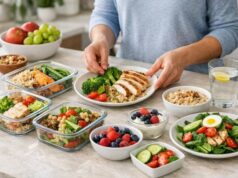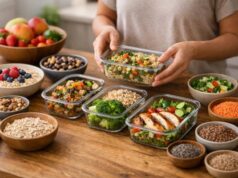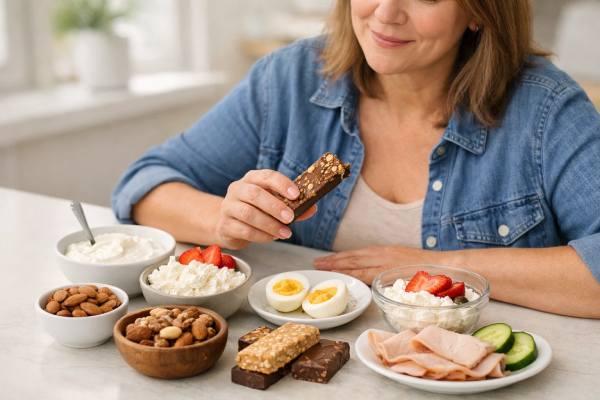
High-protein snacks for weight loss can be genuinely useful when they solve a real problem: hunger between meals that leads to overeating later. A good snack should not just “be healthy.” It should help you feel satisfied, fit your calorie deficit, and make the next meal easier to manage rather than harder to control.
That is where protein helps. Compared with many low-protein snack foods, protein-rich options often keep people full longer and make mindless grazing less likely. But not every protein snack deserves a place in a fat-loss plan. Some are too calorie-dense, too easy to overeat, or too processed to be satisfying. This guide covers what makes a snack work, the best high-protein snack ideas, how to choose portions, and how to fit snacks into a weight-loss routine without stalling progress.
Table of Contents
- Why high-protein snacks help
- What makes a good weight-loss snack
- Best high-protein snack ideas
- How to build better snack combinations
- Best snacks for different situations
- Mistakes that make snacks backfire
- How to fit snacks into a calorie deficit
Why high-protein snacks help
High-protein snacks help with weight loss because they can improve satiety, make appetite more manageable, and reduce the chance that you arrive at your next meal ravenous. That does not make protein magical, and it does not mean everyone must snack. But for people who go too long between meals, work long shifts, train in the afternoon, or struggle with evening overeating, a well-chosen snack can be a smart tool.
Protein tends to be more satisfying than many refined snack foods built mostly from sugar, starch, or fat. A bag of crackers, a pastry, or a granola bar may disappear fast and leave you hungry again soon after. In contrast, something like Greek yogurt, cottage cheese, edamame, or a tuna packet often gives you more staying power.
This matters because hunger is rarely just a willpower problem. If your meals are spaced far apart, if breakfast was light, or if lunch was mostly carbs with little protein, your afternoon hunger is not random. A protein-focused snack can help smooth that out and reduce the “I’ll eat anything” feeling that leads to overeating.
High-protein snacks can also support better overall protein distribution across the day. A lot of people under-eat protein at breakfast and lunch, then try to catch up at dinner. That is not necessarily disastrous, but it often leaves them hungrier earlier in the day. Spreading protein more evenly can help. That same logic shows up in protein targets per meal for weight loss, where meal quality matters just as much as daily totals.
Another benefit is practicality. A good snack can prevent a fast-food detour, random vending machine choice, or a kitchen raid at 4 p.m. In real life, that is often where diets break down. A portable protein snack is not exciting, but it can be the difference between a controlled day and a chaotic one.
Still, snacks only help when they serve a purpose. Snacking out of boredom, habit, or emotional impulse is different from eating because you need something genuinely filling between meals. That distinction matters. A high-protein snack is a support tool, not a free pass to eat all day.
What makes a good weight-loss snack
A good high-protein snack for weight loss does more than hit a protein number. It should also be satisfying, portion-aware, and realistic enough that you will actually keep it on hand.
The best snacks usually check most of these boxes:
- enough protein to make the snack feel meaningful
- a calorie range that fits your day
- good satiety for the size
- easy prep or portability
- low risk of turning into a full extra meal
- enjoyable enough to repeat
That middle point gets overlooked. Some foods are technically high in protein but not especially helpful for fat loss. A giant protein smoothie packed with nut butter, oats, full-fat yogurt, and extras may contain plenty of protein, but it can also carry more calories than the meal it was supposed to bridge. The same goes for trail mix, oversized protein bars, or “healthy” muffins with added protein powder.
In practice, the best protein snacks often combine protein with one other helpful feature: fiber, volume, or convenience. For example:
- Greek yogurt plus berries gives protein and volume.
- Cottage cheese plus cucumber gives protein and crunch.
- Edamame gives protein and fiber.
- Hard-boiled eggs give convenience and satiety.
- Turkey slices with fruit give protein plus something sweet.
That is one reason high-protein snacking often overlaps with high-fiber snack ideas. Fiber is not required for every snack, but it often makes the snack more filling and less likely to lead to a second snack 30 minutes later.
A good snack should also fit the situation. Desk snacks, gym bag snacks, car snacks, and at-home snacks do not all need the same qualities. Cottage cheese may be excellent at home but useless in the car. Jerky may travel well but not feel very filling unless paired with fruit or vegetables. A protein shake may work after training but not be the best default snack every afternoon.
The most useful question is not “Is this food high in protein?” It is “Will this snack help me get to my next meal without feeling deprived or losing control?” If the answer is yes, it is probably doing its job.
Best high-protein snack ideas
The best high-protein snacks for weight loss are the ones that balance protein, fullness, and calorie control. Some are whole-food options. Some are convenience foods. Both can work when chosen well.
Here are some of the strongest options.
Greek yogurt
One of the most reliable choices. It is easy to find, portable enough for work, and usually more satisfying than sweet snack foods. Add berries or chia seeds if you want more volume.
Cottage cheese
High in protein and often overlooked. It works well with fruit, tomatoes, cucumbers, or everything-bagel seasoning.
Hard-boiled eggs
Simple, cheap, and easy to prep ahead. Eggs are especially helpful when you need something small but substantial.
Edamame
A strong option because it brings both protein and fiber. Shelled edamame works well at home or packed for work.
Tuna or salmon packets
These are convenient and very protein-dense. Pair with sliced vegetables, whole-grain crackers, or fruit to make them feel more complete.
Deli turkey or chicken slices
Useful when wrapped around cucumber sticks, bell pepper strips, or a cheese stick. Watch sodium if you eat them often.
Protein shakes
Helpful when convenience matters most, especially after training or during busy workdays. They are best used strategically, not because every snack needs to come from a shaker bottle.
Jerky or meat sticks
Portable and shelf-stable. Choose options with reasonable sodium and ingredient lists when possible, and pair them with fruit for better satiety.
Roasted chickpeas or higher-protein bean snacks
These can work well, though they are often more helpful as a protein-plus-fiber snack than a pure protein snack.
Cheese sticks or mini cheeses
Simple and practical. They are best when paired with fruit or vegetables rather than eaten mindlessly on their own.
Higher-protein snack plate ideas
Sometimes the best snack is not one single item but a small combination:
- Greek yogurt and berries
- cottage cheese and pineapple
- eggs and baby carrots
- tuna and cucumber slices
- turkey roll-ups and apple slices
- edamame and fruit
- protein shake and a banana
These usually work better than a random packaged snack because they feel more like actual food. And if you need more ideas beyond snacks alone, the same ingredient base often overlaps with a practical high-protein foods list and a high-protein grocery list.
How to build better snack combinations
You do not need a long list of recipes to snack well. You just need a simple formula. The most effective protein snacks usually follow one of three patterns.
Protein only
This works best when hunger is moderate and the next meal is not far away.
Examples:
- two hard-boiled eggs
- a serving of Greek yogurt
- a tuna packet
- a protein shake
- cottage cheese
This is the simplest option, but it does not always feel the most satisfying.
Protein plus produce
This is often the sweet spot for weight loss because it adds bulk, crunch, or sweetness without pushing calories too high.
Examples:
- Greek yogurt and berries
- cottage cheese and cucumber
- turkey slices and bell pepper strips
- eggs and cherry tomatoes
- tuna and celery sticks
This format often works better than protein alone because it takes longer to eat and feels like more food.
Protein plus fiber-rich carb
This is useful when the snack needs to carry you longer, such as before a workout or during a long afternoon stretch.
Examples:
- yogurt and fruit
- edamame and fruit
- jerky and an apple
- cottage cheese and whole-grain crackers
- turkey and a small high-fiber wrap
This kind of pairing can improve satisfaction without making the snack overly heavy. It also fits well with the same logic used in building a high-protein plate for weight loss: protein works better when it is part of a well-structured eating pattern.
A good shortcut is this:
- Start with a protein anchor.
- Decide whether you need volume, sweetness, or longer-lasting energy.
- Add fruit, vegetables, or a controlled carb source based on that need.
- Keep the total snack appropriate for your day.
This matters because many snack problems are really structure problems. People either choose a snack with no staying power or accidentally turn a snack into a second lunch. A simple formula helps you avoid both.
Best snacks for different situations
The best snack depends a lot on where you are and what problem you are trying to solve. A snack that works perfectly at home may be useless at work or in the car. Matching the snack to the situation makes consistency much easier.
| Situation | Best snack types | Why they work |
|---|---|---|
| At work | Greek yogurt, tuna packets, protein shakes, cottage cheese, deli turkey | Easy to portion and practical for a midday hunger gap |
| On the go | Jerky, protein bars, shelf-stable shakes, roasted edamame, cheese sticks | Portable and less likely to be replaced by fast food |
| Before workouts | Yogurt and fruit, protein shake and banana, turkey and crackers | Protein plus some carbs can support energy and satiety |
| After workouts | Protein shake, Greek yogurt, cottage cheese, turkey wrap | Convenient way to get protein when a meal is not ready yet |
| Evening hunger | Cottage cheese, yogurt, eggs, edamame, turkey roll-ups | More filling than sweets or snack foods and easier to portion |
Late-day snacking deserves special attention because it is where many people lose control. A protein snack can help, but only if it is chosen on purpose. If the issue is true hunger because dinner was too small or lunch was weak, a protein snack makes sense. If the issue is stress, boredom, or a nightly habit loop, food choice alone will not fully solve it.
That is why some people benefit from pairing better snack choices with broader routines around stopping late-night snacking or addressing night-time sugar cravings directly.
One other useful distinction is planned versus emergency snacks. Planned snacks are the ones you intentionally build into the day because they improve adherence. Emergency snacks are backups that stop you from grabbing whatever is nearby. Both matter. A desk drawer protein bar or shelf-stable shake is not glamorous, but it can be the difference between a controlled day and a fast-food spiral.
Mistakes that make snacks backfire
High-protein snacks can help with weight loss, but they can also quietly sabotage it when used poorly. Most snack problems come down to one of a few predictable mistakes.
Using snacks out of habit instead of hunger
Some people eat a snack every afternoon because “that is what they do,” not because they need one. If meals are already satisfying and the snack is just automatic, it may not be helping.
Choosing protein snacks that are too calorie-dense
Trail mix, nut butter packets, oversized bars, and some protein smoothies can add up fast. They may contain protein, but that does not make them low-calorie.
Ignoring portion size
A snack should be a snack. Eating half a tub of cottage cheese, four cheese sticks, or several handfuls of jerky and nuts can push the snack into meal territory.
Relying on snacks because meals are too weak
If you constantly need snacks to survive the day, the bigger issue may be poor meal structure. Weak breakfasts and low-protein lunches create predictable hunger later. In that case, it may help more to improve meals using ideas from high-protein breakfasts or packable healthy lunches than to keep adding more snacks.
Picking “healthy” snacks that do not satisfy
Rice cakes, dry cereal, or tiny snack packs can be low in calories but not very effective. The point is not to eat the smallest snack possible. The point is to eat a snack that actually works.
Letting snacks replace real food too often
Convenience matters, but a full day of bars and shakes is rarely as satisfying as a day built mostly around real meals and only a few strategic snacks.
A useful rule is this: if the snack makes the day easier, it is helping. If it creates more hunger, more grazing, or more calorie creep, it needs to be reconsidered.
How to fit snacks into a calorie deficit
The smartest way to use high-protein snacks for weight loss is to treat them as part of the day’s calorie budget, not as extras that somehow do not count. A snack can absolutely fit a calorie deficit. It just has to earn its place.
For some people, one snack improves adherence. For others, two smaller snacks work better than arriving overly hungry at meals. And for some, no snacks at all is easiest. The right answer is the one that makes the day more controllable.
A few practical guidelines help:
- Plan snacks ahead of time instead of deciding when you are already hungry.
- Use snacks to bridge long gaps, not to fill every free moment.
- Keep protein intentional and portions reasonable.
- Let meals do most of the work for fullness.
- Adjust snacks based on activity, schedule, and hunger patterns.
For example, someone eating lunch at noon and dinner at 7 p.m. may do well with a protein snack around 3 or 4 p.m. Someone who eats a substantial breakfast and lunch may not need one at all. Someone training after work may need a more strategic snack before or after exercise.
The best test is simple: does the snack reduce total overeating later? If a 180-calorie protein snack prevents a 700-calorie evening blowout, that snack is doing its job. If it just adds 180 calories on top of a day that was already fine, it may not be worth it.
This is also why snacks work best inside a broader eating structure. A protein snack cannot rescue a day built on poor meal timing, random takeout, and low satiety foods. It works much better alongside a solid calorie-deficit routine and meals based on high-protein, low-calorie meal ideas.
Done well, a snack is not a diet loophole. It is a controlled tool that helps you stay full between meals, keep energy steady, and make better decisions when life gets busy.
References
- Current Dietary Guidelines 2026 (Guideline)
- Protein in diet: MedlinePlus Medical Encyclopedia 2025 (Medical Encyclopedia)
- Eating & Physical Activity to Lose or Maintain Weight 2026 (Guideline)
- Evaluating the Effects of Increased Protein Intake on Muscle Strength, Hypertrophy and Power Adaptations with Concurrent Training: A Narrative Review 2022 (Review)
- Exploring the effects of high protein versus high fat snacks on satiety, gut hormones and insulin secretion in women with overweight and obesity: A randomized clinical trial 2025 (RCT)
Disclaimer
This article is for general educational purposes only and is not a substitute for medical or nutrition advice tailored to your needs. If you have kidney disease, diabetes, digestive issues, food allergies, a history of disordered eating, or use weight-loss medications that affect appetite, talk with a qualified clinician before making major changes to your protein intake or eating pattern.
If this article helped, share it on Facebook, X, or your preferred platform so someone else can find better snack ideas that actually make weight loss easier.