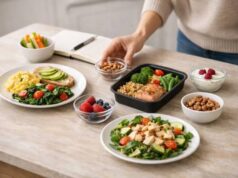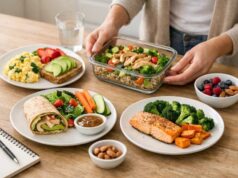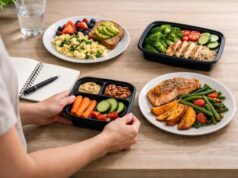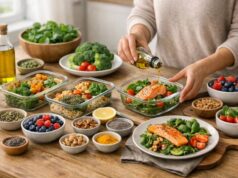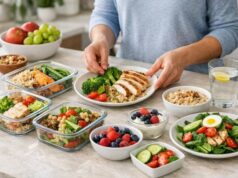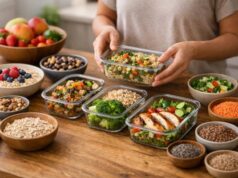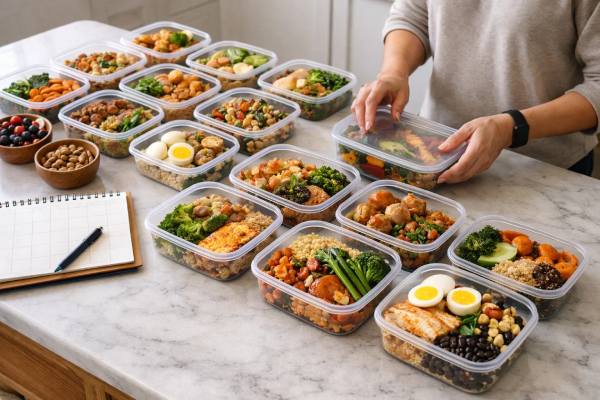
A 30-day high-protein, high-fiber meal plan for weight loss works best when it makes hunger easier to manage, not when it tries to win with willpower alone. Protein helps meals feel more satisfying and supports muscle retention during a calorie deficit. Fiber adds bulk, slows digestion, and makes lower-calorie meals feel like real meals instead of placeholders. Put them together, and you get a structure that is easier to repeat for a full month.
This plan gives you a practical four-week menu, the foods to prioritize, how to prep without spending your whole weekend cooking, and how to adjust portions so the plan fits your calorie needs instead of forcing you into someone else’s template.
Table of Contents
- Why this meal plan works
- How to build high-protein high-fiber meals
- 30-day meal plan overview
- Week 1: Days 1 to 7
- Week 2: Days 8 to 14
- Week 3: Days 15 to 21
- Week 4: Days 22 to 30
- Grocery list and meal prep plan
- How to adjust portions and calories
- Common mistakes that make the plan harder
Why this meal plan works
A lot of meal plans fail for the same reason: they look organized on paper but do not control hunger well enough in real life. A high-protein, high-fiber approach helps because it targets the two parts of dieting that matter most day to day: fullness and consistency.
Protein does more than make meals seem healthier. It gives structure to breakfast, lunch, dinner, and snacks so you are less likely to drift into random grazing. When meals are built around eggs, Greek yogurt, cottage cheese, chicken, turkey, fish, tofu, edamame, lentils, beans, or high-protein wraps, they tend to hold you better between meals. That matters in a calorie deficit, because the harder hunger hits, the harder consistency becomes.
Fiber works differently. It adds bulk and eating time. Oats, berries, beans, lentils, vegetables, fruit, potatoes, and whole grains make plates larger and more filling for fewer calories than heavily processed foods. A high-fiber plate also tends to slow down the pace of the meal. That is helpful when you are trying to notice fullness before overeating past it.
The best results usually come when these two features are paired on the same plate. A bowl of cereal may be high in fiber but leave you hungry quickly if protein is too low. A protein bar may have protein, but if it lacks volume and real food texture, it may not satisfy the way yogurt with berries and oats does. The sweet spot is meals that combine both.
This is why a plan like this overlaps naturally with practical advice on building a high-protein plate and with the food choices that show up again and again in a list of best foods to eat in a calorie deficit. The pattern is not trendy. It is effective because it solves a real problem: staying satisfied while eating less.
Just as important, a 30-day plan gives you repetition without boredom. You are not eating 30 completely different gourmet menus. You are rotating reliable breakfasts, packable lunches, repeatable dinners, and easy snacks in a way that keeps shopping and prep manageable. That is what turns a good nutrition idea into something you can actually live with for a month.
How to build high-protein high-fiber meals
Before getting into the calendar, it helps to know the meal formula behind it. The goal is not to memorize macros for every ingredient. The goal is to make each meal predictably satisfying.
A useful formula for main meals is:
- One solid protein source
- One high-fiber carbohydrate source
- One or two servings of vegetables or fruit
- A moderate amount of fat for flavor and satiety
That can look like many different meals:
- Greek yogurt, oats, berries, chia seeds, and walnuts
- Chicken, roasted vegetables, brown rice, and hummus
- Lentil soup with a side salad and cottage cheese
- Salmon, potatoes, broccoli, and olive oil
- Tofu stir-fry with edamame, vegetables, and rice
You do not need every meal to be perfectly balanced, but most meals should feel built rather than improvised.
| Meal part | Good options | Main purpose |
|---|---|---|
| Protein | Eggs, Greek yogurt, cottage cheese, chicken, turkey, tuna, salmon, shrimp, tofu, tempeh, edamame, beans, lentils | Supports fullness and helps preserve lean mass during weight loss |
| Fiber-rich carbs | Oats, beans, lentils, quinoa, brown rice, potatoes, sweet potatoes, whole-grain wraps, fruit | Adds volume and steadier energy |
| Produce | Leafy greens, broccoli, carrots, peppers, tomatoes, cucumbers, berries, apples, pears, oranges | Raises meal size without pushing calories too high |
| Healthy fats | Olive oil, avocado, nuts, seeds, tahini, nut butter | Adds staying power and flavor, but works best in measured portions |
It also helps to think in daily anchors instead of chasing perfection. Most people do well with:
- A protein-forward breakfast
- A lunch that can survive a busy workday
- A dinner that looks generous on the plate
- One or two planned snacks instead of reactive snacking
If you want more structure, you can borrow ideas from a protein-per-meal target and from practical guidance on how much fiber per meal supports fullness. You do not have to count both precisely, but understanding the pattern helps you spot weak meals quickly.
The other rule is to keep convenience in the plan. Frozen vegetables, canned beans, microwavable grains, rotisserie chicken, skyr, cottage cheese, and prewashed greens are not shortcuts to avoid. They are often what makes a 30-day plan realistic instead of aspirational.
30-day meal plan overview
This meal plan is designed as a practical fat-loss framework, not a rigid prescription. For many adults, it can be adjusted into a moderate calorie deficit by changing portion sizes, oils, snacks, and starch servings. The meals emphasize foods that are filling, fairly easy to prep, and flexible enough to repeat.
A few ground rules make the month easier:
- Repeat breakfasts on purpose. Decision fatigue is real, and breakfast is the easiest place to simplify.
- Use leftovers strategically. Several dinners become next-day lunches.
- Keep one backup meal in the freezer or pantry at all times.
- Treat snacks as tools, not random extras.
- Aim for consistency, not novelty.
The structure of the month looks like this:
- Week 1: Establish easy staples and a predictable routine
- Week 2: Add more variety without changing the core formula
- Week 3: Use more leftovers and batch cooking to reduce effort
- Week 4: Repeat your best meals and tighten the parts that slipped
The menus below use familiar foods and moderate cooking effort. Most breakfasts take under 10 minutes. Many lunches are bowls, wraps, soups, or leftovers. Dinners rely heavily on sheet-pan meals, skillets, soups, and batch-friendly proteins.
This article is intentionally food-first rather than supplement-first. Most people can build an effective month from groceries alone, especially when they rely on a solid high-protein grocery list and a simple weekend meal prep routine.
You will also notice that the plan does not eliminate carbohydrates. High-protein and high-fiber eating usually works better when carbs come mostly from filling, less refined foods like oats, fruit, beans, potatoes, and whole grains. Those choices often fit better than trying to force every day into an overly low-carb setup.
Week 1: Days 1 to 7
Week 1 is about momentum. The meals are simple, repeatable, and built around ingredients you can buy almost anywhere.
| Day | Breakfast | Lunch | Dinner | Snack |
|---|---|---|---|---|
| Day 1 | Greek yogurt with oats, berries, chia seeds, and cinnamon | Chicken quinoa bowl with spinach, cucumber, tomatoes, and hummus | Turkey chili with beans and a side of roasted broccoli | Apple with peanut butter |
| Day 2 | Egg scramble with spinach, mushrooms, and whole-grain toast | Leftover turkey chili | Sheet-pan salmon, baby potatoes, and green beans | Cottage cheese with pineapple |
| Day 3 | Overnight oats with Greek yogurt and raspberries | Tuna and white bean salad wrap with lettuce and tomato | Chicken stir-fry with edamame, peppers, and brown rice | Pear and a few almonds |
| Day 4 | Skyr with banana, flaxseed, and walnuts | Lentil soup and a side salad with grilled chicken | Turkey meatballs, marinara, whole-wheat pasta, and zucchini | Greek yogurt with berries |
| Day 5 | Protein smoothie with Greek yogurt, spinach, berries, and oats | Leftover turkey meatballs over greens and roasted vegetables | Baked cod, sweet potato, and Brussels sprouts | Edamame |
| Day 6 | Oatmeal with chia seeds and a side of cottage cheese | Chicken and black bean burrito bowl | Tofu vegetable stir-fry with brown rice | Orange and pistachios |
| Day 7 | Eggs, avocado, and high-fiber toast with fruit | Greek yogurt chicken salad with chickpeas and crunchy vegetables | Salmon burgers with roasted carrots and a potato wedge tray bake | Strawberries with plain yogurt |
Week 1 works well because it repeats key foods without feeling repetitive. Yogurt, eggs, beans, chicken, turkey, and fish show up often enough to make shopping efficient. The meals also lean on soup, bowls, wraps, and leftovers, which are easier to sustain than cooking from scratch three times a day.
Week 2: Days 8 to 14
Week 2 keeps the same structure but expands your options a little so the plan feels less mechanical.
| Day | Breakfast | Lunch | Dinner | Snack |
|---|---|---|---|---|
| Day 8 | Greek yogurt bowl with blueberries, pumpkin seeds, and oats | Turkey and hummus wrap with side fruit | Chicken fajita skillet with peppers, onions, black beans, and rice | Apple and cottage cheese |
| Day 9 | Vegetable omelet with toast and berries | Leftover chicken fajita bowl | Shrimp, quinoa, asparagus, and cherry tomatoes | Roasted chickpeas |
| Day 10 | Overnight oats with kefir, chia, and strawberries | Lentil and vegetable soup with skyr | Lean beef and bean stuffed peppers | Pear with walnuts |
| Day 11 | Cottage cheese bowl with pineapple, flaxseed, and high-fiber cereal | Tuna pasta salad made with Greek yogurt dressing and peas | Sheet-pan chicken thighs, cauliflower, carrots, and potatoes | Greek yogurt |
| Day 12 | Protein smoothie with oats, berries, spinach, and yogurt | Leftover sheet-pan chicken bowl | Turkey burger on a whole-grain bun with a large salad | Edamame and grapes |
| Day 13 | Oatmeal with blueberries and a side of eggs | Chickpea and chicken chopped salad | Baked salmon with farro and broccoli | Kiwi and cottage cheese |
| Day 14 | Skyr with banana, chia seeds, and almond butter | Black bean soup with avocado and plain yogurt | Tofu peanut stir-fry with vegetables and brown rice | Berries and dark chocolate |
This week is a good place to notice what works best for you. Some people feel more satisfied with two larger meals and one smaller one. Others do better with three balanced meals and one snack. The menus allow both approaches. If you are learning your appetite patterns, this is a useful point to compare your experience with ideas from tracking without counting calories and from a straightforward portion-size plate method.
Week 3: Days 15 to 21
By Week 3, effort matters as much as food quality. This week leans more heavily on batch cooking and leftover-friendly dinners.
| Day | Breakfast | Lunch | Dinner | Snack |
|---|---|---|---|---|
| Day 15 | Greek yogurt with oats, raspberries, and chia | Chicken lentil grain bowl | Large batch turkey and bean taco soup | Apple and almonds |
| Day 16 | Eggs with spinach and high-fiber toast | Leftover taco soup | Baked cod with roasted sweet potato and green beans | Cottage cheese with berries |
| Day 17 | Overnight oats with yogurt and blackberries | Tuna chickpea salad over greens | Chicken meatballs, roasted vegetables, and quinoa | Edamame |
| Day 18 | Skyr with pear and pumpkin seeds | Leftover chicken meatball bowl | Tofu and edamame stir-fry with soba noodles and vegetables | Orange and pistachios |
| Day 19 | Smoothie with Greek yogurt, oats, spinach, and cherries | Turkey and black bean wrap with salsa and lettuce | Salmon with roasted cauliflower and potatoes | Plain yogurt with cinnamon |
| Day 20 | Oatmeal and a side of cottage cheese | Lentil pasta salad with chicken and vegetables | Lean beef and vegetable skillet with brown rice | Pear with peanut butter |
| Day 21 | Egg and bean breakfast tacos with salsa | Greek yogurt chicken salad and fruit | White bean chicken soup with a crunchy chopped salad | Roasted chickpeas |
Week 3 is often when people either settle into a rhythm or start to drift. The easiest way to stay on track is to reduce friction. Keep ingredients visible, wash fruit right away, portion snacks, and make sure you always have one lunch ready before the current one runs out. That kind of setup matters as much as motivation.
Week 4: Days 22 to 30
Week 4 is about finishing strong without making the plan harder than it needs to be. Repeat favorites, keep meals satisfying, and avoid the common mistake of getting overly restrictive because “the month is almost over.”
| Day | Breakfast | Lunch | Dinner | Snack |
|---|---|---|---|---|
| Day 22 | Greek yogurt bowl with berries, oats, and flaxseed | Chicken quinoa salad with chickpeas | Turkey chili over roasted zucchini | Apple and cottage cheese |
| Day 23 | Vegetable omelet and high-fiber toast | Leftover turkey chili | Sheet-pan shrimp, broccoli, and baby potatoes | Greek yogurt |
| Day 24 | Overnight oats with kefir and blueberries | Tuna and white bean bowl with greens | Chicken stir-fry with edamame and rice | Pear and almonds |
| Day 25 | Skyr with banana and chia seeds | Lentil soup with side salad and extra chicken | Turkey meatballs, marinara, and roasted broccoli | Edamame |
| Day 26 | Protein smoothie with oats, berries, and spinach | Leftover turkey meatball bowl | Baked salmon, sweet potato, and asparagus | Kiwi and cottage cheese |
| Day 27 | Oatmeal with walnuts and a side of eggs | Chicken black bean burrito bowl | Tofu vegetable curry with chickpeas and rice | Strawberries and yogurt |
| Day 28 | Cottage cheese bowl with fruit and flaxseed | Greek yogurt chicken salad wrap | Cod with potatoes and green beans | Roasted chickpeas |
| Day 29 | Egg scramble with spinach, mushrooms, and toast | Lentil and quinoa bowl with vegetables | Chicken fajita skillet with black beans | Orange and pistachios |
| Day 30 | Greek yogurt with oats, berries, and chia | Leftover chicken fajita bowl | Salmon burgers, roasted carrots, and potato wedges | Dark chocolate and berries |
At the end of 30 days, the goal is not to “graduate” from structured eating. It is to identify the breakfasts, lunches, dinners, and snacks you would actually repeat for another month. That is how a 30-day plan becomes part of a longer-term routine rather than a one-time burst of discipline.
Grocery list and meal prep plan
A month-long meal plan only works if the shopping and prep are simple enough to keep going. You do not need to cook every meal in advance. You need a system that keeps good choices easy.
A practical grocery list includes:
- Proteins: eggs, Greek yogurt, skyr, cottage cheese, chicken breast or thighs, lean turkey, canned tuna, salmon, cod, shrimp, tofu, edamame, lentils, black beans, chickpeas, white beans
- High-fiber carbs: oats, quinoa, brown rice, farro, whole-grain wraps, whole-wheat pasta, potatoes, sweet potatoes, high-fiber bread
- Produce: berries, apples, pears, oranges, bananas, spinach, lettuce, broccoli, cauliflower, carrots, zucchini, peppers, onions, tomatoes, cucumbers, green beans, Brussels sprouts, asparagus
- Fats and flavor: olive oil, nuts, seeds, avocado, salsa, hummus, marinara, herbs, garlic, lemon, vinegar, spices
A simple weekly prep routine looks like this:
- Cook one or two proteins in bulk.
- Roast a large tray of vegetables.
- Prepare one grain or potato option.
- Make one soup, chili, or bean-based meal.
- Portion yogurt, fruit, and snacks for grab-and-go use.
- Keep frozen vegetables and canned beans for backup meals.
This is also where convenience foods earn their place. Frozen berries, frozen broccoli, canned beans, microwaveable grains, and rotisserie chicken can save the plan on busy days. They are not a compromise. They are often the difference between following the plan and ordering takeout.
People who struggle with evenings often do better when they prep dinner components in advance instead of only focusing on lunch. That is why it can help to combine a few ideas from high-protein dinner meal prep with a stash of high-fiber snacks that prevent the late-afternoon hunger crash.
How to adjust portions and calories
This 30-day high-protein, high-fiber meal plan is meant to be flexible. The same menu can work for different people if portions change appropriately.
If you need a lower-calorie version, start here:
- Use slightly smaller grain, pasta, rice, and potato portions
- Measure oils, nuts, seeds, avocado, and nut butter
- Keep snacks simple and intentional
- Increase nonstarchy vegetables before cutting protein
If you need a higher-calorie version, try this:
- Add a second snack
- Increase grains or potatoes at one or two meals
- Use slightly larger portions of beans or lentils
- Add another serving of fruit or dairy
The biggest mistake is cutting too much from the wrong place. Reducing vegetables and protein usually makes the plan harder to follow. Tightening oils, dressings, snacks, dessert frequency, and starch portions is usually easier and less punishing.
This is also why it helps to understand your calorie target in broad terms. You do not have to track every bite forever, but it is easier to make a meal plan work when you know whether you are aiming for a smaller, moderate, or larger deficit. That bigger picture is easier to understand when you know how many calories to eat for weight loss and what a realistic macro balance for weight loss can look like.
If you are exercising regularly, keep enough carbohydrate in the plan to support training and recovery. High-protein and high-fiber does not mean low-energy. It means choosing foods that satisfy better.
Common mistakes that make the plan harder
A strong meal plan can still fall apart if the structure around it is weak. The most common problems are not dramatic. They are small decisions that make hunger and convenience work against you.
Common mistakes include:
- Breakfast that is too small: coffee and a bar often do not hold up well for long
- Protein clustered only at dinner: this leaves earlier meals less satisfying
- Fiber added too suddenly: going from very low fiber to very high fiber in a day or two can feel rough
- Healthy fats treated as free foods: olive oil, nuts, and avocado are useful, but portions still matter
- No backup meals: when life gets busy, the plan needs an easy rescue option
- Weekend drift: several loose restaurant meals can erase a weekday deficit surprisingly fast
Another common mistake is making the month too “clean” to be sustainable. Most people do better when the plan leaves room for flexibility rather than pretending cravings and social meals do not exist. A protein-rich dessert, a planned takeout meal, or a restaurant dinner can fit. What matters is whether those meals still resemble the overall structure of the plan.
Finally, do not assume that “high-protein” foods sold in packages are always the best fit. Some are useful, but many are just expensive snack foods with a health halo. Real meals built from yogurt, eggs, beans, fruit, vegetables, and lean proteins usually do a better job of keeping you full.
References
- Protein, fiber, and exercise: a narrative review of their roles in weight management and cardiometabolic health 2025 (Review)
- Nutritional Considerations During Major Weight Loss Therapy: Focus on Optimal Protein and a Low-Carbohydrate Dietary Pattern 2024 (Review)
- Effects of dietary fibre on metabolic health and obesity 2024 (Review)
- Obesity Management in Adults: A Review 2023 (Review)
- Dietary fiber influence on overall health, with an emphasis on CVD, diabetes, obesity, colon cancer, and inflammation 2024 (Review)
Disclaimer
This article is for general educational purposes only and is not a substitute for medical advice, diagnosis, or treatment. A high-protein, high-fiber meal plan for weight loss may need individual changes if you have kidney disease, digestive conditions, diabetes, food allergies, are pregnant or breastfeeding, or take medications that affect appetite, blood sugar, or weight.
If this article helped you, please share it on Facebook, X, or your preferred platform so others can use it too.