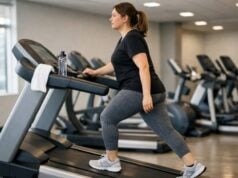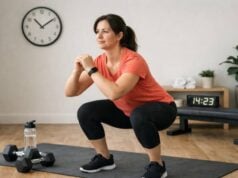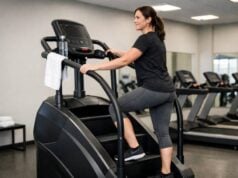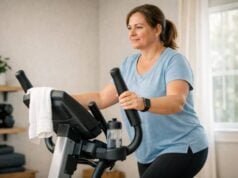
A gym machine workout can be one of the best ways for beginners to start losing weight because it makes strength training feel simpler, safer, and less intimidating. Machines guide your path of motion, make exercise selection easier, and help you train major muscle groups without needing advanced technique on day one. That matters because weight loss is not just about burning calories during a workout. It is also about building a routine you can repeat, recovering well enough to stay active, and preserving muscle while you lose fat.
This guide covers which machines to use, how to structure a full-body beginner plan, how often to train, and how to progress once the first few weeks stop feeling hard.
Table of Contents
- Why machine workouts work for beginners
- Best machines for a full-body plan
- How to structure a weight loss machine workout
- Best full-body gym machine workout
- Sample weekly schedule for beginners
- How to progress without overdoing it
- Common mistakes and safety tips
Why machine workouts work for beginners
A beginner gym machine workout is effective for weight loss because it solves several common problems at once. First, it makes resistance training easier to learn. Second, it helps you train the whole body with less technical skill than free weights usually require. Third, it supports muscle retention while dieting, which matters because losing weight is not the same thing as losing fat well.
Many beginners think they need long cardio sessions to lose weight, but strength training plays a major role too. A full-body machine workout helps you keep or build lean mass, improve strength, and raise the amount of useful work your body can do over time. That does not mean machines burn more calories than every other option. It means they help you train consistently, and consistency is the real engine behind results.
Machines are especially useful if you:
- Feel overwhelmed by a crowded gym floor
- Are unsure how to perform barbell or dumbbell lifts
- Want a more stable setup while learning basic patterns
- Need a routine that feels repeatable instead of chaotic
- Prefer a lower-skill way to start strength training
That stability matters more than many people realize. Beginners often quit because they do not know what to do next, not because the plan was physiologically wrong. A machine circuit gives structure. You can walk in, follow the same order, record your settings, and improve without needing to redesign the workout every week.
For weight loss, that matters in a few ways:
- You are more likely to show up
- You can train hard enough without guessing
- You can recover better than if every session feels random
- You can combine strength work with cardio and daily movement more effectively
A machine plan is not a compromise or a “lesser” way to train. It is often the most practical entry point. Later, some people transition toward dumbbells, cables, or barbells. Others keep machines in the program long term because they like the simplicity and control.
The key point is that a gym machine workout helps with weight loss when it fits into a bigger system: enough training frequency, enough daily movement, a manageable calorie deficit, and recovery good enough to let you come back again. If you are still deciding whether strength work belongs in a fat-loss plan at all, the best exercises for weight loss are usually a mix of strength, cardio, and general movement rather than cardio alone.
Best machines for a full-body plan
A good full-body machine workout does not need every machine in the gym. It only needs enough exercises to cover the main movement patterns: a squat or leg press pattern, a hip hinge or leg curl pattern, a horizontal push, a horizontal pull, a vertical press or pull, and some trunk work.
For beginners, the best machine-based full-body plan usually includes 6 to 8 exercises. That is enough to train the whole body without turning the session into a two-hour marathon.
| Body area | Good machine choices | Why it helps |
|---|---|---|
| Quads and glutes | Leg press, hack squat, seated squat machine | Builds lower-body strength with more stability than free squats |
| Hamstrings | Seated leg curl, lying leg curl | Adds knee-flexion work and balances lower-body training |
| Chest and triceps | Chest press machine | Easy pushing pattern for beginners |
| Back and biceps | Lat pulldown, seated row | Trains upper-back strength and posture |
| Shoulders | Shoulder press machine | Simple overhead pressing option |
| Glutes | Glute drive, cable kickback, hip abduction machine | Useful optional work for lower-body development |
| Core | Cable crunch, ab machine, back extension | Builds trunk strength and control |
| Cardio finisher | Treadmill, bike, elliptical, rower | Adds extra calorie burn without replacing strength work |
If you are brand new, your core lineup can be even simpler:
- Leg press
- Seated leg curl
- Chest press
- Seated row
- Lat pulldown
- Shoulder press
- Core machine or cable exercise
That is already enough for a productive session.
The best beginner machine workout is not the one with the most exercises. It is the one that covers the body well while leaving enough energy to recover, walk more, and train again later in the week. Too many beginners make the mistake of doing one machine for every body part they can think of. That often creates more soreness than results.
Machine choice can also be adjusted for comfort. If the hack squat feels awful, use the leg press. If the shoulder press bothers your shoulders, use a chest-supported machine and skip overhead pressing for now. If you are heavier, very deconditioned, or dealing with joint pain, a more modified setup is not a lesser plan. It is better programming. That is especially true if you need a gentler entry point like a workout plan for obese beginners.
How to structure a weight loss machine workout
A good gym machine workout for weight loss should feel organized, not exhausting from minute one. The basic structure is simple: warm up, lift through a full-body sequence, then optionally finish with short cardio.
For most beginners, a strong template looks like this:
- Warm up for 5 to 8 minutes
Use a treadmill, bike, or elliptical at an easy pace. The goal is to raise body temperature, loosen up, and feel ready to move. - Do 6 to 8 machine exercises
Focus on major muscle groups, not tiny isolation work first. - Use moderate sets and reps
Start with 2 to 3 sets of 8 to 12 reps for most exercises. - Rest 45 to 90 seconds between sets
Shorter rests make the workout move faster, but do not rush so much that your form falls apart. - Optional cardio finisher for 8 to 15 minutes
This can help increase total calorie burn, but it should support the workout, not turn the whole session into punishment.
A few beginner-friendly rules make machine training much more effective:
- Choose a weight that feels challenging by the last few reps, but still controlled
- Stop most sets with 1 to 3 reps left “in the tank”
- Use the full range of motion the machine allows comfortably
- Track seat settings and weights so next time is easier to repeat
- Prioritize smooth reps over fast reps
The order of exercises matters too. Put larger compound-style machines earlier in the workout, when you are fresher. That usually means legs, chest, and back before smaller accessory work.
A sensible order is:
- Warm-up cardio
- Leg press
- Seated leg curl
- Chest press
- Seated row
- Lat pulldown
- Shoulder press
- Core
- Optional cardio finisher
This structure works because it balances the session. It trains the largest muscle groups first, spreads fatigue across the body, and avoids stacking too much local fatigue in one area.
For weight loss, one important principle is that the machine workout does not need to feel like a bootcamp. It needs to be productive enough to help preserve muscle and build fitness, but recoverable enough that you can repeat it two or three times per week. That is why full-body training usually works so well for beginners. If you want a broader look at that setup, a full-body gym workout for weight loss is often a better starting point than body-part splits.
You also do not need marathon sessions. Most beginners do well with 40 to 60 minutes total, including warm-up and optional cardio. That keeps the workout realistic, which matters more than chasing the longest possible session. If session length has been confusing, how long workouts should be for weight loss is usually less than people assume.
Best full-body gym machine workout
Below is a simple full-body gym machine workout built for beginners who want weight loss support, better structure, and enough resistance training to build momentum without getting buried in gym complexity.
| Exercise | Sets | Reps | Notes |
|---|---|---|---|
| Leg press | 3 | 8 to 12 | Drive through the full foot, do not lock knees hard |
| Seated leg curl | 2 to 3 | 10 to 12 | Control the lowering phase |
| Chest press machine | 3 | 8 to 12 | Keep shoulders down and back |
| Seated row machine | 3 | 8 to 12 | Pull elbows back, avoid shrugging |
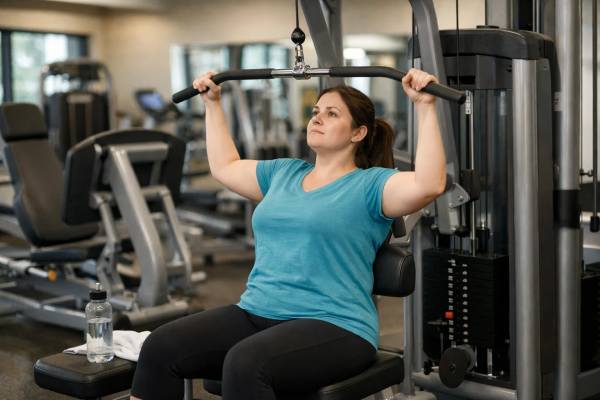
| Lat pulldown | 2 to 3 | 8 to 12 | Pull toward upper chest, not behind the neck |
| Shoulder press machine | 2 | 8 to 10 | Use a pain-free range only |
| Ab machine or cable crunch | 2 | 10 to 15 | Move slowly and stay braced |
| Optional cardio finisher | 1 | 8 to 15 minutes | Moderate treadmill, bike, or elliptical |
This workout covers the major muscle groups without overcomplicating things. It also avoids the common beginner trap of doing endless arm, ab, and inner-thigh machines while skipping the bigger movements that create more overall training value.
A few practical coaching notes make it work better:
Leg press
Place your feet around shoulder width, keep your lower back supported, and lower the sled with control. Depth should be comfortable, not forced.
Seated leg curl
This helps train hamstrings directly, which many beginners otherwise neglect. Use a steady tempo and avoid bouncing.
Chest press
Set the seat so the handles line up roughly with the middle of your chest. Press smoothly, and do not let the shoulders roll forward.
Seated row and lat pulldown
These teach pulling strength and help balance all the pressing people tend to do. Back work is also useful for posture, shoulder health, and general upper-body strength.
Shoulder press
Not every beginner needs this right away, but it is a good addition if it feels comfortable. If overhead pressing bothers you, keep the workout at chest press plus rows and pulldowns until strength and comfort improve.
Core
You do not need a giant ab circuit. A couple of controlled sets at the end are enough.
If you want more calorie burn, add a short cardio block after lifting rather than reducing the strength work itself. For many beginners, the best order is still strength first, then cardio if time allows. That usually helps you lift with better quality and keeps the workout more focused. If you want to compare the order directly, cardio before or after weights for fat loss depends on your priority, but strength first often makes sense when muscle retention matters.
Sample weekly schedule for beginners
The best beginner gym machine workout plan for weight loss is usually done 2 to 3 times per week, not every day. That gives you enough training stimulus to improve while leaving room for recovery, cardio, steps, and the rest of your life.
Here is a simple weekly setup that works well for many beginners.
| Day | Plan |
|---|---|
| Monday | Full-body machine workout |
| Tuesday | Walk or light cardio for 20 to 30 minutes |
| Wednesday | Full-body machine workout |
| Thursday | Easy steps, mobility, or rest |
| Friday | Full-body machine workout or moderate cardio |
| Saturday | Longer walk, bike, or light activity |
| Sunday | Rest |
If three lifting days feels like too much, start with two. Two well-executed full-body sessions per week is enough to make meaningful progress when you are new. After that, you can build toward three.
A few useful weekly guidelines:
- Lift on nonconsecutive days when possible
- Add walking or simple cardio on other days, not all-out conditioning
- Keep at least one easier day each week
- Judge progress by consistency over 4 to 8 weeks, not one perfect week
For fat loss, this setup works well because it combines resistance training with additional daily movement. Many people underestimate how important that second part is. Your formal workouts matter, but so do your steps, movement breaks, and general activity across the day. That is one reason people often do better when gym training is paired with more NEAT and daily movement instead of trying to turn every gym session into a calorie-burning contest.
You should also pair the plan with sensible nutrition. Lifting helps preserve muscle and improve body composition, but it does not remove the need for a calorie deficit. For many readers, the simplest place to start is a calorie deficit for weight loss plus enough protein to support satiety and muscle retention.
A solid beginner target is often:
- 2 to 3 machine workouts per week
- 2 to 4 additional low- to moderate-intensity cardio or walking sessions
- Daily step goals that are realistic for your schedule
- Protein intake high enough to support training
If you want to formalize frequency later, how often to strength train for weight loss and a weekly workout schedule for weight loss can help you expand beyond the starter plan without losing the structure that made it work.
How to progress without overdoing it
The most common reason beginners stall is not lack of effort. It is doing too much too soon, then getting sore, discouraged, or inconsistent. Good progression is much less dramatic than people think.
For the first few weeks, your main job is to repeat the plan and learn the machines well. That alone is progress. Once the routine starts to feel familiar, use small, deliberate increases.
The easiest ways to progress are:
- Add a little weight
- Add one or two reps per set
- Add one set to a key exercise
- Improve control and range of motion
- Reduce unnecessary rest time slightly
- Add a few minutes of cardio at the end
You do not need all of those at once. In fact, you should avoid changing everything at once.
A simple progression rule works well:
- If you hit the top of your rep range on all sets with good form, increase the weight slightly next session
- If form breaks down early, keep the same weight until the reps feel cleaner
- If recovery is poor, hold steady for a week before progressing again
Here is an example with the leg press:
- Week 1: 3 sets of 10
- Week 2: 3 sets of 11
- Week 3: 3 sets of 12
- Week 4: Increase the weight slightly and go back to 8 to 10 reps
That is progressive overload in a beginner-friendly form. It is not flashy, but it works.
You should also expect your fat-loss progress and your gym progress to move at slightly different speeds. The scale may fluctuate. Strength may go up even when body weight does not change much at first. That is normal. Early on, you are learning movements, improving coordination, and building confidence as much as building fitness.
A useful mindset shift is to track more than body weight. Also watch:
- Workout attendance
- Weights or reps completed
- Energy levels
- Recovery
- Waist measurements or clothing fit
This matters because fat loss is not always linear, especially once the first burst of motivation wears off. One of the best ways to stay on track is to treat the plan like practice, not punishment. If your machine workout is improving, that is a real sign of progress.
For a deeper look at building strength while dieting, progressive overload while losing weight and protein intake for weight loss work together especially well. More strength stimulus plus enough protein usually gives you a better chance of keeping muscle while losing fat.
Common mistakes and safety tips
A beginner machine workout should feel challenging, but it should also feel controlled. Most problems come from rushing, copying what more advanced lifters are doing, or treating the machines like a random circuit instead of a plan.
Here are the most common mistakes.
Using too much weight too early
This is the fastest way to turn a useful workout into poor form and sore joints. Start lighter than your ego wants, especially in week one.
Doing too many exercises
More machines does not mean more results. A focused 6- to 8-exercise session is usually better than bouncing through 14 machines with low effort and no plan.
Ignoring setup
Seat height, pad position, and range of motion matter. If the machine feels awkward, take a minute to adjust it. Good setup improves comfort and reduces wasted reps.
Turning strength training into nonstop cardio
Short rests are fine, but if you rush so much that every set becomes sloppy, the workout loses quality. Weight loss training still benefits from properly loaded sets.
Skipping the lower body
Some beginners avoid leg machines because they look intimidating or leave the legs tired. But lower-body work is a major part of a good full-body plan.
Chasing soreness instead of progress
Soreness is not the goal. Better movement, slightly higher loads, more reps, and consistent attendance are better signs that the plan is working.
A few safety tips help a lot:
- Warm up for at least 5 minutes before the first working set
- Use a full but comfortable range of motion
- Breathe steadily instead of holding your breath on every rep
- Stop if you feel sharp pain, dizziness, or unusual discomfort
- Ask gym staff for a machine setup check if something feels wrong
If you are nervous about starting, remember that beginner-friendly machine training is supposed to feel learnable. You do not need to “earn” the right to use the machines by already being fit. You start there to get fitter.
Finally, remember that your workouts are only one part of the result. Good nutrition, enough sleep, and basic consistency still matter more than perfect exercise selection. A great machine plan cannot fully compensate for eating habits that constantly erase your deficit, but it can make the whole process more structured and more sustainable. That is what makes it valuable.
References
- WHO guidelines on physical activity and sedentary behaviour 2020 (Guideline)
- Exercise training in the management of overweight and obesity in adults: Synthesis of the evidence and recommendations from the European Association for the Study of Obesity Physical Activity Working Group 2021 (Review)
- Effect of exercise training on weight loss, body composition changes and weight maintenance in adults with overweight or obesity: An overview of 12 systematic reviews and 149 studies 2021 (Systematic Review Overview)
- Resistance training effectiveness on body composition and body weight outcomes in individuals with overweight and obesity across the lifespan: A systematic review and meta-analysis 2022 (Systematic Review)
- 2024 Adult Compendium of Physical Activities: A third update of the energy costs of human activities 2024 (Review)
Disclaimer
This article is for general educational purposes only and is not a substitute for medical advice, diagnosis, or treatment. If you have significant joint pain, dizziness, uncontrolled blood pressure, recent surgery, or a medical condition that affects exercise safety, talk with a qualified clinician before starting a new gym program.
If this article helped you, please share it on Facebook, X, or your preferred platform so someone else can start a simpler and more effective beginner gym routine.