
Core Training While Losing Weight: Strength, Not Spot Reduction
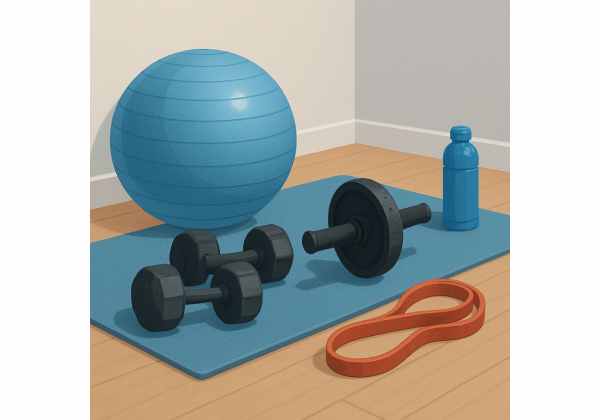
People often turn to core workouts when they want a leaner waist, flatter stomach, or more visible abs. That makes sense on the surface:...
Cycling for Weight Loss Indoor and Outdoor Training Plan
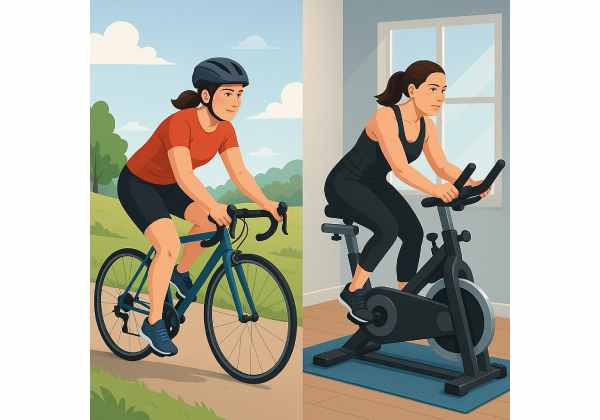
Cycling can be one of the most effective forms of cardio for weight loss because it lets you do meaningful work without the joint...
Dumbbell Workout for Weight Loss at Home (Full-Body Program)
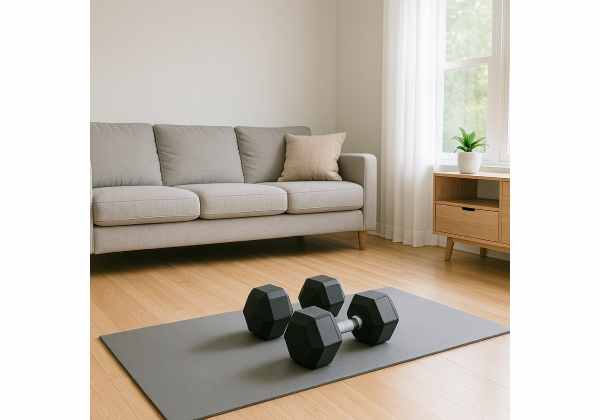
A pair of dumbbells can do more for weight loss than many people expect. They do not just “tone” muscles or add a little...
Elliptical Workouts for Weight Loss: Low-Impact Intervals
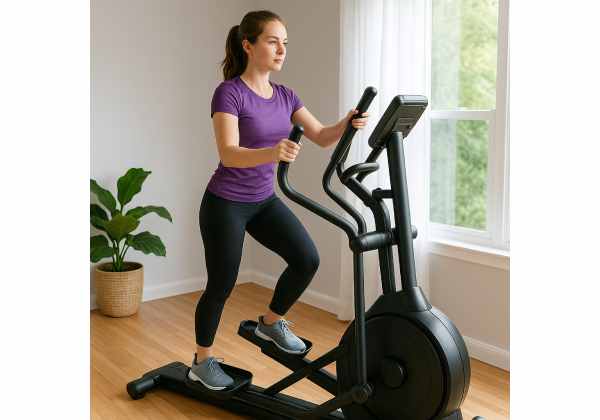
The elliptical often gets treated like the polite cardio machine in the corner: useful, gentle, and a little forgettable. That reputation misses the point....
Fasted Cardio for Weight Loss: Pros, Cons and Who It Suits
Fasted cardio usually means doing aerobic exercise after an overnight fast, often first thing in the morning before breakfast. It is popular because it...
Glute and Leg Workouts for Weight Loss: Keep Muscle, Burn Calories
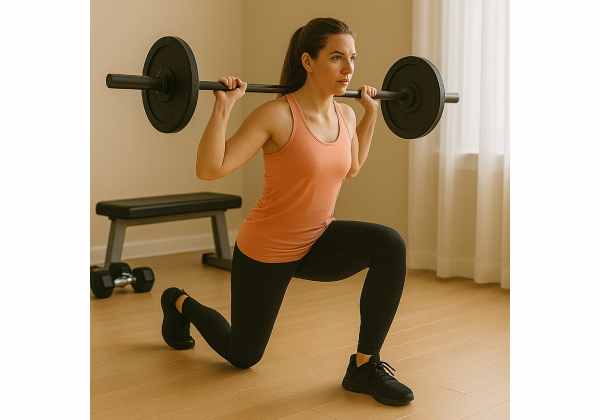
When people start exercising for weight loss, lower-body training often gets misunderstood. Some avoid it because leg day feels hard. Others turn every glute...
HIIT vs. Steady-State Cardio for Fat Loss: What Works Best?
If your goal is fat loss, both HIIT and steady-state cardio can help. The better choice is usually not the one that looks hardest...
How Many Rest Days Per Week for Weight Loss? Programming Guide
Rest days often get framed as a break from progress, as if the real work only happens when you are sweating, lifting, or chasing...
Kettlebell Workouts for Fat Loss: Beginner to Intermediate
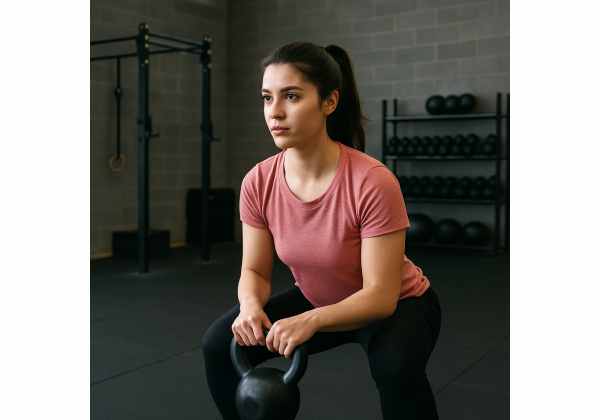
Kettlebells can make fat-loss training feel more efficient without turning every workout into a long cardio session. One bell lets you combine strength work,...
Low-Impact Cardio for Bad Knees: Joint-Friendly Options
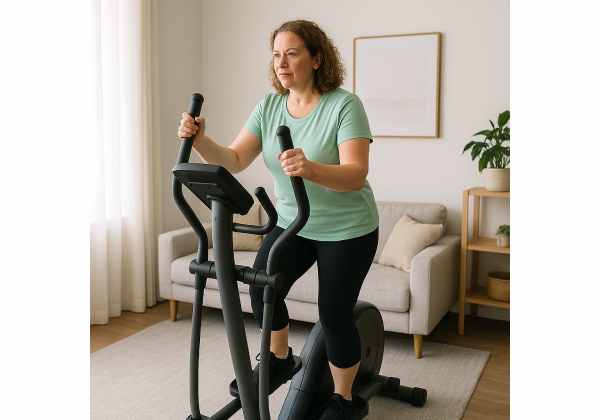
When your knees hurt, even basic cardio can start to feel like a bad trade. You want the calorie burn, the fitness boost, and...
Morning vs. Evening Workouts for Weight Loss: What’s Better?
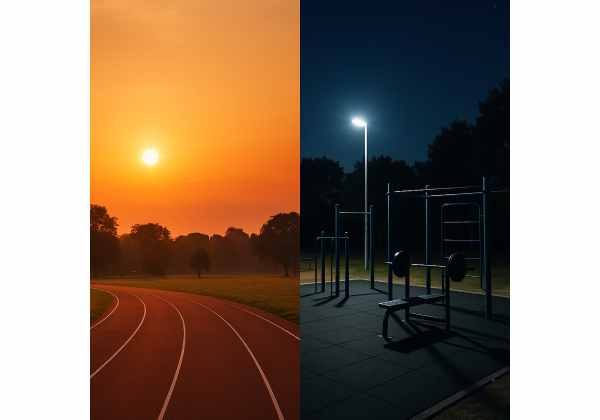
For weight loss, the best workout time is usually the one you can do consistently, recover from, and fit into real life without constant...
NEAT: Burn More Calories Without “Working Out”
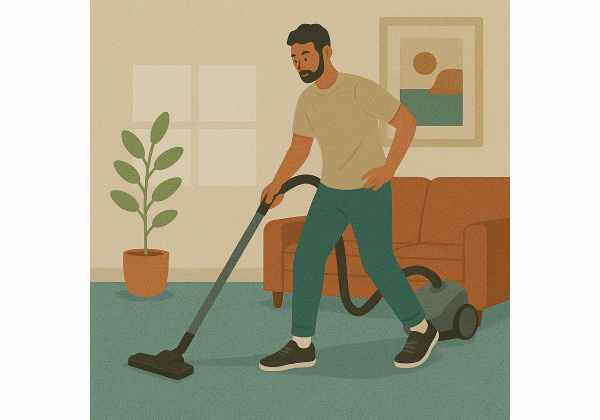
Most people think weight loss activity has to look like a workout: a gym session, a run, a spin class, or a sweaty interval...
Office and Desk Job Movement Plan: Steps, Breaks and Micro-Workouts
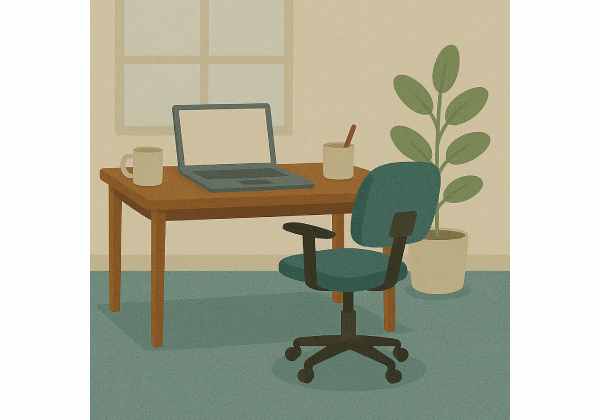
A desk job can make a day feel oddly tiring even when you have barely moved. Hours disappear in email, meetings, deadlines, and screen...
Pilates for Weight Loss: Does It Help? Programs and Progressions
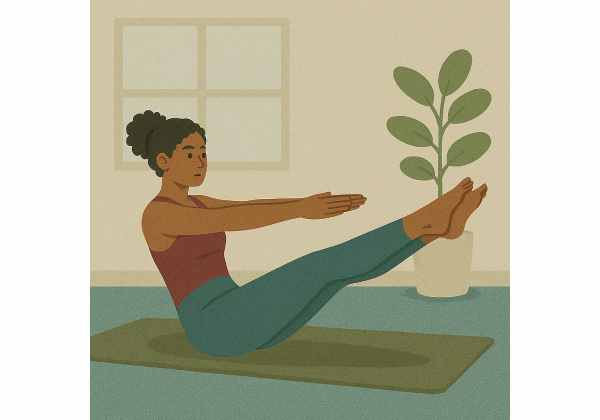
Pilates has a reputation for improving posture, control, and core strength, but people often ask a more direct question: can it actually help with...
Resistance Bands Workout for Weight Loss (30-Minute Plan)
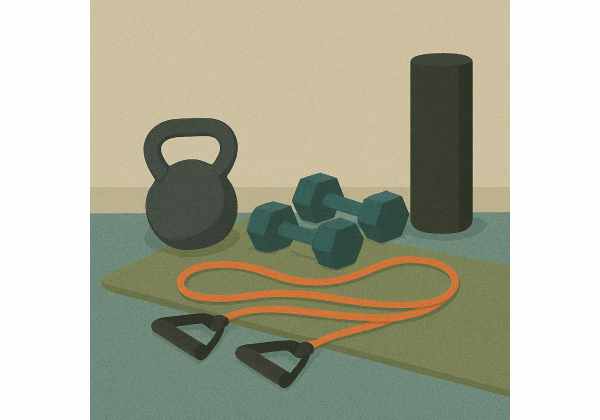
Resistance bands are one of the easiest ways to build a weight-loss workout that feels practical instead of complicated. They are light, inexpensive, easy...
Rowing for Weight Loss: Technique, Intervals and Progression
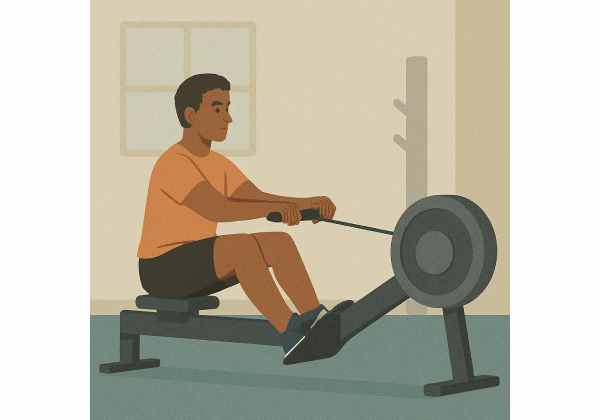
A rowing machine can look deceptively simple: strap in, pull, repeat. But when it is used well, it becomes one of the most efficient...
Running for Weight Loss: Beginner Plan + Injury Prevention
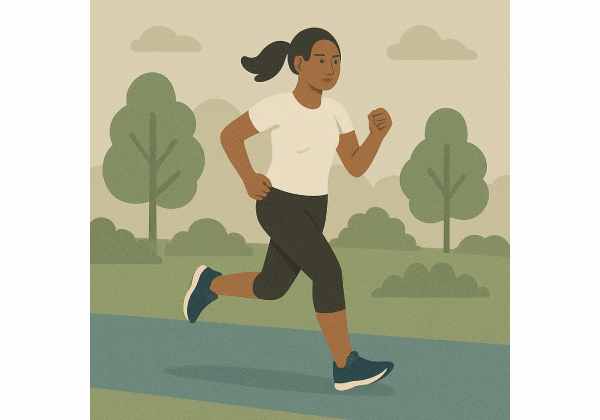
Running can help with weight loss, but it works best when you treat it as a skill and a habit, not a punishment. A...
Strength Training for Weight Loss: 3-Day Beginner Plan
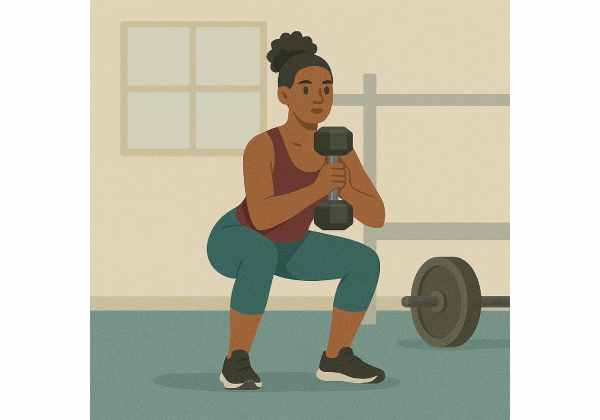
Many people start exercising for weight loss by looking for the workout that burns the most calories in the moment. That usually leads them...
Swimming for Weight Loss: Sets, Drills and Weekly Plan
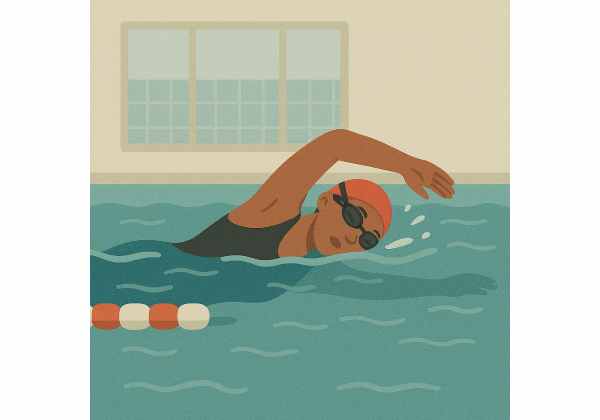
Swimming can be an excellent tool for weight loss, but it works best when you treat it like real training rather than casual time...
Treadmill Walking for Weight Loss: Incline and Interval Guide
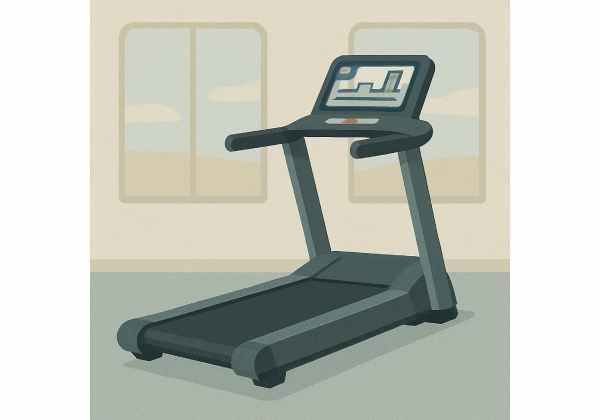
Treadmill walking can absolutely help with weight loss, but the best results usually come from using it with purpose rather than just logging random...