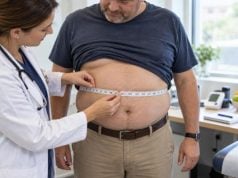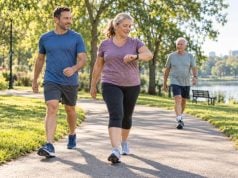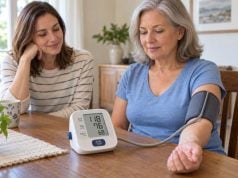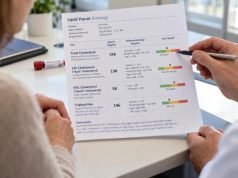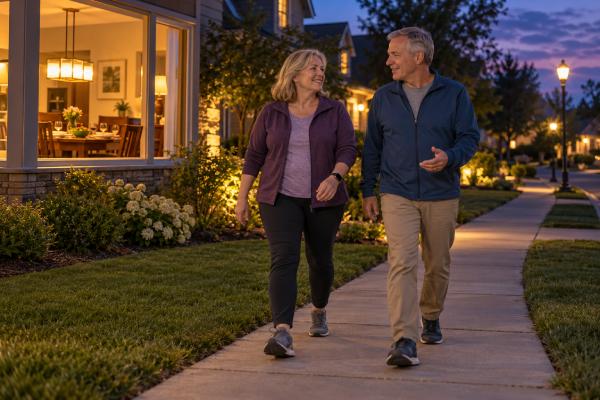
A short walk after dinner can be one of the simplest ways to improve the way your body handles the evening meal. Research on post-meal exercise consistently shows that walking soon after eating can reduce the rise in blood glucose compared with remaining seated, and the benefit may be especially useful after a carbohydrate-heavy dinner or for people with insulin resistance or type 2 diabetes. An easy evening walk also adds daily physical activity, interrupts prolonged sitting, and can support blood pressure, fitness, and long-term heart health when it becomes a regular habit. Sleep is more individual: moderate evening exercise generally does not appear to harm sleep and may help some people unwind, but vigorous exercise ending close to bedtime can make sleep more difficult for certain people. You do not need a long or intense session. For many adults, 10 to 20 minutes at a comfortable-to-brisk pace soon after dinner is a practical starting point, provided it is safe for their medical condition and medications.
Table of Contents
- Why Walking After Dinner Helps
- Blood Sugar Benefits
- Sleep and Evening Exercise
- Heart and Metabolic Benefits
- How Long and How Fast to Walk
- Special Situations and Safety
- How to Make It a Lasting Habit
Why Walking After Dinner Helps
After a meal, carbohydrates are digested into glucose and absorbed into the bloodstream. The pancreas releases insulin, which helps move glucose into muscle and other tissues. Sitting still leaves most glucose disposal dependent on insulin. Walking changes that equation because contracting leg muscles can take up more glucose during activity.
That is why timing matters. Research comparing exercise before and after meals generally finds that activity performed soon after eating has a stronger acute effect on the post-meal glucose rise than the same exercise performed before the meal or much later.
Dinner is a particularly useful time for this habit because many people eat their largest meal in the evening and then sit for several hours. A walk replaces part of that sedentary period with muscle activity precisely when blood glucose and triglyceride-rich particles are beginning to rise.
The effect is not a “detox” and does not erase an unhealthy meal. It is a normal metabolic response to muscle contraction. A short walk works best as one layer of an overall heart-supportive routine that also includes a healthy eating pattern, enough sleep, strength training, and adequate weekly aerobic activity.
You do not need to wait for digestion to finish
A common belief says you should sit for 30 to 60 minutes after eating before moving. For gentle walking, that is usually unnecessary. In fact, studies suggest that starting relatively soon after a meal can be more effective for reducing the glucose peak.
The practical exception is comfort. If you had a very large meal, have reflux, feel nauseated, or tend to cramp when active immediately after eating, an easy 10- to 20-minute delay may feel better. The goal is not to force a perfect timing window; it is to replace prolonged sitting with manageable movement.
Blood Sugar Benefits
Post-meal walking has its clearest evidence for glucose control. A 2023 systematic review and meta-analysis found that exercise after meals reduced postprandial glucose excursions more than exercise before eating or no exercise. The benefit tended to be greater when the activity began sooner after the meal.
Other trials show that even a short walk can help. Ten-minute walks after meals have reduced post-meal glucose exposure in people with type 2 diabetes, and newer controlled studies in healthy adults also show that brief walking immediately after a glucose load can reduce the two-hour glucose response.
Why the evening meal may be a high-value target
People are often less active after dinner than after breakfast or lunch. Insulin sensitivity also follows daily rhythms and can be lower later in the day for many people. If dinner is large or rich in refined carbohydrates, the combination can produce a substantial glucose excursion.
In a well-known crossover trial in adults with type 2 diabetes, three 10-minute walks after the main meals improved postprandial glycemia more than one 30-minute walk performed at an unspecified time. The improvement was especially strong after the evening meal.
That does not mean everyone needs a glucose monitor. For most people, the evidence supports the habit without requiring continuous glucose tracking. If you have diabetes, glucose data can help personalize timing, but medication safety matters more than chasing a perfectly flat curve.
For a broader explanation of why repeated glucose exposure matters, see blood sugar control and heart risk.
How much can a walk change glucose?
The effect varies with meal size, carbohydrate content, walking intensity, fitness, insulin sensitivity, and medication use. A brisk 15-minute walk after a large pasta dinner may have a different effect from an easy 10-minute stroll after a low-carbohydrate meal.
Do not treat the habit as permission to eat unlimited refined carbohydrate. The best results come from combining movement with meals that include fiber, protein, minimally processed carbohydrates, and unsaturated fats.
Meal size and carbohydrate quality still matter
Walking changes the glucose response; it does not make every dinner metabolically equivalent. A large meal built around refined starch, sugary drinks, and dessert can produce a larger glucose rise than a meal with vegetables, intact whole grains or legumes, protein, and unsaturated fat. Starting with a balanced dinner can reduce the size of the challenge, while walking gives your muscles another way to dispose of circulating glucose.
That combination is more useful than trying to use exercise as a correction after overeating. If you routinely see high post-meal readings despite reasonable portions and regular walking, discuss the pattern with your clinician rather than simply walking harder. Persistent post-meal hyperglycemia may signal that medication, meal composition, or overall diabetes management needs attention.
For people without diabetes, the goal is not to eliminate every normal rise in glucose. Glucose is supposed to increase after eating. The practical target is a healthy pattern over time: sensible meals, regular movement, a healthy waist, adequate sleep, and appropriate screening for blood pressure, cholesterol, and diabetes risk.
Sleep and Evening Exercise
The idea that any evening exercise ruins sleep is too broad. Research in healthy adults generally finds that moderate evening exercise does not worsen sleep and may improve some sleep measures. Problems are more likely when exercise is very vigorous, raises body temperature substantially, and ends close to bedtime.
A post-dinner walk is usually far below that intensity. It may help by creating a transition between the workday and bedtime, reducing screen time, lowering stress, and adding a predictable wind-down routine.
Keep the pace moderate if bedtime is close
If you plan to sleep within an hour, use a conversational pace. You should feel warmer and breathe a little faster, but not be gasping. Save hard hill repeats, sprints, or intense interval sessions for earlier unless you already know they do not disturb your sleep.
People vary. One person can perform hard exercise at 9 p.m. and sleep normally; another may feel alert for hours afterward. If your sleep becomes worse after evening exercise, move the harder session earlier and keep the post-dinner walk easy.
Good sleep itself supports cardiovascular health. Poor sleep can worsen blood pressure, appetite, glucose regulation, and recovery. If sleep is a major concern, combine an evening walk with other sleep habits that support heart health rather than treating exercise timing as the only variable.
What about reflux?
Gentle walking after dinner may feel better than lying down immediately after a meal. However, brisk walking, bending, or hills can aggravate reflux in some people. If reflux is common, keep dinner portions moderate, avoid lying flat soon after eating, and choose an easy route.
Persistent reflux, swallowing difficulty, unexplained weight loss, vomiting blood, or black stools requires medical evaluation.
Heart and Metabolic Benefits
One short walk does not transform cardiovascular risk, but a daily after-dinner habit can accumulate into a meaningful amount of weekly activity.
A 15-minute walk seven nights per week adds 105 minutes of movement. Add daytime walking or a few longer sessions and you can approach the common goal of at least 150 minutes of moderate-intensity aerobic activity per week.
Regular walking supports the heart in several ways:
- Improves cardiorespiratory fitness.
- Helps lower resting and ambulatory blood pressure over time.
- Improves insulin sensitivity.
- Supports weight and waist management.
- Reduces prolonged sedentary time.
- Can improve triglyceride metabolism as part of regular exercise.
- Supports mood and stress regulation.
Post-meal activity is especially useful because it targets a period of metabolic stress. Blood glucose, insulin, and triglyceride-rich lipoproteins rise after eating, particularly after large meals. Exercise changes how muscles use fuel and can improve clearance of some of these circulating nutrients.
The triglyceride effect is less immediate and less predictable than the glucose effect. Research on postprandial lipemia suggests that exercise performed earlier in the day or the day before a high-fat meal can reduce the triglyceride response, often depending on total exercise energy expenditure. A gentle 10-minute dinner walk should therefore be viewed as supportive, not as a treatment for high triglycerides.
If fasting triglycerides are elevated, food quality, alcohol, body weight, diabetes control, and total weekly exercise are more important. See diet changes that lower triglycerides for the bigger picture.
How Long and How Fast to Walk
There is no single perfect prescription. The best walk is long enough to activate the muscles and practical enough to repeat most days.
For many adults, a useful starting range is 10 to 20 minutes after dinner. If you are already fit and want more weekly activity, 20 to 30 minutes is reasonable. If ten continuous minutes is difficult, start with five minutes and build gradually.
Use the talk test for pace
For a general heart-health walk, aim for an easy-to-moderate or brisk pace. At moderate intensity:
- Breathing is faster than at rest.
- You feel warm.
- You can talk in sentences but would not want to sing.
For blood glucose, even light walking can be helpful compared with sitting. You do not need to reach a precise heart rate for the metabolic benefit.
A simple after-dinner routine
- Finish dinner and clear the table.
- Put on comfortable shoes and start within about 10 to 30 minutes if that feels good.
- Walk easily for the first 2 to 3 minutes.
- Settle into a purposeful pace for 8 to 15 minutes.
- Slow down for the final minute if needed.
You can make the walk longer, but consistency matters more than maximizing duration every night.
If weather, safety, or darkness is a barrier, walk indoors, use a treadmill, climb a few flights of stairs slowly, march in place, or take repeated laps through a building. The physiological goal is muscle contraction, not a specific outdoor route.
For broader weekly planning, walking for heart health can help you balance duration and pace.
Special Situations and Safety
Walking is generally low risk, but certain conditions require more planning.
Diabetes and glucose-lowering medication
If you use insulin or a sulfonylurea, exercise after dinner can increase the risk of hypoglycemia. The risk depends on medication timing, meal carbohydrate, exercise duration and intensity, and your usual glucose patterns.
Do not make medication changes on your own. Ask your diabetes clinician how to handle post-meal exercise, especially if you have had low glucose during or after activity. Carry fast-acting carbohydrate when appropriate and know your personal symptoms of hypoglycemia.
People with type 1 diabetes may need more individualized insulin and carbohydrate adjustments because post-meal and evening exercise can affect glucose for hours afterward.
Heart disease
If you have stable cardiovascular disease and have been cleared for walking, an easy after-dinner walk can be an excellent habit. But stop and seek medical advice for chest pressure, faintness, unusual shortness of breath, or a new sustained irregular heartbeat.
New chest pain, severe breathlessness, or symptoms suggestive of a heart attack or stroke require emergency care.
Orthostatic symptoms and blood-pressure medication
Some people feel lightheaded when they stand after a meal because blood flow shifts toward digestion and blood pressure falls. This can be more noticeable in older adults or people taking blood-pressure medication.
Stand slowly, begin at an easy pace, stay hydrated, and use a safe route. If near-fainting or recurrent dizziness occurs, discuss it with a clinician.
Joint pain or limited mobility
A post-meal activity does not have to be walking. A recumbent bike, gentle seated stepping, light household movement, or another low-impact activity can still interrupt sitting and activate large muscles.
How to Make It a Lasting Habit
The main advantage of an after-dinner walk is how easily it can attach to an existing routine. Dinner already happens every day, so it provides a strong cue.
Use simple habit design:
- Keep walking shoes near the dining area or door.
- Decide the route before dinner.
- Start with a duration that feels almost too easy.
- Walk with a partner, family member, or dog when possible.
- Use a podcast or audiobook only if it makes the walk more enjoyable and the route remains safe.
- Have an indoor backup for bad weather.
Do not turn a missed night into a failed program. Resume at the next meal or the next day.
You can also use the habit flexibly. If dinner is late and bedtime is near, take a 5- to 10-minute easy walk. If dinner is early, walk longer. If you already completed a hard workout, keep the evening walk relaxed and treat it as light recovery.
Build the habit around the week, not one perfect night
The cardiovascular payoff comes from accumulated activity. If you walk 15 minutes after dinner on five days, that is 75 minutes of movement you would otherwise have spent sitting. A weekend hike, two strength sessions, or a few daytime brisk walks can then fill out the rest of your weekly activity target. This makes the dinner walk especially useful for people who struggle to find a single 30- or 45-minute exercise block.
Progress can be gradual. Start with 10 minutes most nights for two weeks. Then add five minutes to a few walks, choose a slightly faster pace, or include a gentle hill if joints and cardiovascular symptoms allow. You do not need to increase every variable at once. A repeatable routine that leaves you feeling good is more valuable than an ambitious plan that disappears after a week.
Track the behavior that matters most: how many evenings you walked, not how many calories a watch says you burned. Wearable calorie estimates are imprecise, and a small post-dinner walk does not need to “earn” your food. Its purpose is to reduce sedentary time, use the meal’s fuel, and make regular movement automatic.
The biggest mistake is assuming the walk must be intense to count. The glucose benefit comes from moving active muscle soon after food intake, and the long-term heart benefit comes from repeating physical activity over weeks, months, and years.
A simple 10- to 20-minute walk after dinner will not replace medical treatment or a healthy diet, but it is one of the rare habits that is low-cost, time-efficient, and supported by a useful physiological rationale. For many people, it is an easy place to start building a more active evening and a healthier cardiovascular routine.
References
- After Dinner Rest a While, After Supper Walk a Mile? A Systematic Review with Meta-analysis on the Acute Postprandial Glycemic Response to Exercise Before and After Meal Ingestion in Healthy Subjects and Patients with Impaired Glucose Tolerance 2023 (Systematic Review)
- The Effects of Postprandial Walking on the Glucose Response after Meals with Different Characteristics 2022 (RCT)
- The effect of preprandial versus postprandial physical activity on glycaemia: Meta-analysis of human intervention studies 2024 (Systematic Review)
- The effect of timing of physical exercise on glycemia: a systematic review and meta-analysis of human intervention studies 2026 (Systematic Review)
- Effects of evening exercise on anthropometric indices, metabolic profiles, and sleep health: a systematic review and meta-analysis 2025 (Systematic Review)
- Effects of Evening Exercise on Sleep in Healthy Participants: A Systematic Review and Meta-Analysis 2019 (Systematic Review)
Disclaimer
This article is for general education and is not a substitute for personalized medical or exercise advice. If you use insulin or other medications that can cause hypoglycemia, ask your diabetes clinician how post-meal exercise affects your treatment plan. Stop walking and seek urgent care for chest pain, fainting, severe shortness of breath, or stroke-like symptoms.