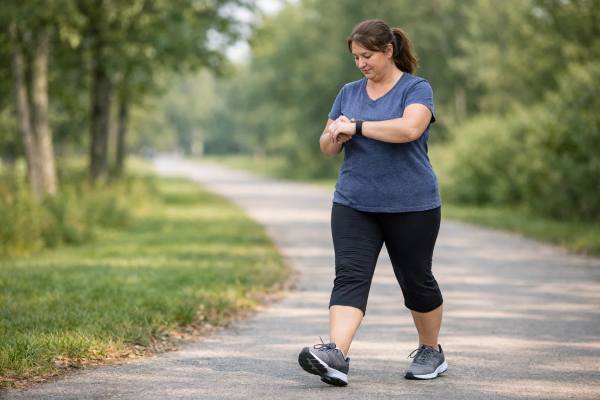
Walking can absolutely support weight loss, but there is no single magic step number that works for everyone. For many adults, a practical target often lands somewhere around 7,000 to 10,000 steps per day, but the better answer depends on your current baseline, how much you sit, what you eat, and whether you also do strength training or other exercise.
The most useful way to think about steps is not as a gimmick or a daily pass-fail test, but as a simple way to raise total daily movement. That matters because fat loss comes from a calorie deficit, and walking is one of the easiest ways to increase energy expenditure without making recovery much harder. Below, you will find how many steps tend to help, how to set a realistic target, how pace changes the equation, and how to build a walking plan that actually leads to results.
Table of Contents
- How Many Steps for Weight Loss?
- Set a Step Goal That Fits You
- Pace, Time and Calories
- Make Walking Work Better for Fat Loss
- Best Step Targets for Common Situations
- Mistakes That Slow Walking Results
- A Simple 4-Week Step Plan
- When to Do More Than Walk
How Many Steps for Weight Loss?
If you want the direct answer, here it is: walking for weight loss usually works best when you treat steps as a range, not a fixed rule. For many people, 7,000 to 10,000 steps per day is a strong target. Some will lose weight below that. Others will need 10,000 or more before they notice a clear difference, especially if they are short, very efficient walkers, or already fairly active.
That is why the common 10,000-step target is useful, but not magical. It is a clean benchmark, not a biological threshold. If you currently average 3,000 to 4,000 steps a day, moving to 6,000 or 7,000 can be a major improvement. If you already average 8,500, pushing to 10,000 might help. If you sit most of the day outside your walks, you may need a higher total than someone whose job keeps them moving.
What steps really do is raise total daily energy expenditure. They also improve consistency. Walking is easier to repeat than harder forms of cardio, and that matters more than a single impressive workout. A modest daily walk done for six months usually beats an ambitious routine done for ten days.
A simple way to think about it is this:
- Under 5,000 steps per day usually means you have a lot of room to improve.
- Around 6,000 to 8,000 steps can already support fat loss if your food intake is aligned.
- Around 8,000 to 10,000 steps is a solid target for many adults.
- Around 10,000 to 12,000 steps can be helpful when fat loss has stalled or when you are otherwise sedentary.
That does not mean more is always better. At some point, time, hunger, fatigue, and schedule become limiting factors. Walking should make your plan easier to sustain, not turn into another thing you dread.
If you want a closer look at the classic benchmark, see 10,000 steps for weight loss. For the bigger picture of where walking fits into a full plan, how much exercise you need to lose weight gives more context.
Set a Step Goal That Fits You
The best step goal is based on your current average, not on somebody else’s highlight reel. Before choosing a target, track your normal movement for five to seven days. Use your phone, watch, or fitness tracker, and do not change anything yet. You need a real baseline.
Once you know your average, add a manageable amount. For most people, an extra 1,000 to 2,000 steps per day is a smart first move. That is big enough to matter but small enough to keep.
| Current average | Next target | Why it works |
|---|---|---|
| Below 4,000 steps | 5,000 to 6,000 steps | Builds momentum without a huge jump in fatigue or soreness. |
| 4,000 to 6,000 steps | 6,000 to 8,000 steps | Often enough to noticeably raise daily activity and support a calorie deficit. |
| 6,000 to 8,000 steps | 8,000 to 10,000 steps | A strong range for many adults trying to lose fat. |
| 8,000 to 10,000 steps | 10,000 to 12,000 steps if needed | Useful when progress is slow and recovery, schedule, and hunger are still under control. |
A weekly average is usually more useful than obsessing over one day. You do not need to hit the same number every single day. A person who walks 11,000 steps on weekdays and 6,000 on weekends can still have a very strong weekly average. Consistency over months matters more than perfection on Tuesday.
It also helps to separate your goal into smaller blocks. Trying to “find time for 9,000 steps” can feel overwhelming. Trying to add three 10-minute walks feels much easier. Steps accumulate faster than people expect when they stop treating walking like an all-or-nothing workout.
Good ways to make steps more automatic include:
- a 10-minute walk after lunch
- a second short walk after dinner
- walking during phone calls
- parking farther away on purpose
- taking the long route in office buildings or stores
- using a short evening walk as part of your wind-down routine
If busy days are your biggest problem, step habits for busy days can help you make daily movement feel less fragile.
Pace, Time and Calories
Step count is useful, but it does not tell the whole story. The same 8,000 steps can mean a slow day of errands, a brisk neighborhood walk, or a hilly treadmill session. Pace, terrain, body size, fitness level, and stride length all affect how demanding the walk feels and how many calories you burn.
That said, steps are still a practical tool because they capture total movement. You do not need laboratory precision to make progress. You just need a repeatable way to move more than you were moving before.
For many adults, 1,000 steps takes roughly 8 to 12 minutes. That means 10,000 steps may take about 80 to 120 minutes total, but that time does not have to happen in one block. A few short walks, normal errands, and general movement can account for a large portion of the total.
| Added steps | Easy pace | Brisk pace |
|---|---|---|
| 1,000 steps | 10 to 12 minutes | 8 to 10 minutes |
| 2,000 steps | 20 to 25 minutes | 16 to 20 minutes |
| 4,000 steps | 40 to 50 minutes | 32 to 40 minutes |
Brisk walking usually helps more than very slow strolling because it increases energy expenditure per minute and improves fitness. A practical definition of brisk pace is a speed where you can still talk, but not comfortably sing. You are breathing harder, but you are still in control.
This does not mean every walk has to be fast. Easy walking still counts. In fact, easy walking is often what makes a higher daily total sustainable. A good setup for many people is a combination of:
- easy steps throughout the day
- one brisk 15- to 30-minute walk most days
- occasional hills, incline, or longer weekend walks
If weather, safety, or schedule makes outdoor walking harder, treadmill walking for weight loss is an effective backup.
Make Walking Work Better for Fat Loss
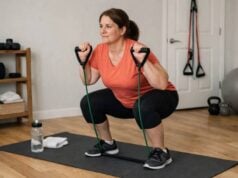
Walking helps with weight loss, but walking alone does not override everything else. The best results come when steps are combined with a diet that keeps you in a realistic calorie deficit, enough protein to preserve lean mass, and some form of resistance training to tell your body to hold onto muscle while you lose fat.
That is the real advantage of walking. It is easier to add than it is to recover from. A hard exercise program can burn more calories in a short time, but it can also drive up fatigue, soreness, or appetite. Walking is often the sweet spot: high enough to matter, low enough to repeat.
To make your steps more effective, focus on four basics:
- Keep food intake aligned with your goal. You cannot reliably outwalk a large calorie surplus.
- Hit a daily protein target that supports fullness and muscle retention.
- Add two or three weekly strength sessions if you can.
- Use walking to increase total daily movement, not just “workout calories.”
If you need help tightening the nutrition side, calorie deficit steps covers the basics. If hunger is a problem, protein intake for weight loss is one of the most useful places to start.
Walking timing can help too. A short walk after meals can make it easier to control the day’s total movement, and many people find that evening walks reduce snacking simply because they interrupt the usual cue to sit, scroll, and eat. In that sense, walking is not only about calories burned. It can also help your routine, stress level, and eating environment.
One more point matters here: do not eat back all your “exercise calories.” Watches and apps often overestimate them, and many people unconsciously reward themselves after a good walking day. That is one reason walking sometimes “does not work” even when step counts are high. The movement is real. The calorie deficit is what disappeared.
Best Step Targets for Common Situations
The right step goal depends on your starting point and life setup. A college student walking across campus and a remote worker at a desk may need very different targets to get the same effect.
Starting from very low activity
If you are averaging under 4,000 steps, do not jump straight to 10,000. Aim first for 5,000 to 6,000 and make that feel normal. That alone can be a meaningful shift in energy expenditure, circulation, mood, and stamina.
Desk job and low daily movement
If you sit most of the day, your step goal may need to be more intentional. Many office workers do better with a two-part target: movement breaks during the day and a total daily step goal at the end. In practice, 7,000 to 10,000 steps is often a useful zone because it offsets at least some of the inactivity that comes with desk work. Office and desk job movement plans can help if your workday keeps swallowing your steps.
Already exercising a few times per week
If you already do gym workouts, running, cycling, or classes, you may not need a huge step number. In that case, 7,000 to 9,000 steps may already support fat loss well. The key is whether your total daily movement stays decent on non-workout time. Some people do a hard workout, then sit the rest of the day and end up less active overall than they think.
Higher body weight or reduced fitness
Walking can be excellent here because it is simple and scalable, but volume should build gradually. Shorter walks done more often are usually better than one exhausting session. Focus on reducing friction: supportive shoes, flatter routes, realistic targets, and enough rest.
Older adults or people with limited mobility
Do not chase a trendy number. Improve from your own baseline. A smaller increase done safely and consistently is better than a target that leads to pain, fear, or quitting.
In all of these cases, the best goal is the one you can repeat next week, not just today.
Mistakes That Slow Walking Results
Walking is simple, but people still make predictable mistakes with it.
The first is treating one walk as a substitute for a generally active day. You can go for a 35-minute walk in the morning, then spend the next twelve hours sitting. That is still better than no walk, but it is not the same as a day with steady movement. This is where NEAT and daily movement matter. Small bouts of movement throughout the day often add more than people realize.
The second mistake is increasing steps too aggressively. A big jump can cause sore feet, irritated knees, shin discomfort, or a level of fatigue that makes the plan feel miserable. The right increase is one you barely argue with.
The third mistake is assuming your tracker’s calorie number is precise. It is not. Let step count guide behavior, not permission to overeat.
The fourth is walking only on “good” days. Weekend hero walks do not fully make up for five extremely inactive weekdays. A steady weekly average is usually more powerful than big spikes.
The fifth is ignoring the non-calorie benefits of walking. A short walk can reduce stress, break up emotional eating patterns, and create separation between work and evening snacking. Those benefits are harder to measure, but they often make the difference between a plan you can live with and one you keep abandoning.
Finally, many people give up too early. Walking usually produces gradual, quieter progress than flashy workouts. It may show up first as easier appetite control, better stamina, less puffing on stairs, or a more reliable calorie deficit before it shows up as a dramatic scale drop.
A Simple 4-Week Step Plan
If you want a practical starting point, this four-week approach works well for many beginners and returners.
- Week 1: Find your baseline and add a little.
Track your normal steps for several days, then aim for about 1,000 more per day than your average. Keep the increase small enough that it feels almost easy. - Week 2: Lock in a repeatable pattern.
Keep the same target or add another 500 to 1,000 steps if week 1 went smoothly. Put at least one walk on your calendar instead of relying on motivation. A post-lunch or post-dinner walk is usually the easiest anchor. - Week 3: Add one brisk block.
Keep your total steps steady, but turn one daily walk into a brisk 15- to 20-minute effort on three or four days of the week. This improves fitness without forcing a huge jump in volume. - Week 4: Raise your weekly average.
If recovery is good, add another 500 to 1,000 daily steps or add one longer walk on the weekend. If recovery is not good, hold the target and focus on consistency instead.
A few rules make this plan work better:
- Missed one day does not matter. Resume the next day.
- Foot soreness is feedback, not failure. Adjust shoes, route, or volume.
- Step goals should fit real life. Busy seasons may call for smaller targets.
- Keep your eye on weekly averages and weight trends, not one unusually high or low day.
This kind of gradual build is less exciting than a “30 days to 15,000 steps” challenge, but it is far more likely to survive your normal schedule.
When to Do More Than Walk
Walking is a strong foundation, but sometimes it stops being enough by itself.
If you have been consistently hitting your step goal for three to four weeks and your scale trend, waist measurement, or clothing fit is not improving, check the basics first. Food intake is the biggest one. Step counts can rise while calorie intake quietly rises with them.
After that, the next move is usually one of these:
- increase your daily average by 1,000 to 2,000 steps
- add a brisk pace block or incline
- add two or three strength sessions per week
- improve sleep and stress management
- judge progress using a trend, not one weigh-in
Strength training is especially useful because it helps preserve lean mass while dieting. A simple 3-day strength training plan can pair very well with walking. And if you are already walking a lot but not seeing much change, what to do when steps are not enough for fat loss is the next logical question.
There are also times when you should think about safety before adding more volume. New chest pain, severe shortness of breath, dizziness, repeated joint swelling, or persistent pain that changes how you walk are reasons to pause and get medical advice. The same applies if you have major health conditions, are pregnant, or are returning after injury and are unsure how hard to push.
Walking is often the best place to start. It is not always the whole plan, but it is rarely wasted effort.
References
- Physical Activity and Excess Body Weight and Adiposity for Adults. American College of Sports Medicine Consensus Statement 2024 (Consensus Statement)
- Aerobic Exercise and Weight Loss in Adults: A Systematic Review and Dose-Response Meta-Analysis 2024 (Systematic Review)
- Objectively measured daily steps and health outcomes: an umbrella review of the systematic review and meta-analysis of observational studies 2024 (Umbrella Review)
- Effect of exercise training on weight loss, body composition changes, and weight maintenance in adults with overweight or obesity: An overview of 12 systematic reviews and 149 studies 2021 (Review)
- The role of physical activity in obesity: let’s actively manage obesity 2023 (Review)
Disclaimer
This article is for general educational purposes only and is not medical advice. If you have heart, lung, joint, metabolic, or balance problems, or if walking causes pain, dizziness, or unusual shortness of breath, get personalized advice from a qualified healthcare professional before changing your activity plan.
If this article helped, share it on Facebook, X, or any platform you use so someone else can build a more realistic walking plan.