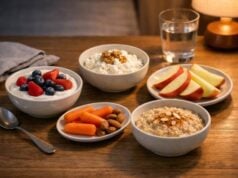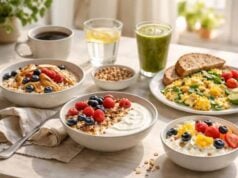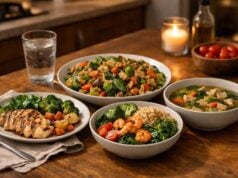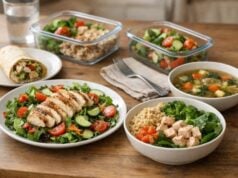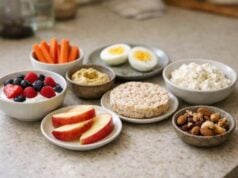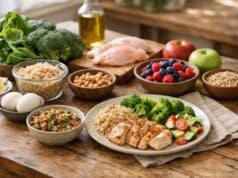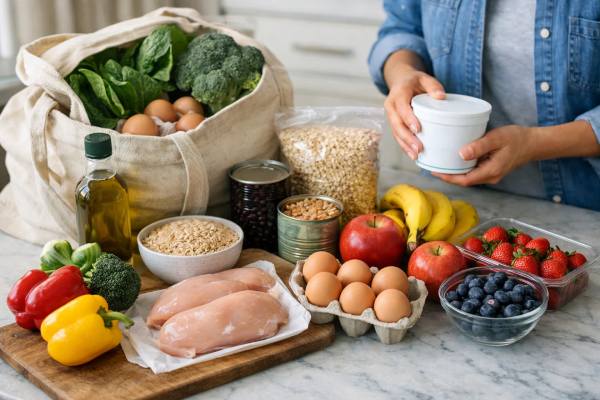
A good weight loss grocery list does more than fill your cart with “healthy foods.” It makes your everyday meals easier, reduces impulsive eating, and helps you stay in a calorie deficit without having to rely on constant willpower. For beginners, that usually means buying a small group of dependable foods you can mix into simple breakfasts, lunches, dinners, and snacks.
The best grocery list for weight loss is not built around specialty products or expensive diet foods. It is built around protein, produce, fiber-rich carbs, and a few practical convenience staples that keep you from falling back on takeout or snack foods. Below, you will find what to buy, what to limit, how to shop on a budget, and how to turn one grocery trip into a week of easy meals.
Table of Contents
- Why your grocery list matters for weight loss
- The core food groups to buy every week
- Protein foods that make meals easier
- Produce, carbs and fats worth keeping on hand
- Freezer, fridge and pantry staples for busy days
- What beginners should skip or limit
- A simple one-week weight loss grocery list
Why your grocery list matters for weight loss
Most people think weight loss success starts with motivation. In real life, it often starts with what is in the kitchen.
If your fridge and pantry are stocked with foods that make balanced meals easy, staying on track takes far less effort. If your options are random snack foods, highly processed convenience meals, and “nothing to cook,” your choices get harder the moment you are tired, busy, stressed, or hungry. That is one reason grocery shopping matters so much: it shapes the decisions you will make later in the week when discipline is lowest.
A strong beginner grocery list helps weight loss in a few practical ways:
- It reduces decision fatigue.
- It makes protein and fiber easier to include at each meal.
- It lowers the number of high-calorie impulse foods you bring home.
- It gives you repeatable meal options instead of relying on takeout.
- It makes a calorie deficit easier to maintain without obsessing over every bite.
That last point matters. Weight loss still comes down to overall intake, but the foods you buy affect how easy or hard that process feels. A grocery cart filled with lean protein, produce, fruit, beans, yogurt, oats, potatoes, rice, and a few convenient frozen staples usually supports better adherence than a cart built around pastries, chips, sugary drinks, snack bars, and “healthy” foods that are still easy to overeat.
This is why shopping with a plan often works better than shopping by cravings. Hunger tends to pull people toward foods that are quick, hyper-palatable, and calorie-dense. A list creates structure before that happens. It also helps you avoid the common pattern of buying aspirational ingredients you never cook while forgetting the simple foods you actually eat.
For beginners, the goal is not to build a perfect cart. It is to build a useful one. That means focusing on foods that support your everyday meals rather than chasing diet trends. If your overall goal is a sustainable calorie deficit for weight loss, the grocery list should make that easier by default.
The more your home environment supports the way you want to eat, the less your results depend on mood, motivation, or a “starting over Monday” mindset.
The core food groups to buy every week
A beginner weight loss grocery list does not need dozens of products. It needs a reliable base. Most successful carts are built around five simple categories: protein, vegetables, fruit, smart carbohydrates, and moderate amounts of healthy fats.
These are the foods that make simple, filling meals possible.
| Category | What to buy | Why it helps |
|---|---|---|
| Protein | Chicken, turkey, eggs, Greek yogurt, cottage cheese, tuna, tofu, beans | Improves fullness and makes meals more satisfying |
| Vegetables | Leafy greens, broccoli, cucumbers, peppers, carrots, frozen vegetables | Adds volume and nutrients for relatively few calories |
| Fruit | Berries, apples, oranges, bananas, grapes, frozen fruit | Gives you a naturally sweet, filling option |
| Smart carbohydrates | Oats, potatoes, rice, beans, lentils, whole-grain bread, wraps | Provides energy and helps meals feel complete |
| Healthy fats | Avocado, nuts, seeds, olive oil, peanut butter | Improves flavor and satisfaction in controlled portions |
A lot of beginners make the mistake of buying only foods that seem “light.” That often leads to meals that are low in calories but also low in satisfaction. Then cravings go up, snacking gets worse, and dinner portions creep upward. The better approach is to buy foods that help you feel full enough to stay consistent.
A useful shopping rule is this: every trip should give you ingredients for at least three easy meal formulas.
For example:
- A protein-and-produce breakfast
- A lunch built around protein, vegetables, and a carb source
- A dinner you can make in under 20 minutes
That kind of structure matters more than buying exotic ingredients or specialty diet foods. Most of the time, the best foods for a beginner cart are the same foods that work well in a calorie-deficit eating pattern. They also make it much easier to build a high-protein plate for weight loss without having to start from scratch each day.
The goal is not nutritional perfection. It is meal-building capacity. When your cart gives you enough options to combine foods in simple ways, healthy eating starts to feel practical instead of complicated.
Protein foods that make meals easier
If there is one category that deserves the most attention on a beginner grocery list, it is protein.
Protein helps meals feel more substantial, supports muscle retention during weight loss, and usually improves fullness better than meals built mostly around refined carbs or snack foods. For beginners, protein also solves a practical problem: it turns random ingredients into actual meals.
The easiest protein foods to buy are the ones that fit your schedule, budget, and cooking style. That matters more than choosing the “best” protein on paper.
Good options include:
- Chicken breast or chicken thighs
- Lean ground turkey or lean ground beef
- Eggs and liquid egg whites
- Canned tuna or salmon
- Plain Greek yogurt
- Cottage cheese
- Tofu or tempeh
- Edamame
- Beans and lentils
- Rotisserie chicken
- Deli turkey with a short ingredient list
- Frozen fish fillets or shrimp
For beginners, convenience matters. If you buy only raw proteins that require planning, prep, and cleanup, you may still end up ordering food when the week gets busy. That is why it helps to combine “cook from scratch” proteins with ready-to-eat or fast options.
A simple way to structure the week is to buy:
- One main cooked protein for dinners
- One ready-to-eat protein for lunches
- One fast breakfast or snack protein
For example, that could mean chicken breast, Greek yogurt, and eggs. Or tofu, cottage cheese, and canned tuna. The exact combination matters less than having coverage across the day.
Protein foods are also one of the easiest areas to overspend if you shop without a plan. Ribeye, flavored protein products, pre-portioned snack packs, and trendy “fitness” foods can blow up your budget fast. Beginners usually do better with basic staples. Canned fish, eggs, yogurt, cottage cheese, beans, and frozen chicken are often far more cost-effective than branded diet products.
If you want more examples by serving size and type, a focused high-protein foods list can help narrow the options. If budget is a priority, it also helps to think in terms of cheap high-protein meals for weight loss rather than expensive “health” items.
A good beginner cart does not need endless variety. It needs a few protein foods you will actually eat often enough to make your meals easier and your hunger more manageable.
Produce, carbs and fats worth keeping on hand
Once protein is covered, the next job of your grocery list is to make meals feel complete. That means buying produce for volume and nutrients, carbohydrates for energy and satisfaction, and fats for flavor and staying power.
Produce
Beginners often underbuy vegetables because they worry they will go bad. The fix is not to stop buying them. It is to buy a smarter mix of fresh and frozen.
Fresh produce that is usually easy to use:
- Bagged salad greens
- Cucumbers
- Bell peppers
- Cherry tomatoes
- Baby carrots
- Zucchini
- Mushrooms
- Onions
- Broccoli
- Apples, bananas, oranges, and berries
Frozen produce that helps reduce waste:
- Broccoli
- Cauliflower rice
- Stir-fry vegetable blends
- Green beans
- Mixed vegetables
- Berries and mango for smoothies or yogurt bowls
These foods help create volume. That matters because a meal that looks and feels substantial is easier to stick with than one that seems tiny. If you want to be more selective, the best vegetables for weight loss and the best fruits for weight loss are usually the ones you can eat in satisfying portions without driving calories up quickly.
Carbohydrates
Beginners often get confused here and either avoid carbs completely or buy mostly refined, easy-to-overeat ones. A better approach is to buy carbohydrate sources that are useful, filling, and easy to portion.
Strong choices include:
- Oats
- Potatoes
- Rice
- Whole-grain bread
- Whole-grain wraps
- Beans
- Lentils
- Quinoa
- Higher-fiber cereal
- Pasta in reasonable portions
These foods help meals feel normal. Without them, many people end up grazing because nothing feels satisfying. Potatoes, oats, beans, and rice are especially helpful because they are simple, affordable, and easy to pair with protein.
Fats
Healthy fats belong on a weight loss grocery list, but this is one area where portion awareness matters. Fats make food taste better and help with satisfaction, but they are calorie-dense.
Useful options include:
- Avocados
- Olive oil
- Nuts
- Seeds
- Natural peanut butter or almond butter
- Olives
The key is to buy them with a plan, not as background extras. A small amount of olive oil on vegetables or a measured spoonful of peanut butter can be helpful. A casual “healthy foods are free foods” mindset is where calories start stacking up.
A good beginner cart keeps all three categories in balance. Too little produce and meals feel skimpy. Too little carbohydrate and the plan may feel overly restrictive. Too many fats and calories can climb faster than expected. The best grocery list makes balanced meals easier without making every meal feel like math.
Freezer, fridge and pantry staples for busy days
The foods that save your weight loss plan are not always the freshest or most impressive ones. Often, they are the backup staples that keep a busy day from turning into takeout, vending machine snacks, or a string of random “healthy” bites that add up fast.
That is why beginners should think beyond the produce aisle. Your freezer, fridge, and pantry should all be working for you.
Freezer staples
Frozen foods are underrated for weight loss because they reduce waste, improve convenience, and make it easier to get food on the table quickly.
Useful freezer staples include:
- Frozen vegetables
- Frozen fruit
- Frozen shrimp or fish fillets
- Frozen chicken breast or turkey burgers
- Pre-cooked grains
- Lower-calorie frozen meals with a solid protein source
- Frozen soup or chili you made yourself
These are especially valuable when fresh food runs out before the next shopping trip. A smart list of frozen foods for weight loss can keep the week from falling apart when life gets busy.
Fridge staples
These are the foods that help you throw meals together fast:
- Plain Greek yogurt
- Cottage cheese
- Eggs
- Salsa
- Mustard
- Hummus
- Pre-washed greens
- Deli turkey or rotisserie chicken
- Pickles, kimchi, or slaw mixes for flavor and crunch
The best fridge staples are foods you can use in more than one way. Greek yogurt can be breakfast, a snack, or a base for a sauce. Eggs can be breakfast, lunch, or dinner. Rotisserie chicken can become salads, wraps, bowls, or soups.
Pantry staples
A practical pantry helps you cook simple meals without needing a perfect fresh-food setup.
Strong options include:
- Oats
- Canned tuna or salmon
- Beans and lentils
- Rice
- Pasta
- Low-sodium broth
- Canned tomatoes
- Whole-grain crackers
- Popcorn
- Seasonings, hot sauce, vinegar, and herbs
This is also where meal prep gets easier. If you combine a few pantry basics with protein and produce, you can make a surprising number of meals without much effort. A more intentional weekend meal prep plan can make these staples even more useful, but you do not need elaborate prep to benefit from them.
The real value of these staples is not that they are exciting. It is that they keep you from saying, “There is nothing to eat,” when there is actually no plan.
What beginners should skip or limit
A good weight loss grocery list is not just about what to buy. It is also about what not to casually toss in the cart.
Beginners do not need to ban every treat, but they do need to recognize which foods tend to make calorie control harder. These are usually foods that combine convenience, low fullness, and high palatability. In other words, they are easy to buy, easy to overeat, and easy to underestimate.
Common examples include:
- Sugary drinks
- Coffee-shop bottled drinks
- Chips and crackers that turn into multiple servings
- Pastries, cookies, brownies, and muffins
- Granola and trail mix eaten mindlessly
- Sweetened yogurt and sugary cereal
- Large bags of candy or chocolate
- “Healthy” snack bars with dessert-level calories
- Oversized jars of nut butter used without measuring
- Creamy bottled dressings, mayo-heavy sauces, and sweet sauces
- Family-size frozen pizzas and fried convenience foods
Many of these foods are not forbidden. They are just easy to eat in amounts that do not match your goals. That is an important distinction. Beginners often swing between two extremes: buying anything they want because they “deserve balance,” or banning everything fun and then rebounding into overeating later. The better approach is more selective.
A useful filter is to ask:
- Does this food help me build a meal?
- Does it fill me up reasonably well for the calories?
- Is it easy for me to stop at one portion?
- Am I buying it intentionally or out of habit?
If the answer is no across the board, it may be a food to limit during a fat-loss phase. This is especially true if portion creep is one of your main problems. In that case, learning portion sizes for weight loss can help more than trying to eliminate entire food groups. It also helps to know which foods commonly work against a calorie deficit even when they seem harmless, such as the items covered in foods to avoid in a calorie deficit.
One more practical point: do not shop hungry. It sounds basic, but it matters. Shopping while hungry makes high-calorie convenience foods seem more necessary and makes your actual plan easier to forget.
The best beginner grocery list is not rigid. It is simply honest about which foods support your meals and which foods tend to take over when they are constantly available.
A simple one-week weight loss grocery list
If you are new to all of this, the easiest starting point is not building a perfect cart from scratch. It is repeating a simple one-week list until you learn what you use consistently.
Here is a practical sample grocery list for one person for about a week. Adjust amounts for your appetite, household size, and calorie target.
| Category | What to buy | How it gets used |
|---|---|---|
| Protein | Chicken breast, eggs, Greek yogurt, canned tuna, cottage cheese | Breakfasts, salads, wraps, bowls, quick dinners |
| Vegetables | Spinach, cucumbers, bell peppers, broccoli, frozen mixed vegetables | Egg scrambles, salads, stir-fries, side dishes |
| Fruit | Apples, bananas, berries | Snacks, breakfast bowls, dessert replacement |
| Carbohydrates | Oats, potatoes, rice, whole-grain bread or wraps, beans | Balanced meals and higher-satiety snacks |
| Healthy fats and extras | Olive oil, peanut butter, avocado, salsa, mustard, seasonings | Flavor, sauces, meal satisfaction |
That single list can support meals such as:
- Greek yogurt with berries and oats
- Eggs with spinach and toast
- Chicken rice bowls with broccoli
- Tuna wraps with cucumbers and mustard
- Cottage cheese with fruit
- Baked potatoes with chicken and vegetables
- Bean-and-vegetable bowls with salsa
A beginner grocery trip works best when you already know how the food will be used. That does not mean planning every bite. It means avoiding the trap of buying random “healthy” ingredients with no actual meal idea attached.
A simple way to do that is to pick:
- Two breakfast options
- Two lunch options
- Three dinner options
- Two snack options
That is enough structure for most weeks. It also keeps you from overbuying produce and protein that never gets used.
As you get more comfortable, you can rotate meals, add variety, or shop with looser structure. But in the beginning, repeating a small number of easy meals is often a strength, not a weakness. If detailed tracking burns you out, you can also pair this kind of grocery strategy with tracking without counting calories by using protein targets, plate balance, and repeatable meals instead of micromanaging every number.
A good grocery list should leave you with a clear feeling after shopping: “I know what I am going to eat this week.” That clarity is one of the most underrated tools in beginner weight loss.
References
- Overweight and obesity management 2025 (Guideline)
- Healthy diet 2026 (Fact Sheet)
- Enhanced protein intake on maintaining muscle mass, strength, and physical function in adults with overweight/obesity: A systematic review and meta-analysis 2024 (Systematic Review)
- Effects of dietary fibre on metabolic health and obesity 2024 (Review)
- Ultra-processed Food and Obesity: What Is the Evidence? 2024 (Review)
Disclaimer
This article is for general educational purposes only and is not a substitute for medical advice, diagnosis, or treatment. If you have diabetes, kidney disease, a history of disordered eating, or another condition that affects your diet, get personalized guidance from a qualified healthcare professional or registered dietitian before making major nutrition changes.
If this article was useful, please share it on Facebook, X, or your preferred platform so others can build a smarter grocery list for weight loss too.