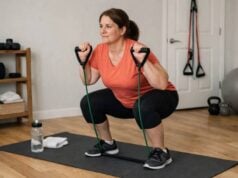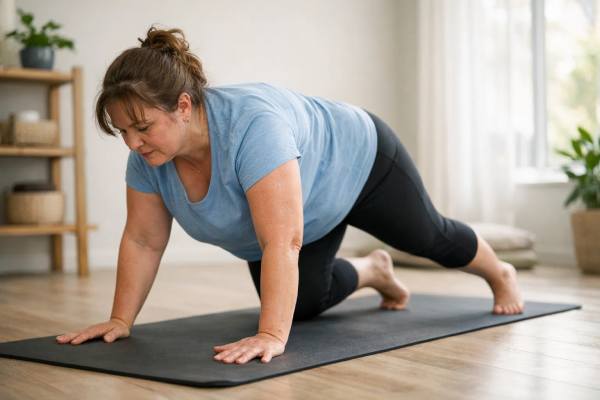
Yoga is often recommended for stress relief, flexibility, and recovery, but people still ask the same practical question: can it actually help with weight loss? The honest answer is yes, but not always in the way people expect. Yoga can burn calories, especially in faster and more physically demanding classes, but its real value often goes beyond the calorie number on a watch. It can improve strength, movement quality, consistency, stress control, and body awareness, all of which matter when you are trying to lose weight without burning out.
That also means not every yoga session does the same job. A slow restorative class feels very different from a challenging vinyasa flow or a heated power session. In this guide, you will see which yoga styles tend to be easier or harder, how intensity changes the training effect, where yoga fits in a fat-loss plan, and how to build a realistic weekly schedule. The goal is not to oversell yoga or dismiss it. It is to show how to use it well.
Table of Contents
- Can yoga help with weight loss?
- How yoga styles differ in intensity
- What yoga does beyond calorie burn
- How to build a weekly yoga plan
- Best yoga approach for beginners
- How to make yoga work for fat loss
Can yoga help with weight loss?
Yoga can help with weight loss, but it helps in two different ways. The first is direct: some forms of yoga raise heart rate, challenge muscles, and burn a moderate number of calories. The second is indirect, and for many people it matters even more: yoga can make a weight loss plan easier to sustain by improving stress management, recovery, body awareness, and exercise consistency.
This distinction matters because people often compare yoga to running, cycling, or interval training and assume yoga “does not count” if it does not burn as many calories per minute. That misses the bigger picture. Weight loss is not decided by one workout alone. It is shaped by what you can repeat week after week, how well you recover, how you eat, and how active you stay outside formal training.
In pure calorie terms, yoga usually falls into a moderate range rather than a high one. A slower hatha class or restorative session may not burn much compared with brisk walking or steady cycling. A flowing vinyasa, heated yoga class, or power yoga session can be more demanding, especially if standing sequences are long and transitions are continuous. Even then, yoga is rarely the most efficient calorie-burning option in the gym. That does not make it ineffective. It just means you should use it for what it does best.
Yoga often helps weight loss by supporting these habits:
- Better training consistency: it is easier to do regularly than punishing workouts for many people.
- Improved movement quality: better mobility and control can make other exercise feel smoother.
- Reduced stress-driven overeating: some people notice better appetite control when stress is lower.
- More recovery capacity: yoga can keep you moving on days when high-impact training feels like too much.
- Improved body awareness: this can help with pacing, posture, and noticing hunger or fatigue more clearly.
For some people, yoga becomes the gateway activity that gets them moving again. For others, it works best as part of a mixed plan that includes walking, strength training, and possibly cardio. If your goal is faster fat loss, yoga alone may not be enough unless volume is high and food intake is well controlled. But if your goal is to create a plan that is easier to live with, yoga can be extremely useful.
The most realistic view is this: yoga can contribute to a fat-loss plan, but it works best when combined with a sensible calorie deficit and a broader weekly movement target. Used that way, it is not a lesser option. It is a practical one.
How yoga styles differ in intensity
Not all yoga is the same workout. That may sound obvious, but it is one of the biggest reasons people get confused about whether yoga is “good for weight loss.” A restorative class done mostly on the floor and a vigorous power flow with long standing sequences are simply not asking the body to do the same job.
A helpful way to think about yoga styles is to place them on an intensity spectrum.
Lower-intensity styles
These are usually easier on the cardiovascular system and often better for stress relief, mobility, and recovery.
- Restorative yoga
- Yin yoga
- Gentle hatha yoga
- Slow mobility-focused classes
These sessions are valuable, but they are not where most people will create a large calorie burn.
Moderate-intensity styles
These usually blend movement, posture holds, balance, and some muscular demand.
- Standard hatha yoga
- Beginner vinyasa
- Mixed-level flow classes
- Some alignment-based classes
These can support weight loss well when practiced consistently, especially if you are fairly new to exercise.
Higher-intensity styles
These tend to create the strongest fitness and calorie-burning effect.
- Power yoga
- Faster vinyasa flow
- Heated flow classes
- Hot yoga with long standing work
- Strength-oriented yoga sequences
In these classes, intensity rises because transitions are quicker, time under tension is longer, and standing postures, planks, lunges, and balance sequences accumulate fatigue. A strong power flow can feel more like muscular endurance training than the stereotypical image many people have of yoga.
That does not mean harder is always better. Higher-intensity classes can be useful for energy expenditure and fitness, but they also create more fatigue and can be less accessible for beginners or people with joint pain, heat sensitivity, or low exercise tolerance. A slower class may produce less calorie burn in the moment, yet help you recover well enough to stay active all week. That can make it more valuable than one heroic session that leaves you drained.
If your goal is fat loss, match style to role:
- Use gentle or restorative yoga for recovery, mobility, and stress management.
- Use beginner or moderate flow classes for regular movement and practice adherence.
- Use more demanding flow or heated classes when you want a stronger training effect and tolerate them well.
This is similar to how people mix easier and harder cardio across the week. One class does not need to do everything. You might use yoga as your main exercise if you enjoy it most, or you might pair it with walking or strength training for a more balanced plan.
The smartest approach is not asking which style is “best” in the abstract. It is asking which style you can recover from, repeat, and fit into the rest of your week.
What yoga does beyond calorie burn
If you judge yoga only by calorie burn, you miss much of its value for weight loss. Yoga often helps through pathways that are less flashy but highly practical. For many adults, those indirect effects are the reason it stays in the routine long enough to matter.
One major benefit is stress regulation. Many people overeat, snack mindlessly, or lose structure when stress is high. Yoga does not solve emotional eating by itself, but it can lower tension, slow the pace of the day, and improve awareness of what the body actually needs. That makes it easier for some people to pause before reacting to stress with food. This is one reason yoga can complement tools used for stress and craving control.
Another benefit is movement quality. Yoga builds control through ranges of motion that many adults neglect. Better hip mobility, ankle motion, balance, trunk stability, and body awareness can make other exercise feel better. Someone who adds yoga may find walking more comfortably, squatting with better control, or recovering more smoothly between harder sessions.
Yoga can also support training consistency in a way that more aggressive exercise sometimes cannot. A person may skip a hard bootcamp class after a bad day, but still manage a 30-minute flow at home. That matters because weight loss usually responds better to regular moderate effort than to bursts of extreme effort followed by inactivity.
Other helpful effects include:
- Improved flexibility and mobility
- Better tolerance for bodyweight loading
- Useful core and shoulder endurance
- A chance to stay active on recovery days
- A lower barrier to home exercise
There is also a psychological advantage that should not be underestimated. Some people have a complicated relationship with exercise because they see it mainly as punishment for eating. Yoga can soften that pattern. It often feels less transactional, which can make a broader routine easier to stick with. When exercise becomes something you do for energy, mood, mobility, and self-respect rather than just to “burn off” food, adherence often improves.
That does not mean yoga replaces everything else. It usually works best when it fills the roles it does well and leaves the rest to other training. For example:
- Yoga for flexibility, recovery, and moderate conditioning
- Walking for extra daily activity
- Strength training for muscle retention and body composition
- Occasional cardio if you want more direct calorie burn
This kind of mix is often more sustainable than trying to make yoga behave like a sprint workout. It also fits well with the idea that exercise should support your life rather than dominate it. Yoga may not always be the hardest session of the week, but it can be the session that keeps the whole plan working.
How to build a weekly yoga plan
A good weekly yoga plan depends on what role yoga is playing in your fat-loss routine. Is it your main form of exercise? A recovery tool? A way to stay consistent when motivation is low? The answer changes how often you practice and how hard those sessions should be.
For beginners or people using yoga as a primary activity, three to five sessions per week is usually realistic. That does not mean every session should be long or intense. A balanced plan often mixes shorter, harder classes with easier mobility or restorative sessions so the total week stays manageable.
Here are three useful ways to structure it.
Option 1: Yoga as your main exercise
Best for people who enjoy yoga most and want a simple plan.
- 2 moderate flow sessions
- 1 higher-intensity flow or heated class
- 1 gentle recovery session
- 1 to 3 days of walking
Option 2: Yoga plus strength
Best for people who want body-composition support and muscle retention.
- 2 yoga sessions
- 2 to 3 strength sessions
- 2 to 4 walking sessions
- 1 lighter recovery day
Option 3: Yoga plus cardio
Best for people who want more calorie-burning activity but still value mobility and stress relief.
- 2 flow sessions
- 2 cardio sessions
- 1 restorative or mobility-focused yoga session
- 1 to 2 lighter days
If weight loss is your goal, weekly structure matters more than any single class. A useful rule is to avoid turning every yoga session into a challenge session. Too much intensity can make recovery worse and can quietly reduce your daily movement outside formal exercise. That is why a mix works so well.
A sample balanced week might look like this:
| Day | Session |
|---|---|
| Monday | Moderate vinyasa flow, 35 to 45 minutes |
| Tuesday | Brisk walk or easy cardio |
| Wednesday | Strength training or power yoga |
| Thursday | Gentle yoga, mobility, or rest |
| Friday | Moderate flow class |
| Saturday | Longer walk, hike, or another yoga session |
| Sunday | Restorative yoga or full rest |
This kind of structure keeps yoga useful without forcing it to cover every training need. It also helps you scale volume up or down depending on energy, soreness, and schedule.
If your lifestyle is busy, session length matters too. Many people stick better with four 20- to 30-minute sessions than with two 75-minute classes. Shorter sessions can still work, especially if they are planned rather than improvised. That fits well with a broader routine that fits your life instead of one that looks ideal only on paper.
The main goal is not perfection. It is building a week you can repeat with minimal friction.
Best yoga approach for beginners
Beginners usually do best when they start with accessible classes and focus on consistency rather than complexity. This is especially important if the goal is weight loss, because many people quit not because yoga “does not work,” but because they jump into classes that feel confusing, too advanced, or more physically intense than expected.
A strong beginner approach usually has three parts:
- Learn a few basic shapes and transitions.
- Build comfort with breathing and pacing.
- Progress class intensity only after sessions feel manageable.
For most people, the best starting point is one of these:
- Beginner hatha yoga
- Beginner slow flow
- Gentle vinyasa
- Mobility-based yoga classes
- Short home sessions with clear instruction
These formats give you time to understand alignment, balance, and how poses connect. That matters because yoga can become frustrating fast if every class feels like you are trying to copy a language you do not speak yet.
Beginners should also know that yoga discomfort is not always a sign of a good session. It is normal to feel effort in the legs, core, shoulders, and balance. It is not a good idea to push through sharp pain, joint pinching, dizziness, or repeated strain in wrists and lower back. Modifying poses early is smart, not lazy.
A few beginner tips make a big difference:
- Use blocks, straps, or cushions if available.
- Bend the knees in forward folds when needed.
- Take child’s pose or a pause without guilt.
- Choose stable footing and enough space to move.
- Focus on steady breathing rather than perfect depth.
If you are carrying extra body weight or have knee, wrist, or shoulder discomfort, class choice matters even more. A slower, well-taught session is usually a better opening move than an advanced heated flow. People with joint sensitivity may also do better mixing yoga with low-impact cardio instead of trying to make every workout a demanding flow.
Beginners often ask how quickly they should progress. A good answer is every two to four weeks, not every two to four days. Once two or three weekly sessions feel familiar, you can add another class, choose a slightly stronger flow, or increase session length. That is enough progression for most people.
If you want yoga to help with weight loss, the beginner phase is not something to rush through. It is where you build comfort, trust, and the habit of showing up. Once that foundation exists, stronger classes become much easier to enjoy rather than just survive.
How to make yoga work for fat loss
Yoga supports fat loss best when it is used realistically. That means not expecting a single weekly class to undo a sedentary routine or an intake that stays above your needs. But it also means not underestimating how powerful yoga can be when it improves consistency, recovery, and food-related behavior.
The first step is to stop asking yoga to do only one job. If you want better fat-loss results, think in terms of a full week, not one session. A useful strategy might include:
- 2 to 4 yoga sessions
- Daily steps or walks
- 2 strength sessions if possible
- A nutrition plan you can sustain
- Enough sleep to recover and manage appetite
This matters because weight loss usually responds to total weekly movement and food intake more than the precise calorie burn of a single class. Yoga can be part of that total in a meaningful way, especially when it helps you stay active on days that might otherwise become sedentary.
The second step is to match your eating to your actual activity. Yoga can improve appetite awareness for some people, but it is still possible to overeat after class, especially if you treat the session as a license for extra food. A steady protein intake and meals built around filling foods often support better results than relying on “clean eating” vibes alone.
The third step is to use yoga strategically across the week. Examples:
- Use moderate flow classes when you want a real training effect.
- Use restorative sessions when stress is high and recovery is poor.
- Use short home flows when time is tight and momentum matters more than perfection.
- Use yoga after harder training blocks to stay active without more pounding.
Fourth, do not ignore the rest of your day. Formal exercise matters, but so does everyday movement. If you do one class and then sit for the next ten hours, your total expenditure may still be modest. That is where NEAT becomes important. Walking more, standing more, doing errands on foot, and simply moving through the day can amplify the effect of yoga without making your schedule feel extreme.
Finally, measure progress realistically. Yoga can improve flexibility, posture, balance, and recovery before the scale changes much. It can also support body-composition changes indirectly if it keeps you consistent and reduces all-or-nothing patterns. Look at more than one marker:
- Scale trend over several weeks
- Waist measurements
- How clothes fit
- Energy and mood
- Mobility and balance
- How often you actually complete planned sessions
Yoga is not the fastest fat-loss tool in the room. But speed is not the only thing that matters. A plan that is slightly slower and much more sustainable often wins. If yoga is the style of movement you genuinely enjoy, that alone may make it one of the most useful forms of exercise in your program.
References
- A systematic review and meta-analysis on the effects of yoga on weight-related outcomes 2016 (Systematic Review and Meta-Analysis)
- Yoga in Obesity Management: Reducing cardiovascular risk and enhancing well-being- A review of the current literature 2025 (Review)
- Yoga and chronic diseases: an umbrella review of systematic reviews and meta-analyses 2025 (Umbrella Review)
- Hot Yoga: A Systematic Review of the Physiological, Functional and Psychological Responses and Adaptations 2025 (Systematic Review)
- Physical activity 2024 (Guideline Summary and Fact Sheet)
Disclaimer
This article is for general educational purposes only. Yoga for weight loss should be adjusted to your fitness level, joint health, heat tolerance, and medical history, and it is not a substitute for personalized medical advice, diagnosis, or treatment.
If this article helped, please share it on Facebook, X, or any platform where it may help someone build a calmer, more sustainable approach to fat loss.