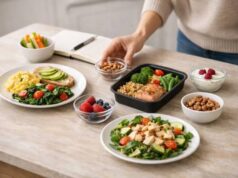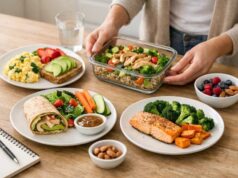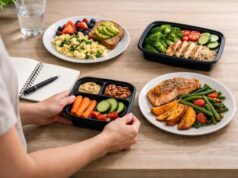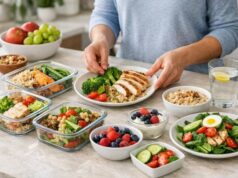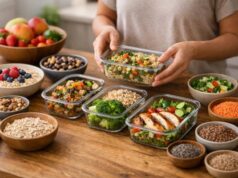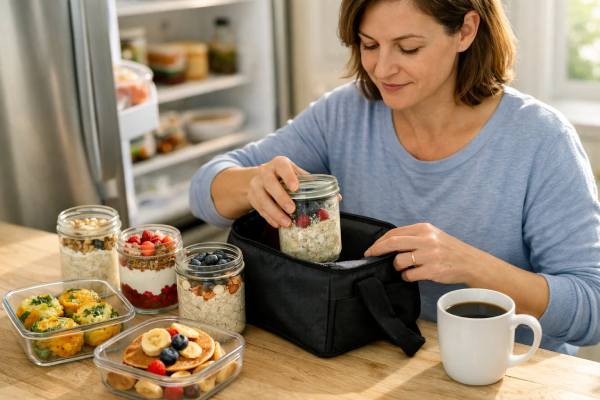
High-protein breakfast meal prep for weight loss works because it solves two common problems at once: rushed mornings and weak breakfasts that do not keep you full. A good make-ahead breakfast gives you enough protein to manage hunger better, helps you avoid random vending-machine decisions, and makes it easier to stay in a calorie deficit without feeling like you are constantly “being good.”
This guide covers what makes a breakfast meal-prep idea effective for fat loss, how much protein to aim for, which ingredients store best, easy recipes you can repeat, and how to prep breakfasts that still taste good by day three or four. The focus is not on perfect meal-prep aesthetics. It is on practical breakfasts you can actually eat during a busy week.
Table of Contents
- Why high-protein breakfast prep helps with weight loss
- What makes a good make-ahead breakfast
- Best foods to use in breakfast meal prep
- Easy high-protein breakfast meal prep ideas
- How to build breakfasts for your calories and macros
- Storage reheating and food safety tips
- One-hour breakfast meal prep plan
- Common breakfast prep mistakes to avoid
Why high-protein breakfast prep helps with weight loss
Breakfast does not have to be mandatory for everyone, but for many people trying to lose weight, a high-protein breakfast makes the rest of the day easier. It can reduce the “I’m starving by 10:30” problem, improve meal structure, and lower the odds of grabbing something fast that is low in protein and easy to overeat.
Protein matters because it tends to be more filling than meals built mostly around refined carbs. A breakfast with eggs, Greek yogurt, cottage cheese, tofu, turkey, or a protein-rich overnight oats mix usually holds you longer than a pastry, cereal bar, or sweetened coffee. That does not mean breakfast needs to be huge. It means breakfast should have enough substance to count as a real meal.
Meal prep adds another advantage: it reduces decision fatigue. Most weekday breakfasts fail for practical reasons, not because people do not know what a healthy breakfast looks like. Mornings are rushed. Energy is low. Time is short. If breakfast is already made, you remove a major friction point.
That matters in a calorie deficit. Weight loss usually works better when your routine supports it. A decent breakfast does not guarantee fat loss, but it can make it easier to stay consistent with your intake, protein target, and overall meal timing. This is one reason a lot of people who struggle with snacking do better when they stop winging breakfast and start using a repeatable system.
High-protein breakfast meal prep also helps with macro control. If your first meal already gives you 25 to 35 grams of protein, you do not have to spend the rest of the day trying to “catch up.” That overlaps with the same logic used in how much protein per meal to aim for and in more general advice about high-protein breakfasts for weight loss.
Another underrated benefit is appetite stability. When breakfast is skipped unintentionally or replaced with something light and sugary, many people become much more reactive later in the day. Lunch gets oversized, snacks multiply, and dinner turns into recovery eating. A prepared high-protein breakfast often prevents that chain reaction.
The best breakfast prep is not the most complicated one. It is the one that reliably gets eaten.
What makes a good make-ahead breakfast
A good make-ahead breakfast for weight loss needs to do more than fit in a container. It should reheat or hold well, provide enough protein to be worthwhile, taste good after storage, and fit your calorie target without feeling tiny.
The best options usually check five boxes:
- High enough in protein: usually at least 20 to 30 grams per serving
- Moderate in calories: enough to satisfy, not so heavy that it uses half your day’s budget
- Easy to portion: clear serving sizes make tracking simpler
- Pleasant after storage: texture matters more than people admit
- Fast to eat or reheat: if it takes too much effort, weekday compliance drops
Breakfast meal prep works best when you build around foods that keep structure. Egg muffins, breakfast burritos, baked oats, yogurt bowls, overnight oats, chia mixes, cottage cheese bowls, and freezer sandwiches all store better than delicate items that get soggy or separate too easily.
It also helps to think in categories rather than recipes. Most useful breakfasts fall into one of four types:
| Format | Best use | Typical benefit |
|---|---|---|
| Cold bowls | Yogurt, cottage cheese, overnight oats | Fast grab-and-go option with easy protein tracking |
| Baked portions | Egg muffins, baked oats, breakfast casseroles | Good for batch cooking and portion control |
| Freezer items | Burritos, sandwiches, wraps | Useful for busy weeks and long storage |
| Blended prep | Smoothie packs, protein yogurt blends | Fastest option when time is minimal |
A good breakfast should also fit the rest of your day. If you prefer a lighter lunch and bigger dinner, breakfast can be slightly larger. If you like to save more calories for later, breakfast can stay moderate as long as protein is strong. That same flexible thinking is useful in macro-friendly meal planning and in any realistic fat-loss plan.
Taste matters too. Dry egg muffins, watery oats, or bland yogurt bowls often get abandoned after two days. A small amount of flavor goes a long way. Salsa, berries, cinnamon, cocoa powder, vanilla, herbs, hot sauce, feta, and everything bagel seasoning can make meal prep much more repeatable without adding many calories.
The best make-ahead breakfast is not the one with the highest protein number. It is the one you are still willing to eat on Thursday.
Best foods to use in breakfast meal prep
Breakfast meal prep becomes much easier when you rely on ingredients that are protein-dense, easy to portion, and practical to store. Some foods are simply better tools than others.
The most useful staples include:
- Eggs and liquid egg whites
- Greek yogurt or skyr
- Cottage cheese
- Protein powder, when helpful
- Oats
- Chia seeds
- Frozen berries
- Potatoes
- Lean turkey or chicken sausage
- Tofu or tempeh
- High-fiber wraps or English muffins
- Beans in savory breakfast dishes
- Low-fat cheese in measured amounts
Eggs are popular for a reason. They are versatile, inexpensive, and work in muffins, casseroles, wraps, and sandwiches. Greek yogurt is one of the easiest cold-prep proteins because it already comes thick, portionable, and ready to combine with fruit or oats. Cottage cheese is often overlooked, but it works well in bowls, egg bakes, and even blended recipes.
Oats are useful because they pair well with protein sources and create a more complete breakfast. On their own, they may not keep some people full long enough, but when combined with yogurt, protein powder, egg whites, or cottage cheese, they become much more effective. That same principle applies to breakfast potatoes. They can fit weight loss well when portions are controlled and the meal still centers on protein.
Fruit also deserves a place in breakfast meal prep. Berries, apples, bananas, and citrus can increase volume and improve satisfaction without turning breakfast into dessert. They work especially well in overnight oats, yogurt bowls, and freezer smoothie packs. This lines up with broader advice on filling fruits that fit a calorie deficit.
Savory prep often benefits from vegetables such as spinach, mushrooms, peppers, onions, tomatoes, and broccoli. They add bulk and texture to egg bakes, scrambles, and burritos. For people who prefer more volume in the morning, this is often a better move than just adding more bread.
A strong breakfast prep grocery list usually includes both fresh and frozen ingredients. Frozen berries, frozen chopped peppers, and frozen spinach reduce waste and make prep faster. The same idea is helpful in a broader high-protein grocery list approach.
A final note on convenience foods: protein bars and bottled shakes can help occasionally, but they are usually better backup tools than the foundation of your breakfast plan. Most people get better fullness and better meal satisfaction from foods they actually chew.
Easy high-protein breakfast meal prep ideas
The best breakfast meal-prep ideas are simple enough to repeat. You do not need twelve different breakfasts every week. Three or four reliable options are usually more useful than a giant recipe rotation.
Here are some of the most practical make-ahead ideas.
1. Greek yogurt protein bowls
Portion plain Greek yogurt into containers and top with berries, chia seeds, and a measured amount of oats or high-fiber cereal. Keep crunchy toppings separate if you want better texture. These are fast, cold, and easy to customize.
2. Overnight oats with protein
Mix oats, Greek yogurt, milk, chia seeds, and protein powder or extra yogurt. Add berries, cinnamon, cocoa powder, or diced apple. This works well for people who want something soft, portable, and easy to prep in bulk.
3. Egg muffins
Whisk eggs and egg whites with chopped vegetables, turkey sausage, or cottage cheese, then bake in muffin tins. These reheat quickly and work well with fruit or toast on the side.
4. Breakfast burritos
Fill wraps with eggs, lean meat, beans, potatoes, vegetables, and salsa. Wrap tightly and freeze. They are especially useful for busy mornings because they feel like a real meal, not just a snack.
5. Baked oatmeal squares
Bake oats with eggs, milk, fruit, cinnamon, and added protein from yogurt or powder. Cut into portions and pair with yogurt for a more complete meal.
6. Breakfast sandwiches
Use English muffins or sandwich thins with egg, turkey sausage, and cheese. Freeze and reheat. These are great for people who want something familiar and fast.
7. Cottage cheese breakfast boxes
Pair cottage cheese with fruit, nuts in measured portions, and a boiled egg or turkey slices. This option works well if you do not like reheated eggs.
8. Tofu scramble bowls
Prep tofu scramble with vegetables and potatoes for a savory, plant-based breakfast that stores well for a few days.
| Breakfast | Prep style | Best for |
|---|---|---|
| Greek yogurt bowl | Cold prep | Fast grab-and-go mornings |
| Overnight oats | Cold prep | People who like sweet breakfasts |
| Egg muffins | Batch bake | Protein-focused savory breakfasts |
| Breakfast burritos | Freezer prep | Busy schedules and long storage |
| Breakfast sandwiches | Freezer prep | Convenience and familiarity |
If you like variety, rotate one sweet option and one savory option per week. That is usually enough to avoid boredom without turning breakfast prep into a separate hobby.
These ideas pair well with broader strategies from a one-hour weekend meal prep plan and with a more complete high-protein meal plan if you want the rest of your day to match your breakfast structure.
How to build breakfasts for your calories and macros
A high-protein breakfast meal prep idea is only useful if it fits the rest of your intake. A breakfast that is too small may leave you raiding snacks an hour later. A breakfast that is too large may crowd out other meals and make the day feel tight.
A good starting point is to think about breakfast in three layers:
- Protein target
- Calorie budget
- Satiety support
For many people, a useful breakfast protein target lands around 25 to 35 grams. Some may do well lower, some higher, but that range is a practical sweet spot for many fat-loss diets. If you already know your total protein target, breakfast is a good place to cover a meaningful chunk of it early. This fits naturally with guidance on daily protein intake for weight loss.
Then consider calories. Many prepped breakfasts land comfortably around 300 to 500 calories depending on body size, hunger level, and meal pattern. Someone eating 1,400 calories may want breakfast nearer the lower end, while someone eating 1,800 or more may prefer a larger meal. The better question is not “What is the lowest-calorie breakfast I can tolerate?” It is “What breakfast helps me stay in control later?”
Satiety support comes from how the meal is built. If a breakfast is high in protein but tiny in volume, it may still feel unsatisfying. If it is large but low in protein, it may not last. The sweet spot often includes:
- Protein from eggs, yogurt, cottage cheese, tofu, or lean meat
- Fiber from oats, fruit, beans, vegetables, or high-fiber bread
- Enough volume to feel like a meal
- Some flavor and texture contrast
This is where meal-prep breakfasts become very individual. A woman or man who loves sweet breakfasts may do better with overnight oats and yogurt bowls. Someone who wants a more stable appetite may prefer savory wraps, egg bakes, or sandwiches. Both can work if calories and protein fit.
If you track macros, breakfast prep gets even easier when you repeat the same few options. That reduces logging time and improves consistency. If you do not track closely, you can still use a simple formula much like building a high-protein plate, just adapted for morning meals.
Storage reheating and food safety tips
Breakfast meal prep is only helpful if it keeps well enough to stay safe and enjoyable. A lot of recipes fail not because the ingredients are bad, but because the storage plan is weak.
Here are the basics:
- Most cooked egg-based breakfasts keep well in the fridge for about 3 to 4 days
- Freezer items like burritos and sandwiches often keep quality much longer
- Yogurt bowls and overnight oats usually do best within 3 to 4 days
- Cut fruit is best prepped in smaller amounts if texture matters
- Crunchy toppings should stay separate until eating
Egg muffins and casseroles tend to dry out if overcooked initially, so slightly underbaking them is often better than trying to rescue them later. Breakfast burritos reheat best when wrapped tightly and reheated from thawed or with a microwave-to-pan method. Sandwiches often benefit from wrapping in parchment or paper towel before storage so moisture is better controlled.
A few practical storage rules help a lot:
- Let hot foods cool before sealing completely
- Use containers that match portion size so air space is limited
- Label freezer breakfasts with date and contents
- Keep sauces separate if they change texture
- Rotate older containers to the front
Reheating also affects whether you keep using the recipe. Eggs can become rubbery. Oats can thicken too much. Burritos can get soggy. These are often fixable with small tweaks: add a splash of milk to oats, reheat eggs more gently, toast sandwich bread after microwaving, or crisp a burrito in a skillet after initial reheating.
Food safety matters more than productivity. If something smells off, changes texture in a suspicious way, or has been sitting too long, toss it. The point of breakfast prep is to make the week easier, not to force yourself through questionable leftovers.
For people who rely on frozen options, it can also help to keep a few better frozen staples for weight loss in the freezer as backup, especially when you run out of fresh prep early.
One-hour breakfast meal prep plan
A useful breakfast prep session does not need to take all Sunday. In fact, simpler is usually better. One hour is enough to prep five to seven breakfasts if you choose efficient recipes.
Here is a practical one-hour example:
0 to 10 minutes: Set up
- Preheat the oven
- Pull out containers
- Wash produce
- Start coffee or music so the session feels easier
10 to 25 minutes: Start the baked item
Make one baked savory option such as egg muffins or a breakfast casserole. While that cooks, prep your cold breakfasts.
25 to 40 minutes: Assemble cold breakfasts
Build three to four yogurt bowls or overnight oats. Add fruit, oats, chia, and flavorings. Keep crunchy toppings separate if needed.
40 to 55 minutes: Prep one freezer option
Wrap burritos or sandwiches for later in the week. Even two or three freezer breakfasts can save chaotic mornings.
55 to 60 minutes: Portion and clean up
Label containers, move items to fridge or freezer, and make a note of what should be eaten first.
A simple weekly example could look like this:
| Day | Breakfast | Prep type |
|---|---|---|
| Monday | Greek yogurt bowl with berries and oats | Cold |
| Tuesday | Egg muffins with fruit | Reheat |
| Wednesday | Overnight oats with protein | Cold |
| Thursday | Breakfast sandwich | Freezer |
| Friday | Breakfast burrito | Freezer |
This kind of system works because it balances variety with repetition. You are not cooking a new breakfast every day, but you are also not forcing yourself to eat the exact same thing all week if that makes compliance harder.
If your mornings are especially hectic, choose the breakfasts that require the least finishing work. The best breakfast prep plan is the one that still works on your most chaotic weekday.
Common breakfast prep mistakes to avoid
Most breakfast meal-prep problems are practical, not nutritional. People usually know they should eat more protein. The issue is that the prep routine or breakfast design makes follow-through harder than expected.
The most common mistakes include:
- Prepping breakfasts that are too low in protein
- Choosing recipes that do not store well
- Making portions so small they do not feel like a meal
- Overdoing calorie-dense extras like nut butter, granola, oil, and cheese
- Using no fiber or produce at all
- Prepping too much variety and burning out
- Relying only on protein powder instead of real food structure
- Ignoring taste, texture, and reheating quality
Another common mistake is assuming that because a breakfast is “healthy,” it will automatically support weight loss. A yogurt bowl can be great, but not if it quietly turns into a dessert-sized serving of granola and nut butter with minimal protein. An egg muffin can be useful, but not if two tiny muffins only provide a snack-sized meal and leave you hungry by mid-morning.
There is also the boredom problem. Meal prep should reduce friction, not create resentment. If you hate reheated eggs, do not make them your only breakfast. If overnight oats make you feel like you are eating paste, use sandwiches or yogurt bowls instead. Weight-loss-friendly meal prep has to match preference, not just nutrition theory.
A final issue is trying to make breakfast do everything. It does not need to be perfect. It just needs to be good enough to give you a strong start. If breakfast gets you a meaningful amount of protein, fits your calories, tastes decent, and makes the rest of the day easier, it is doing its job.
That is also why this type of meal prep works best as part of a wider structure. Many people pair breakfast prep with either high-protein lunch prep or high-protein dinner prep so they are not depending on one meal to carry their whole plan.
References
- Protein, fiber, and exercise: a narrative review of their roles in weight management and cardiometabolic health 2025 (Review)
- Dietary fibre and metabolic health: A clinical primer 2024 (Review)
- Obesity Management in Adults: A Review 2023 (Review)
- A dairy-based, protein-rich breakfast enhances satiety and cognitive concentration before lunch in overweight to obese young females: A randomized controlled trial 2024 (RCT)
Disclaimer
This article is for general educational purposes only and is not a substitute for medical advice, diagnosis, or treatment. High-protein breakfast meal prep for weight loss may need adjustment if you have kidney disease, diabetes, digestive conditions, food allergies, are pregnant or breastfeeding, or have a history of disordered eating.
If this article helped you, please share it on Facebook, X, or another platform you prefer so others can use it too.