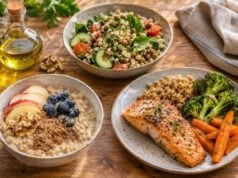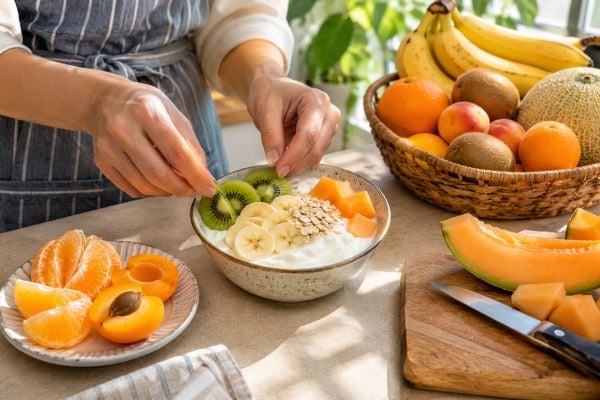
The best fruits for blood pressure are the ones you will eat regularly, especially potassium-rich options such as bananas, oranges, kiwi, melon, avocado, apricots, prunes, and many berries. Fruit helps most when it is part of an overall eating pattern that is high in vegetables, beans, whole grains, nuts, and other minimally processed foods while being lower in sodium. Potassium matters because it helps the body manage sodium and supports normal blood-vessel function, but fruit brings more than potassium: it also supplies fiber, water, magnesium, vitamin C, and plant compounds that may support cardiovascular health. You do not need to chase the single fruit with the highest potassium number. A better strategy is to eat a variety of whole fruits, choose practical portions, and use fruit to replace salty snacks, sweets, or sugary drinks. If you have kidney disease or take medicines that can raise potassium, however, your ideal intake may be different and should be individualized.
Table of Contents
- How Fruit Can Help Blood Pressure
- Best Potassium-Rich Fruits
- Berries, Citrus, and Other Heart-Friendly Fruits
- How Much Fruit to Eat
- Fresh, Frozen, Canned, or Dried?
- Serving Ideas for Lower Blood Pressure
- Potassium Safety and Common Mistakes
How Fruit Can Help Blood Pressure
Fruit supports blood pressure through several pathways at once. The most important is often potassium. Potassium helps regulate fluid balance and influences how the kidneys handle sodium. In people with hypertension, increasing potassium intake can lower blood pressure, particularly when sodium intake is high. That is one reason a higher-potassium, lower-sodium pattern is a recurring feature of hypertension guidance.
Still, fruit is not simply a potassium supplement in food form. Whole fruit also provides fiber, water, magnesium, antioxidants, and polyphenols. These nutrients and plant compounds may support blood-vessel function, help with weight control, and improve the overall quality of the diet. Prospective research has linked higher total fruit intake with a lower risk of developing hypertension, although no single fruit has been proven to prevent high blood pressure by itself.
The practical lesson is to improve the overall sodium-to-potassium balance of your diet. Adding fruit while continuing to eat large amounts of salty processed food is less useful than doing both: eat more potassium-rich whole foods and reduce sodium from packaged meals, restaurant food, deli meats, salty snacks, sauces, and soups. This guide to potassium and blood pressure explains the nutrient in more detail.
A DASH-style diet uses this broader approach. It emphasizes fruit, vegetables, whole grains, legumes, nuts, and low-fat dairy while limiting excess sodium. If you want a complete framework rather than individual foods, see the DASH diet for high blood pressure.
Best Potassium-Rich Fruits
Potassium content varies by fruit, serving size, ripeness, and preparation. The numbers below are approximate rather than exact, but they show which choices can make a meaningful contribution.
| Fruit | Practical serving | Approximate potassium | Easy use |
|---|---|---|---|
| Avocado | 1/2 medium | 350–500 mg | Toast, salad, grain bowl |
| Banana | 1 medium | 400–450 mg | Breakfast, snack, smoothie |
| Cantaloupe | 1 cup | 400–450 mg | Snack, yogurt bowl |
| Honeydew melon | 1 cup | 350–400 mg | Snack, fruit salad |
| Orange | 1 medium | 230–250 mg | Snack, breakfast |
| Kiwi | 2 medium | 400–450 mg | Yogurt, oats, snack |
| Apricots | 3–4 fresh | 250–300 mg | Snack, salad |
| Prunes | 1/4 cup | 300–350 mg | Oatmeal, yogurt |
| Pomegranate arils | 1 cup | 400–450 mg | Salad, yogurt, grain bowl |
| Raspberries | 1 cup | 180–200 mg | Oats, yogurt, snack |
Bananas are useful, but not uniquely powerful
Bananas are famous for potassium, and they are a good choice. A medium banana provides roughly 400 mg or more, along with fiber and carbohydrate. But bananas are not the only—or always the richest—fruit source. Kiwi, melon, avocado, dried fruit, and several other fruits can contribute similar or greater amounts depending on the serving.
The advantage of bananas is convenience. They are portable, inexpensive in many places, and easy to combine with oats, yogurt, or nut butter. If you like them, eat them. If you do not, there is no need to force them into your diet.
Avocado counts as fruit and brings healthy fat
Avocado is botanically a fruit and stands out because it combines potassium with fiber and unsaturated fat. That makes it useful for both blood pressure and cholesterol-focused eating patterns. Half an avocado works well in a meal, while a whole avocado may be more calories than some people need at once.
Use avocado in place of butter, creamy dressings, or large portions of cheese rather than simply adding it to an already high-calorie meal. The substitution is part of the benefit.
Melons and kiwi are easy potassium upgrades
Cantaloupe, honeydew, and kiwi are practical choices for people who want more potassium without relying on dried fruit. They also contribute water, which can be helpful for hydration. A cup of melon or two kiwi fits easily into breakfast or a snack.
Dried fruit is concentrated
Prunes, dried apricots, raisins, and dates can contain substantial potassium in a small volume, but their natural sugars and calories are concentrated too. A small portion—often around 1/4 cup—is more appropriate than eating freely from the bag. Choose unsweetened versions when possible.
Berries, Citrus, and Other Heart-Friendly Fruits
Potassium is important, but it should not be the only reason you choose fruit. Berries, apples, pears, grapes, and citrus fruits may not always top a potassium chart, yet they bring fiber and a wide range of polyphenols that support a heart-healthy dietary pattern.
Berries
Blueberries, strawberries, raspberries, and blackberries are rich in polyphenols and generally low in calorie density. Raspberries and blackberries are especially high in fiber. Fresh and frozen berries are both useful; frozen options are often cheaper and reduce food waste.
Add 1/2 to 1 cup to oatmeal, plain yogurt, cottage cheese, or a smoothie. If you buy frozen berries, choose unsweetened versions without syrup.
Oranges and other citrus fruits
Oranges, grapefruit, mandarins, and related fruits provide vitamin C, flavonoids, water, and some potassium. Whole citrus fruit is usually preferable to juice because it provides more fiber and is easier to portion.
One important exception: grapefruit can interact with certain medications, including some cholesterol-lowering and cardiovascular drugs. If you take prescription medicines, check whether grapefruit is restricted before making it a daily habit.
Apples and pears
Apples and pears are not among the highest-potassium fruits, but they are useful because they are portable, filling, and fiber-rich. The peel contributes much of the fiber. Pairing an apple or pear with a small handful of unsalted nuts can make a more satisfying snack than crackers or a sweet bar.
Grapes and pomegranate
Grapes and pomegranate provide polyphenols and can add variety to a blood-pressure-friendly pattern. They are easy to overeat because they are sweet and bite-sized, so use a bowl or measured serving rather than eating directly from a large container.
The broad evidence supports variety more strongly than any one “miracle” fruit. Rotate colors and types across the week instead of trying to optimize every serving by potassium content alone.
How Much Fruit to Eat
For many adults, about 1.5 to 2 cups of fruit per day is a practical target, though needs vary with age, calorie requirements, activity level, medical conditions, and the rest of the diet. You do not need to eat all of that at once.
A simple structure is:
- 1 serving with breakfast.
- 1 serving as a snack or dessert.
- An optional extra serving if it replaces a less nutritious snack and fits your overall energy needs.
One serving might be a medium piece of whole fruit, 1 cup of berries or melon, or about 1/2 cup of chopped fruit. Dried fruit should usually be smaller because the water has been removed and the calories are more concentrated.
More is not always better. Fruit is healthy, but it still contains carbohydrate and calories. People managing diabetes, reactive hypoglycemia, or calorie intake may do better by spacing fruit across the day and pairing it with protein or healthy fat, such as yogurt, nuts, or seeds.
If your current intake is very low, start with one extra serving a day. Replacing a bag of chips with an orange or replacing dessert with berries and yogurt is more meaningful than simply adding fruit on top of an unchanged diet.
For a wider list of potassium-rich foods beyond fruit, see potassium-rich foods for blood pressure. Beans, potatoes, leafy greens, yogurt, and some fish can contribute as much or more potassium than fruit.
What if you are also watching blood sugar or weight?
Whole fruit can still fit well if you have diabetes or are trying to lose weight. The important distinction is between intact fruit and concentrated forms such as juice, smoothies made with several servings of fruit, or large portions of dried fruit. Whole fruit requires chewing, contains water and fiber, and usually produces more fullness per calorie. That makes a medium apple or orange very different from drinking the juice of several pieces of fruit in a few minutes.
If blood sugar is a concern, spread fruit across the day and pair it with protein, fat, or fiber. Examples include berries with plain yogurt, an apple with peanut butter, or kiwi with nuts. You do not need to eliminate bananas, grapes, or other sweeter fruits unless your healthcare team has given you a specific reason. Portion and meal context usually matter more than avoiding a particular fruit.
For weight management, use fruit as a replacement rather than an automatic extra. Swapping cookies for berries and yogurt can lower calorie density while improving fiber and potassium intake. Adding a large smoothie on top of your normal breakfast may do the opposite. The blood-pressure benefit comes from the overall eating pattern, so choose the form and portion that helps you maintain that pattern consistently.
Fresh, Frozen, Canned, or Dried?
Fresh fruit is excellent, but it is not automatically healthier than every frozen or canned option. The best form is the one that preserves nutrition while keeping added sugar and sodium low.
Fresh fruit
Fresh fruit is easy to eat whole and usually requires no label reading. Buy what is in season, affordable, and likely to be eaten before it spoils. Convenience matters: washed berries, pre-cut melon, or a bowl of bananas on the counter may be more useful than a more “perfect” fruit that stays untouched.
Frozen fruit
Unsweetened frozen fruit is one of the best budget options. It is picked and frozen quickly, stores for months, and works well in oatmeal, yogurt, smoothies, and cooked dishes. Avoid products coated in sugar or packaged with sweetened sauces.
Canned fruit
Canned fruit can fit when it is packed in water or its own juice. Fruit in heavy syrup contains much more added sugar. Draining syrup helps, but buying the lower-sugar version from the start is easier. Canned fruit is especially useful when fresh options are expensive or unavailable.
Dried fruit
Dried fruit is portable and nutrient-dense but easy to overeat. Check for added sugar and keep portions modest. A few dried apricots or prunes can be useful; a large bag eaten mindlessly can provide several servings of carbohydrate very quickly.
Fruit juice deserves separate treatment. Even 100% juice lacks much of the fiber and chewing resistance of whole fruit. It is easier to consume a large amount quickly. Whole fruit should usually be the default, with juice used in small portions rather than as a hydration beverage.
Serving Ideas for Lower Blood Pressure
Fruit helps most when it improves the whole meal. Use it to replace refined sweets, salty snacks, or sugary drinks and combine it with other foods that support blood pressure.
Breakfast ideas
- Oatmeal with banana, berries, and ground flaxseed.
- Plain yogurt with kiwi, walnuts, and a spoonful of oats.
- Whole-grain toast with avocado, tomato, and a side of orange.
- Overnight oats with raspberries, chia seeds, and unsweetened milk.
Snack ideas
- Apple or pear with unsalted peanut or almond butter.
- Orange with a small handful of unsalted pistachios.
- Melon with plain yogurt or cottage cheese.
- Two kiwi with a few walnuts.
- A small portion of dried apricots with almonds.
Lunch and dinner ideas
Fruit can work in savory meals too. Add orange segments to a spinach salad, pomegranate arils to a grain bowl, sliced apple to a cabbage slaw, or avocado to beans and whole grains. Tomatoes, another fruit, are especially useful in savory meals because they provide potassium and lycopene; see tomatoes and blood pressure for practical ideas.
Keep the meal’s sodium in mind. A fruit-rich salad loaded with salty cheese, cured meat, and bottled dressing can still be very high in sodium. Use citrus juice, herbs, vinegar, olive oil, garlic, and spices for flavor, and compare sodium on packaged ingredients. For a broader strategy, see how to reduce sodium without losing flavor.
Potassium Safety and Common Mistakes
For most healthy adults, getting potassium from food is safe and preferable to taking high-dose supplements. The kidneys normally regulate excess potassium. But when kidney function is reduced—or when certain medicines interfere with potassium balance—blood potassium can rise to dangerous levels.
Talk with a clinician before intentionally increasing potassium if you have chronic kidney disease, advanced heart failure, adrenal disease, or a history of high potassium. Also ask if you use medications such as ACE inhibitors, angiotensin receptor blockers, mineralocorticoid receptor antagonists, potassium-sparing diuretics, or other drugs known to affect potassium.
Common mistakes include:
- Using potassium supplements without medical guidance. Food-first is safer for most people.
- Assuming high potassium cancels out high sodium. Potassium helps, but reducing excess sodium still matters.
- Drinking lots of juice instead of eating whole fruit. Juice is less filling and easier to overconsume.
- Choosing sweetened dried or canned fruit. Added sugar can undermine the purpose of the swap.
- Focusing on bananas only. Variety gives you a broader mix of nutrients and makes the habit easier to sustain.
- Expecting fruit to replace medication. Diet supports treatment but does not replace prescribed blood-pressure medicine when it is needed.
A home blood-pressure log can show whether your overall routine is moving in the right direction, but judge trends over days and weeks rather than reacting to a single reading. Fruit works best as one part of a larger plan that includes lower sodium intake, regular exercise, healthy sleep, weight management when appropriate, and prescribed treatment.
Variety is more useful than trying to identify one “best” fruit. A banana is convenient and potassium-rich, berries add fiber and polyphenols, oranges and kiwi contribute vitamin C and potassium, and melon or peaches can add fluid as well as nutrients. Rotating choices also makes it easier to keep fruit enjoyable instead of forcing the same food every day. Frozen fruit without added sugar is nutritionally useful when fresh options are expensive or out of season.
Pair fruit with the rest of the meal rather than treating it as a medicine. Add berries to oats, an orange to a bean-and-grain lunch, or sliced fruit with plain yogurt and nuts for a snack. This helps fruit displace refined sweets while keeping the overall diet rich in plants. If you have diabetes, portion size and the carbohydrate content of the full meal still matter. If you have chronic kidney disease or take medicines that can raise potassium, do not deliberately increase high-potassium fruit until your clinician confirms that your potassium level and kidney function make that safe.
Fruit also works best when it replaces foods that offer less nutritional value. An apple with unsalted peanut butter can replace a pastry; berries with plain yogurt can replace a sweet dessert; an orange can replace juice at breakfast. These swaps add fiber and chewing volume while reducing the chance of taking in a large amount of added sugar quickly. Dried fruit can fit too, but its portions are small because removing water concentrates the carbohydrate and calories. Choose unsweetened varieties and measure a serving rather than eating from the bag.
For blood pressure, the rest of the day still matters. A potassium-rich banana cannot cancel out a very high-sodium diet, heavy alcohol use, missed medication, or chronic inactivity. Think of fruit as one part of a DASH-style eating pattern that also includes vegetables, beans, whole grains, nuts, seeds, low-fat dairy or suitable alternatives, and minimally processed proteins. That broader pattern supplies potassium along with magnesium, calcium, fiber, and other nutrients that support cardiovascular health.
References
- Fruit and vegetable consumption and the risk of hypertension: a systematic review and meta-analysis of prospective studies 2023 (Systematic Review)
- Effect of changes in potassium intake on blood pressure: a dose-response meta-analysis of randomized clinical trials (2000-2024) 2025 (Meta-Analysis)
- 2024 European Society of Hypertension clinical practice guidelines for the management of arterial hypertension 2024 (Guideline)
- Potassium and Hypertension: A State-of-the-Art Review 2023 (Review)
- Impact of the Level of Adherence to the DASH Diet on Blood Pressure: A Systematic Review and Meta-Analysis 2023 (Systematic Review)
Disclaimer
This article is for general education and does not replace personalized medical advice. If you have kidney disease, heart failure, abnormal potassium levels, or take medicines that affect potassium, ask your healthcare professional before deliberately increasing high-potassium foods or using potassium supplements.