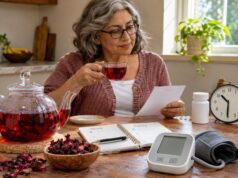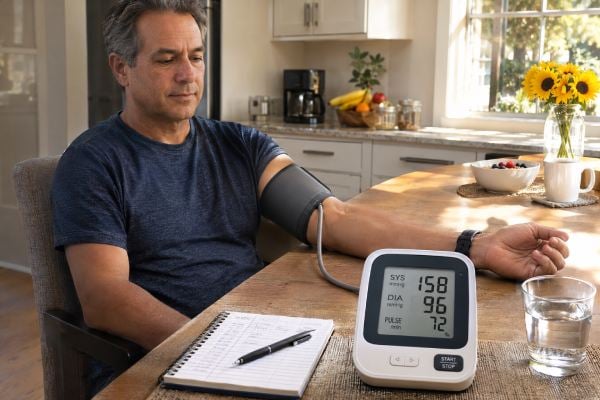
High blood pressure usually causes no warning signs, which is why hypertension is often called a “silent” condition. You can have readings high enough to increase the risk of stroke, heart disease, kidney disease, and other complications while feeling completely normal. Headaches, dizziness, nosebleeds, flushing, and fatigue are often blamed on high blood pressure, but these symptoms are not reliable ways to tell whether your pressure is elevated. The only practical way to know is to measure it with a validated device using correct technique. Symptoms matter most when blood pressure is severely elevated and there may be acute organ injury, such as chest pain, shortness of breath, confusion, weakness, vision changes, or severe neurologic symptoms. Those situations require urgent medical assessment. For everyday hypertension, the safer strategy is routine screening, confirmation with repeated office or home measurements, and treatment based on the numbers and your overall cardiovascular risk—not on whether you “feel hypertensive.”
Table of Contents
- Why High Blood Pressure Often Has No Symptoms
- Symptoms People Often Blame on High Blood Pressure
- When High Blood Pressure Can Cause Symptoms
- How to Know if Your Blood Pressure Is High
- Why One High Reading Does Not Always Mean Hypertension
- Who Should Check Blood Pressure More Closely?
- What to Do After a High Reading
Why High Blood Pressure Often Has No Symptoms
Most hypertension develops gradually. The body can adapt to chronically elevated pressure without producing a sensation you can reliably identify. That is the central reason high blood pressure is “silent.”
Blood pressure is the force of blood against artery walls. Systolic pressure, the top number, reflects pressure when the heart contracts. Diastolic pressure, the bottom number, reflects pressure while the heart relaxes between beats. A person can have either number elevated and still feel well.
The lack of symptoms does not mean the condition is harmless. Over years, elevated pressure can damage artery walls and increase workload on the heart. It can contribute to atherosclerosis, left ventricular thickening, heart failure, stroke, chronic kidney disease, retinal damage, and other problems. The harm is often cumulative, while the person notices little or nothing day to day.
That is different from many illnesses where symptoms track severity closely. With hypertension, how you feel and what your cuff reads can be almost completely disconnected. Someone with a blood pressure of 150/95 mm Hg may feel normal, while someone with a normal pressure may have a pounding headache from migraine, dehydration, stress, or another cause.
This is why screening matters even for people who exercise, eat well, and have no symptoms. Age, genetics, kidney function, sleep apnea, medications, sodium intake, alcohol, body weight, and many other factors can affect blood pressure.
Hypertension can remain silent while measurable organ changes are developing. An electrocardiogram or echocardiogram may show that the heart muscle has thickened from pumping against higher pressure. Urine or blood tests may reveal kidney stress before a person notices any urinary symptoms. An eye examination can show blood-vessel changes in the retina. None of these findings are inevitable, but they illustrate why waiting for symptoms is a poor screening strategy.
The long-term risk also depends on the rest of your cardiovascular profile. High LDL cholesterol, diabetes, smoking, chronic kidney disease, and older age can magnify the harm associated with elevated blood pressure. Two people with the same cuff reading may therefore have different treatment priorities. Modern guidelines increasingly base treatment decisions on both the pressure level and overall cardiovascular risk rather than the number in isolation.
Some hypertension is secondary, meaning another condition or medication is contributing. Kidney disease, primary aldosteronism, thyroid disorders, obstructive sleep apnea, certain adrenal disorders, and some prescription or over-the-counter drugs are examples. Clues can include very early onset, a sudden worsening after years of stable readings, resistant hypertension despite several medicines, low potassium, or unusual symptoms tied to a specific disorder. Most people with hypertension do not have a rare secondary cause, but clinicians look for one when the pattern suggests it.
If you are unsure how the numbers are classified, normal blood pressure readings and what they mean provides the basic ranges. Your clinician may use repeated readings and your overall health to decide whether treatment is needed.
Symptoms People Often Blame on High Blood Pressure
Several common symptoms are frequently attributed to hypertension, but they are too nonspecific to diagnose it.
Headache: High blood pressure is not a common explanation for routine tension headaches or migraines. Pain itself can temporarily raise blood pressure, so a high reading taken during a headache may be a response to pain rather than the cause. A sudden, severe, unusual headache with very high blood pressure or neurologic symptoms is different and can be an emergency.
Dizziness or lightheadedness: These symptoms have many causes, including dehydration, low blood pressure, medication effects, inner-ear problems, anemia, arrhythmias, and anxiety. Blood-pressure treatment can also cause lightheadedness if pressure drops too low, especially when standing.
Nosebleeds: Ordinary nosebleeds are usually caused by dry air, irritation, nasal trauma, allergies, or fragile vessels. Severe uncontrolled hypertension may complicate bleeding in some situations, but a nosebleed alone is not a reliable hypertension symptom.
Facial flushing: Heat, exercise, alcohol, spicy foods, emotions, menopause, and medications can all cause flushing. It does not tell you your blood pressure.
Fatigue or brain fog: These are common and nonspecific. Poor sleep, depression, anemia, thyroid problems, infection, medication effects, and sleep apnea are only a few alternatives.
Pounding heartbeat or palpitations: Stress, caffeine, dehydration, thyroid disease, arrhythmias, medications, and other factors can cause palpitations. The sensation may occur at the same time as a temporary blood-pressure rise without proving chronic hypertension.
The common mistake is reverse reasoning: “I had a headache, and the cuff was high, so the pressure caused the headache.” Sometimes that may be true, especially at extreme pressures, but it is not safe to generalize. Chronic hypertension is diagnosed from reliable measurements, not symptom patterns.
When High Blood Pressure Can Cause Symptoms
Symptoms become more concerning when blood pressure is severely elevated and there are signs of acute injury to the brain, heart, kidneys, aorta, eyes, or lungs. This is the territory of a hypertensive emergency.
Warning symptoms can include:
- Chest pain or pressure
- Severe shortness of breath
- New weakness or numbness, especially on one side
- Trouble speaking or understanding speech
- New confusion or loss of consciousness
- Sudden major vision changes
- Seizure
- Severe or abrupt headache with neurologic symptoms
- Severe back or chest pain that may suggest an aortic problem
- Markedly reduced urine output or other signs of acute kidney dysfunction
A very high number alone and a hypertensive emergency are not exactly the same thing. The emergency diagnosis depends on evidence of acute target-organ injury. However, if your blood pressure is around 180/120 mm Hg or higher, follow your clinician’s emergency plan, repeat the measurement after resting if appropriate, and seek urgent care if the reading remains severely elevated or you have concerning symptoms.
Do not try to lower a severe reading rapidly with extra medication, herbal remedies, alcohol, or someone else’s prescription unless a clinician has specifically instructed you to do so. Dropping pressure too quickly can also be harmful in certain situations.
For a focused guide to severe readings, see hypertensive crisis warning signs and when to seek emergency care. If chest pain is present, when chest pain needs emergency evaluation is also relevant.
Stroke symptoms deserve immediate emergency action regardless of the blood-pressure reading. Use the FAST warning signs and call emergency services rather than waiting to see whether the symptoms improve; stroke symptoms and FAST warning signs explains what to watch for.
How to Know if Your Blood Pressure Is High
Measurement is the only dependable way to know. A diagnosis usually requires more than one reading because blood pressure changes from minute to minute and day to day.
For home monitoring, use a clinically validated automatic upper-arm cuff with the correct cuff size. Wrist devices can be useful in selected situations, but upper-arm monitors are generally preferred for routine use because positioning is easier to standardize.
For an accurate reading:
- Avoid exercise, smoking, and caffeine for about 30 minutes beforehand when practical.
- Empty your bladder.
- Sit quietly for at least five minutes.
- Keep your back supported and both feet flat on the floor.
- Put the cuff on bare skin, not over clothing.
- Support the arm so the cuff is at heart level.
- Do not talk during the reading.
- Take two measurements about one minute apart and record them.
For a complete technique check, use how to measure blood pressure at home.
Many clinicians ask for morning and evening readings over several days. A commonly studied approach uses two readings each time, twice daily, for seven days. Your clinician may use a different schedule based on why you are monitoring.
Out-of-office blood pressure is especially valuable because it can identify patterns that a single clinic visit misses. Home and ambulatory blood-pressure measurements add useful information about cardiovascular risk and can help confirm a diagnosis.
A 24-hour ambulatory monitor automatically measures pressure during normal daily activities and sleep. It can be particularly useful when clinic and home readings disagree. Learn more in 24-hour ambulatory blood-pressure monitoring.
Why One High Reading Does Not Always Mean Hypertension
Blood pressure is dynamic. One high reading can reflect the situation rather than your usual level.
Temporary increases can follow:
- Exercise or rushing to the appointment
- Caffeine or nicotine
- Pain
- Anxiety or emotional stress
- A full bladder
- Cold temperatures
- Certain cold medicines, stimulants, anti-inflammatory drugs, or other medications
- Incorrect cuff size or poor positioning
White coat hypertension means blood pressure is high in a medical setting but lower outside the clinic. It is not always completely benign, but it can lead to overtreatment if no out-of-office measurements are considered. White coat hypertension explains how it is confirmed.
The opposite pattern is masked hypertension: readings look normal in the clinic but are elevated at home or during daily life. Because the office value looks reassuring, masked hypertension can be missed without home or ambulatory monitoring. See masked hypertension for the common clues.
Measurement errors are also common. A cuff that is too small can read falsely high. Talking, crossing the legs, letting the arm hang below heart level, or measuring immediately after activity can shift the result.
This does not mean you should ignore a high number. It means you should confirm it correctly. Repeated, properly measured readings are much more informative than one number captured under poor conditions.
Timing can also explain apparent contradictions. Blood pressure usually follows a daily rhythm, tends to fall during sleep, and rises again around waking. Shift work, poor sleep, sleep apnea, alcohol, pain, stress, and medication timing can alter that pattern. A normal clinic reading at noon does not guarantee normal pressure at 6 a.m. or overnight. That is one reason ambulatory monitoring can be useful when there is concern about masked hypertension, nighttime hypertension, or large day-to-day variability.
Avoid overinterpreting small differences. A change from 138 to 142 mm Hg may reflect normal measurement variability rather than a meaningful physiologic shift. What matters is the average pattern across several properly taken readings. If one arm repeatedly measures substantially higher than the other, mention it to your clinician so future readings can be standardized and vascular causes considered when appropriate.
Who Should Check Blood Pressure More Closely?
Routine screening is important for adults generally, but some people have a higher chance of hypertension or complications and may need more frequent checks.
Closer monitoring is especially useful if you:
- Already have diagnosed hypertension
- Have kidney disease, diabetes, heart disease, or prior stroke
- Have sleep apnea
- Are pregnant or recently postpartum
- Have a strong family history of early hypertension
- Take medicines known to raise blood pressure
- Have repeated borderline or high readings
- Recently changed blood-pressure medication
- Have had white coat or masked hypertension
Age also matters because hypertension becomes more common over time as arteries stiffen and other risk factors accumulate.
People with normal readings do not need to check obsessively. Repeated measurement many times per day can increase anxiety and create noise rather than useful information. A structured schedule is better. For a practical plan, use a home blood-pressure monitoring routine and share the averages with your clinician.
If you are buying a monitor, validation and cuff fit matter more than extra app features. A device that stores readings can be convenient, but a simple validated monitor plus a written log is enough for many people.
What to Do After a High Reading
First, do not panic. Sit quietly, correct your position, and repeat the measurement after a few minutes unless you have symptoms that require immediate care.
If the repeat number is mildly or moderately elevated and you feel well, record it and continue the monitoring schedule your clinician recommended. Several days of readings often reveal whether the result was a one-off or part of a persistent pattern.
If readings stay high, make a routine or prompt appointment depending on how elevated they are and your medical history. Hypertension treatment may include lifestyle changes, medication, or both. The plan is based on cardiovascular risk, kidney health, diabetes, prior cardiovascular disease, age, and other factors—not symptoms alone.
Bring useful data to that appointment. A list of all prescription medicines, pain relievers, decongestants, stimulants, supplements, nicotine products, and alcohol intake can reveal contributors. So can a one- to two-week home log showing morning and evening averages. If your device stores values, bring the monitor or export rather than copying only the highest readings. The clinician may also check kidney function, electrolytes, urine protein, cholesterol, blood sugar, or other tests based on your history.
Lifestyle changes often work best when they target the biggest drivers. For some people that is sodium reduction; for others it is untreated sleep apnea, regular heavy alcohol use, low activity, weight gain, or missed medication doses. The aim is sustained improvement in average pressure, not a temporary low reading after a single “healthy” day.
If the number is severely elevated, especially around 180/120 mm Hg or higher, repeat it after a short period of quiet rest if you can do so safely. If it remains that high, contact urgent medical services or follow your clinician’s instructions. If severe elevation is accompanied by chest pain, shortness of breath, neurologic symptoms, confusion, seizure, or major vision changes, seek emergency care immediately.
For ongoing management, focus on the factors that move average blood pressure: taking medication consistently, reducing excess sodium, staying active, maintaining a healthy weight when appropriate, limiting excess alcohol, avoiding tobacco, getting enough sleep, and treating conditions such as sleep apnea.
The main lesson is simple: hypertension often gives you no bodily warning. Do not wait for headaches, dizziness, or a “pressure feeling” to decide whether to check. Know your numbers, measure them accurately, and act on trends before silent blood-pressure damage becomes a symptomatic cardiovascular event.
References
- 2025 AHA/ACC/AANP/AAPA/ABC/ACCP/ACPM/AGS/AMA/ASPC/NMA/PCNA/SGIM Guideline for the Prevention, Detection, Evaluation and Management of High Blood Pressure in Adults: A Report of the American College of Cardiology/American Heart Association Joint Committee on Clinical Practice Guidelines 2025 (Guideline)
- About High Blood Pressure 2026
- Ambulatory and home blood pressure monitoring for cardiovascular disease risk evaluation: a systematic review and meta-analysis of prospective cohort studies 2024 (Systematic Review)
- Requirements for design and function of blood pressure measuring devices used for the management of hypertension: Consensus Statement by the European Society of Hypertension Working Group on Blood Pressure Monitoring and Cardiovascular Variability and STRIDE BP 2023 (Position Statement)
- A Scoping Review of Asymptomatic Hypertension: Definitions, Diagnosis, and Management in the Emergency Department. 2025 (Review)
Disclaimer
High blood pressure often has no symptoms, so this article cannot be used to rule hypertension in or out based on how you feel. Seek emergency care for severe blood-pressure elevation accompanied by chest pain, shortness of breath, neurologic symptoms, confusion, seizure, or major vision changes, and discuss repeated high readings with a healthcare professional.