A blood pressure higher than 180/120 mm Hg can signal a hypertensive crisis, but the number alone does not tell you whether there is an emergency. The critical question is whether very high blood pressure is occurring with signs of acute damage to the brain, heart, aorta, kidneys, eyes, or other organs. If a repeat reading remains above 180/120 and you have chest pain, shortness of breath, new weakness or numbness, difficulty speaking, a vision change, severe confusion, or another new alarming symptom, call emergency services immediately. Do not wait for the pressure to fall on its own. If the reading remains above 180/120 but you feel well and have no concerning symptoms, current U.S. guidance generally treats this as severe hypertension that needs prompt professional assessment rather than automatic hospital treatment. Pregnancy is different: severe hypertension begins at lower thresholds, and urgent obstetric evaluation may be needed. The steps below explain how to repeat a reading correctly, recognize organ-damage warning signs, avoid unsafe at-home fixes, and know what usually happens in emergency care.
Table of Contents
- Know the Difference Between Severe Hypertension and Emergency
- Recognize Warning Signs of Organ Damage
- Repeat an Extreme Reading Correctly
- Take the Right Action Based on Symptoms
- Avoid Common At-Home Mistakes
- Understand What Happens in the Emergency Department
- Prevent Another Severe Blood Pressure Spike
Know the Difference Between Severe Hypertension and Emergency
A very high blood pressure reading is serious, but clinicians separate severe hypertension from hypertensive emergency because the treatment is different.
In current U.S. guidance for nonpregnant adults, severe hypertension is generally a blood pressure higher than 180/120 mm Hg without evidence of acute target-organ damage. A hypertensive emergency is very high blood pressure with new or worsening organ damage. European guidance defines hypertensive emergency as blood pressure at least 180/110 mm Hg together with acute hypertension-mediated organ damage. The exact numerical wording differs slightly across guidelines, but the clinical principle is the same: symptoms and organ injury determine the emergency.
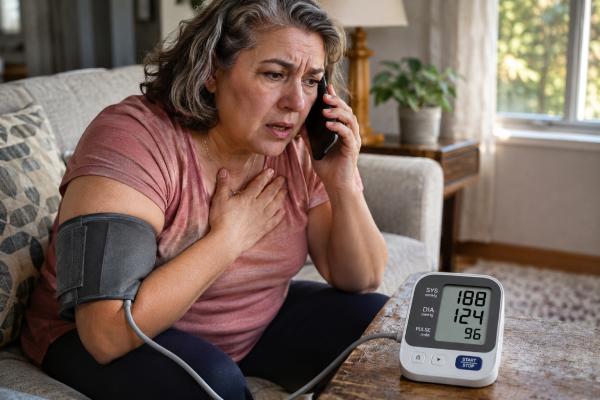
A reading such as 188/124 mm Hg deserves immediate attention even if you feel normal. But lowering it as fast as possible at home is not the goal. When there is no acute organ damage, overly rapid blood pressure reduction can reduce blood flow to organs that have adapted to chronically high pressure. Current U.S. guidance favors timely outpatient evaluation and adjustment or restart of oral treatment for severe hypertension without acute target-organ damage.
By contrast, hypertensive emergency can threaten life or organ function. It may cause or accompany stroke, bleeding in the brain, acute heart failure with fluid in the lungs, heart attack, aortic dissection, acute kidney injury, hypertensive encephalopathy, or severe eye damage. These conditions need monitored treatment, often with intravenous medication, and the pressure is lowered in a controlled way based on the specific organ problem.
Do not depend on symptoms to screen for ordinary hypertension. Most chronic high blood pressure is silent. A person can have years of elevated pressure without headache or dizziness. That is why regular measurement matters. A guide to silent high blood pressure and symptoms explains why “I feel fine” is not proof that routine hypertension is harmless.
The emergency question is narrower: with an extreme reading, are there new symptoms that could mean an organ is being injured right now?
Recognize Warning Signs of Organ Damage
Warning signs depend on which organ system is affected. They can be dramatic, but some are easy to dismiss. When blood pressure is extremely high, new neurologic, cardiac, breathing, or vision symptoms require urgent attention.
Call emergency services for a very high blood pressure reading with symptoms such as:
- Chest pain, pressure, squeezing, or a new heavy sensation.
- Shortness of breath, especially sudden or severe breathlessness.
- New weakness or numbness, particularly on one side of the body.
- Difficulty speaking, understanding speech, or sudden confusion.
- A new vision change, severe blurring, or loss of vision.
- Fainting, a seizure, or marked change in alertness.
- Severe dizziness with neurologic symptoms.
- Sudden severe back or chest pain that is unusual for you.
- Other new, severe symptoms that suggest a medical emergency.
Stroke symptoms need immediate action even if the blood pressure number later falls. Do not wait for weakness, speech difficulty, or facial drooping to improve. Stroke treatment can be time-sensitive.
Chest pain can reflect reduced blood flow to the heart, a heart attack, or a dangerous aortic problem. The typical pattern of angina symptoms such as chest pressure and shortness of breath is useful background, but new chest pain with extreme blood pressure should be treated as an emergency rather than self-diagnosed.
Severe shortness of breath can occur when the heart suddenly cannot handle the pressure load and fluid backs up into the lungs. People may be unable to lie flat, cough, feel air hunger, or become sweaty and distressed.
Neurologic symptoms can occur with ischemic stroke, brain bleeding, or hypertensive encephalopathy. Hypertensive encephalopathy can cause severe headache, confusion, visual disturbance, seizures, or reduced consciousness. A headache by itself is not enough to diagnose a hypertensive emergency, but an unusually severe headache with neurologic changes and very high pressure is concerning.
Kidney injury may be less obvious. Reduced urine output, blood-test changes, or fluid overload can appear in hospital evaluation even without a distinctive symptom at home. That is one reason clinicians use examination, labs, and sometimes imaging rather than symptoms alone.
Repeat an Extreme Reading Correctly
If you see a reading higher than 180/120 mm Hg and you are not having emergency symptoms, repeat it correctly before deciding what to do next. A single reading can be distorted by movement, pain, talking, an incorrect cuff, or recent activity.
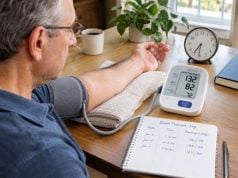
First, stop what you are doing and sit quietly. If possible, rest with your back supported, feet flat and uncrossed, and arm supported at heart level. Put the cuff on bare skin. Do not talk. If you have just walked upstairs, exercised, smoked, or used caffeine, those factors can influence the reading, but do not delay emergency care if you also have concerning symptoms.
Wait at least one minute and measure again. Use the same arm and a validated upper-arm monitor with the correct cuff size. A cuff that is too small can falsely raise the result.
If you are unsure whether your home technique is accurate, review how to measure blood pressure at home after the urgent situation is resolved. In the moment, the priority is a calm, reasonable repeat—not a long troubleshooting session.
Do not take 10 or 20 measurements in a row. Repeated checking can increase anxiety and produce a confusing series of values. If the repeat is still above 180/120, act based on symptoms and your clinician’s plan.
Also confirm that you are reading the display correctly. Systolic pressure is the top number and diastolic pressure is the bottom number. Either can be dangerously high. A reading of 184/92 is still an extreme systolic value even though the diastolic number is below 120. Likewise, 168/124 has a very high diastolic pressure that warrants prompt professional attention.
Home devices can occasionally malfunction, but do not assume the machine is wrong because the number is frightening. If the device repeatedly gives extreme readings and you have symptoms, seek care. If you have no symptoms and a second validated device is available without delaying care, comparison can be useful, but it is not required before contacting a healthcare professional.
Take the Right Action Based on Symptoms
The action plan for nonpregnant adults can be simplified into three levels.
| Situation | Recommended action |
|---|---|
| Above 180/120 with chest pain, shortness of breath, neurologic symptoms, vision change, or another new alarming symptom | Call emergency services now; do not wait for the pressure to fall |
| Above 180/120 on repeat measurement but no concerning symptoms | Contact your healthcare professional promptly for same-day or timely guidance |
| Below crisis range but repeatedly far above your usual readings | Record the readings and contact your clinician; timing depends on the level, symptoms, and medical history |
If emergency symptoms are present, call rather than driving yourself if possible. Emergency medical teams can begin assessment and treatment during transport and can respond if your condition worsens.
If you have no symptoms but the repeat remains above 180/120, do not ignore it simply because you feel normal. Call your healthcare professional promptly. They may ask about missed medication, recent prescriptions, pain, illness, stimulant use, kidney disease, pregnancy status, and your usual blood pressure. They may arrange urgent office assessment, recommend a medication plan, or direct you to emergency care depending on the details.
Pregnancy and the postpartum period need lower thresholds
Pregnancy changes the emergency framework. The American Heart Association lists severe hypertension in pregnancy at systolic pressure of 160 mm Hg or higher or diastolic pressure of 110 mm Hg or higher. Severe headache, a change in vision, abdominal pain, chest pain, significant swelling, or shortness of breath are urgent warning signs. Call emergency services when severe blood pressure is accompanied by these symptoms, and follow your obstetric team’s instructions for high readings even when symptoms are absent.
Postpartum preeclampsia can occur after delivery, including in people who did not have obvious hypertension during pregnancy. New severe headache, visual symptoms, shortness of breath, upper abdominal pain, swelling, or high blood pressure in the weeks after birth needs prompt medical attention.
Children and adolescents also require age-specific interpretation. Do not apply adult crisis thresholds to a child without professional guidance.
Avoid Common At-Home Mistakes
The most dangerous mistake is trying to rapidly lower extreme blood pressure without medical guidance.
Do not take extra doses of prescription blood pressure medicine unless a clinician has specifically told you what to take and when. Some medicines work slowly, and doubling a dose can cause delayed hypotension, fainting, kidney problems, or electrolyte changes. Others may interact with medications you already took.
Do not use someone else’s medication. The choice of drug and rate of blood pressure lowering depend on the cause, organ involvement, kidney function, pregnancy status, and other medical conditions.
Do not exercise to “bring the number down.” Exercise usually benefits long-term blood pressure, but an intense workout during severe hypertension can add cardiovascular stress. Resume activity after the situation is assessed and your pressure is stable. For routine prevention, exercise for high blood pressure can be valuable once it is safe.
Do not try to fix the reading by drinking large amounts of water, taking potassium, using supplements, or consuming alcohol. None of these is an appropriate emergency treatment. Some supplements and decongestants can make blood pressure worse.
Do not delay because you want to identify the trigger first. Missing medication, pain, anxiety, stimulant drugs, kidney disease, or medication interactions may contribute, but the immediate priority is recognizing organ-damage symptoms.
And do not assume that a lack of headache means you are safe. Chronic hypertension and even severe elevations can occur without headache. Symptoms help identify an emergency; they do not determine whether high blood pressure needs treatment in general.
After the urgent issue is addressed, it can be useful to review common causes of sudden blood pressure spikes with your clinician so preventable triggers can be reduced.
Understand What Happens in the Emergency Department
Emergency clinicians do not treat a hypertensive emergency by chasing a normal blood pressure number as fast as possible. They first identify whether acute organ damage is present and what condition is causing the danger.
Evaluation may include repeated blood pressure measurements, a neurologic and cardiovascular examination, electrocardiogram, blood tests, urine testing, and imaging based on symptoms. Chest pain may lead to cardiac testing and imaging for aortic disease when appropriate. Neurologic deficits may lead to urgent brain imaging. Severe breathlessness may prompt chest imaging and evaluation for acute heart failure.
When acute target-organ damage is confirmed, treatment often uses intravenous blood pressure medication in a monitored setting. The chosen drug and the speed of reduction depend on the emergency. Aortic dissection, acute ischemic stroke, brain hemorrhage, pulmonary edema, pregnancy-related hypertension, and other conditions have different treatment targets.
This controlled approach matters because dropping blood pressure too quickly can reduce perfusion to the brain, heart, and kidneys. People with long-standing severe hypertension may have adapted to higher pressures, so clinicians often lower pressure in stages unless a specific emergency requires a different target.
If no acute organ damage is found, intravenous treatment may not be needed. A 2024 American Heart Association scientific statement emphasized that treating asymptomatic inpatient blood pressure aggressively is not supported by the same evidence used for outpatient hypertension and may sometimes cause harm. The focus may instead be on confirming accurate measurement, restarting missed medicines, adjusting oral therapy, and arranging follow-up.
That distinction can feel surprising: two people can have the same cuff reading and receive very different treatment. One may need intensive care because of acute organ damage, while the other may need oral medication and close outpatient follow-up. The number matters, but the organ effects determine the emergency pathway.
Prevent Another Severe Blood Pressure Spike
After a severe episode, prevention starts with finding out why control failed. Common contributors include missed medication, an inadequate treatment regimen, kidney disease, untreated sleep apnea, heavy alcohol use, stimulant drugs, certain over-the-counter medicines, pain, and poor measurement technique.
Bring a complete medication list to follow-up, including cold medicines, anti-inflammatory pain relievers, herbal products, stimulants, and supplements. If doses are hard to remember or the schedule is complicated, ask whether once-daily medicines or a combination pill could simplify treatment.
Use home monitoring strategically. A validated upper-arm monitor and a structured home blood pressure schedule can show whether treatment is working between visits. Take two readings about one minute apart at the times your clinician recommends and bring averages or a clear log rather than a long list of random checks.
Long-term blood pressure control usually combines medication when indicated with lifestyle measures. Lower sodium intake, regular physical activity, weight management when needed, adequate sleep, limited alcohol, and a heart-healthy eating pattern can all contribute. Lifestyle changes work over weeks and months; they are not substitutes for urgent evaluation during a crisis.
Know your personal action plan before the next extreme reading occurs. Ask your clinician:
- At what number should I call the office?
- Which symptoms mean I should call emergency services immediately?
- What should I do if I miss a medication dose?
- Should I have kidney function or electrolytes checked after medication changes?
- How often should I send or bring home readings?
If your blood pressure remains high despite taking three or more appropriate medications, your clinician may evaluate for resistant hypertension, medication interference, sleep apnea, kidney disease, hormonal causes, or other secondary problems.
Most importantly, do not let a normal reading the next day erase the event. An episode above 180/120 may reveal that your hypertension plan needs attention even when it was not an emergency. Follow-up turns a frightening number into a prevention strategy.
References
- 2025 AHA/ACC/AANP/AAPA/ABC/ACCP/ACPM/AGS/AMA/ASPC/NMA/PCNA/SGIM Guideline for the Prevention, Detection, Evaluation and Management of High Blood Pressure in Adults: A Report of the American College of Cardiology/American Heart Association Joint Committee on Clinical Practice Guidelines 2025 (Guideline)
- When To Call 911 About High Blood Pressure 2025
- The Management of Elevated Blood Pressure in the Acute Care Setting: A Scientific Statement From the American Heart Association 2024 (Position Statement)
- 2024 ESC Guidelines for the management of elevated blood pressure and hypertension 2024 (Guideline)
- 2023 ESH Guidelines for the management of arterial hypertension The Task Force for the management of arterial hypertension of the European Society of Hypertension: Endorsed by the International Society of Hypertension (ISH) and the European Renal Association (ERA) 2023 (Guideline)
- Top 10 Things to Know About the AHA/ACC High Blood Pressure Guideline 2025
Disclaimer
This article is for general education and is not a substitute for emergency assessment or individualized medical care. Blood pressure thresholds and treatment can differ during pregnancy, childhood, and specific cardiovascular emergencies. If very high blood pressure occurs with chest pain, shortness of breath, neurologic symptoms, vision changes, fainting, or another severe new symptom, call emergency services immediately.