
Prickly Pear (Opuntia ficus-indica) Nutrition, Uses, Blood Sugar Support, and Safety Guide
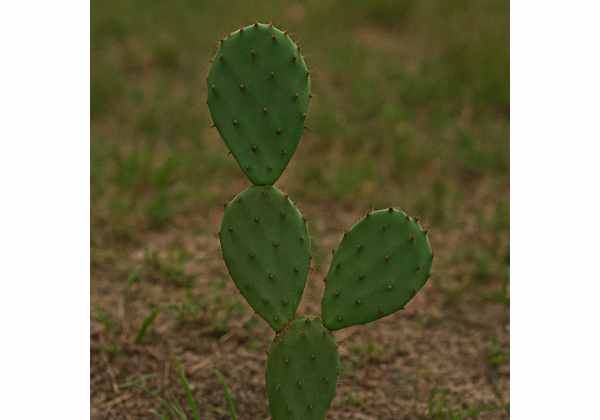
Prickly pear, botanically known as Opuntia ficus-indica, is a cactus valued as both a traditional food and a modern functional ingredient. Its bright fruits...
Prickly Lettuce Benefits for Relaxation, Cough Support, Digestive Comfort, and Dosage
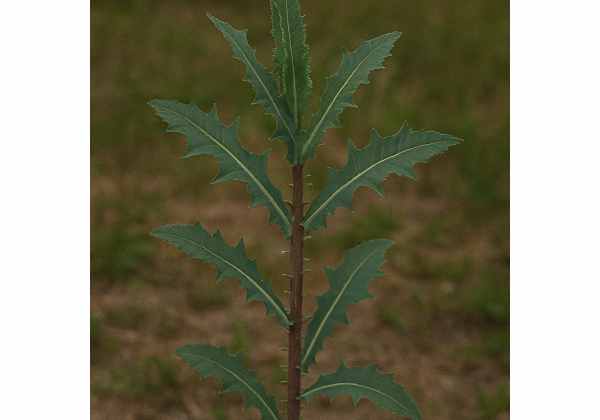
Prickly lettuce, Lactuca serriola, is a bitter, milky-sapped plant in the daisy family that has long lived in two worlds at once: as a...
Prickly Ash Benefits for Toothache, Digestion, Circulation, and Herbal Support
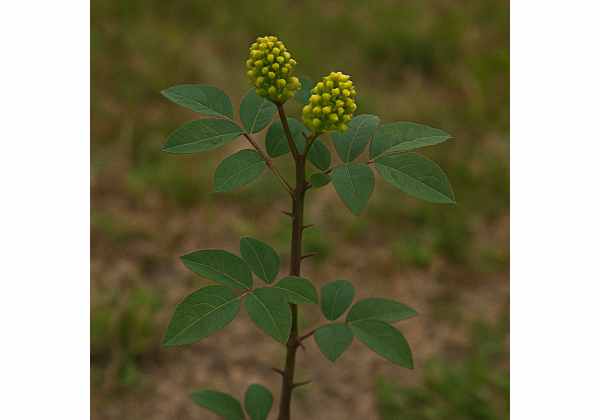
Prickly ash is a warming North American medicinal tree and shrub best known for the striking tingling and numbing feeling its bark and berries...
Portulaca (Portulaca oleracea) Uses for Metabolic Health, Liver Support, and Digestive Balance
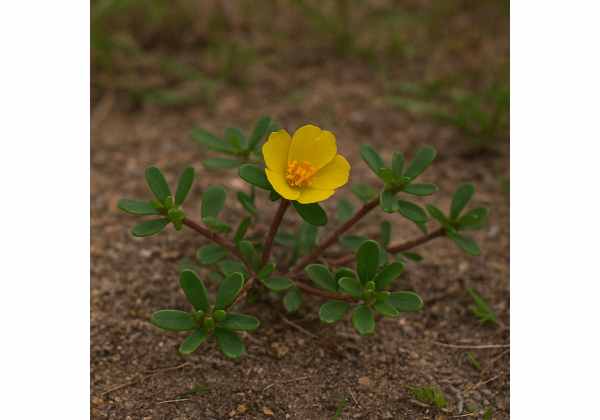
Portulaca oleracea, better known as purslane, is a low-growing succulent herb that has long lived in the overlap between food and medicine. In many...
Poreleaf for Inflammation, Digestive Support, Culinary Uses, Dosage, and Safety
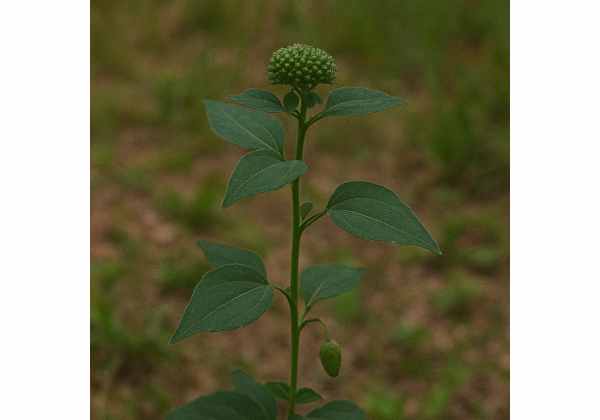
Poreleaf, better known in many food traditions as papalo, papaloquelite, or Bolivian coriander, is an aromatic herb from the daisy family whose leaves are...
Poppy Mallow Root Uses, Traditional Benefits, Preparation, Dosage, and Risks
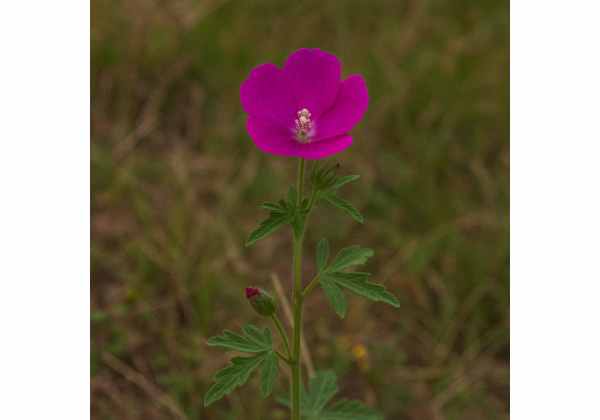
Purple poppy mallow, also called winecup or buffalo rose, is a prairie plant better known for its vivid magenta flowers than for a well-developed...
Poppy (Papaver somniferum) Nutrition, Medicinal Effects, Dosage Limits, and Risks
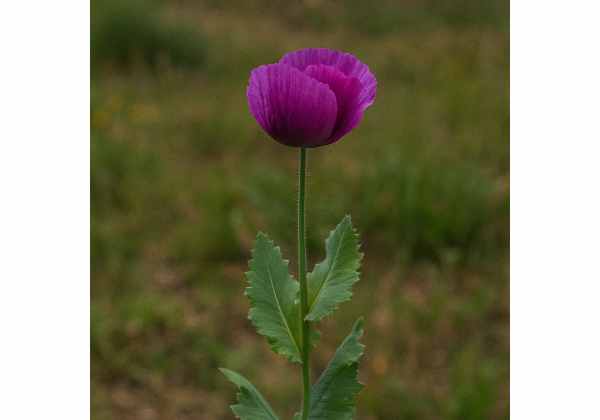
Poppy, or Papaver somniferum, is one of the most complicated plants in herbal and medical history. It is known both as a food plant...
Poplar Buds for Skin, Inflammation, Respiratory Support, and Safe Use
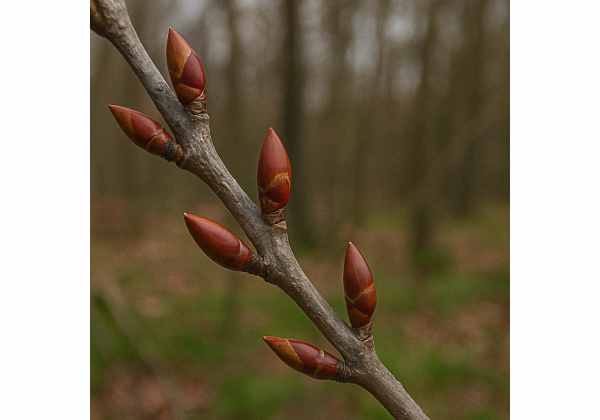
Poplar buds are the sticky, resin-coated young buds of various poplar trees, including black poplar, balsam poplar, and related species in the Populus genus....
Poor Man’s Mustard (Alliaria petiolata) Nutrition, Herbal Uses, Dosage, and Precautions
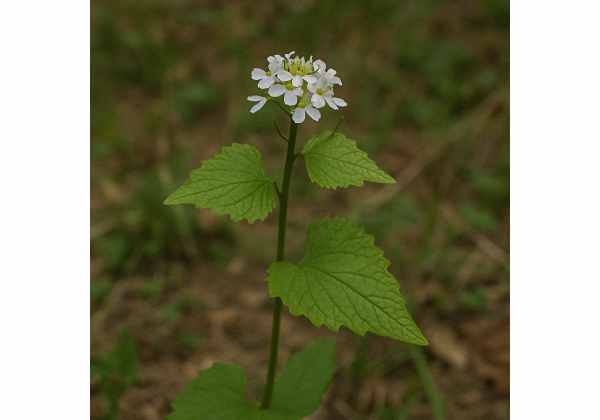
Poor man’s mustard, more widely known as garlic mustard, is a pungent spring herb in the mustard family that has long been used as...
Polypody (Polypodium vulgare) Uses for Cough, Constipation, and Herbal Support
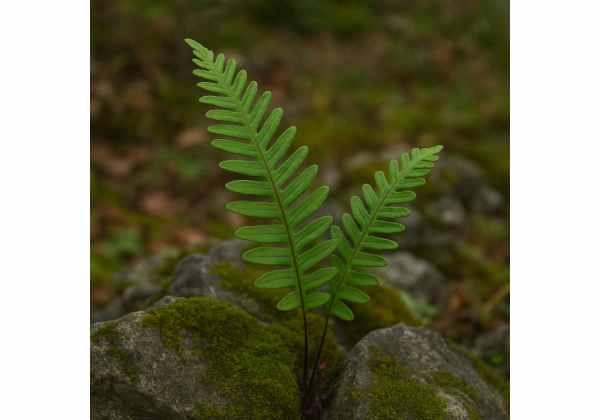
Polypody, usually referring to the common fern Polypodium vulgare, is an old European herbal remedy with a surprisingly broad traditional reputation. The medicinal part...
Polygala (Polygala tenuifolia) Benefits for Cognitive Support, Calm Focus, and Sleep Quality
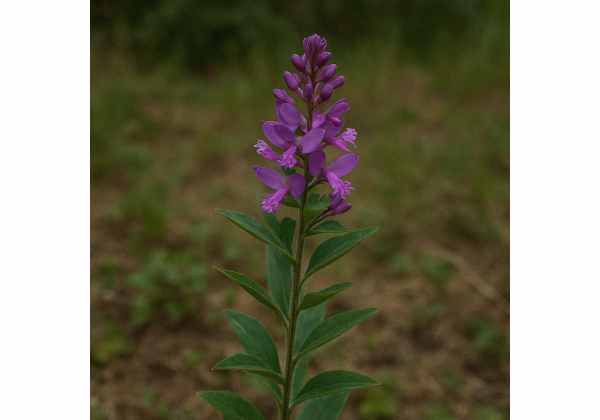
Polygala tenuifolia, often called yuan zhi or thinleaf milkwort, is a traditional East Asian medicinal root best known for its long association with memory,...
Poke Root Medicinal Properties, Research, Side Effects, and Risks
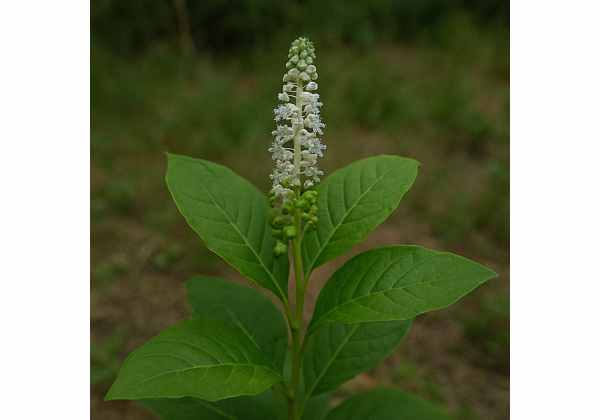
Poke root is one of the clearest examples of why herbal medicine requires nuance. Phytolacca americana, commonly called American pokeweed, has a long history...
Pleurisy Root Traditional Lung Benefits, Preparations, and Risks
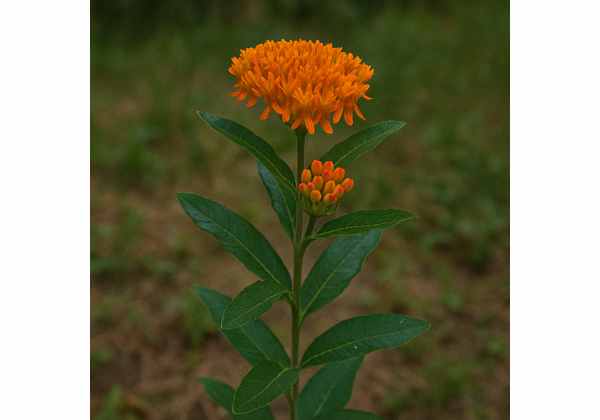
Pleurisy root, Asclepias tuberosa, is one of the classic North American respiratory herbs, remembered as much for its old reputation as for its bright...
Platycodon Benefits for Cough, Phlegm, Sore Throat, and Safe Use
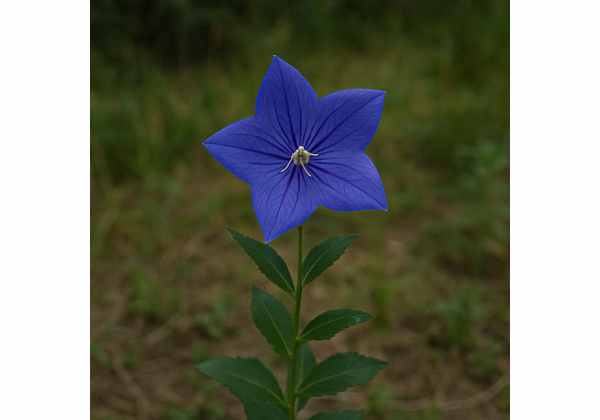
Platycodon, also known as balloon flower root or Platycodon grandiflorus, is a long-used East Asian medicinal and food herb best known for supporting the...
Plantain Medicinal Properties, Respiratory Benefits, Topical Uses, and Side Effects
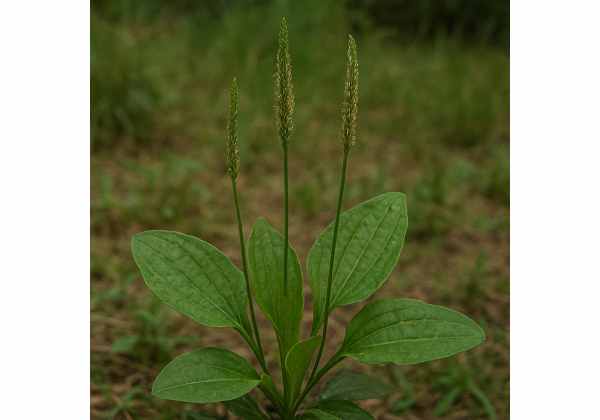
Plantain in this article refers to the medicinal herb, not the starchy cooking banana. The two species most often discussed are Plantago major and...
Pipsissewa for Urinary Support, Inflammation, and Safe Use
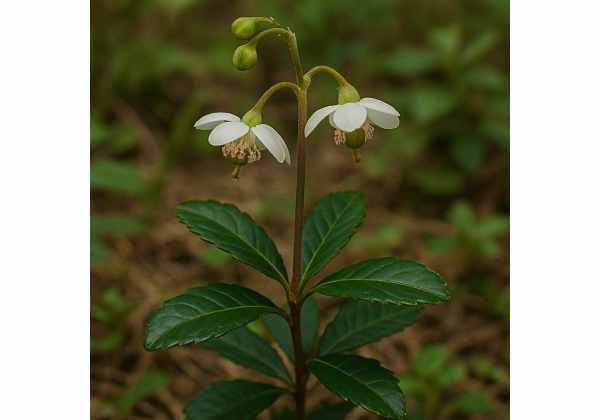
Pipsissewa, or Chimaphila umbellata, is a small evergreen woodland herb with a long history in North American and European herbal traditions. It is also...
Pinkroot Medicinal Properties, Traditional Uses, and Safety Warnings
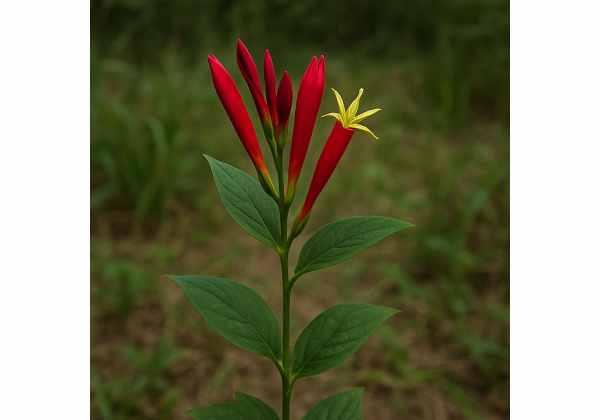
Pinkroot, or Spigelia marilandica, is one of those herbs whose beauty and medicinal history pull in opposite directions. Botanically, it is a striking North...
Pineapple Sage Tea Benefits, Culinary Uses, Dosage, and Precautions
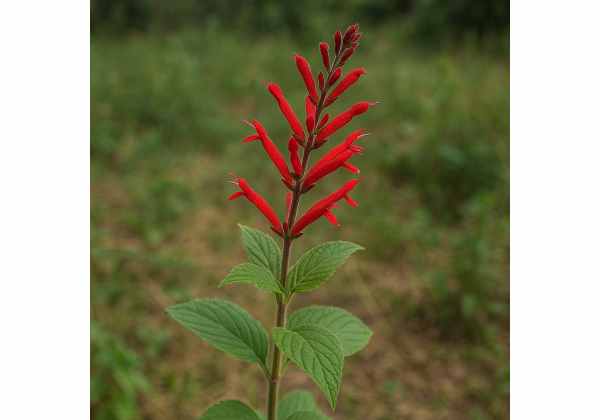
Pineapple sage is one of those herbs that feels instantly friendly. Its leaves release a sweet, fruity scent when rubbed, its red flowers brighten...
Pineapple Mint Benefits for Digestion, Tea Use, and Safe Dosing
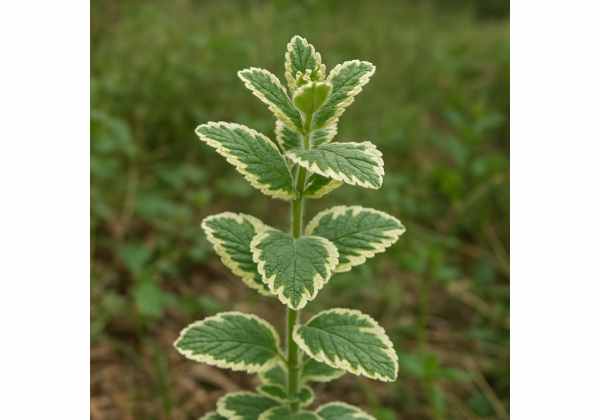
Pineapple mint is one of the most appealing members of the mint family, but it is also one of the easiest to oversimplify. Botanically,...
Pine Medicinal Properties, Respiratory Uses, Dosage, and Side Effects

Scots pine, Pinus sylvestris, is one of Europe’s most familiar conifers, yet it is also a long-used medicinal plant. Traditional herbal practice has relied...