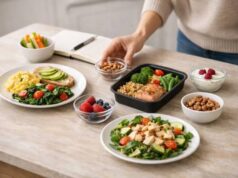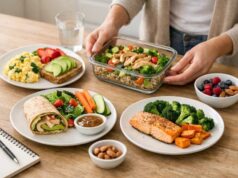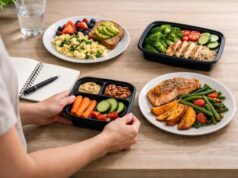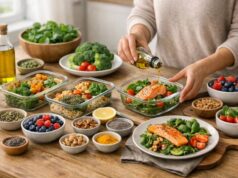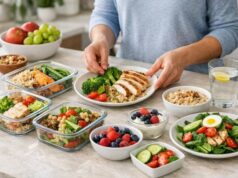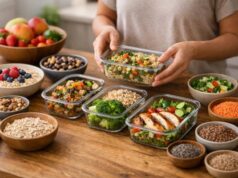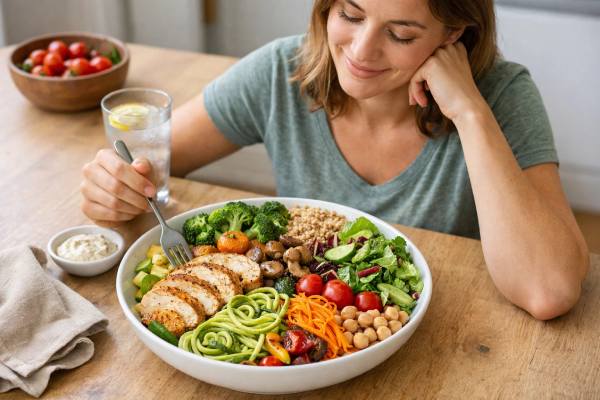
Filling low-calorie meals for weight loss work because they make a calorie deficit feel less like restriction. The goal is not to eat tiny portions and hope willpower carries you through. It is to build meals that look substantial, take time to eat, and keep you satisfied with fewer calories by using more protein, more fiber, more water-rich foods, and smarter portion choices.
This guide explains what makes a meal high-volume and satisfying, which foods help most, how to build breakfasts, lunches, dinners, and snacks that actually hold you, and which common mistakes turn a supposedly light meal into one that leaves you hungry an hour later.
Table of Contents
- What makes a low-calorie meal filling
- Best foods for high-volume low-calorie meals
- Filling low-calorie breakfast ideas
- Filling low-calorie lunch and dinner ideas
- How to build your own volume meals
- Smart snacks sides and desserts
- Grocery strategy and meal prep tips
- Mistakes that make light meals less filling
What makes a low-calorie meal filling
A filling low-calorie meal is not just a small meal with the calories kept low. It is a meal designed to satisfy appetite while controlling energy intake. That usually means combining four things: protein, fiber, food volume, and enough flavor that the meal feels complete.
Protein is one of the biggest drivers of satiety. Meals built around Greek yogurt, eggs, cottage cheese, chicken, turkey, fish, tofu, edamame, lentils, or beans usually hold better than meals built around refined carbs alone. Fiber matters too. Foods like oats, beans, potatoes, fruit, vegetables, and whole grains slow eating down and add physical bulk. Volume matters because the stomach responds not only to calories but also to the size and weight of what you eat. Water-rich foods such as soup, fruit, cooked vegetables, and large salads can help meals feel generous without sending calories too high.
A useful way to think about it is energy density. Low-energy-density foods give you more food for fewer calories. That is why a large bowl of vegetable soup with chicken and beans often feels more satisfying than a much smaller pastry or snack mix with the same calories. One takes up space, has more chewing or spoon time, and usually includes better satiety ingredients. The other disappears fast.
This is also why the best filling meals for fat loss usually overlap with foods that make a calorie deficit easier and with strategies from high-volume low-calorie eating. The best meals are rarely built around a single miracle ingredient. They are built around combinations that solve hunger.
A low-calorie meal also needs enough enjoyment to be repeatable. Dry chicken and steamed vegetables might look perfect in a nutrition tracker, but if they leave you unsatisfied or bored, the plan often backfires later. Flavor matters because satisfaction is not only physical. Meals that include salsa, herbs, yogurt sauce, lemon, vinegar, spice blends, broth, or a measured amount of cheese or avocado often work better than bland meals that look good only on paper.
A practical test is simple: after eating, do you feel fed, or do you feel like you still need “something else”? The best filling low-calorie meals reduce that second feeling.
Best foods for high-volume low-calorie meals
The easiest way to build filling low-calorie meals is to keep the right ingredients around. Some foods do a much better job than others of creating meal size, texture, and satiety without pushing calories up too quickly.
The most useful categories are:
- Lean and high-protein foods
- Fiber-rich carbohydrates
- Water-rich produce
- Broth-based and mixed meals
- Small, measured amounts of satisfying fats
| Food group | Examples | Why it works |
|---|---|---|
| Lean protein | Chicken breast, turkey, tuna, shrimp, white fish, egg whites, Greek yogurt, cottage cheese, tofu | Helps meals satisfy for fewer calories |
| Fiber-rich carbs | Oats, beans, lentils, potatoes, sweet potatoes, fruit, high-fiber wraps | Adds bulk and slows digestion |
| Low-calorie produce | Leafy greens, cucumbers, tomatoes, mushrooms, zucchini, broccoli, cauliflower, carrots, berries | Creates larger portions with fewer calories |
| Soup and bowl ingredients | Broth, shredded chicken, beans, vegetables, rice, potatoes | Combines water, fiber, and protein in one meal |
| Measured fats | Olive oil, avocado, nuts, seeds, hummus | Improves taste and satiety when portions are controlled |
Some foods deserve special mention. Potatoes are often underrated because they get grouped with fries and chips, but plain baked or boiled potatoes can be very satisfying. Beans and lentils are especially useful because they bring both fiber and protein. Greek yogurt and cottage cheese are valuable because they are easy to portion, easy to repeat, and easy to turn into sweet or savory meals. Vegetables such as zucchini, mushrooms, cabbage, cauliflower, broccoli, and tomatoes help “stretch” meals so the plate looks full.
Fruit is also more useful than many people realize. Berries, apples, oranges, melons, and pears can make meals or snacks feel much bigger than calorie-equivalent sweets. This is one reason articles on filling fruits for weight loss and high-volume vegetables tend to overlap so much with volume-eating advice.
The foods that usually work worst are the ones that are calorie-dense and easy to eat fast without much fullness. Pastries, chips, sweetened coffee drinks, trail mix, large amounts of granola, crackers, and many restaurant foods can fit occasionally, but they are not the easiest tools when your goal is to eat more volume for fewer calories.
Filling low-calorie breakfast ideas
Breakfast can either make the day easier or leave you chasing fullness all morning. The most filling low-calorie breakfasts usually contain a strong protein source, some fiber, and enough physical volume that breakfast feels like a real meal rather than a snack pretending to be one.
Good options include:
- Greek yogurt with berries, oats, chia seeds, and cinnamon
- Egg scramble with spinach, mushrooms, tomatoes, and one slice of toast
- Cottage cheese bowl with fruit and a small amount of high-fiber cereal
- Oatmeal cooked with extra egg whites or served with Greek yogurt on the side
- Protein smoothie made with Greek yogurt, berries, spinach, and ice
- Breakfast burrito with eggs, black beans, salsa, and vegetables in a high-fiber wrap
What makes these work is not just the calorie number. It is that they give you something substantial to eat. A bowl of yogurt with berries and oats feels more complete than a flavored coffee and a granola bar. Eggs with vegetables and toast tend to hold better than toast alone. Oatmeal becomes much more useful when protein is added instead of treating it like a carb-only meal.
Many women and men who struggle with late-morning hunger do better when breakfast contains 25 to 35 grams of protein rather than 10 to 15. That does not mean everyone needs the same number, but it does explain why a stronger breakfast often leads to fewer cravings later. This lines up well with practical advice on high-protein breakfasts and with easier low-calorie breakfast ideas that still feel substantial.
A few breakfast upgrades make a big difference:
- Add fruit instead of juice
- Use plain Greek yogurt instead of sugary yogurt cups
- Include vegetables with egg meals
- Choose oats or higher-fiber toast instead of pastries
- Blend smoothies thick enough to eat slowly, not thin enough to drink in 90 seconds
One common mistake is making breakfast too small because you are “saving calories.” That often backfires by making lunch feel urgent and snacks harder to control. A filling breakfast does not have to be huge, but it should be built to last longer than a quick sugar spike.
Filling low-calorie lunch and dinner ideas
Lunch and dinner are where high-volume eating usually shines. These meals give you the most room to combine protein, vegetables, fiber-rich carbs, and broth-based options into plates or bowls that feel large and satisfying.
Some of the best filling low-calorie lunch and dinner ideas are:
- Chicken and vegetable soup with white beans
- Turkey chili with extra vegetables and beans
- Taco bowl with lean meat, black beans, lettuce, tomatoes, salsa, and a moderate rice portion
- Baked potato topped with Greek yogurt, salsa, and shredded chicken
- Stir-fry with tofu or chicken, lots of vegetables, and a controlled rice serving
- Big chopped salad with grilled chicken, chickpeas, crunchy vegetables, and light dressing
- Salmon with roasted broccoli and potatoes
- Egg roll in a bowl with lean ground turkey, cabbage, carrots, and sauce
- Lentil soup with side salad and cottage cheese
- Cauliflower rice and regular rice mixed together with protein and vegetables
These meals work because they are built from a formula rather than a single food. The protein gives staying power. The vegetables create size. The carb portion prevents the meal from feeling incomplete. The sauces or toppings keep the meal enjoyable.
| Meal type | High-volume base | Protein anchor | Smart carb |
|---|---|---|---|
| Soup | Broth, vegetables | Chicken, beans, lentils | Potatoes, barley, rice |
| Bowl | Greens, salsa, vegetables | Turkey, tofu, chicken, fish | Rice, beans, potatoes |
| Salad | Lettuce, cabbage, chopped vegetables | Chicken, tuna, eggs, tofu | Beans, fruit, whole-grain croutons |
| Skillet | Cabbage, zucchini, mushrooms, peppers | Lean meat or tofu | Rice, noodles, potatoes |
A lot of people assume a filling low-calorie dinner means “just eat more vegetables.” That is not enough by itself. A giant plate of vegetables without adequate protein or satisfying carbs can still leave you prowling the kitchen later. The best volume meals are balanced, not just bulky.
For people who like structure, this is where easy high-protein high-fiber dinners and simple low-calorie dinners are especially useful. They help solve the 6 p.m. problem: wanting a meal that feels comforting without accidentally turning dinner into the largest calorie bomb of the day.
How to build your own volume meals
Once you understand the structure, you do not need endless recipes. You can build your own filling low-calorie meals from what is already in your kitchen.
A good formula is:
- Start with a protein
- Add at least one high-volume produce base
- Include a fiber-rich or satisfying carb
- Add flavor with a measured fat or sauce
- Make the portion visually generous
Here is what that looks like in real life:
- Protein: chicken, turkey, tuna, salmon, shrimp, eggs, Greek yogurt, cottage cheese, tofu, beans, lentils
- Produce base: salad greens, cabbage slaw, broccoli, zucchini, tomatoes, mushrooms, cauliflower, carrots, soup vegetables
- Carb: potatoes, rice, beans, oats, fruit, lentils, high-fiber wraps, whole grains
- Flavor: salsa, yogurt sauce, soy sauce, garlic, lemon, herbs, hot sauce, hummus, olive oil in a controlled amount
A few examples:
- Rotisserie chicken + bagged slaw + microwaved potatoes + salsa
- Tuna + chopped cucumber and tomatoes + chickpeas + lemon and herbs
- Tofu + frozen stir-fry vegetables + rice + soy and ginger
- Greek yogurt + berries + oats + chia seeds
- Egg whites and whole eggs + spinach and mushrooms + toast
This approach overlaps with the same logic behind building a high-protein plate and choosing meals that fit a calorie deficit. The difference is that here the emphasis is on volume and fullness.
A few simple rules improve almost any meal:
- Use at least one protein source you can see clearly on the plate
- Use vegetables or fruit to expand meal size
- Do not fear potatoes, beans, oats, or fruit if they make the meal more satisfying
- Use fats strategically, not casually
- Prefer foods you chew or spoon over foods you drink
The visual side matters more than many people realize. A meal that fills most of a bowl or plate often feels more satisfying than a tiny “diet meal,” even when calories are controlled. That is not a trick. It is part of how meal satisfaction works.
Smart snacks sides and desserts
Snacks, side dishes, and desserts can either support a high-volume eating approach or quietly undermine it. The goal is not to eliminate them. It is to choose options that add satisfaction without turning into easy-to-overeat extras.
Smart filling snack ideas include:
- Greek yogurt with berries
- Cottage cheese with pineapple or melon
- Apple slices with a measured spoon of peanut butter
- Air-popped popcorn
- Edamame
- Roasted chickpeas
- High-protein pudding or yogurt bowl
- Vegetables with hummus
- Soup as a mini-meal
- Hard-boiled eggs with fruit
Good side dishes also help make main meals bigger:
- Roasted broccoli, carrots, or cauliflower
- Side salads with light dressing
- Broth-based soups
- Cucumber and tomato salad
- Fresh fruit
Desserts can fit too, especially when they keep some volume:
- Berries with Greek yogurt
- Frozen grapes
- Yogurt mixed with cocoa powder and fruit
- Chia pudding made with light ingredients
- A moderate portion of lighter ice cream paired with fruit
- Homemade protein smoothie bowls
This is where many people do well with ideas from smart snack options, more intentional low-calorie snacks, or slightly sweeter choices from healthier desserts for weight loss. The common thread is that these foods help satisfy a craving without feeling like the whole day is derailed.
One detail that matters: many snacks sold as “healthy” are still small, dense, and not that satisfying. A few crackers, a tiny protein bar, or a handful of trail mix may not hold you the way yogurt, fruit, or popcorn does. The most useful snack is not the one with the prettiest label. It is the one that buys you real fullness until the next meal.
Grocery strategy and meal prep tips
Filling low-calorie meals are much easier when your kitchen is stocked for them. You do not need a perfect meal-prep Sunday, but you do need ingredients that make good choices fast.
A practical grocery list looks like this:
- Proteins: Greek yogurt, cottage cheese, eggs, chicken breast, rotisserie chicken, tuna, salmon, tofu, beans, lentils, edamame
- Produce: spinach, lettuce, cabbage slaw, broccoli, cauliflower, zucchini, mushrooms, tomatoes, cucumbers, carrots, berries, apples, oranges, melons
- Carbs: potatoes, oats, brown rice, high-fiber wraps, whole-grain bread, chickpeas, black beans
- Flavor items: salsa, low-sugar marinara, mustard, vinegar, lemons, garlic, herbs, hot sauce, broth
- Convenience items: frozen vegetables, frozen berries, canned beans, microwave rice, bagged salad mixes
A simple prep routine can include:
- Cook one main protein
- Roast one or two trays of vegetables
- Prep a soup, chili, or bean-based meal
- Wash and cut produce for fast assembly
- Portion snacks like fruit, yogurt, or popcorn supplies
- Keep one backup meal ready for chaotic days
Convenience matters more than people think. Frozen vegetables are often just as useful as fresh ones for volume meals. Canned beans and pre-cooked proteins can rescue a low-calorie plan when time is short. This is especially true for people who do not have the energy to cook from scratch every evening.
That is why many people pair this style of eating with a practical weight loss grocery list and a simple weekend meal prep plan. The goal is not to become a meal-prep influencer. The goal is to make filling meals the easiest thing to throw together.
Mistakes that make light meals less filling
A lot of meals that seem “light” are not actually filling. Others are low in calories but so weak on satiety that they create more problems later. The most common mistakes are easy to spot once you know what to look for.
Common issues include:
- Making meals too low in protein
- Using a huge salad but almost no satisfying ingredients
- Drinking calories instead of eating them
- Going too low on carbs when a small potato, oats, or beans would improve fullness
- Overusing calorie-dense “health foods” like nuts, granola, avocado, and oils
- Making portions visually tiny
- Skipping flavor and relying on discipline
- Choosing snacks that disappear quickly but do not satisfy
One classic example is the sad salad problem. A bowl of lettuce, a few vegetables, and a little vinaigrette may look like a dieting meal, but without protein, texture, and substance, it often leaves people hungry. Another is the smoothie problem. Smoothies can work, but thin, sugary smoothies often go down too fast to be satisfying unless they are built with enough protein and thickness.
Restaurant meals create problems too. A meal marketed as low-calorie or healthy can still be surprisingly dense if it comes with lots of dressing, oil, cheese, or refined carbs. This is one reason why lists of foods that make a calorie deficit harder and discussions of diet mistakes that stall progress are so practical.
The most useful mindset is this: do not ask only whether a meal is low in calories. Ask whether it is likely to hold you for the next few hours. If the answer is no, it probably needs more protein, more volume, more fiber, or better structure.
References
- Protein, fiber, and exercise: a narrative review of their roles in weight management and cardiometabolic health 2025 (Review)
- Effects of dietary fibre on metabolic health and obesity 2024 (Review)
- Obesity Management in Adults: A Review 2023 (Review)
- Dietary fibre and metabolic health: A clinical primer 2024 (Review)
Disclaimer
This article is for general educational purposes only and is not a substitute for medical advice, diagnosis, or treatment. Low-calorie meal strategies for weight loss may need to be adjusted if you have diabetes, digestive disorders, kidney disease, a history of disordered eating, or take medications that affect appetite, blood sugar, or weight.
If this article helped you, please share it on Facebook, X, or another platform you use so others can find it too.