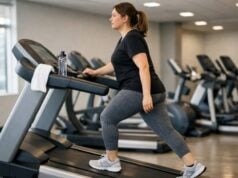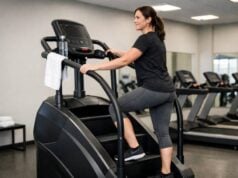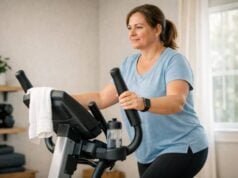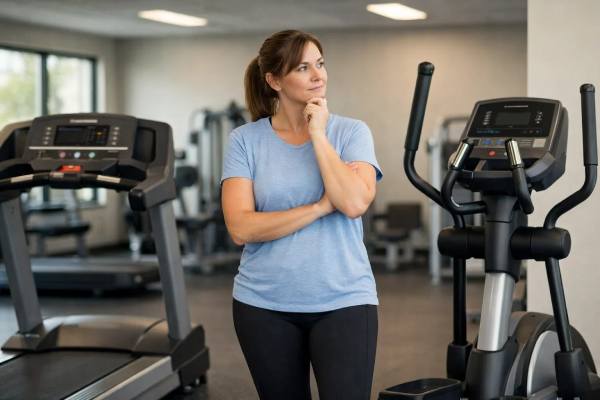
If your goal is weight loss, both the treadmill and the elliptical can work well. Neither machine has a magic fat-burning advantage on its own. The better choice depends on how hard you can work, how often you will actually use it, and whether your joints tolerate the movement well enough to stay consistent. In simple terms, the treadmill usually wins for walking and running specificity, while the elliptical often wins for comfort and lower-impact training.
This guide compares treadmill versus elliptical for calorie burn, fat loss, joint stress, muscle use, beginner-friendliness, and long-term consistency. By the end, you should know which machine fits your body, your schedule, and your weight-loss plan better.
Table of Contents
- Which machine is better for weight loss?
- Calorie burn and fat loss results
- Joint impact and body comfort
- Fitness level and learning curve
- Who should choose a treadmill
- Who should choose an elliptical
- How to get better results from either machine
Which machine is better for weight loss?
The short answer is that the best machine for weight loss is the one you will use consistently at the right effort level. That may sound less exciting than a one-word winner, but it is the most honest answer.
A treadmill often feels more intuitive because walking is familiar. It also gives you several ways to progress: faster speed, steeper incline, longer duration, or intervals. For many people, that makes it easier to create a challenging session and track improvement over time.
An elliptical, on the other hand, usually feels smoother and easier on the joints. It can still deliver moderate or hard cardio, but with less impact through the knees, ankles, and hips. That matters if running feels rough, incline walking bothers your calves or lower back, or you simply recover better with lower-impact training.
So which one is better overall?
- Choose the treadmill if you like walking or running, want a more natural movement pattern, and tolerate impact well.
- Choose the elliptical if you want lower-impact cardio, need more joint comfort, or find that treadmill workouts leave you sore or beaten up.
- Call it a tie if you can use both well, because either machine can support a calorie deficit and improve fitness.
The biggest mistake is assuming the choice should be made based only on the calorie number on the screen. Machine displays are estimates. They can be useful for tracking sessions against each other, but they are not precise measures of fat loss. The better question is not “Which machine says I burned more?” It is “Which machine lets me train hard enough, often enough, without breaking down?”
That is especially important during a fat-loss phase, when recovery is already a little more limited. If one machine lets you finish workouts feeling energized rather than wrecked, that machine may lead to better weekly consistency, more total activity, and better results.
There is also a psychological side to this decision. Some people enjoy the treadmill because the pace, incline, and structure feel simple. Others find it boring or too repetitive, and the elliptical becomes easier to tolerate. Since long-term adherence is one of the biggest drivers of real-world results, enjoyment matters more than many people think.
A good way to frame the choice is this:
| Factor | Treadmill | Elliptical |
|---|---|---|
| Movement pattern | Natural walking and running | Smooth guided stride |
| Impact | Higher, especially with running | Lower |
| Ease for beginners | Very easy for walking | Moderate learning curve |
| Progression options | Speed, incline, intervals, duration | Resistance, ramp, cadence, intervals |
| Best for joint sensitivity | Usually less ideal | Usually better |
| Best overall choice | Depends on comfort and consistency | Depends on comfort and consistency |
If you want the broad view before narrowing down to machines, a guide to the best exercises for weight loss helps put cardio machines in the bigger picture of strength, steps, and overall activity.
Calorie burn and fat loss results
When people compare treadmill versus elliptical, calorie burn is usually the first thing they care about. That makes sense, but it is also where a lot of confusion starts.
In theory, treadmills often get credit for higher calorie burn because walking uphill and especially running can demand a lot from the body. In real life, though, the difference is usually smaller than people expect. The machine that burns more calories for you depends on factors such as:
- Your body size
- Workout intensity
- Session duration
- Whether you use the arms actively
- How much resistance or incline you choose
- How hard you are actually working
This is why two people can use the same machine and get very different results. It is also why a hard elliptical session can easily beat a lazy treadmill walk, while a strong incline treadmill session can beat a casual elliptical glide.
For fat loss, the more important point is that cardio supports a calorie deficit but does not replace one. If you are not eating in a way that supports your goal, neither machine will do the job on its own. That is why a solid plan for creating a calorie deficit still matters even when exercise is going well.
A few practical truths help here:
- The treadmill may allow higher peak effort for some people, especially if they are comfortable walking fast or running.
- The elliptical may allow more total volume for some people, because it is easier on the body and sometimes easier to recover from.
- Longer-term fat-loss results depend more on weekly consistency than on a small per-session calorie difference.
That is one reason the “fat-burning machine” debate often misses the point. A machine is only useful if it leads to repeatable training. If the treadmill lets you do four solid sessions every week, it is a great fat-loss tool. If the elliptical lets you do five sessions because your joints feel better, that may be even better.
It also helps to separate calorie burn during the workout from overall weight-loss progress. A treadmill may burn slightly more during certain sessions, but if it also leaves you too fatigued to walk, move, or train later in the week, the advantage can disappear. This is similar to the problem of exercise compensation, where a hard workout is followed by less movement the rest of the day.
If your main goal is fat loss, think in terms of total weekly output:
- How many sessions can you complete?
- How much time can you accumulate?
- Can you keep your daily activity up?
- Can you repeat the plan next week?
For many people, the answer will be one machine. For others, the smartest move is to use both. You might do incline walking on the treadmill one day and a lower-impact elliptical interval session on another. That approach can reduce boredom and spread stress across different movement patterns.
If you want a machine-specific look at one side of the comparison, elliptical workouts for weight loss can help show how much progress is possible without high-impact training.
Joint impact and body comfort
This is where the biggest real-world difference usually shows up.
A treadmill is more natural, but it also tends to create more impact, especially when you run. Even brisk incline walking can load the calves, feet, knees, and lower back more than some people expect. That is not automatically bad. Healthy tissues adapt to load. But if you are heavier, deconditioned, managing joint pain, or returning after a long break, that load can become the main reason a treadmill plan fails.
The elliptical usually feels easier on the joints because your feet stay in contact with the pedals. That reduces impact and often makes the movement smoother through the knees and hips. For many people with joint discomfort, that is the deciding factor.
This does not mean the elliptical is “better” for everyone. Some users find the fixed movement path awkward. Others feel strain in the hips or lower back if the stride does not match their mechanics well. And some people simply do not like the motion enough to push hard on it. Comfort is not only about impact. It is also about how the movement feels in your body.
A few groups often do better with the elliptical:
- People with mild to moderate joint sensitivity
- People easing back into exercise after time off
- People who cannot tolerate running impact
- People who want harder cardio without pounding
A few groups often do well with treadmills:
- People who enjoy walking outside and want a similar movement indoors
- People who want to build toward faster walking or running
- People who respond well to incline training
- People who dislike the guided feel of ellipticals
If knee comfort is a major issue, the choice becomes even more important. Many people can tolerate the elliptical well even when running is not comfortable. If that is your situation, you may also find value in a guide to low-impact cardio for bad knees.
The same is true for beginners with higher body weight. The machine that looks “less intense” is often the machine that creates better long-term results because it lets them train more consistently. That is why lower-impact programming is often central to a workout plan for obese beginners.
One practical insight matters here: discomfort during a workout often shapes adherence more than calorie numbers ever will. A session that feels mechanically smooth and manageable is easier to repeat. A session that irritates your joints becomes easy to avoid. Since weight loss depends on repetition, comfort is not a luxury feature. It is part of the result.
So if you are trying to decide between treadmill and elliptical and you already know one machine leaves you achy while the other feels sustainable, you probably already have your answer.
Fitness level and learning curve
The treadmill usually wins on simplicity. Almost everyone knows how to walk. That makes it one of the easiest gym machines for beginners to use with confidence. Start slow, add time, then adjust pace or incline. The learning curve is minimal.
The elliptical is not difficult, but it is less automatic. New users sometimes struggle with the rhythm, pedal path, posture, or arm coordination. They may move too passively, hold the handles in a death grip, or lean too heavily into the machine. Once they get used to it, that problem usually fades, but it does make the first few sessions feel less intuitive.
That difference matters because beginners do best when friction is low. If a machine feels awkward, they are less likely to push themselves properly or return to it next time.
For beginners, a treadmill is often the better first choice when:
- Walking feels comfortable
- Balance is solid
- There is no major pain with impact
- The goal is to build a basic cardio habit quickly
For beginners, an elliptical may be the better first choice when:
- Walking speed or incline quickly causes discomfort
- Extra body weight makes higher-impact movement feel harsh
- The person wants a smoother experience
- They are willing to spend a few sessions learning the motion
More experienced exercisers can go either way, but their choice often shifts based on goals. Someone training for walking fitness, hiking, running, or step count carryover may prefer the treadmill because it transfers more directly to real-world movement. Someone already doing enough impact work may prefer the elliptical to keep cardio stress high while joint stress stays lower.
This is also where programming comes in. The treadmill can be used for easy steady sessions, aggressive hill work, or interval training. The elliptical can do the same through cadence, resistance, and ramp settings. If you know how to structure sessions, both machines become much more effective than just cruising for 20 minutes.
That is why a beginner should not only ask which machine is better. They should ask which machine makes it easiest to follow a plan. A beginner cardio workout plan can often answer that better than a one-off workout ever could.
Another point worth noting is confidence. Many people feel safer on the elliptical because it is stable and non-impact, while others feel trapped by the moving pedals and more secure walking on a treadmill. That personal preference matters. The machine that feels more manageable is often the one you will work harder on.
So from a learning standpoint:
- Treadmill: easier to start
- Elliptical: slightly more skill, often easier on the body once learned
Neither machine is too advanced for a beginner. The better beginner machine is simply the one that fits both your body and your comfort level.
Who should choose a treadmill
You should lean toward the treadmill if your body tolerates walking or running well and you want the most direct, flexible form of cardio machine training.
The treadmill is especially useful for people who like straightforward progression. Speed and incline are easy to understand. It is clear when you are improving. You can walk faster, walk longer, use more incline, jog, run intervals, or mix several styles in one session.
A treadmill often makes the most sense if you:
- Enjoy walking or want to build a walking habit
- Want an indoor version of a very natural movement pattern
- Like structured progress with speed and incline
- Want to build toward jogging or running
- Find elliptical motion awkward or boring
For weight loss, the treadmill shines when walking becomes a real part of your weekly routine rather than just a warm-up. Fast flat walking, incline walking, and interval work can all be effective. You do not have to run to make a treadmill useful. In fact, many people get excellent results from incline walking because it raises effort without the impact and recovery cost of running.
That is one reason formats like 12-3-30 treadmill walking became so popular. They are simple, repeatable, and challenging enough for many people. Another reason treadmill training works so well is that it carries over to daily activity. If your treadmill fitness improves, walking outside often feels easier too.
The treadmill is also a strong choice for people who value specificity. If your larger goal includes walking more, hiking, running a 5K, or just increasing movement in everyday life, treadmill work fits naturally into that path. It builds a skill you already use outside the gym.
Still, the treadmill is not ideal for everyone. It may be a poor match if:
- Running bothers your knees or shins
- Steeper incline irritates your calves or low back
- You dread impact
- You are constantly sore after sessions
- You only choose it because you think it “should” burn more
In those cases, the treadmill can become a mentally and physically expensive option. And if you do not use it consistently, its advantages do not matter much.
But when it fits, it fits very well. If you want to go deeper into one highly practical treadmill style, treadmill walking for weight loss often offers one of the best combinations of simplicity, calorie burn, and sustainability.
Who should choose an elliptical
You should lean toward the elliptical if you want lower-impact cardio that still lets you work hard. For many people, that is the main reason the elliptical wins.
The elliptical is often a better choice if you:
- Want less joint pounding
- Recover poorly from treadmill running
- Prefer a smoother motion
- Want to keep cardio intensity up while lowering impact
- Need a machine you can use more frequently without feeling beat up
The elliptical can also be a smart option for people who are in a calorie deficit and already doing other lower-body work, such as lifting, long walks, or recreational sports. In that situation, lower-impact cardio can preserve training quality across the week.
One of the biggest strengths of the elliptical is that it often allows a fairly high heart rate without the same mechanical cost as running. That can be useful if you like intervals or moderate-hard cardio but do not want the soreness or joint irritation that sometimes comes with high-impact work.
It is also a helpful alternative for people who are building fitness from a low baseline. If the treadmill makes you feel clunky, heavy, or uncomfortable, the elliptical may let you train longer and with better rhythm. In other words, it may help you get more total productive work even if the machine looks less “serious.”
This is why the elliptical is often a strong complement to walking. For example, you might keep daily steps high and use the elliptical for a few harder cardio sessions each week. That combination can work very well for fat loss because it spreads stress more intelligently.
The elliptical is not automatically the right answer, though. It may be less ideal if:
- You dislike the fixed movement path
- You struggle to coordinate the motion
- You tend to drift through sessions without enough effort
- You want direct carryover to walking or running performance
The last point matters. Ellipticals improve cardio fitness, but they are not identical to walking or running. If specificity matters most, treadmills usually have the edge.
Still, for many people, the elliptical is the better real-world weight-loss choice precisely because it is easier to tolerate. That is also why people exploring gentler cardio options often pair it mentally with other lower-impact choices such as no-jumping cardio workouts. The common theme is not “easy.” It is “effective without unnecessary pounding.”
If you know you train better when discomfort is lower, the elliptical may be the smarter machine.
How to get better results from either machine
Once you choose a machine, the next question is how to make it work better for weight loss. The answer is not to blindly do more time every day. It is to use the machine with enough structure to create steady progress.
A simple framework works well for both treadmill and elliptical training:
| Session type | Goal | Example |
|---|---|---|
| Easy steady session | Build consistency and recovery-friendly volume | 20 to 45 minutes at conversational effort |
| Moderate session | Improve work capacity | 25 to 40 minutes at brisk effort |
| Interval session | Raise intensity and break monotony | 1 minute hard, 2 minutes easier, repeated 8 to 10 times |
| Longer low-intensity session | Increase total weekly calorie burn | 40 to 60 minutes at sustainable effort |
A few rules make a big difference:
- Track something. Time, distance, pace, resistance, incline, intervals, or total weekly minutes all work.
- Progress gradually. Add a little time, a little speed, or a little resistance rather than changing everything at once.
- Use a mix of session types. Not every workout should be hard.
- Keep strength training in the plan. Cardio supports the deficit, but lifting helps preserve muscle. If you need a simple setup, a 3-day strength training plan often pairs well with machine cardio.
- Do not rely on machine calories to justify overeating. That is one of the most common fat-loss mistakes.
It also helps to think beyond formal workouts. If you spend 30 minutes on the elliptical but then sit the rest of the day, the total effect is smaller than many people expect. Daily movement still matters. That is why burning more calories outside formal workouts can have such a big impact on overall results.
Here are two simple sample approaches.
Treadmill sample week
- Monday: 30 minutes brisk incline walk
- Wednesday: 20-minute interval walk or jog
- Friday: 40-minute moderate walk
- Daily: keep steps reasonably high
Elliptical sample week
- Monday: 25 minutes moderate resistance
- Wednesday: 18 to 24 minutes of intervals
- Friday: 35 minutes steady effort
- Saturday or Sunday: optional easy recovery session
You can also rotate both machines. That may be the best answer if your gym has both and you like variety.
In the end, better results come less from the logo on the machine and more from this combination:
- enough effort
- enough weekly volume
- enough consistency
- enough recovery
- a diet that supports fat loss
Choose the machine that makes that combination easiest to sustain.
References
- WHO guidelines on physical activity and sedentary behaviour 2020 (Guideline)
- Adult Activity: An Overview 2023 (Official Guidance)
- Effect of exercise training on weight loss, body composition changes, and weight maintenance in adults with overweight or obesity: An overview of 12 systematic reviews and 149 studies 2021 (Review)
- Aerobic Exercise and Weight Loss in Adults. A Systematic Review and Dose-Response Meta-Analysis. 2024 (Systematic Review)
- Effects of Stationary Bikes and Elliptical Machines on Knee Movement and Joint Load During Exercise 2024 (Study)
Disclaimer
This article is for general educational purposes only and is not a substitute for medical advice, diagnosis, or treatment. If you have significant joint pain, balance problems, a heart condition, recent surgery, or concerns about starting exercise, speak with a qualified healthcare professional before beginning a new treadmill or elliptical routine.
If this article helped you, share it on Facebook, X, or your preferred platform so more people can choose a cardio machine that fits their body and supports real weight-loss progress.