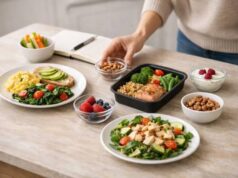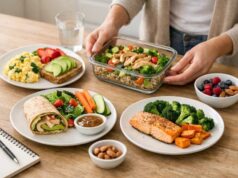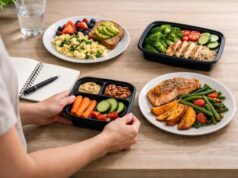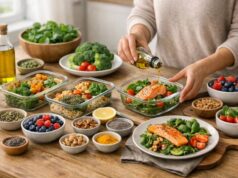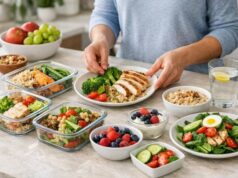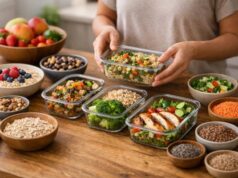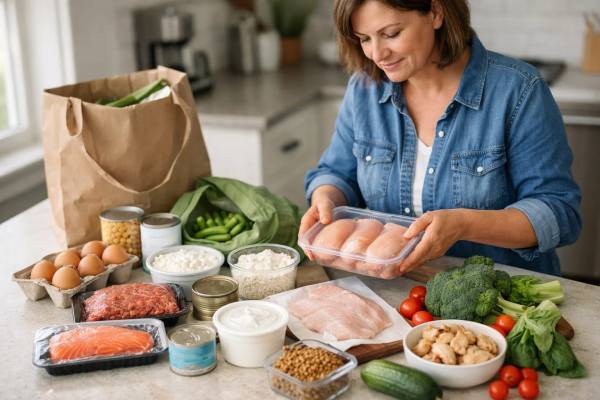
A high-protein grocery list makes weight loss easier because it solves two common problems before they start: not knowing what to buy and not having the right foods ready when hunger hits. When your fridge and pantry are stocked with protein-rich staples, balanced meals become much simpler to build, and it gets easier to stay full in a calorie deficit without feeling like every day is a diet.
This guide covers the best high-protein foods to buy, how to organize your grocery cart for easy meal prep, what to limit if fat loss is the goal, and how to turn your shopping list into practical breakfasts, lunches, dinners, and snacks. The focus is not just on “high protein” in theory. It is on foods you can actually shop for, prep, and repeat.
Table of Contents
- Why protein matters for weight loss
- Best high-protein foods to buy
- Smart carb and fat add-ons
- High-protein grocery list by section
- Easy meal prep ideas from your list
- Common shopping mistakes that slow progress
- How to build your own weekly list
Why protein matters for weight loss
Protein is one of the most useful nutrients in a fat-loss plan because it helps with several things at once. It supports muscle retention while you are eating fewer calories, tends to be more filling than meals built mostly around refined carbs or fats, and makes meal prep more effective because it gives structure to breakfast, lunch, dinner, and snacks.
That does not mean a high-protein grocery list is magic. Weight loss still comes back to a calorie deficit. But protein often makes that deficit easier to maintain because meals feel more substantial and hunger is easier to manage. A person whose meals regularly include chicken, Greek yogurt, eggs, cottage cheese, tofu, tuna, or lean ground turkey usually has a much easier time staying on track than someone whose cart is built mostly around crackers, granola, cereal, pastries, and snack foods.
A good way to think about protein is that it is the anchor of the meal. Once the protein is in place, the rest becomes easier to organize. You can then add fiber-rich carbs, vegetables, and moderate portions of healthy fats. This is the same logic behind building a high-protein plate and it is one reason many people do better when they stop thinking only about calories and start thinking about what will actually keep them full.
Protein also matters because weight loss is not just about seeing the scale move. It is about improving body composition and preserving lean mass as much as possible. That becomes especially important if you are exercising, strength training, or trying to avoid the “skinny but always hungry” feeling that can happen with lower-protein dieting.
In practical terms, a strong grocery list for fat loss usually includes:
- a few easy breakfast proteins
- at least two lunch and dinner proteins
- one or two convenient snack proteins
- enough variety that you do not burn out after four days
If your shopping trip handles those basics, the week usually goes much better. If it does not, people often end up improvising with low-protein convenience foods and then wondering why they feel hungry all the time. That is also why understanding daily protein intake for weight loss and protein targets per meal can make your grocery choices far more effective.
Best high-protein foods to buy
The best high-protein foods for weight loss are not just high in protein on paper. They also need to be practical, reasonably affordable, easy to portion, and flexible enough to use in real meals. A grocery list full of specialty items that you rarely cook is much less helpful than a shorter list of staples you can repeat every week.
A good shopping strategy is to think in categories rather than individual “superfoods.”
Lean animal proteins
These are often the backbone of easy meal prep because they are versatile and high in protein per calorie.
- Chicken breast and chicken tenderloins
- Turkey breast and lean ground turkey
- Lean ground beef
- Tuna, salmon, shrimp, and white fish
- Eggs and liquid egg whites
Chicken and turkey are especially useful because they can work in bowls, wraps, salads, stir-fries, soups, and sheet-pan meals. Canned tuna and salmon are valuable backups for days when you need something fast.
Dairy and refrigerated proteins
These are some of the easiest foods to keep on hand because they require little or no cooking.
- Greek yogurt
- Cottage cheese
- Skyr
- String cheese
- High-protein milk products
Greek yogurt and cottage cheese are especially helpful because they can function as breakfast, snacks, or ingredients in sauces and bowls. They also pair well with fruit and fiber-rich toppings, which makes them more satisfying than many packaged snack foods.
Plant-based proteins
You do not have to eat only animal products to build a high-protein cart.
- Tofu
- Tempeh
- Edamame
- Lentils
- Beans and chickpeas
Plant proteins are often best when combined with other protein sources or used in meals with plenty of fiber and volume. For some people, they are the main event. For others, they are supportive staples that add variety and help control cost.
Convenience proteins
These can save a week that would otherwise fall apart.
- Rotisserie chicken
- Pre-cooked grilled chicken strips
- Frozen shrimp
- Frozen turkey burgers
- Protein shakes or ready-to-drink options
- Protein powder
Convenience foods are not automatically a problem. In many cases, they are what makes consistency possible. The question is whether they actually support your goals. A smart convenience protein can do far more for fat loss than a cart full of “healthy snacks” that never becomes a real meal.
For a wider view of strong options, this also overlaps heavily with high-protein foods with serving sizes and many of the ingredients used in high-protein, low-calorie meals.
Smart carb and fat add-ons
A high-protein grocery list works best when it is not protein-only. Meals become much easier to sustain when you also buy smart carbs, high-volume produce, and moderate-fat foods that improve flavor and satiety without turning every meal into a calorie bomb.
The biggest mistake some people make is filling the cart with protein and then forgetting what makes those foods usable. Dry chicken and plain yogurt do not become a sustainable diet just because they are high in protein. The right add-ons are what make the list realistic.
| Category | Best choices | Why they help |
|---|---|---|
| Fiber-rich carbs | Oats, potatoes, rice, quinoa, beans, fruit | Support energy and fullness |
| Vegetables | Broccoli, spinach, peppers, cucumbers, carrots, mixed greens | Add volume for fewer calories |
| Healthy fats | Avocado, olive oil, nuts, seeds | Improve satisfaction and flavor |
| Flavor builders | Salsa, mustard, yogurt-based sauces, spices, lemon, vinegar | Keep meals from getting repetitive |
Carbs are especially useful when they are chosen deliberately. Instead of treating carbs as the enemy, it is usually better to stock the kinds that pair well with protein and do not disappear in three bites. Potatoes, oats, rice, fruit, beans, and higher-fiber wraps are often far more useful than pastries, sweet cereals, or snack crackers. That fits well with the same reasoning behind better carbs for a calorie deficit.
Vegetables matter for the same reason. A grocery cart built only around protein can still leave you unsatisfied if your meals are too small in volume. Adding frozen vegetables, salad greens, cucumbers, tomatoes, zucchini, mushrooms, and peppers makes meals feel bigger without driving calories up much. This is one reason people do well with high-volume foods when fat loss is the goal.
Fats are the final piece. They should not dominate the cart, but completely avoiding them often makes meals feel thin and less enjoyable. A small amount of olive oil, avocado, nuts, seeds, or nut butter can make a high-protein meal much more satisfying. The main issue is portion awareness, since fats are easy to overpour and over-scoop.
A high-protein grocery list works best when protein is the centerpiece, vegetables and fiber-rich carbs provide structure, and fats are used with purpose instead of by accident.
High-protein grocery list by section
One of the easiest ways to grocery shop well is to organize the list the same way you move through the store. That cuts decision fatigue and makes it easier to notice gaps before checkout.
Produce
- Spinach
- Mixed greens
- Broccoli
- Cauliflower
- Bell peppers
- Cucumbers
- Tomatoes
- Mushrooms
- Zucchini
- Onions
- Berries
- Apples
- Bananas
- Avocados
- Lemons or limes
Protein and refrigerated foods
- Chicken breast
- Lean ground turkey
- Eggs
- Liquid egg whites
- Greek yogurt
- Cottage cheese
- String cheese
- Tofu
- Tempeh
- Deli turkey with a simple ingredient list
Frozen foods
- Frozen shrimp
- Frozen salmon or white fish
- Frozen turkey burgers
- Frozen edamame
- Frozen mixed vegetables
- Frozen broccoli
- Frozen berries
Frozen protein and produce can be a major advantage, not a compromise. They reduce food waste and make meal prep easier on busy weeks. That is one reason many people benefit from keeping some of the staples from a smart frozen-food strategy in rotation.
Pantry
- Canned tuna or salmon
- Beans and chickpeas
- Lentils
- Oats
- Rice or quinoa
- High-fiber wraps
- Salsa
- Mustard
- Low-sugar marinades
- Olive oil
- Chia seeds
- Cinnamon
- Spices and seasoning blends
Snack and backup items
- Protein powder
- Ready-to-drink protein shakes
- Roasted edamame or chickpeas
- Jerky with reasonable sodium and sugar
- Individual yogurt cups
- Fruit you can grab quickly
This kind of list helps because it is built around repeated use. The same chicken can go into bowls, salads, wraps, and stir-fries. The same yogurt can be breakfast or a snack. The same vegetables can work in eggs, sheet-pan dinners, and lunch boxes. That is much more useful than buying twenty separate “healthy” items that do not combine into meals.
For people trying to keep food costs under control, several of these items also overlap with budget meal planning and cheap high-protein meal ideas.
Easy meal prep ideas from your list
A strong grocery list matters most when it turns into easy meals. Meal prep does not need to mean identical containers lined up for seven days. It can be much simpler than that. The goal is just to make the protein foods you bought easier to use.
A practical approach is to prep components, not perfect meals. Cook a couple of proteins, wash and chop vegetables, prepare one or two carb sources, and keep a few fast sauces or toppings ready.
Here are some easy meal-prep combinations that work well from a high-protein grocery list.
Breakfast ideas
- Greek yogurt with berries, chia seeds, and cinnamon
- Egg muffins with spinach and turkey
- Cottage cheese with fruit
- Oats mixed with protein powder and berries
- Egg white scramble with vegetables
These options are useful because they make mornings more automatic. That is also why many of them show up in high-protein breakfast meal prep and quick breakfast ideas for fat loss.
Lunch ideas
- Chicken rice bowls with broccoli and salsa
- Tuna salad wraps with crunchy vegetables
- Turkey and quinoa salad bowls
- Cottage cheese snack plates with fruit and nuts
- Lentil bowls with roasted vegetables and tofu
Dinner ideas
- Sheet-pan chicken with potatoes and green beans
- Shrimp stir-fry with rice and vegetables
- Turkey taco bowls
- Salmon with roasted vegetables
- Lean beef and vegetable skillet
Snack ideas
- Greek yogurt cups
- Boiled eggs
- Protein shake and fruit
- Cottage cheese with cucumbers or berries
- Edamame
- Jerky plus an apple
This is where the grocery list becomes more than nutrition theory. If you can build three breakfasts, three lunches, three dinners, and two snacks from one trip, you usually do not need a hyper-detailed plan. You just need enough overlap and enough convenience that the meals are there when you need them.
That same mindset is what makes weekend meal prep and macro-friendly meals so useful: fewer decisions, fewer emergencies, and much less random snacking.
Common shopping mistakes that slow progress
A high-protein grocery list can still miss the mark if the cart is built around good intentions instead of good structure. Many shopping mistakes are not dramatic. They are small, repeated habits that make meals less filling, less convenient, or more calorie-dense than expected.
One common mistake is buying too many protein bars and not enough actual food. Bars can be useful backups, but they are rarely the best foundation of a fat-loss plan. A cart full of packaged snacks may look disciplined, yet still leave you with nothing substantial to eat for lunch or dinner.
Another mistake is overbuying “healthy extras” and underbuying protein itself. It is easy to come home with almond butter, granola, trail mix, wraps, crackers, hummus, smoothie ingredients, and fancy condiments but only one or two true protein sources. That often leads to meals that are technically healthy but too low in protein to keep you full.
Other mistakes include:
- buying protein foods you do not actually enjoy
- choosing only fresh produce and no frozen backups
- forgetting quick breakfast and snack options
- underestimating sauces, dressings, oils, and nut portions
- buying deli foods with more convenience than satiety
- shopping without any plan for how the food becomes meals
Processed foods are not automatically bad, but the more your cart leans toward ultra-processed snack items instead of whole or minimally processed staples, the easier it becomes to overeat without noticing. That is one reason people often do better when they focus on basics first and treat convenience products as support rather than the center of the plan.
A good rule is that most of the cart should answer one of these questions:
- What will I eat for breakfast?
- What will I pack for lunch?
- What will I cook for dinner?
- What will I eat when I need a snack?
If an item does not help answer one of those questions, it may still be fine to buy, but it should not crowd out the foods that actually keep your week on track. This is also closely related to common diet mistakes that stall progress and the importance of shopping with a real beginner-friendly plan.
How to build your own weekly list
The most useful high-protein grocery list is not the longest one. It is the one you can realistically repeat. A good weekly list usually starts with a small formula.
- Pick two or three main proteins for lunch and dinner.
- Pick one or two fast breakfast proteins.
- Pick two easy snack proteins.
- Add one or two carb bases.
- Add several vegetables and a few fruits.
- Add a few flavor builders so meals do not get boring.
For example, a simple weekly setup might be:
- main proteins: chicken breast, lean ground turkey, Greek yogurt
- breakfast proteins: eggs, cottage cheese
- snack proteins: protein shakes, tuna packets
- carb bases: oats, rice, potatoes
- vegetables: broccoli, spinach, peppers, cucumbers
- fruit: berries, apples, bananas
- flavor builders: salsa, hot sauce, mustard, olive oil, seasoning blends
That is enough to create a surprising number of meals without making the list overwhelming. This approach also makes it easier to scale calories up or down. Someone eating in a steeper deficit might keep carbs and fats more controlled. Someone eating more or training harder might add bigger carb portions or more snacks.
If you want more structure, pairing a grocery list with a simple weekly menu can help. If you want more freedom, the list itself may be enough. Either way, the main point is that shopping should make the right choice easier later. That is the real value of preparation.
A high-protein grocery list supports weight loss best when it is built around foods you enjoy, meals you will actually make, and enough protein to keep hunger from running the show. Once those basics are in place, the rest of the plan becomes much easier to sustain.
References
- Obesity Management in Adults: A Review 2023 (Review)
- Protein requirement in obesity 2025 (Review)
- Effects of dietary fibre on metabolic health and obesity 2024 (Review)
- Ultra-processed Food and Obesity: What Is the Evidence? 2024 (Review)
Disclaimer
This article is for general educational purposes only and is not a substitute for professional medical, nutrition, or dietetic advice. Protein needs, calorie targets, and food choices can vary based on your body size, activity level, medical history, kidney health, medications, and goals.
If you found this guide useful, please share it on Facebook, X, or your preferred platform so others can build a smarter high-protein grocery list for weight loss.