
Water Dropwort (Oenanthe aquatica): Benefits, Active Compounds, Side Effects, and Safe Use
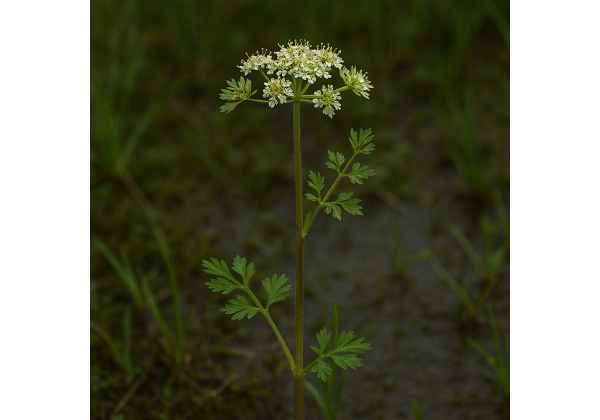
Water dropwort, Oenanthe aquatica, is a wetland herb in the parsley family that has a far more complicated medicinal profile than its soft white...
Water Crowfoot (Ranunculus aquatilis): Medicinal Properties, Folk Uses, Dosage, and Side Effects
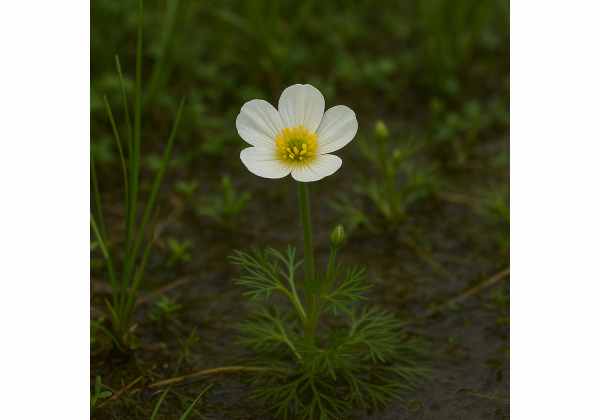
Water crowfoot, also called Ranunculus aquatilis, is an aquatic buttercup that grows in ponds, ditches, and slow streams. It is visually delicate, with white...
Water Clover (Marsilea quadrifolia): Traditional Uses, Active Compounds, Benefits, and Safety Guide
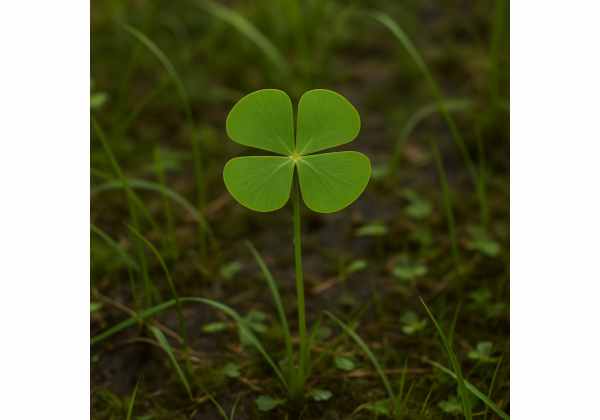
Water clover, also known as four-leaf water clover or Marsilea quadrifolia, is an aquatic fern rather than a true clover. Its shamrock-like leaf shape...
Water Chickweed (Myosoton aquaticum): What It Is, Health Benefits, Dosage, and Precautions

Water chickweed, botanically known as Myosoton aquaticum, is a moisture-loving herb in the pink family that grows in wet meadows, ditches, stream edges, and...
Water Betony (Scrophularia umbrosa) for Skin Support, Traditional Uses, Dosage, and Safety
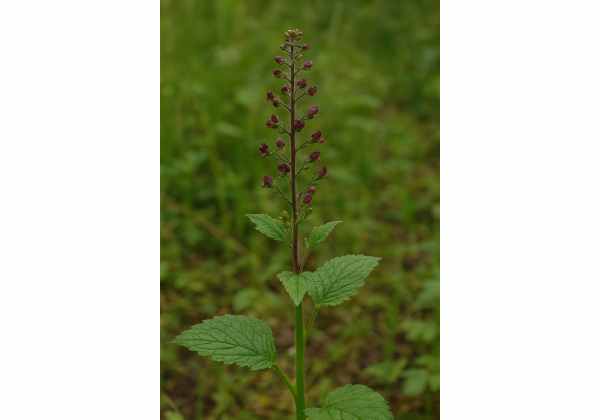
Water Betony, usually discussed under the botanical name Scrophularia umbrosa, is a traditional figwort-family herb valued more for its old medicinal reputation than for...
Water Avens (Geum rivale): Benefits for Digestion, Mouth Care, Traditional Uses, and Safety
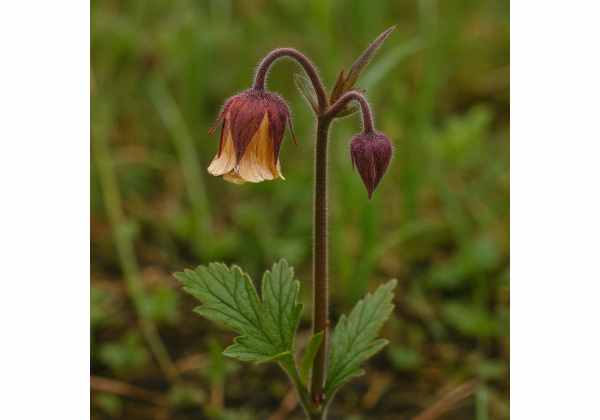
Water avens, or Geum rivale, is a moisture-loving perennial in the rose family that has a long but fairly quiet history in European and...
Water Arum (Calla palustris): Traditional Health Benefits, Preparation Methods, Dosage, and Risks
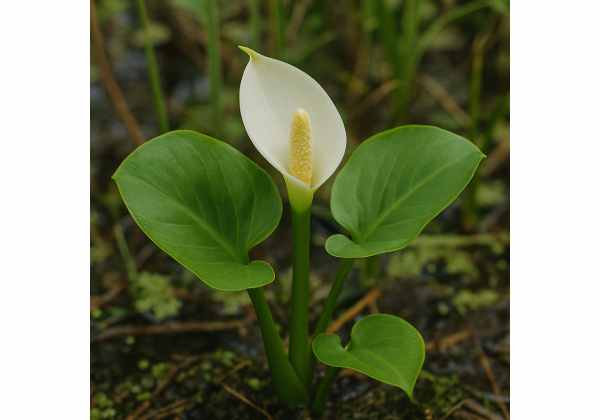
Water arum, botanically known as Calla palustris, is a marsh-loving plant of northern wetlands that is also called bog arum or wild calla. At...
Wasabi (Wasabia japonica): Benefits for Brain Health, Digestion, Inflammation, and Safe Use
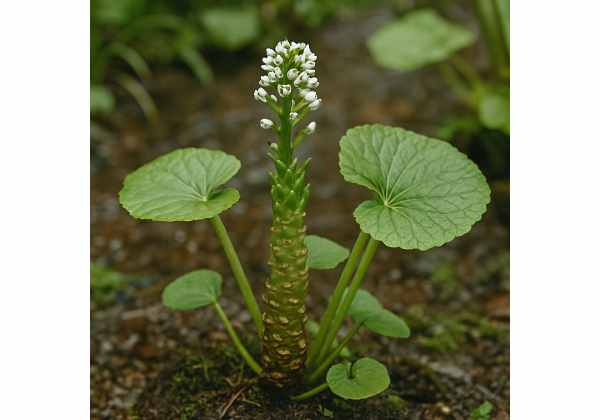
Wasabi is one of the most recognizable herbs in Japanese cuisine, yet its medicinal side is often discussed less clearly than its sharp green...
Wall Rue (Asplenium ruta-muraria) Uses for Urinary Support, Cough Relief, Dosage, and Safety
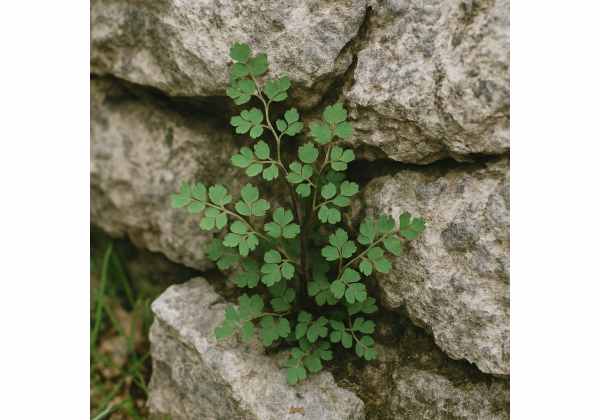
Wall Rue, or Asplenium ruta-muraria, is a small evergreen fern that grows in limestone crevices, stone walls, and rocky ledges. It is not one...
Wall Germander (Teucrium chamaedrys): Herbal Benefits, Traditional Applications, Dosage, and Liver Safety
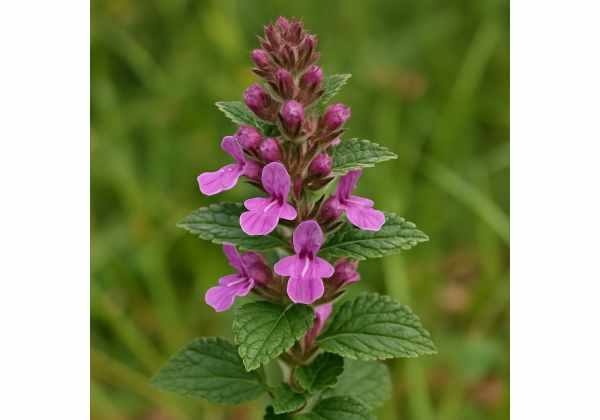
Wall germander is a small evergreen subshrub in the mint family that has been valued for centuries as a bitter, aromatic herb. Traditionally, the...
Wahoo (Euonymus atropurpureus): Traditional Uses, Key Ingredients, Benefits, and Side Effects
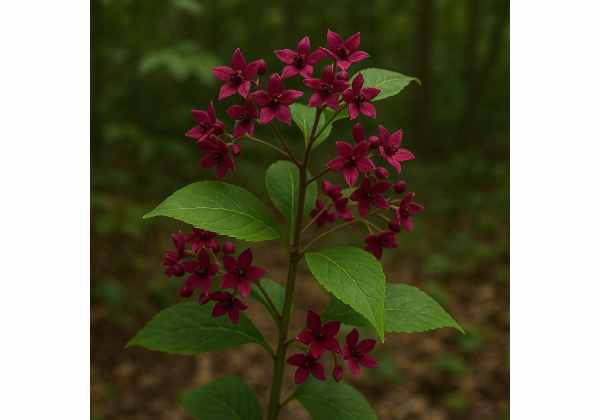
Wahoo, also called eastern wahoo or American wahoo, is a North American shrub or small tree whose bark and root bark were once used...
Voodoo Lily (Amorphophallus konjac): Glucomannan Benefits, Weight Support, Digestion, and Safety
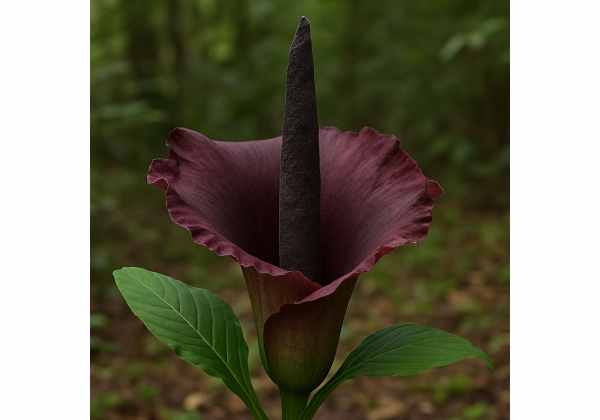
Voodoo lily, in this context referring to Amorphophallus konjac, is better known in food and supplement circles as konjac. Although the plant is striking...
Voatsiperifery (Piper borbonense): What It Is, Benefits, Uses, and Safety Guide
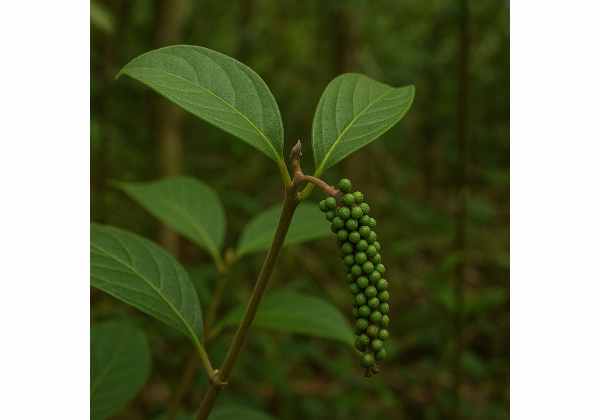
Voatsiperifery, usually identified as Piper borbonense, is a wild pepper from Madagascar and nearby Indian Ocean islands that has earned a reputation for its...
Voacanga (Voacanga africana): Key Ingredients, Medicinal Uses, and Side Effects
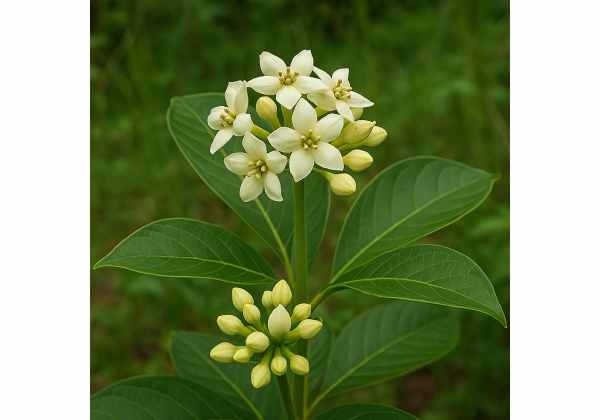
Voacanga is a tropical African tree whose bark, roots, leaves, and especially seeds have drawn attention in both traditional medicine and modern phytochemistry. It...
Vitex (Vitex agnus-castus): Hormonal Support, PMS Benefits, Dosage, and Safety
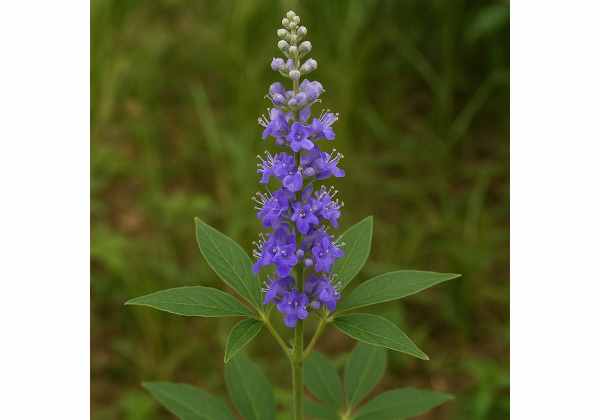
Vitex agnus-castus, often called vitex or chaste tree, is one of the most widely discussed herbs for premenstrual symptoms, cyclical breast tenderness, and hormone-related...
Virgin’s Bower (Clematis virginiana): Uses, Medicinal Properties, and Safety Guide
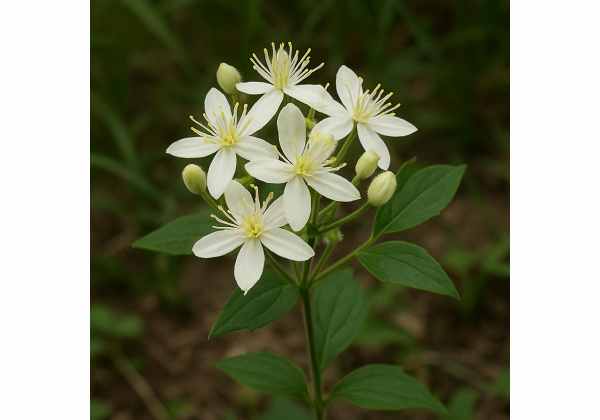
Virgin's bower, Clematis virginiana, is a native North American vine from the buttercup family that has a striking dual reputation. In garden and wildflower...