


Neurologic and Psychiatric Genetic Markers
Home Neurologic and Psychiatric Genetic Markers
Explore the **Neurologic and Psychiatric Genetic Markers** category for clear, evidence-based guidance on genetic tests used in brain, nerve, muscle, developmental, and mental health care. These resources explain how inherited variants, repeat expansions, copy-number changes, methylation abnormalities, and polygenic risk scores may contribute to neurologic or psychiatric conditions—and what a positive, negative, uncertain, or carrier result can and cannot tell you.
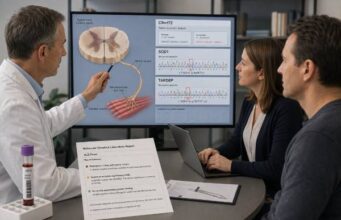
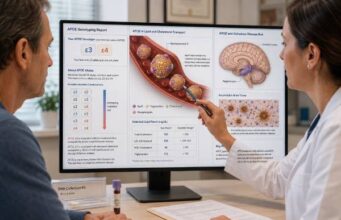
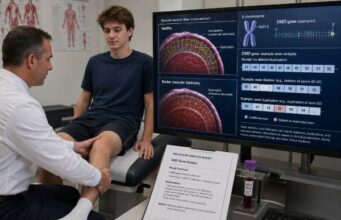
Topics include Alzheimer disease and APOE testing, Parkinson disease genes such as LRRK2, GBA, SNCA, and PRKN, Huntington disease, spinocerebellar and hereditary ataxias, hereditary spastic paraplegia, ALS and frontotemporal dementia, epilepsy, autism, developmental delay, intellectual disability, Rett syndrome, Angelman syndrome, Prader-Willi syndrome, and Fragile X syndrome. You will also find practical coverage of Duchenne, Becker, limb-girdle, facioscapulohumeral, and myotonic muscular dystrophies; spinal muscular atrophy; Charcot-Marie-Tooth disease; congenital myasthenic syndromes; and malignant hyperthermia risk.
Each article breaks down who may consider testing, which genes or laboratory methods are relevant, how results are interpreted, important test limitations, family implications, and questions to discuss with a clinician or genetic counselor. The category also examines neurologic gene panels, exome sequencing, chromosomal microarray, repeat-expansion testing, psychiatric pharmacogenetics, and antidepressant-response markers, helping readers approach complex genetic information with greater clarity and realistic expectations. It supports informed conversations without treating genetic findings as a diagnosis in isolation.