
Tag: Anti-inflammatory
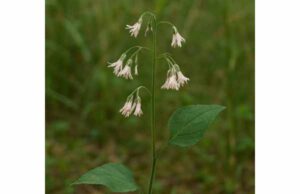
Rattlesnake Root (Prenanthes racemosa): What It Is, Traditional Uses, Dosage, and...
Rattlesnake Root, usually identified botanically as Prenanthes racemosa and now often treated as Nabalus racemosus, is a native North American member of the daisy...
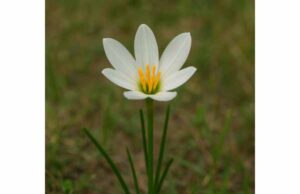
Rain Lily (Zephyranthes candida): Benefits for Inflammation, Traditional Uses, Dosage, and...
Rain Lily, usually identified as Zephyranthes candida, is a small bulb-forming plant best known for its white flowers and sudden blooming after rain. Beyond...
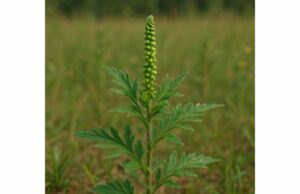
Ragweed (Ambrosia artemisiifolia) Benefits and Uses: What It Does, How It...
Ragweed, most commonly Ambrosia artemisiifolia, is a late-summer flowering plant in the daisy family that inspires two very different conversations. In everyday life, it...
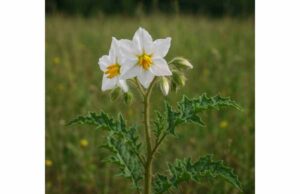
Radical Weed (Solanum carolinense): Key Ingredients, Potential Benefits, Uses, and Safety
Radical weed, better known to many botanists and foragers as Carolina horsenettle, is a prickly member of the nightshade family with a long, complicated...
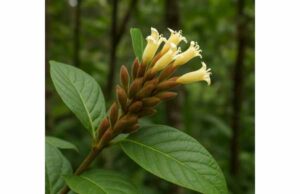
Quinine Bush (Remijia peruviana) Uses for Fever, Bitter Tonic Support, and...
Quinine Bush, usually identified in older botanical and pharmacognosy literature as Remijia peruviana, belongs to the same broader medicinal conversation as cinchona bark. Its...
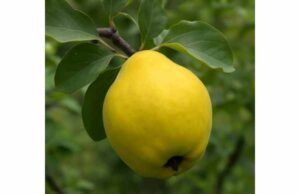
Quince Medicinal Properties, Digestive Benefits, and Safe Use
Quince is an old orchard fruit with a long history in both food and traditional medicine. Botanically known as Cydonia oblonga, it looks a...
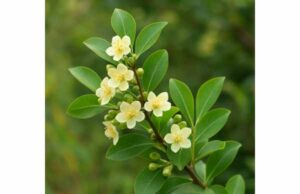
Quillaja Medicinal Properties, Food Uses, Vaccine Adjuvant Relevance, and Safety
Quillaja, often called soapbark or soapbark tree, is an evergreen tree native to central Chile whose bark has been valued for centuries because it...
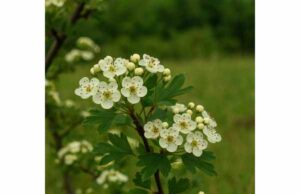
Quicksilver (Crataegus monogyna) Key Ingredients, Cardiovascular Benefits, and Dosage
Crataegus monogyna is much better known to most herbalists and botanists as common hawthorn or one-seeded hawthorn than as “quicksilver.” It is a thorny...
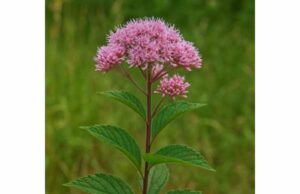
Queen’s Root (Eupatorium purpureum) Benefits, Urinary Uses, Dosage, and Safety
Queen's root is an older herbal name most often applied to gravel root, the North American medicinal plant long known as Eupatorium purpureum and...
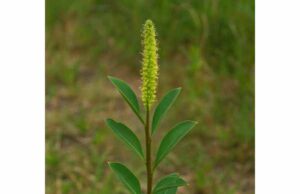
Queen’s Delight (Stillingia sylvatica) Medicinal Properties, Historical Uses, and Safety Guide
Queen’s Delight, also known as stillingia root or yawroot, is a perennial spurge native to the sandy soils of the southeastern United States. In...
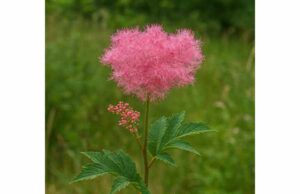
Queen of the Prairie Traditional Uses, Key Ingredients, and Safety Tips
Queen of the prairie is a tall, striking North American wildflower with frothy pink blooms, moist-meadow roots, and a medicinal reputation that is much...
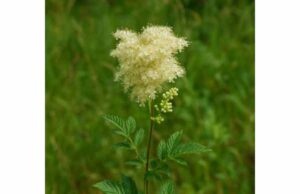
Queen of the Meadow for Digestion, Pain Relief, and Safe Herbal...
Queen of the Meadow, widely known as meadowsweet, is a graceful perennial herb with frothy cream-colored flowers and a long history in European herbal...
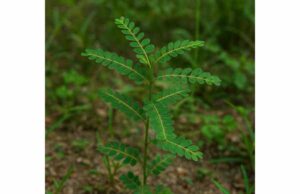
Quebra pedra (Phyllanthus niruri) Kidney Stone Support, Herbal Uses, and Safe...
Quebra pedra, widely known in English as stone breaker and botanically identified as Phyllanthus niruri, is a small tropical herb with a very large...
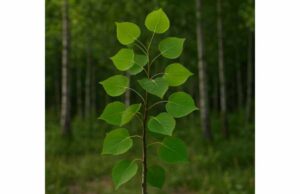
Quaking Aspen for Inflammation, Digestive Support, and Traditional Herbal Use
Quaking aspen, Populus tremuloides, is one of North America’s most recognizable trees, valued not only for its shimmering leaves and pale bark, but also...
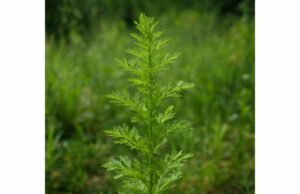
Qing hao (Artemisia annua) Traditional Uses, Health Benefits, and Precautions
Qing hao, also known as Artemisia annua, sweet wormwood, or annual mugwort, is one of the most historically important medicinal herbs in the world....
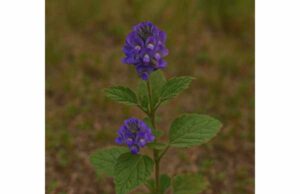
Psoralea for Vitiligo, Skin Support, and Traditional Herbal Use
Psoralea, best known botanically as Psoralea corylifolia and also called babchi or bakuchi, is a traditional medicinal plant with a long history in South...