
Tag: Anti-inflammatory
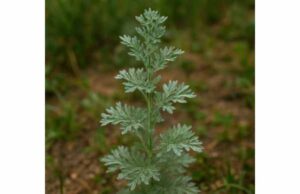
Wormwood (Artemisia absinthium) Benefits, Key Ingredients, Digestive Uses, and Safety
Wormwood, or Artemisia absinthium, is one of the best-known bitter herbs in traditional European and West Asian medicine. It has been used for centuries...
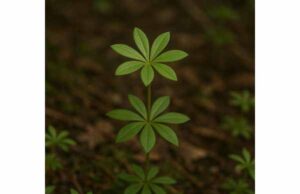
Woodruff (Galium odoratum) Benefits for Relaxation, Digestion, Topical Use, and Safe...
Woodruff, Galium odoratum, is a shade-loving woodland herb best known for its sweet hay-like fragrance, which becomes more noticeable after the plant wilts or...
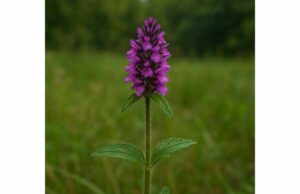
Wood Betony (Stachys officinalis): Traditional Uses, Health Benefits, and Safety Notes
Wood betony, botanically known as Stachys officinalis and also often listed as Betonica officinalis, is one of the old European herbs that carried an...
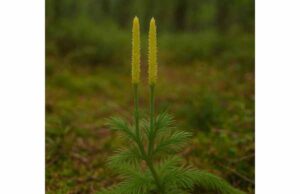
Wolf’s Claw (Lycopodium clavatum): Active Compounds, Herbal Uses, and Side Effects
Wolf’s claw, better known botanically as Lycopodium clavatum, is an old medicinal plant with an unusual profile. It is not a true moss, even...
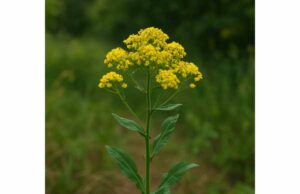
Woad (Isatis tinctoria): Anti-Inflammatory Benefits, Skin Uses, Dosage, and Safety
Woad, Isatis tinctoria, is one of the rare herbs whose identity spans both medicine and material culture. For centuries it was famous as a...
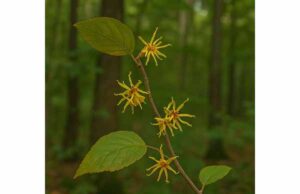
Witch Hazel (Hamamelis virginiana): Skin Benefits, Medicinal Properties, and Side Effects
Witch hazel is one of the best-known traditional skin remedies in Western herbal medicine, yet it is often misunderstood. Derived from the bark, leaves,...
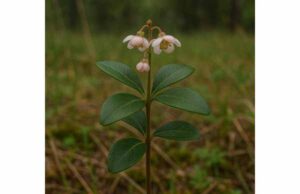
Wintergreen (Chimaphila umbellata) Benefits for Urinary Support, Inflammation, and Safe Use
Wintergreen, Chimaphila umbellata, is a small evergreen woodland herb better known in traditional North American herbalism as pipsissewa or prince’s pine. Although the common...
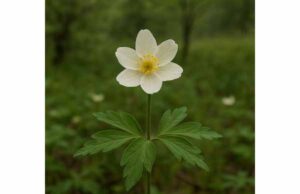
Windflower (Anemone nemorosa): Traditional Uses, Potential Benefits, Toxicity, and Precautions
Windflower, better known botanically as Anemone nemorosa and often called wood anemone, is one of those plants that looks gentler than it is. It...
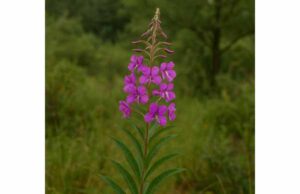
Willowherb (Epilobium angustifolium): Prostate Support, Health Benefits, and Safety Notes
Willowherb, usually identified botanically as Epilobium angustifolium and also known as fireweed or rosebay willowherb, is a striking pink-flowered herb with a long history...
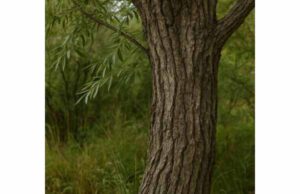
Willow Bark (Salix spp.): Pain Relief Benefits, Active Compounds, and Side...
Willow bark is one of the classic plant medicines behind the modern story of pain relief. Prepared from the bark of several Salix species,...
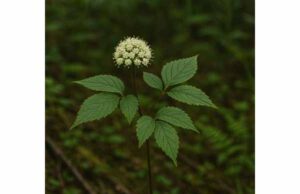
Wild Sarsaparilla (Aralia nudicaulis): What It May Help, How to Use...
Wild sarsaparilla, Aralia nudicaulis, is a woodland herb native to northern and eastern North America and one of the most misunderstood plants that carries...
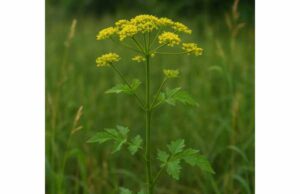
Wild Parsnip (Pastinaca sativa): Uses, Key Ingredients, Side Effects, and Safety...
Wild parsnip, botanically known as Pastinaca sativa, is a plant with a split identity. On one hand, it belongs to the same species as...
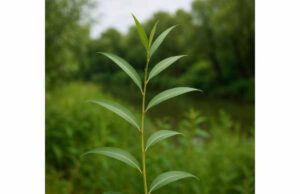
White Willow (Salix alba) Benefits, Key Ingredients, Pain Relief, and Safety
White Willow, botanically known as Salix alba, is one of the most historically important pain-relief herbs in Western herbal medicine. Its bark has been...
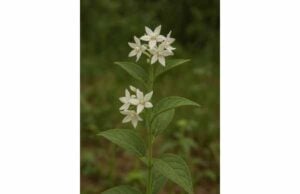
White Swallowwort (Vincetoxicum hirundinaria) Benefits, Key Ingredients, Toxicity, and Dosage Warnings
White Swallowwort, Vincetoxicum hirundinaria, is a perennial herb from the dogbane family with a long and somewhat contradictory history. In older European medicine it...
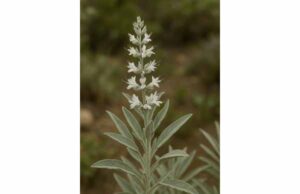
White Sage (Salvia apiana): Medicinal Benefits, Active Compounds, and Safe Use...
White sage, or Salvia apiana, is a strongly aromatic shrub native to Southern California and Baja California. Many people know it first through its...
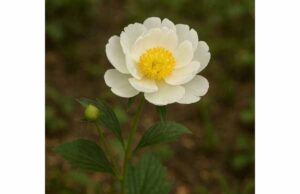
White Peony Root (Paeonia albiflora): Menstrual Support, Anti-Inflammatory Benefits, and Precautions
White peony root is the processed root used in traditional East Asian herbal medicine from a plant now more commonly listed under the accepted...